NIGERIA WE'RE SLEEPING
Have you ever wondered why some countries keep moving forward while others keep struggling to catch up?
Look closely at what is happening in this video.
Machines are manufacturing components. Workers are assembling sophisticated electronic devices. Different stages of production are coordinated with impressive precision.
Now think about this:
Every machine represents engineering knowledge.
Every production line represents industrial capacity.
Every finished product represents value created within the economy.
Here is something worth thinking about:
What if, instead of importing most of the technology we consume, we invested heavily in developing the capacity to manufacture it?
A country doesn't become an industrial powerhouse overnight.
It takes years of investment in education, research, engineering, infrastructure, technology and manufacturing.
The real wealth of a nation is not just what it buys. It is what it has the knowledge and capacity to produce.
Are we paying enough attention to this?
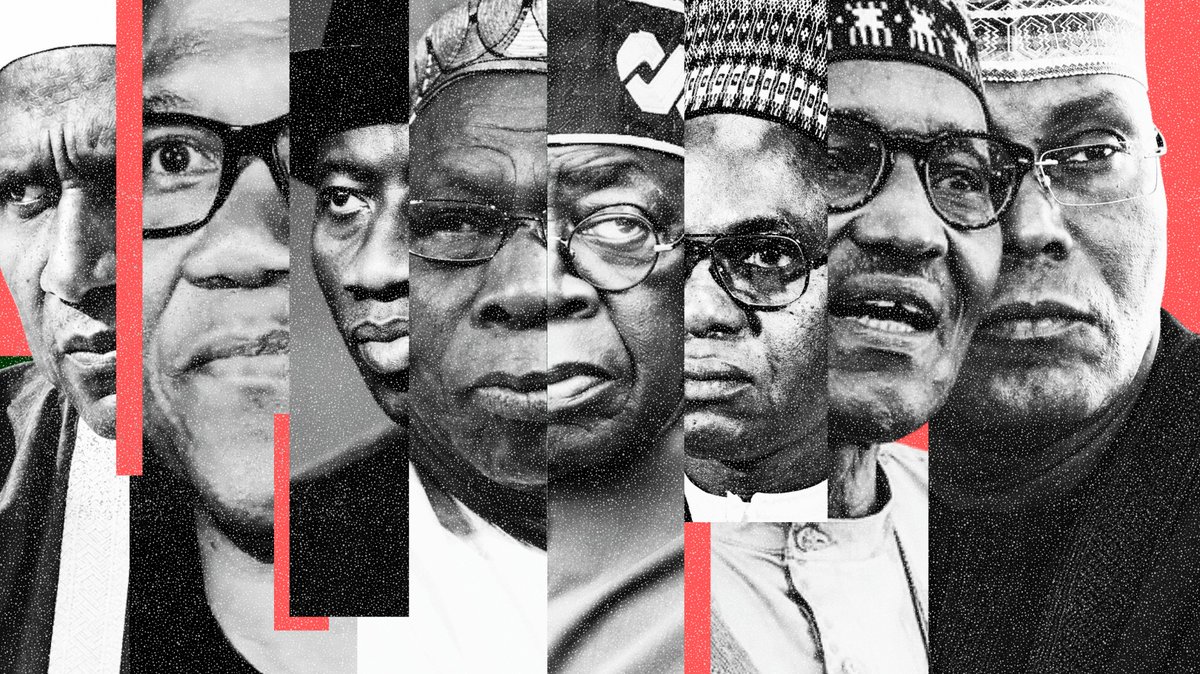
Over the past four decades, one set of economic ideas has become increasingly influential across Nigeria.
Where did these ideas come from—and how did they become conventional wisdom?
Read in The Republic:
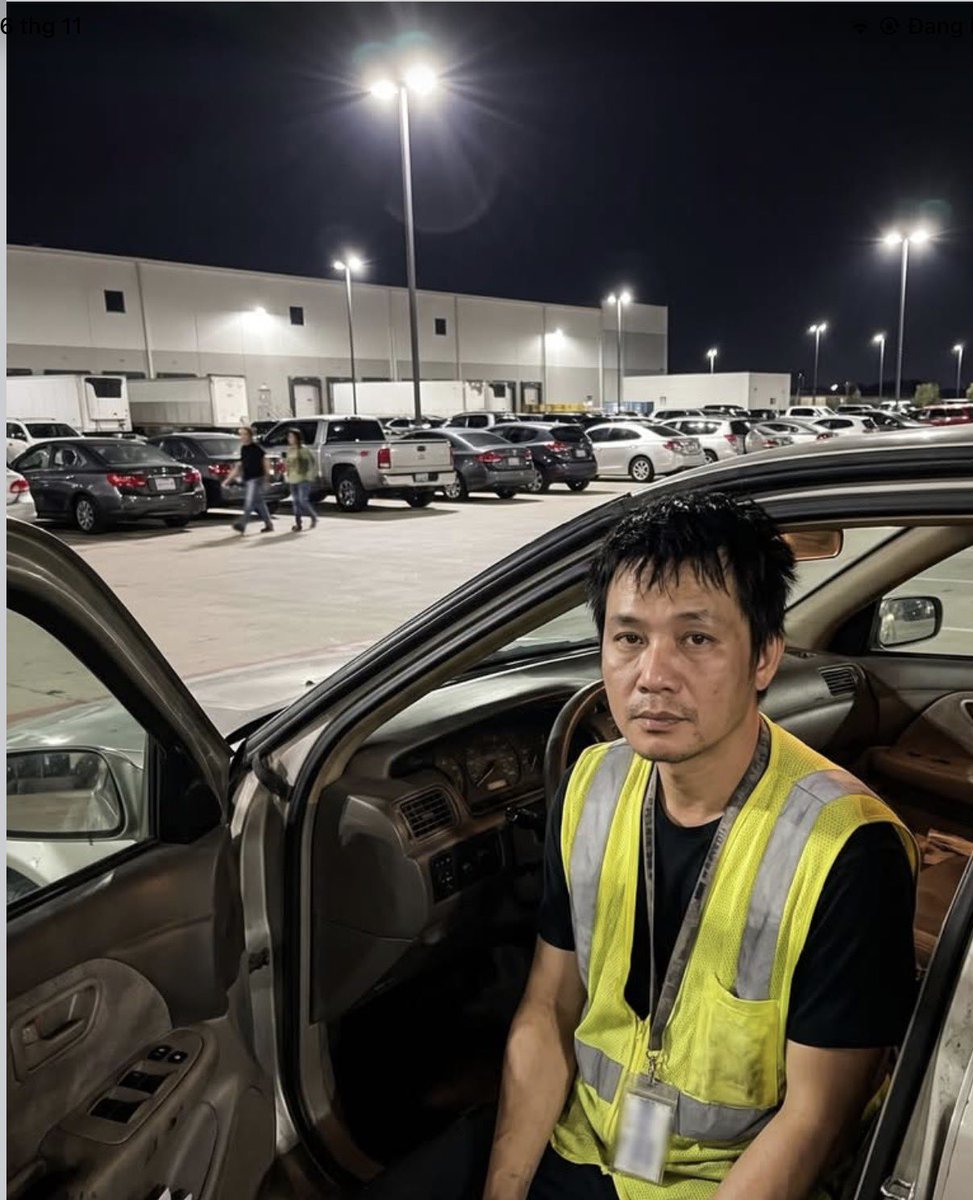
9 NĂM Ở MỸ, LƯƠNG $17 MỘT GIỜ, THÁNG NÀO CŨNG GỬI VỀ VIỆT NAM CHO MÁ $500
Qua Mỹ 9 năm, làm kho hàng Amazon ở Dallas.
Lương $17 một giờ, làm full time, tháng nào khá thì cầm về chừng $2,600.
Tiền thuê apartment một phòng: $1,250.
Tiền xe góp: $420.
Bảo hiểm xe: $180.
Điện, nước, internet, điện thoại: gần $250.
Tiền ăn, tiền xăng: $400.
Còn lại chừng $100.
Vậy mà 9 năm nay, tháng nào tôi cũng gửi về Việt Nam $500.
Không ai bắt tôi gửi. Tôi tự muốn vậy.
Ba tôi mất sớm. Má một mình nuôi ba anh em tôi ăn học. Hồi nhỏ nhớ nhất là cảnh má ngồi đếm từng tờ tiền lẻ dưới bóng đèn vàng, đếm xong cất vô cái hộp bánh thiếc.
Qua Mỹ rồi, tôi chỉ muốn má khỏi phải đếm tiền lẻ nữa.
Phần thiếu, tôi chạy giao đồ ăn cuối tuần. Có tháng quẹt thẻ tín dụng.
Mỗi lần gọi video, tôi đều đứng chỗ đẹp nhất trong apartment, cười thiệt tươi, nói: “Bên này con ổn lắm má.”
Năm thứ 8, nợ thẻ của tôi lên tới $11,400.
Có hôm tôi gọi về sau ca làm, mặt hốc hác, mắt thâm quầng. Má qua màn hình một hồi lâu rồi hỏi: “Con có chuyện gì giấu má phải không?”
Lần đầu tiên tôi nói thật hết. Lương bao nhiêu, nợ bao nhiêu, cuối tuần chạy xe tới mấy giờ.
Má má nói: “Mai con chờ má gọi lại.”
Sáng hôm sau, má gọi. Má cầm lên một cuốn sổ tiết kiệm ngân hàng.
Má nói: “Tiền con gửi về, má chỉ xài một nửa. Còn một nửa má gửi ngân hàng hết. Má tính để dành cho con lấy vợ.”
8 năm, má để dành được gần $20,000.
Má nói: “Con lấy trả nợ đi. Má không cần nhà to. Má chỉ cần con khỏe mạnh.”
Tôi ngồi trong xe ở parking chỗ làm, cầm điện thoại mà nói không ra tiếng.
Má muốn tôi phải nghỉ chạy xe đêm, đi học thêm.
Nhận được tiền tôi trả hết nợ thẻ. Rồi đăng ký học chứng chỉ quản lý kho ở community college, mỗi tối 2 buổi.
Năm nay tôi được lên làm trưởng ca. Lương $24 một giờ, có bảo hiểm sức khỏe, có 401k.
Tôi vẫn gửi về cho má mỗi tháng.
Nhưng giờ là $300, và má biết hết lương tôi bao nhiêu.
Tháng 3 năm sau, má qua Mỹ thăm tôi lần đầu tiên. Vé máy bay tôi mua rồi.
Ở xứ người, mình cứ tưởng mình đang gánh cả nhà.
Tới một ngày mới nhận ra, ở bên kia nửa vòng trái đất, có một người vẫn đang lặng lẽ gánh nợ cho mình.
CẢM ƠN MÁ, CON YÊU MÁ(nhatkynguoivietomy )
BREAKING: 🇵🇾 What just happened in PARAGUAY is a WARNING for everyone on earth.
More than 3 million people (60% of Paraguay's adult population) have lost access to EVERYTHING. Their bank accounts. Their pensions. Frozen. Inaccessible.
Paraguay’s largest digital bank, Ueno Bank, has collapsed.
The president of the Central Bank (who is deeply connected to Ueno) has just RESIGNED. Eight high-level executives including the founder and the Bank President are being detained.
The people have taken to the streets to demand their money back. And rightly so.
This is the model Milei and the rest of the Epstein class are pushing. This could happen ANYWHERE. Best to save in physical gold and physical silver, imo.
Under pressure from Israeli prime minister Benjamin Netanyahu, the Trump administration may be within days of launching a nuclear strike on Iran. The target would be Pickax Mountain in central Iran, where Israeli intelligence claims the Iranian government has restarted its nuclear enrichment program. No conventional weapon in the American arsenal can penetrate 300 feet of solid granite to destroy the tunnels where enrichment is supposedly taking place. The only military option is a nuclear strike. Netanyahu has been pushing hard for one. “Bibi calls Trump about it every day,” says an informed observer.
Netanyahu is cornered and desperate. After last week’s election results, he can’t form a government unless Trump intervenes directly in Israeli politics and brokers a deal with other parties that gives Netanyahu 61 seats in the Knesset. Otherwise, he is out as prime minister and on his way to ignominy, investigations and possibly jail. Netanyahu must stay close to Trump. He needs this war.
To that end, he’s applied maximum pressure to his closest allies in the administration, including Secretary of Defense Pete Hegseth and CENTCOM commander Brad Cooper. Both oppose a negotiated settlement to the war they’ve so grievously mismanaged; both are pushing to restart major combat operations. Secretary of State Marco Rubio and CIA director John Ratcliffe are also following Netanyahu’s lead, as are leaders of the Democratic Party. In a recent meeting on the subject, former president Barack Obama said he opposes the current Iran peace deal being drafted in Doha.
The rest of America’s longtime allies in the Middle East are terrified by the prospect of more war. On September 27th, Netanyahu flew secretly to Abu Dhabi to enlist the UAE in his lobbying effort for a final attack on Iran. The Emiratis refused. After eight months of conflict, Gulf economies are teetering. So are global energy and fertilizer markets. They won’t recover soon. Globally, there are a total of about 850 supertankers used to transport oil from producers to the rest of the world. In October alone, 11 of them were badly damaged in Hormuz. At this pace, a global depression is imminent. A nuclear strike would radically accelerate the destruction. Fallout from a ground explosion at Pickax Mountain would contaminate the Persian Gulf, poisoning the water supply for 100 million people.
And those are just some of the immediate consequences for the region. The rest of the world is every bit as exposed. No country other than the United States has ever used a nuclear weapon in war. Some would like to. An American nuclear attack on Iran would set a new precedent. The Russians have already told at least two other governments that an American nuclear strike on Iran would free them to use nuclear weapons against Ukraine. Pakistan and India would be tempted to do the same against each other, as would North Korea against Seoul. After the first nuclear strike, World War Three is inevitable. That war would be short and final.
We’ve been sleepwalking toward this moment for months. Since February, the administration has quietly rewritten America’s nuclear doctrine to make first use of so-called “battlefield nukes” easier and therefore more likely. No one in Washington in either party seems bothered by this. Now we’re on the brink of it.
Close observers say Trump is likely to decide by next weekend whether or not to use nuclear weapons. That would be November 7, six days from now. To his credit, he’s hesitating. At the moment, Trump is listening to his vice president, JD Vance, and to his envoy and friend Steve Witkoff, both of whom argue a deal with Iran can be made.
They’re right, though it won’t be simple. The Iranians are famously frustrating to negotiate with under any circumstances, and elements of that government have become more radical since Ayatollah Ali Khamenei and his family were killed in February. After decades of isolation, even relatively moderate Iranian leaders seem confused by how decisions are made in the West. (There is a widespread belief in Tehran, for example, that the United States government controls Israel.) But overall, people who have spoken to decision-makers in Iran say there is consensus there that more war is bad for everyone and a deal is worth making.
One group that hasn’t been consulted so far is the global population — the hundreds of millions of people who will be killed along with their children if Trump is pushed by Netanyahu into launching a nuclear strike next week. Now would be the time for them to speak up.
Social media has poisoned an entire generation. Men are lusting after women they will never have, while women are obsessing over lifestyles they will never afford.
Men are losing attraction to their own wives because they are addicted to looking at other women, while women are losing respect for their husbands because they are constantly comparing their lives to someone else’s luxury.
Ordinary marriages now feel like failures, faithful spouses feel inadequate, and peaceful homes feel like prisons. We have created a generation that confuses lust with love, luxury with happiness, and attention with self-worth. The most disturbing part? People are destroying the beautiful realities they already have because they have become addicted to the artificial lives of complete strangers. Social media isn't just stealing your time anymore. It's teaching you to hate your own life.