"Discovery and artificial intelligence-guided mechanistic elucidation of a narrow-spectrum antibiotic" is out now in @NatureMicrobiol.
This work was possible because of the remarkably collaborative team that came together from both @McMasterU and @MIT.
https://t.co/9Qhb6dLnED
Some of my hyper-brilliant students wrote a practical and fun Perspective in Nature Chemical Biology discussing the current state of the art of AI in early drug discovery. Find the PDF here and reach out if you'd like to chat!
https://t.co/ow4pRb2C4z
The ESKAPE pathogens are a group of bacteria that are resistant to a wide array of antibiotics. @ItsJonStokes and Tracey Campbell are collaborating to develop an ensemble of molecular property prediction models to help increase the rate and decrease the cost of drug discovery.
In recent years, AI-guided drug discovery has led to the identification of new antibiotics; however, to this point, AI has not been harnessed to find novel antiviral molecules. @Millerlab_atMac and @ItsJonStokes seek to change that, and will use AI to target Influenza A virus.
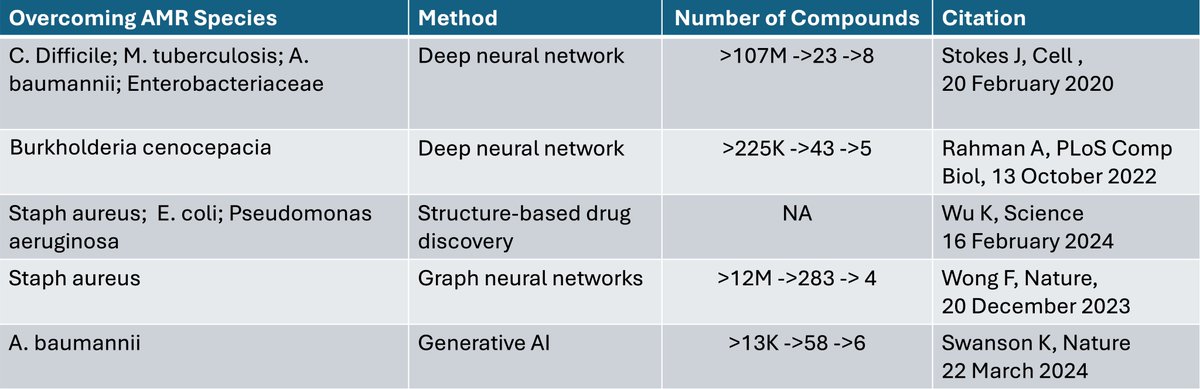
More than 1 million people are dying each year from antibiotic resistance, considered a global health emergency. The pharma industry is doing little to respond. Thankfully academic labs, using A.I. and structure-based discovery, are kicking in. My summary Table of recent progress
🆕@NatMachIntell
The WHO highest priority for a new antibiotic is for treatment of Acinetobacter baumanni.
Then came this generative #AI: 13,500 compounds --> 6 novel, potent small molecules, easily synthesized
https://t.co/KLovtP6aaK @KyleWSwanson@ItsJonStokes@james_y_zou
GENERATIVE AI ALERT...
Working with our amazing friends @james_y_zou and @KyleWSwanson, we developed SyntheMol, a generative AI model that designs novel antibacterial molecules that are synthetically tractable and cheap to make! LOVE YOU!
https://t.co/YT7PIoXVLV
...The PDF is freely available here! If you have any questions, send one of us an email. We're all pumped to help you get this running for your work!
https://t.co/bj7XaJr4E5
🧪🤖 Super excited to share Synthemol: a #genAI that not only designs new molecule drugs but tells us how to build each molecule in lab.
It designed 6 novel antibiotics that we synthesized in Ukraine and experimentally validated https://t.co/owgIIxvfV0 @NatMachIntell 🧵
A small AMR field is temporarily pretty awesome because I won't get scooped. But it's permanently pretty shit when life expectancy drops 20 years because we can't treat that little cut on your ankle.
https://t.co/xGX79CqUwC
If you're interested in ADMET prediction for drug discovery, please check out ADMET-AI, a free, open-source AI platform for large-scale ADMET prediction that I built with @GreenstoneBio and @james_y_zou. See the thread for more details and try it out at https://t.co/R4HvYdBmhC!
From discoveries here on campus to a trip among the stars, it was a big year for McMaster researchers. Here are some of the stories that got people talking in 2023 🔗https://t.co/feidepogKQ
I’ve seen lots of chatter about the intersection of ML and biology. Hype? Probably some. But surely not all. Our ability to create good biological data and use it properly will determine our ability to transform biology into an engineering discipline through ML. Or not. I dunno.
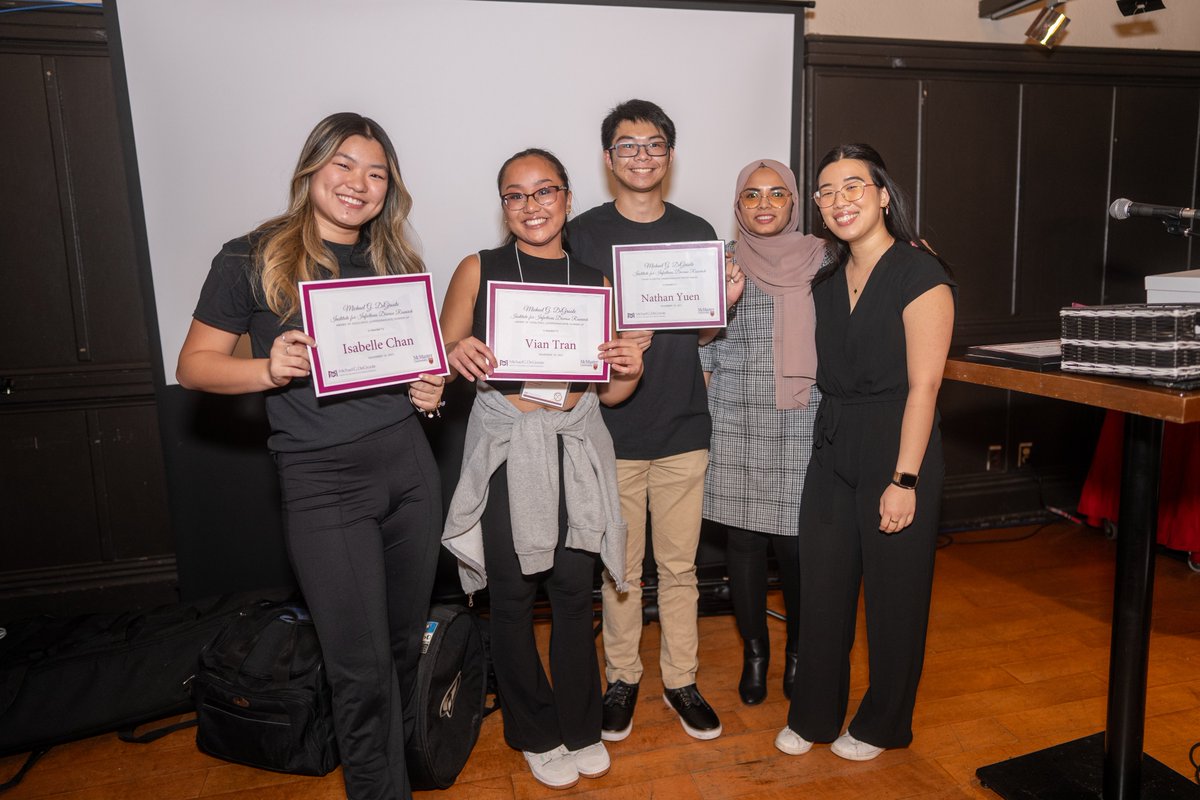
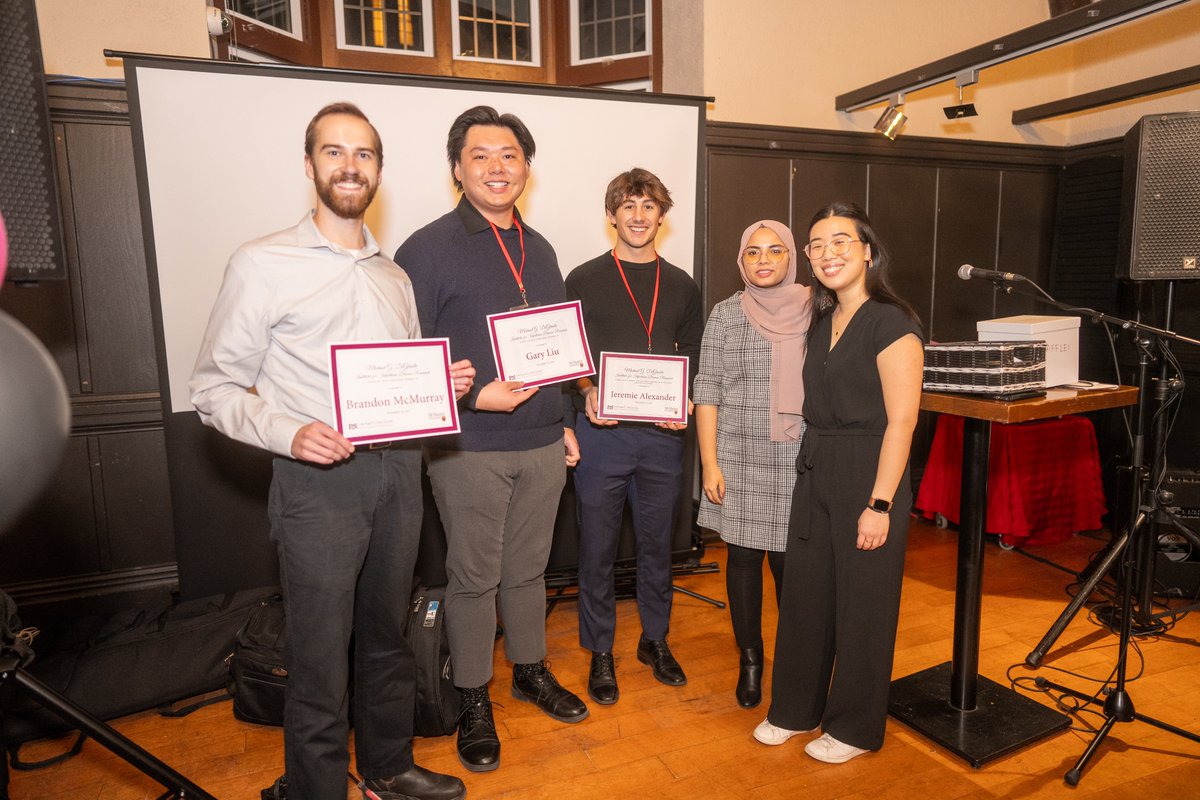
@gerryiidr @MsMacrophage@JohnWhitneyIIDR The 2023 Fisher Scientific Undergraduate Poster Award goes to Nathan Yuen of @Dr_Lori_Burrows' lab. Congrats also to our runners-up, Vian Tran and Isabelle Chan!
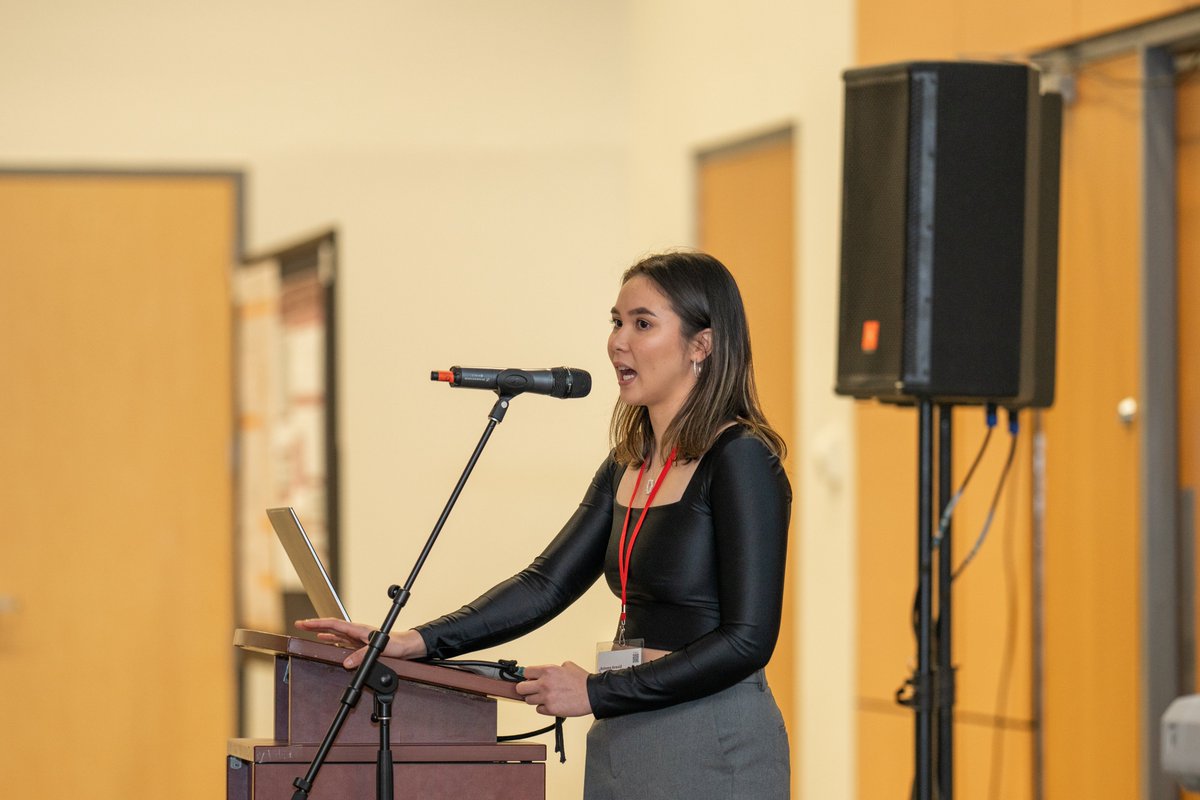
Congratulations also to Autumn Arnold of @ItsJonStokes' Lab! Autumn is the 2023 recipient of the Michael Kamin Hart Undergraduate Award for research into how AI can predict antibacterial activity in highly virulent and antibiotic-resistant bacterial pathogens.
I had the unique opportunity to write a piece for @macleans on the uses and limitations of AI in drug discovery. A lot of folks much more clever than me also wrote remarkably thought-provoking articles about the modern human experience with AI.
https://t.co/gtZDXRn5WM