So proud of the diabetes team here @unibirmingham and @CQehb for getting everything together to administer Teplizumab to the first person on the NHS.
This has taken years with lots of international collaborative working to become a reality.
We're delighted to hear that Queen Elizabeth Hospital Birmingham has treated its first person with teplizumab, following NHS approval earlier this year.
Teplizumab is the first disease-modifying treatment for type 1 diabetes and can delay the need to take insulin by an average of around three years.
This is an important step towards changing how we approach type 1 diabetes – moving from managing the condition after symptoms have appeared to intervening before someone needs to take insulin.
Congratulations to the team at Queen Elizabeth Hospital Birmingham!
Now let's make sure this is just the start.
Every eligible person, wherever they live, should have the opportunity to access teplizumab. This progress needs to be replicated across the UK.
Read the full story here: https://t.co/GIwJQEGF1Q
#Teplizumab #GBDoc #Research
🚨 We are hiring! We have TWO postdoctoral positions and one Research Associate position to join our team. Deadlines to apply is Nov15-22. Please see our website for details and how to apply:
https://t.co/oI0TJOPCF9
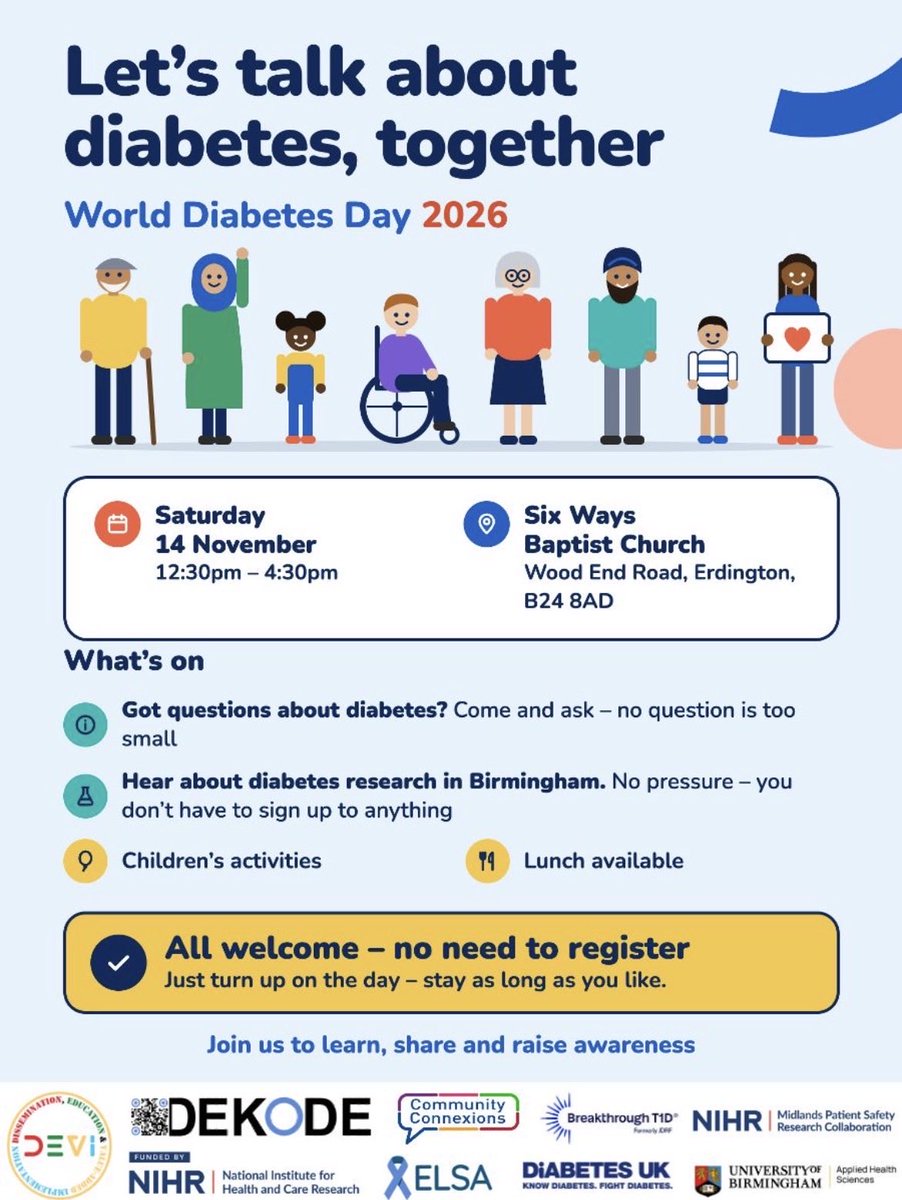
Come and join us on World Diabetes Day Saturday 14th November to learn more about the diabetes research we are doing at University of Birmingham and see how you can get involved!
#research#Birmingham#diabetes#diabetesawarenessmonth
Learn all about how we developed an interactive research activity and in person research event with young people living with T1D with the help of @britsocimm, @BT1DUK, @BioRadEducation kits, the Steve Morgan Foundation, and a team of fantastic people! https://t.co/HeO3rVR7TQ
Could the next generation of type 1 diabetes treatments come from better timing, better combinations, or better cells? Across the UK, researchers are working together in the #Type1DiabetesGrandChallenge to find answers.
They're asking:
- Could the time of day an immunotherapy is given make it more effective at slowing the immune attack?
- Could combining immunotherapies, to target different parts of the immune system, provide better protection for insulin-producing cells?
- How can we strengthen insulin-producing cells before transplantation so they're more likely to survive in the body?
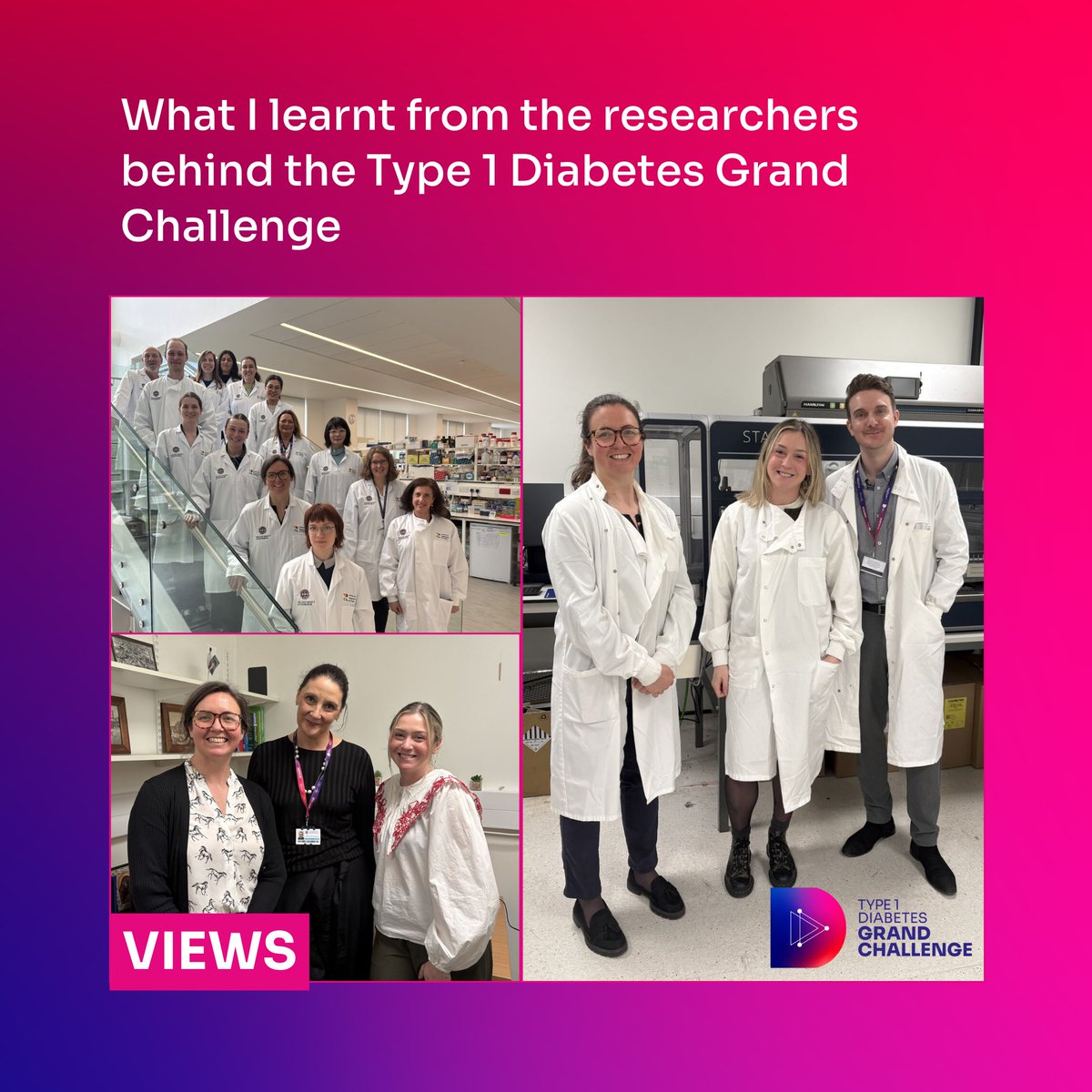
Mollie Hillis travelled from Birmingham to Edinburgh to meet the teams behind this research and discover how collaboration is accelerating progress towards new treatments. Because answering big questions takes big ideas - and, importantly, people working together.
Read more: https://t.co/Npz2nolDiI
#T1D #GBDoc #Research
@DiabetesUK
Does your family plan on joining us at our Discovery Day in London next Saturday? We'd love to hear from you! 👂
We're looking for families to join us for a quick and informal session, to help us understand the information and support that were most useful to you since diagnosis.
Your opinion will help us shape and improve the support we give to newly diagnosed families. 💙
We're incredibly thankful to The Bukhman Foundation for supporting our Community Engagement work!
Tap the link and sign up today: https://t.co/p5NxLe8IA0 🔗
#DiscoveryDay #GBDoc #BreakthroughT1D
We are recruiting three volunteers for the Scientific Advisory Council (SAC)🚨
The purpose of the SAC is to provide insightful, independent advice and critical opinions to Breakthrough T1D by guiding our research decisions, policies and position statements.
We are looking for:
- One expert by experience (18-22 y/o)
- One healthcare professional (dietitian)
- One clinical researcher
Find out more about these roles: https://t.co/n3XFG5gGJJ 🔗
Could the time an immunotherapy treatment is given make it more effective for people with type 1 diabetes?
That's the question Dr James Pearson and his team are exploring. Their research is investigating whether delivering treatment when protective immune cells (Tregs) are most 'awake' could improve its ability to slow or prevent the immune system from attacking insulin-producing cells.
It's an innovative approach that could help unlock more effective immunotherapies for type 1 diabetes.
Read more about the project here: https://t.co/iGRDCuGpt6
@DiabetesUK
#Type1Diabetes #GBDoc #Type1DiabetesGrandChallenge
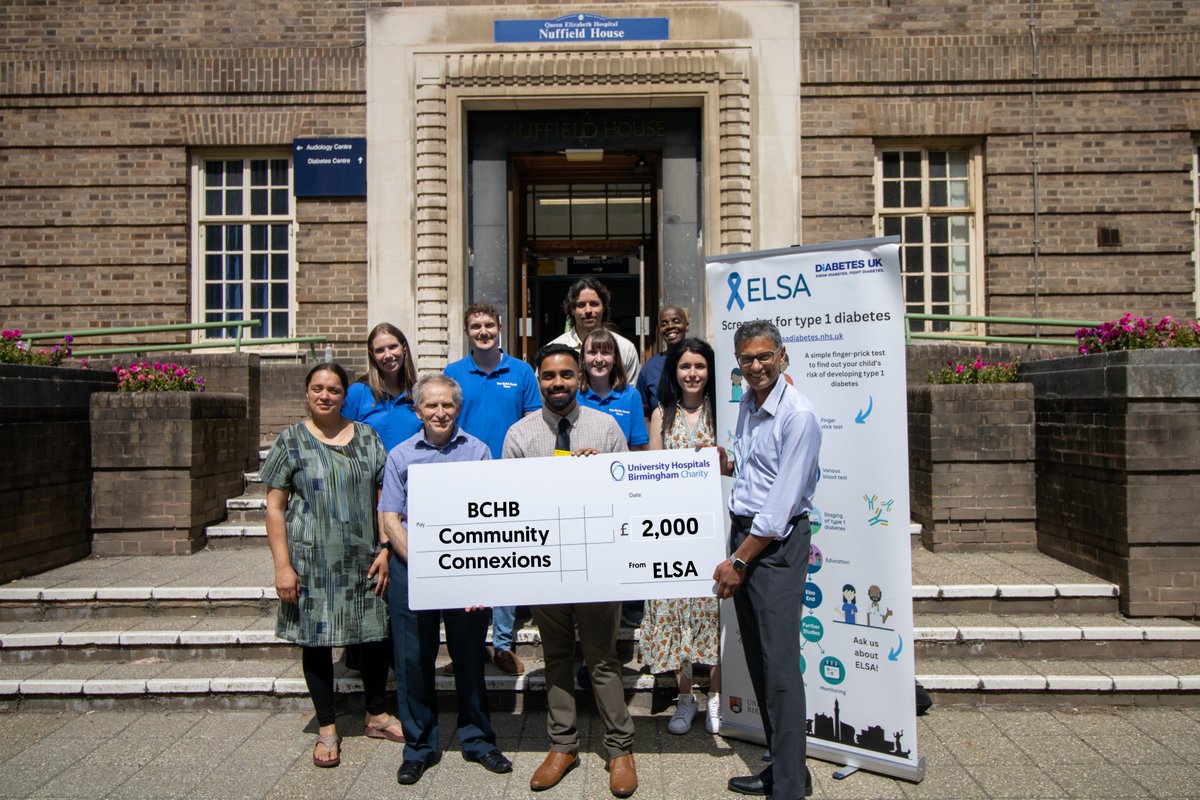
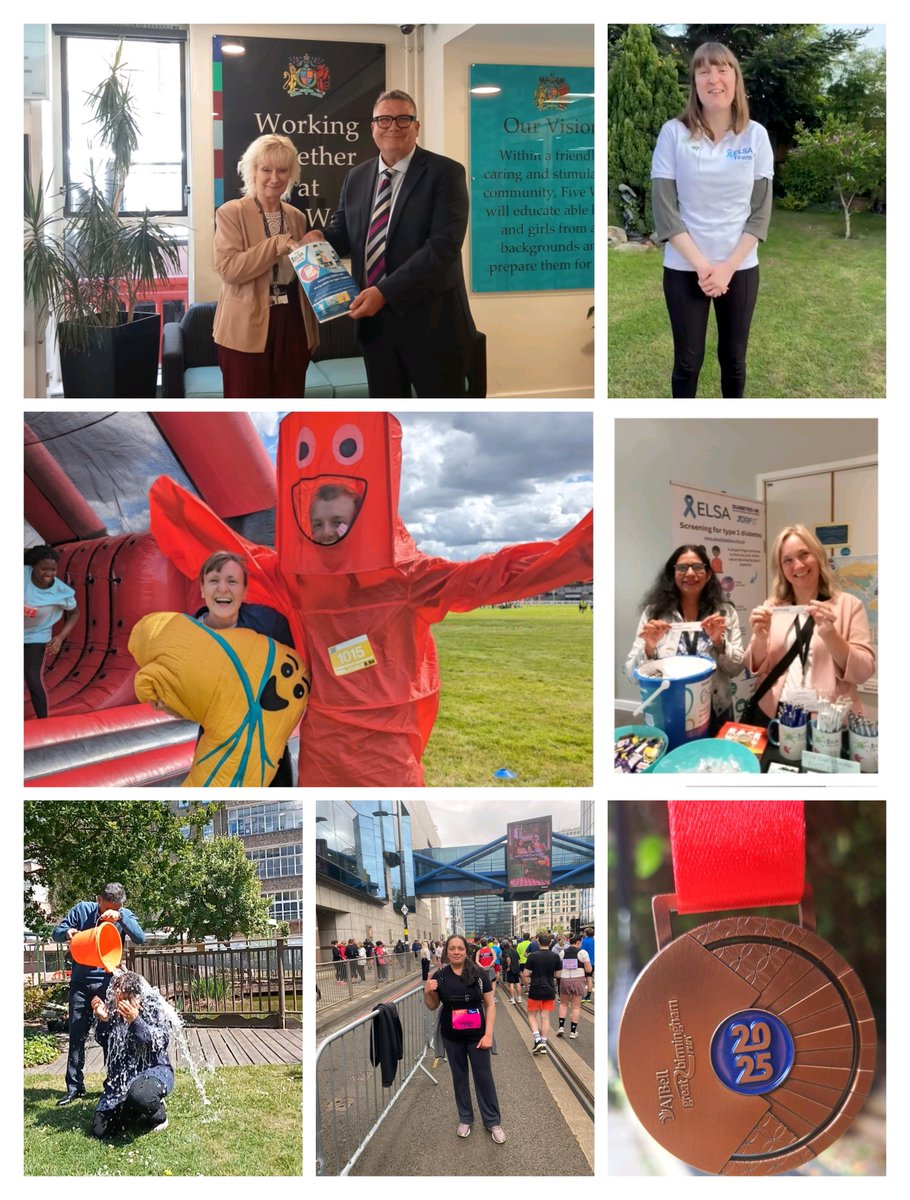
BCHC Community Connexions. We remain deeply appreciative of the £2,000 contribution received, from The ELSA study @elsadiabetes who had taken on fundraising challenges, which will support @BCHC_CommCX in organising approximately 2–3 further Community Clinics.
the ELSA study team Celebrated RCP Excellence in Patient Care Awards, these awards celebrate the outstanding contributions of RCP members and fellows worldwide, who are driving improvements in patient care through education, clinical practice, research and policy. @unibirmingham
Last month the NHS announced the approval of Teplizumab which is the first immunotherapy for #T1D & has been shown to delay onset. Part of this is finding people at risk. That’s where @T1DRA comes in – Sign up today to find out your risk of developing type 1 diabetes
Understanding T1D Burnout: National Survey: Before you decide whether or not to take part, it is important for you to understand why the research is being done and what it will involve 👇 click on link https://t.co/b15EoCKjyh
@JAPearsonLab@T1DRAdiabetes@parthnarendran