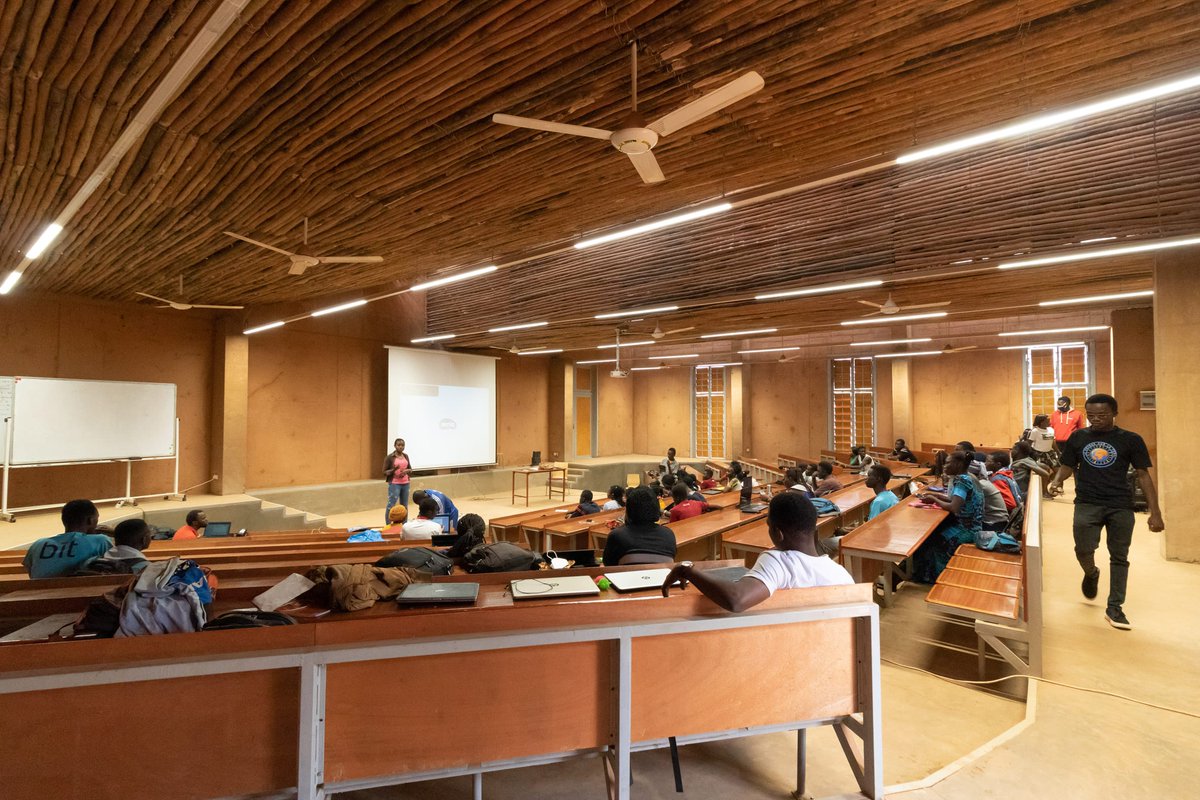
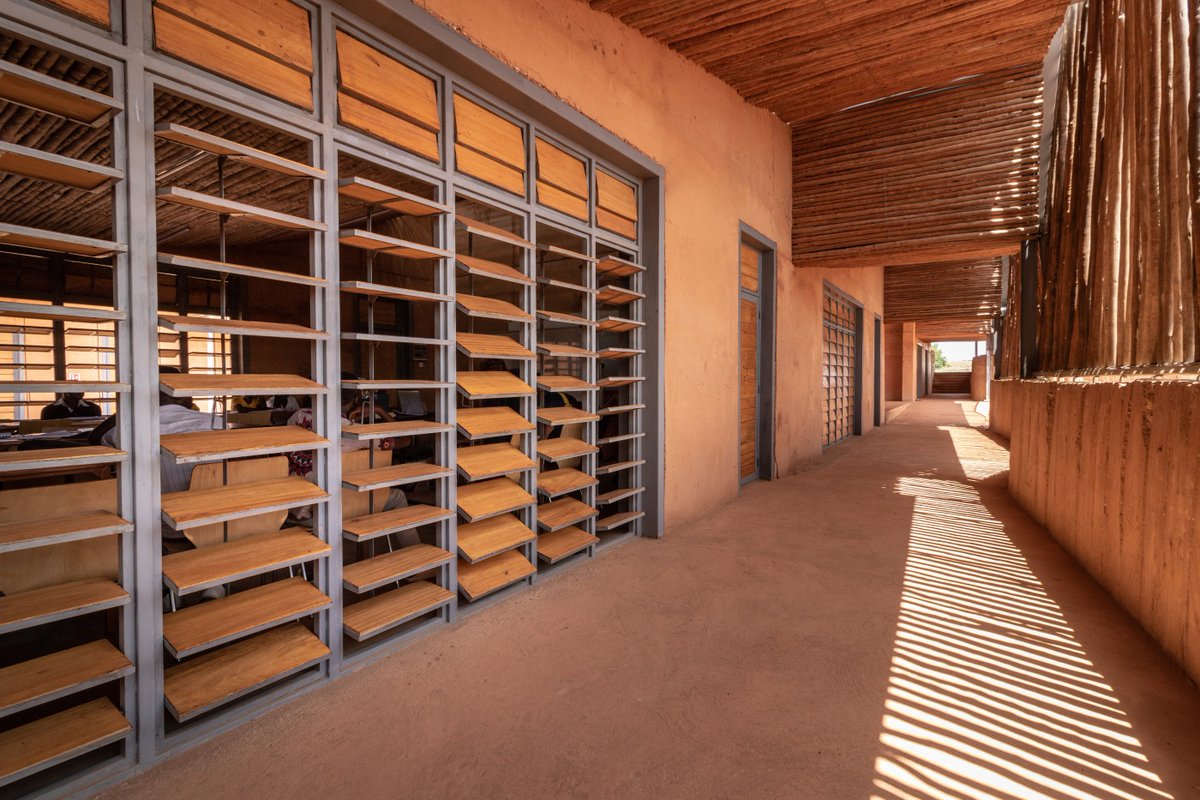
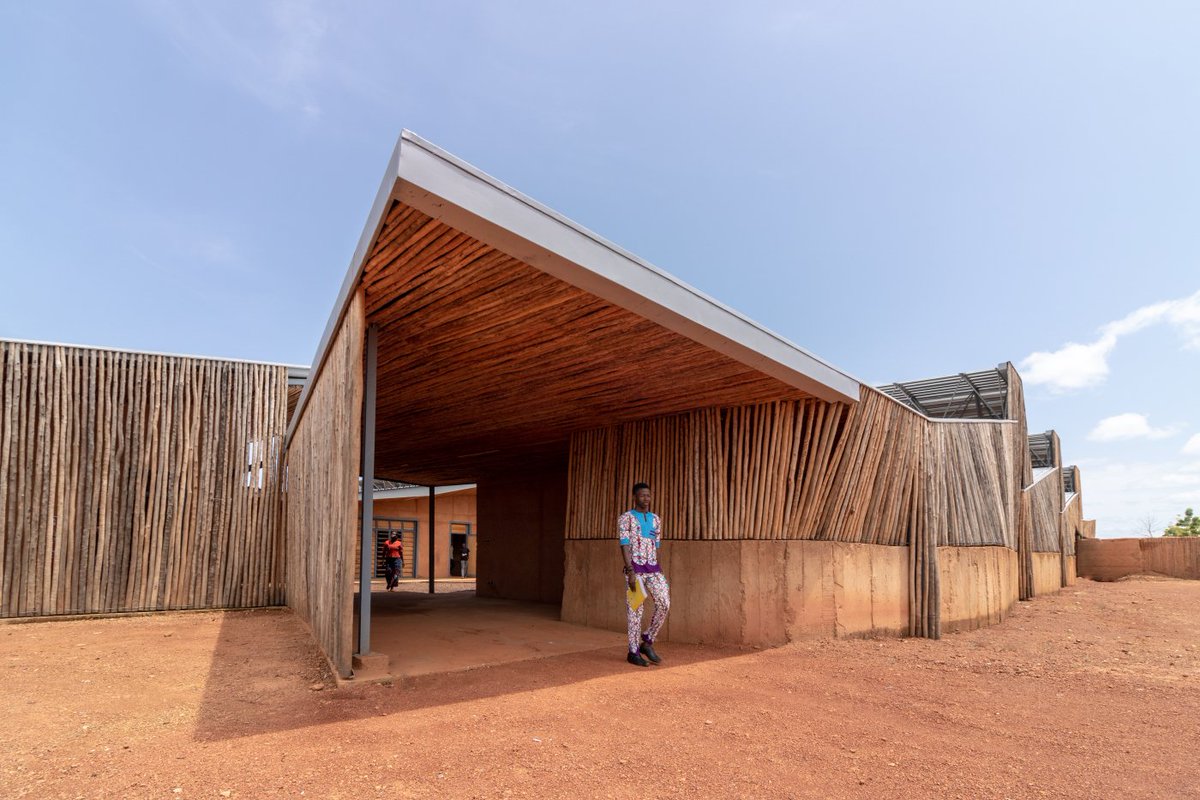
The Burkina Institute of Technology, designed by Diébédo Francis Kéré, uses modular clay-concrete structures, passive cooling, and water-harvesting landscaping to create a climate-resilient and cohesive campus in Koudougou.
#BurkinaFaso#Koudougou#FrancisKéré#KéréArchitecture
He didn’t have concrete. He didn’t have machines. He had community, earth, and vision. Francis Kéré built a school in his village using mud and local hands.
In 2022, he became the first African architect to win the Pritzker Prize.
#PritzkerPrize#EarthArchitecture#Vernacular
The Bangre Veenem School Complex by Albertfaus Architecture in Burkina Faso redefines education through sustainable, locally rooted design, blending minimal resources, passive climate control, and indigenous materials.
#Sustainable#BurkinaFaso#AlbertFaus#Eco#EducationForAll
🚨 Why Don’t Architects Speak Out Against Toxic Work Culture? Architecture is a passion. But does it have to come at the cost of suffering?
💬 Have you ever experienced a toxic work culture in an architecture firm? How did you handle it?
The Gando School Library by Kéré Architecture is a harmonious fusion of tradition and #innovation, where local materials, cultural heritage, and sustainable design create a breathing space for learning, storytelling, and community gathering in the heart of #BurkinaFaso.
#Design
The Blue Mosque of Tabriz, commissioned in 1465 by Jahan Shah of the Kara Koyunlu dynasty and funded by his wife, Khatun Jan Begum, is a masterpiece of Islamic architecture. It features stunning azure tiles, intricate mosaic designs. #IslamicArchitecture#Persian#Timurid#Design
The village Podoko of the Oudjilla chiefdom, located at the foot of the Mandara Mountains in northern Cameroon, showcases a remarkable architectural heritage that reflects the ingenuity and culture of the Podoko people.
#Architecture#CulturalHeritage#SustainableDesign
Mosgum huts, traditional to the Mousgoum people of Cameroon and Chad, feature cone-shaped mud structures with ridged patterns. These patterns strengthen walls, shed rainwater, and provide footholds for repairs.
#SustainableDesign#VernacularArchitecture#MosgumHut#EcoFriendly
Embracing natural materials bridges past and present, preserving historic craftsmanship while fostering innovative, sustainable solutions that honor both ecological integrity and architectural authenticity.
#architecture#design#africa#africanfood#construction
The Dogon granaries of Mali are a remarkable example of architectural harmony, blending practicality, culture, and nature. Built with sun-dried mud, timber, and thatch, these granaries are ingeniously designed to protect grains from pests and moisture.
#Mali#Heritage#African
African art is deeply rooted in patterns, which are a central part of its cultural identity. This is evident in the decorated houses found across many regions in Africa. For instance, in Burkina Faso, the walls of homes are adorned with rich and meaningful designs.
#AfricanArt
The traditional #architecture of certain regions in #Africa, built with natural materials such as mud, wood, thatch, and plant fibers, is often unfairly regarded as poor or outdated. Yet, it represents a visionary modernity because it harmonizes perfectly with its #environment.