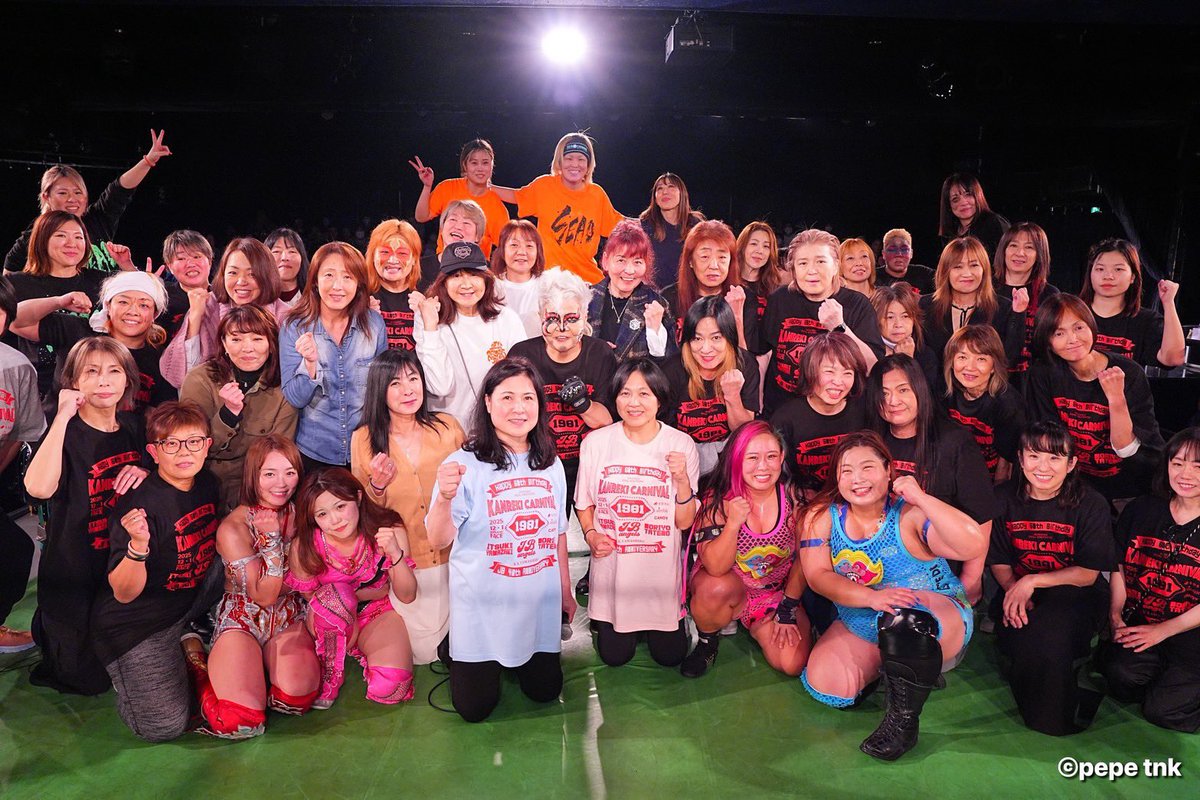
No matter the match, no matter the era, the Angels were never afraid to take flight. When you have the will to win, the rule is simple: Angels never run away from life — they fly towards it. #JBエンジェルス forever!
#立野記代#山崎五紀#JBA4HoF
Some throwback shots of the old days!✨
Before becoming a dominant force in the ring, you still had to help set it up first. No matter how big the show or how big the stars, everyone pitched in. 懐かしいですね!
#立野記代#山崎五紀#JBA4HoF
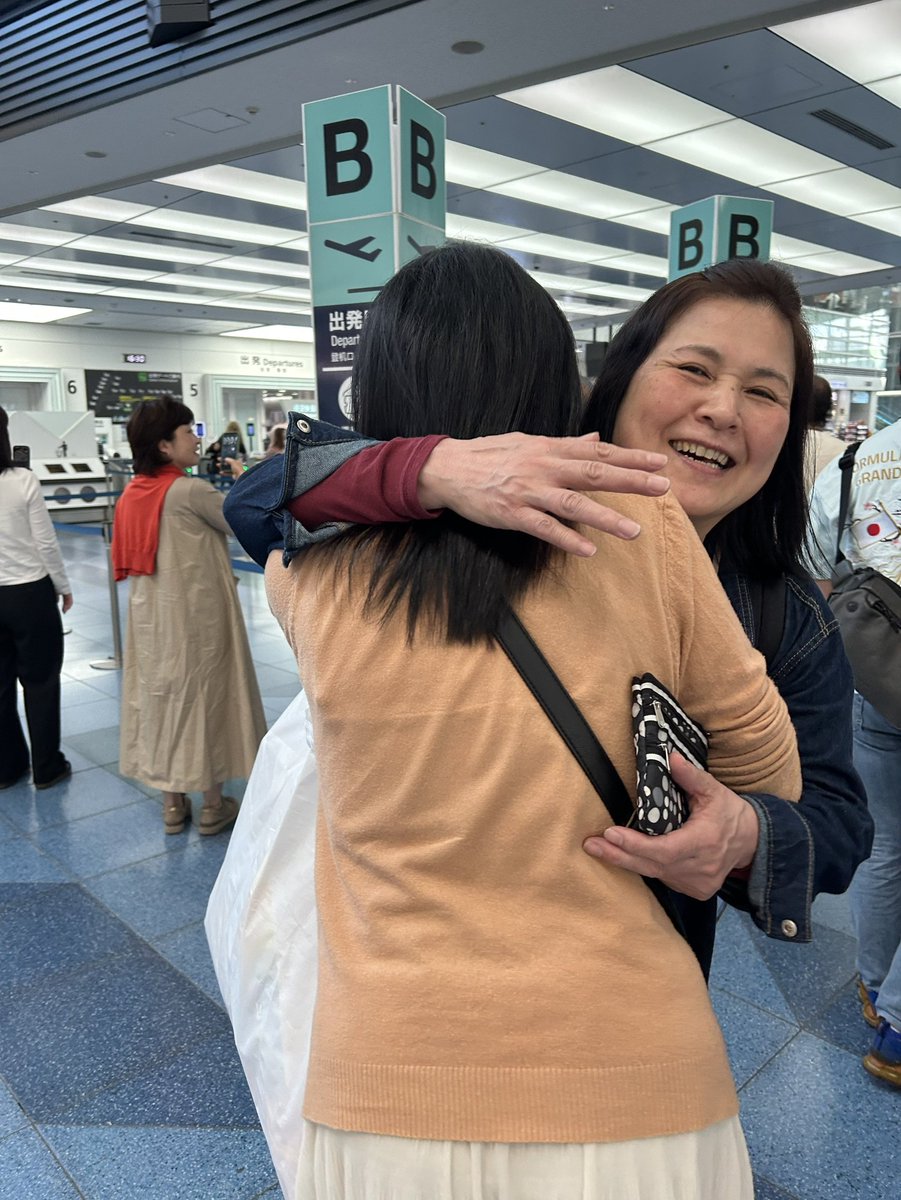
The other day there was a @sukeban_world (女子プロレス / women’s wrestling) match in Manhattan, NY, and today Yuu-chan @yuu_tjp from Team 200kg came to Gosuke Restaurant to visit.
We first met at JB’s Kanreki Carnival on December 1st last year, but just as people around her (fellow professionals) had said — she really is as cute 😍 and wonderful a competitor as her reputation suggests 😃
Thank you so much for going out of your way to come say hello.
先日マンハッタンNYでスケバンの試合があり今日team200キロの優ちゃんがGOSUKEレストランに来てくれました。
昨年12/1JBのカンレキカーニバルで初めて会いましたが周りの方から(同業者)評判通りの可愛い😍素晴らしい選手ですね😃
わざわざ挨拶に来てくれて有難う御座います。
The best there is, the best there was, and the best there ever will be!
@BretHart was so nice to us during our WWF run. An amazing wrestler and equally amazing person. 🙏🏼🙏🏼
#BretHart#Hitman#NoriyoTateno#立野記代#WWF
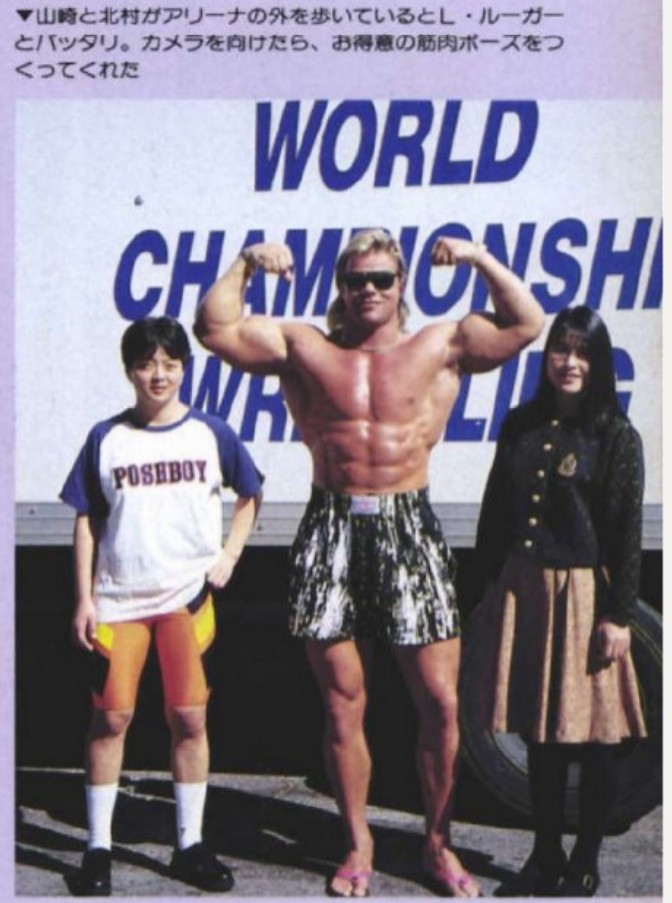
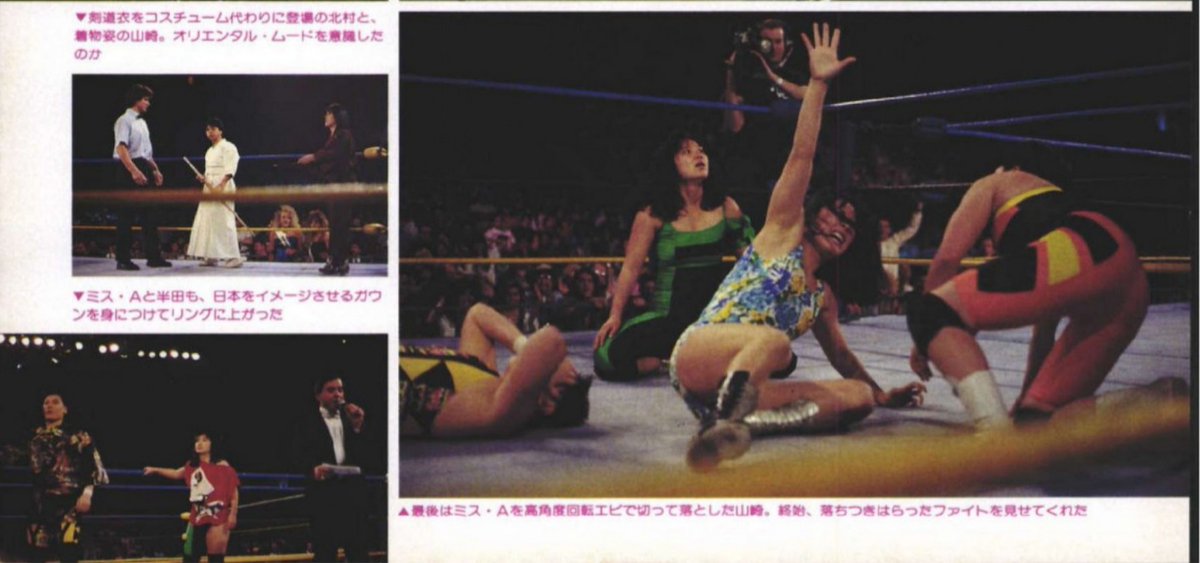
@JBombAngels This was the first time an all-Japanese women’s tag team match had ever been featured on American pay-per-view television. Itsuki Yamazaki of course had appeared years earlier during her 1987–1988 run in the WWF alongside Noriyo Tateno as the legendary Jumping Bomb Angels, but even then they had never competed against Japanese opponents on American PPV. WCW was presenting something completely different here — full blown joshi tag team action.
At WrestleWar ’91, tucked between the chaos of WarGames, Vader vs. Hansen, and the breakup of Doom, WCW quietly presented something many American fans had never truly seen before — Japanese women’s wrestling performed at full speed, full force, and with absolutely no hesitation.
Itsuki Yamazaki & Mami Kitamura vs. Miki Handa & Miss A marked a rare showcase of joshi tag team wrestling on American PPV television, and from the opening seconds they absolutely beat the hell out of each other.
WCW barely gave viewers any introduction to these women. Outside of Yamazaki — known in America from the legendary Jumping Bomb Angels tag team in the WWF — neither Jim Ross nor Dusty Rhodes seemed especially confident identifying who was who. WCW even misspelled Yamazaki’s name on her onscreen graphic. Dusty, naturally, decided the easiest solution was simply to support Miss A because she had the simplest name to pronounce.
As the referee checked for foreign objects before the bell, Dusty delivered one of the greatest completely unhinged lines in commentary history:
“She’s got a tremendous costume on her and her partner is missing one leg on hers, but they both look good!”
The match instantly exploded into chaos. Miss A and Handa jumped their opponents before the bell and the four women launched into a wild brawl. Yamazaki quickly showed flashes of the speed and athleticism that made the Jumping Bomb Angels so revolutionary years earlier, countering Miss A with flying wristlocks and rapid movement that looked completely different from the style most American women’s wrestling audiences were used to seeing.
Then the stiffness started.
Miss A unloaded vicious kicks into Kitamura in the corner, suplexes were snapped off with frightening force, and nearly every strike looked like it landed flush. Handa and Kitamura traded heavy suplexes while Yamazaki flew around the ring with dropkicks, rolling headbutts, missile dropkicks, and quick counters.
Dusty Rhodes on commentary somehow elevated the entire experience even more. As Yamazaki connected with a rolling headbutt, Dusty casually declared:
“That headbutt was right through that cross your heart bra situation there.”
Later, while Miss A brutalized Yamazaki with corner kicks that JR described as “submission karate kicks,” Dusty joked that maybe setting Jim Ross up on a date with Miss A during the upcoming WCW/New Japan Supershow might not be such a good idea after all.
Underneath the comedy, though, the match genuinely shocked the crowd with its intensity. These women wrestled with a level of physicality that American audiences rarely saw from female wrestlers in 1991. Northern lights suplexes, backdrop suplexes, fisherman’s suplexes, missile dropkicks, top rope clotheslines — the pace barely slowed and every exchange looked violent.
The finish came suddenly and perfectly. After Kitamura connected with a top rope clothesline on Miss A, Yamazaki caught her in a quick roll-up seemingly out of nowhere for the pinfall victory.
And then something unusual happened.
The crowd gave all four women a standing ovation.
Not out of politeness. Not because WCW told them to care. They earned it.
For a few minutes in Phoenix, Arizona, a WCW audience got a crash course in joshi wrestling — hard-hitting, fast, innovative, and years ahead of its time. Long before women’s wrestling in America was regularly treated as elite athletic competition, these four women walked into WrestleWar ’91 and quietly stole the show.