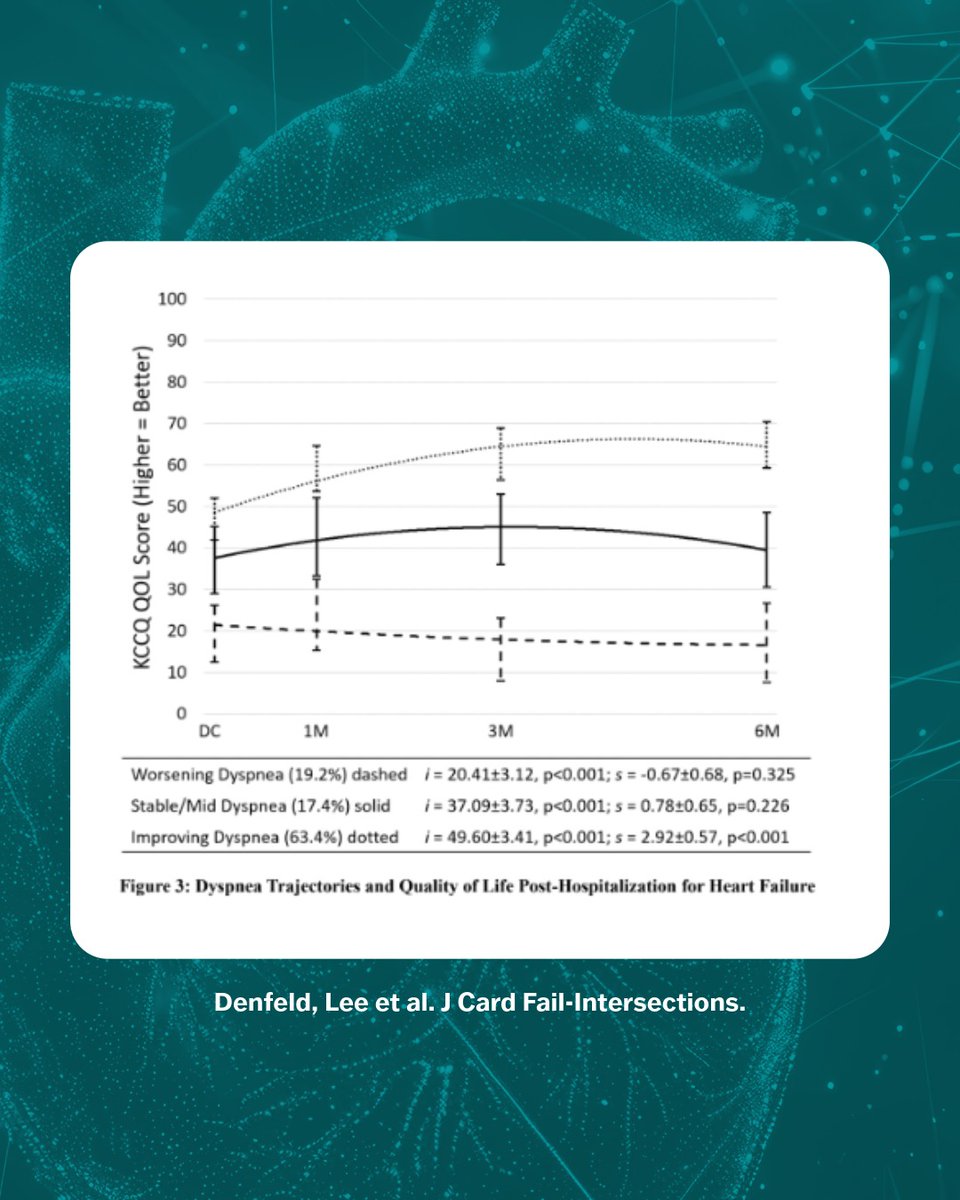
How does dyspnea evolve after HF hospitalization?
In this longitudinal cohort study, over 6 months, 63% improved, 17% remained symptomatic & 19% worsened. Less favorable trajectories tracked with greater fatigue, sleep, pain, depression & anxiety. 💜 #HFSASimPub
🔗👇
🔎 Could wtATTR-CA be recognized years earlier?
In 182 patients, extracardiac manifestations🩻 were nearly universal. CTS, spinal stenosis & trigger finger were common, with related surgeries occurring 7–10 years before cardiac diagnosis. #HFSASimPub
🔗 https://t.co/hNqbetuy0j
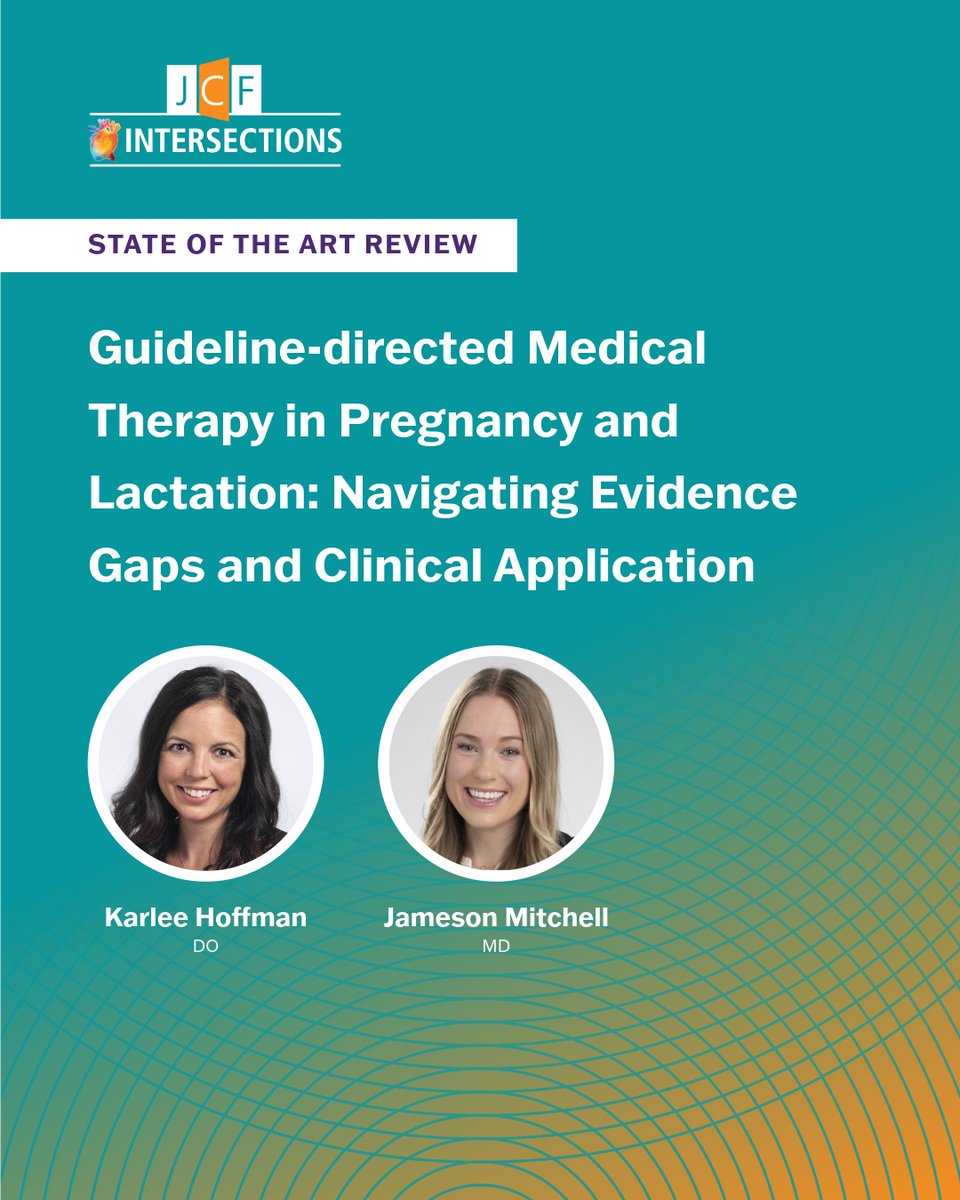
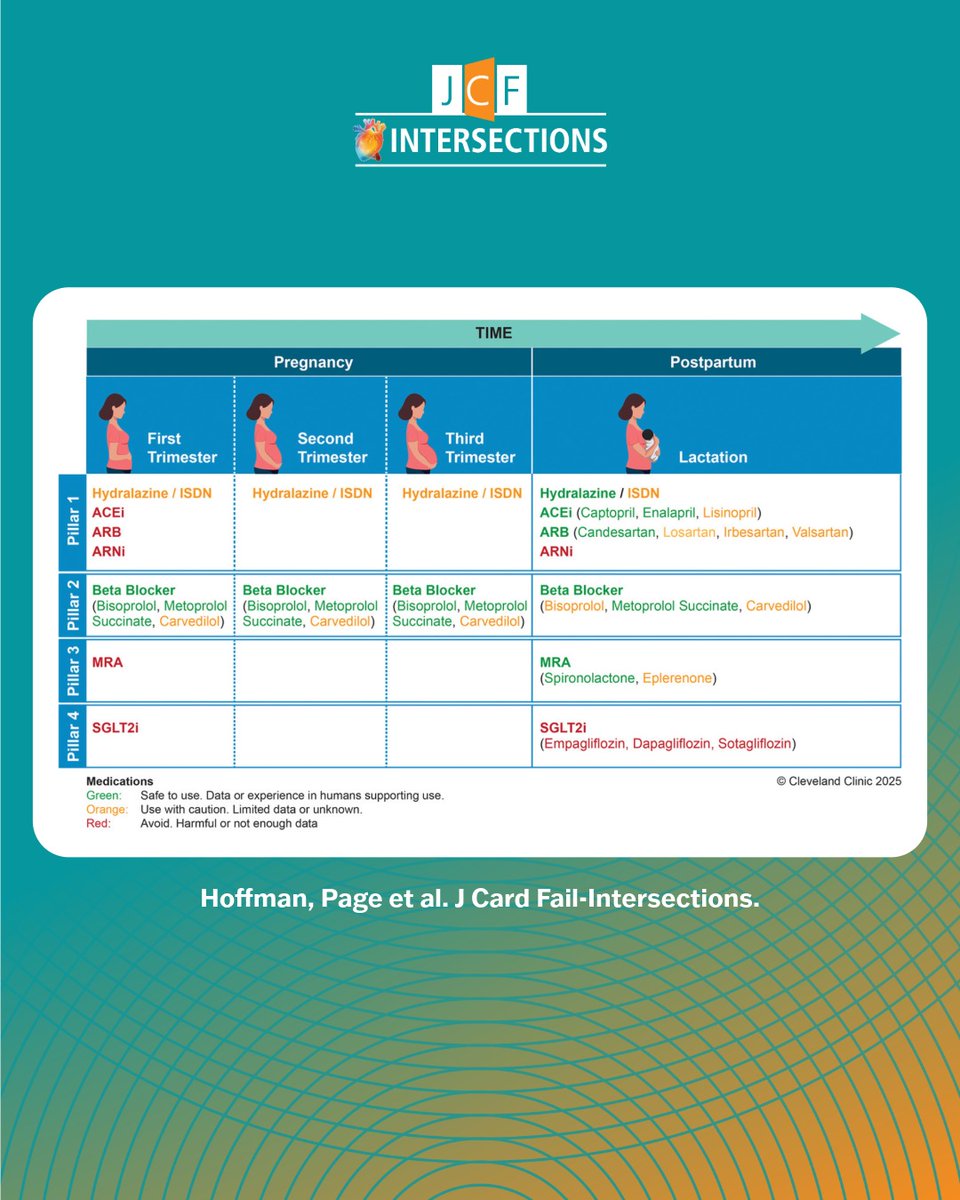
Heart failure doesn't pause for pregnancy🤰, but many HF medications do. 💊🫀
This State-of-the-Art review provides a practical guide to GDMT across preconception, pregnancy, postpartum & lactation ... balancing maternal health with fetal safety. 🤱
🔗 https://t.co/hn51cF97PL
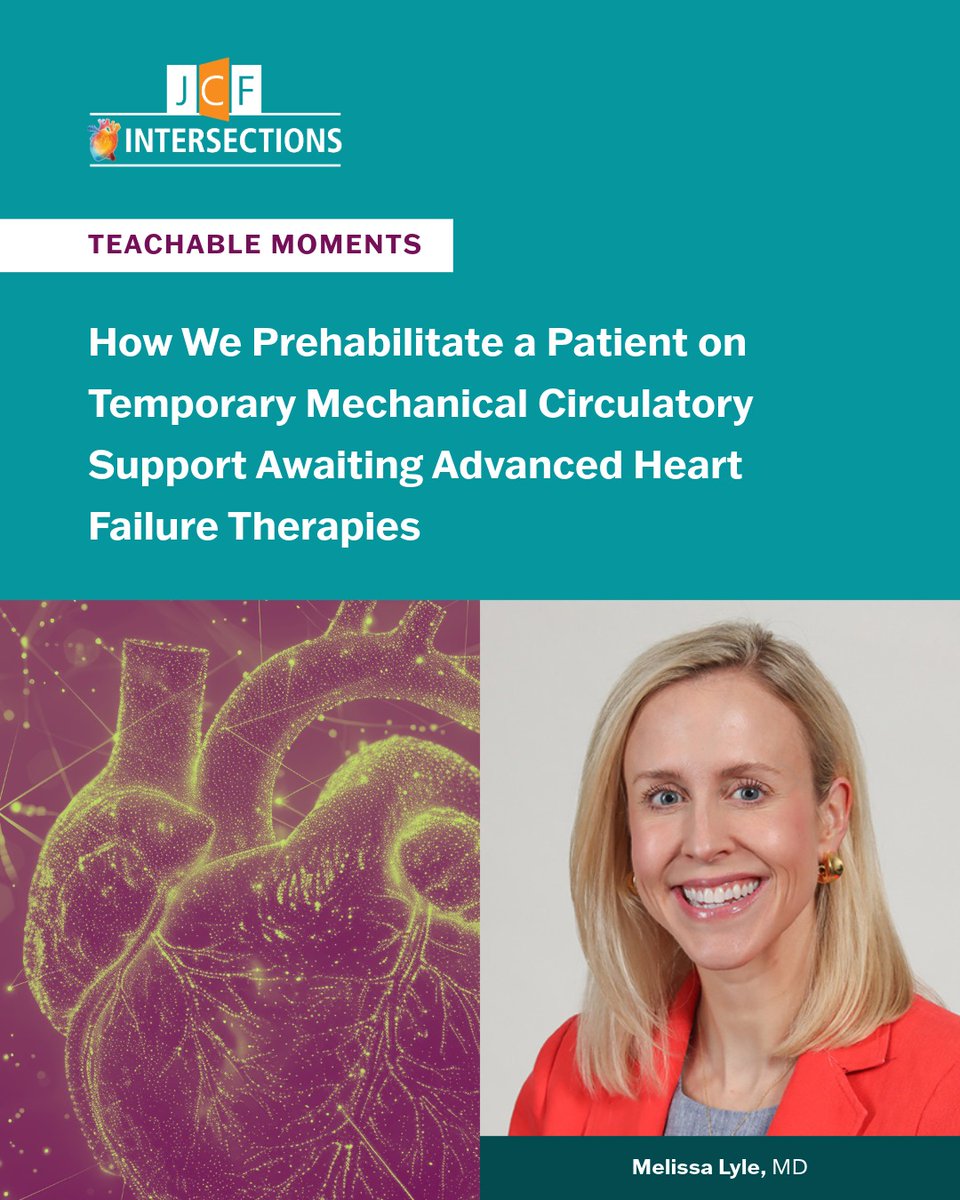
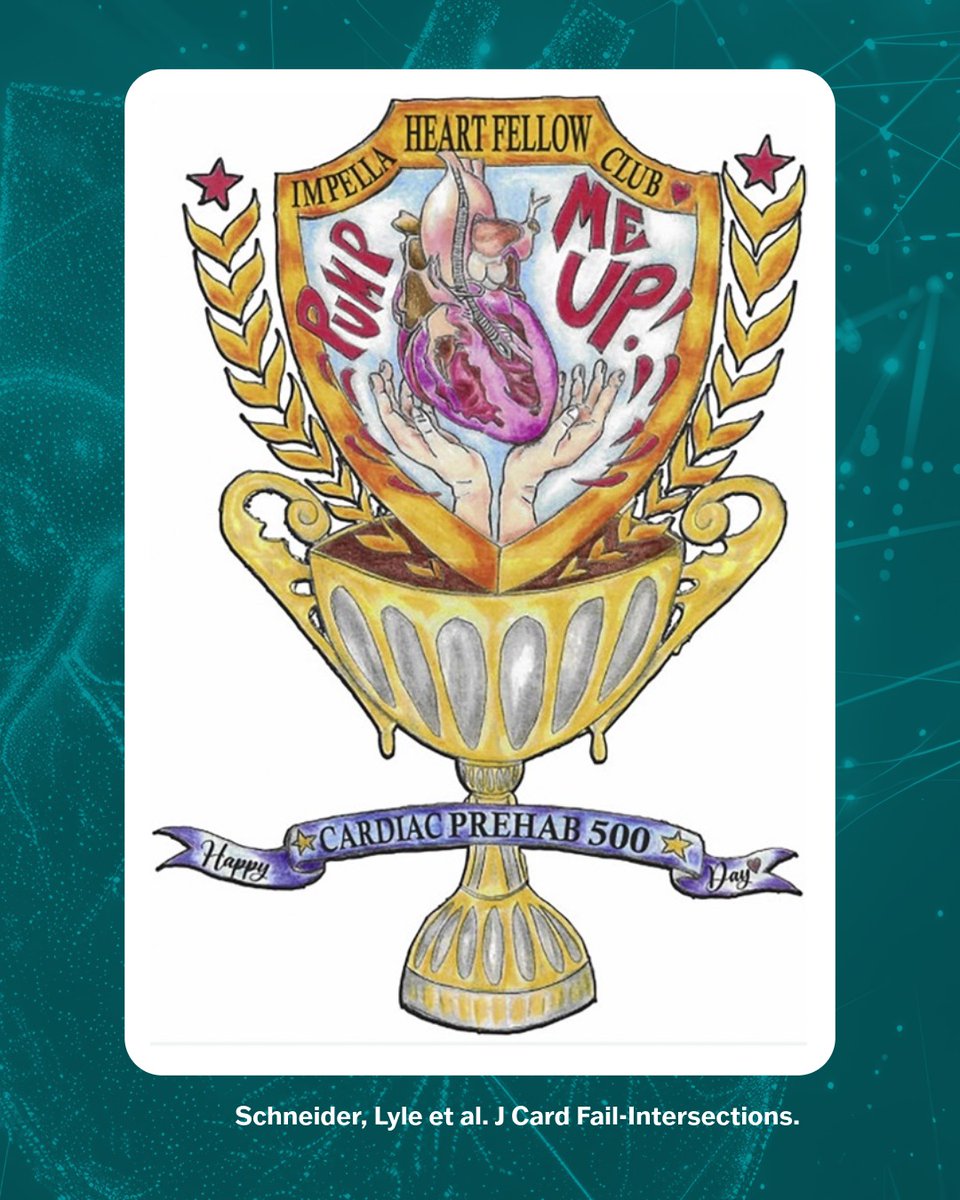
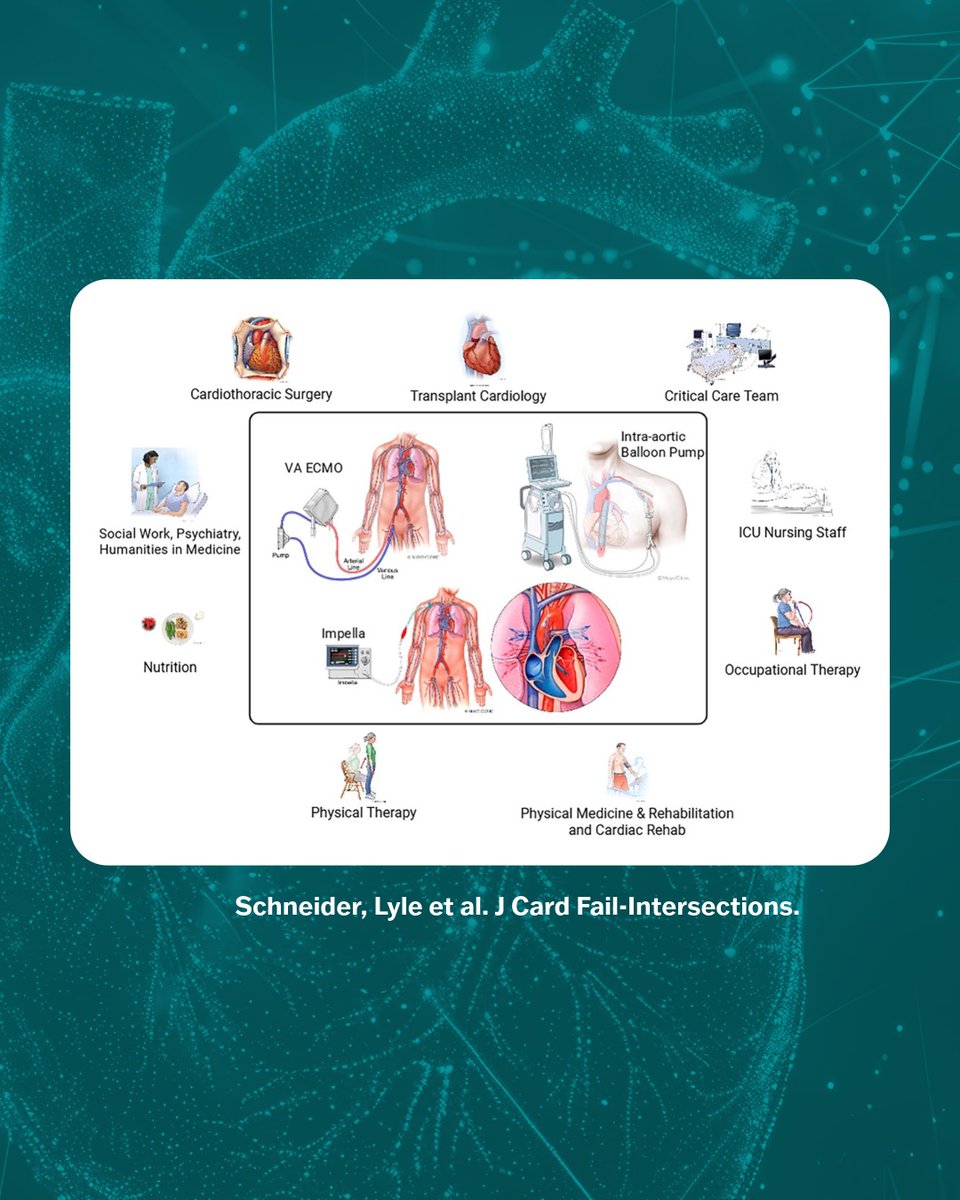
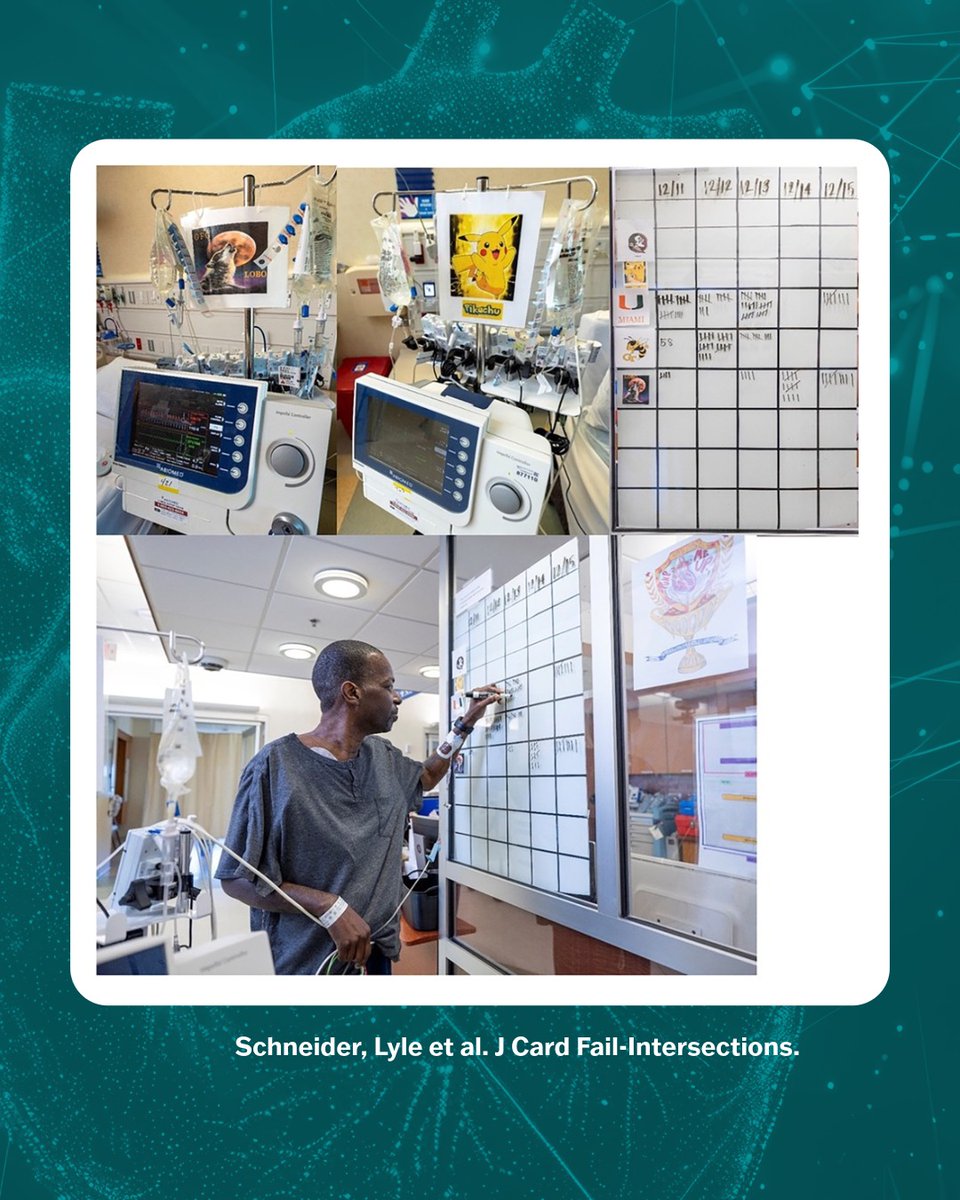
💪 What if time on temporary MCS wasn't just spent waiting for LVAD or transplant, but preparing for it?
This Teachable Moments article explores “prehabilitation”: building physical, psychological & emotional readiness for advanced HF therapies. 🫀
🔗 https://t.co/7WSQRyj1Ta
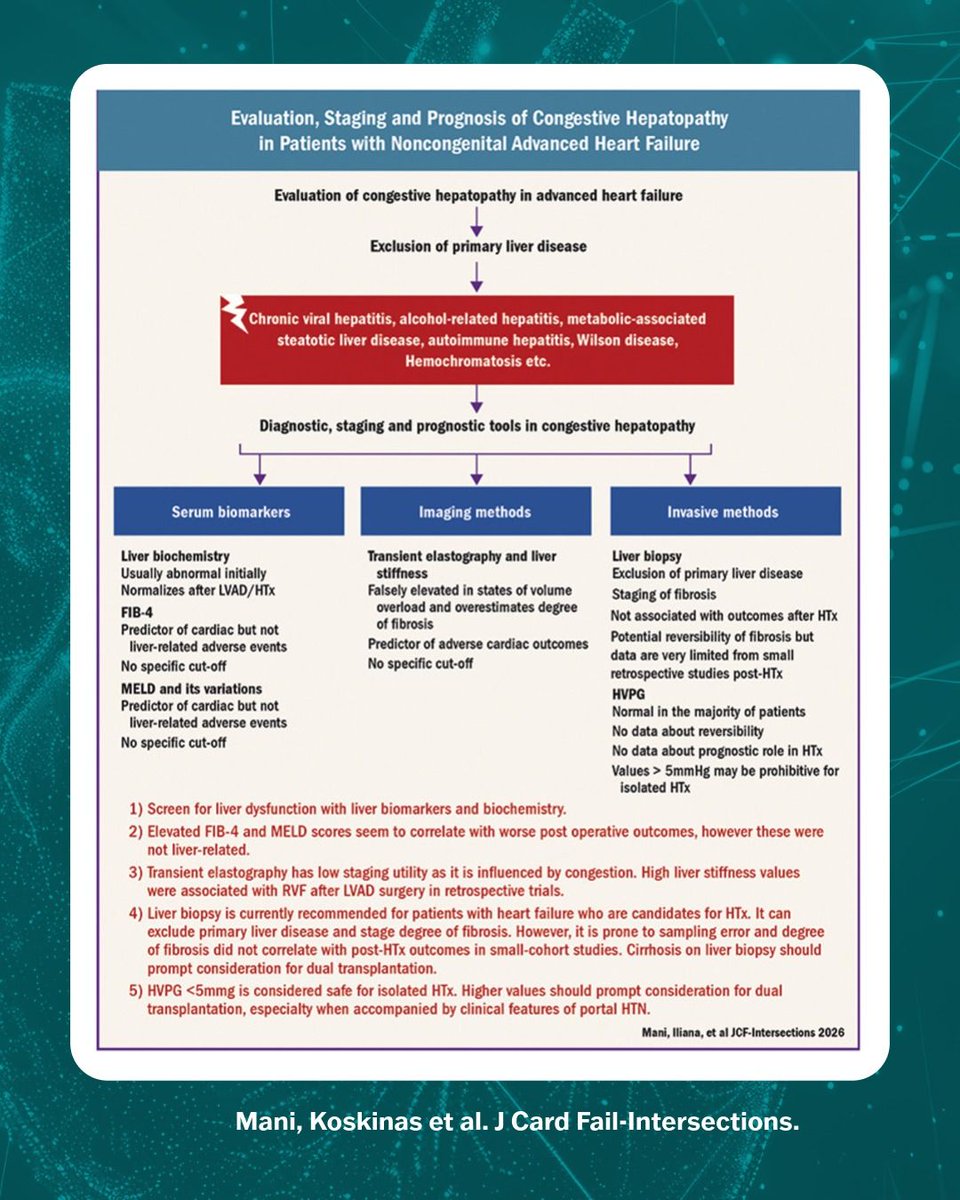
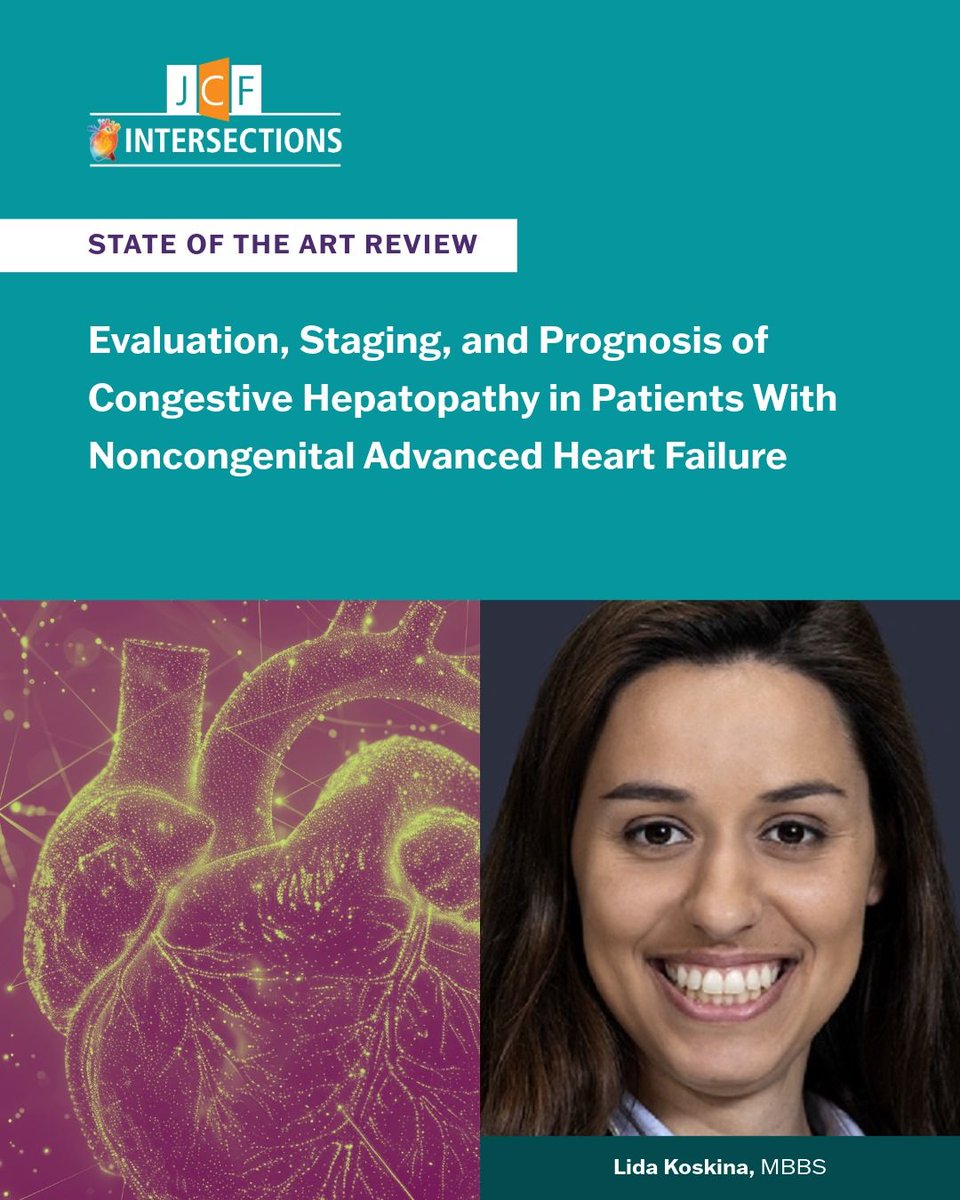
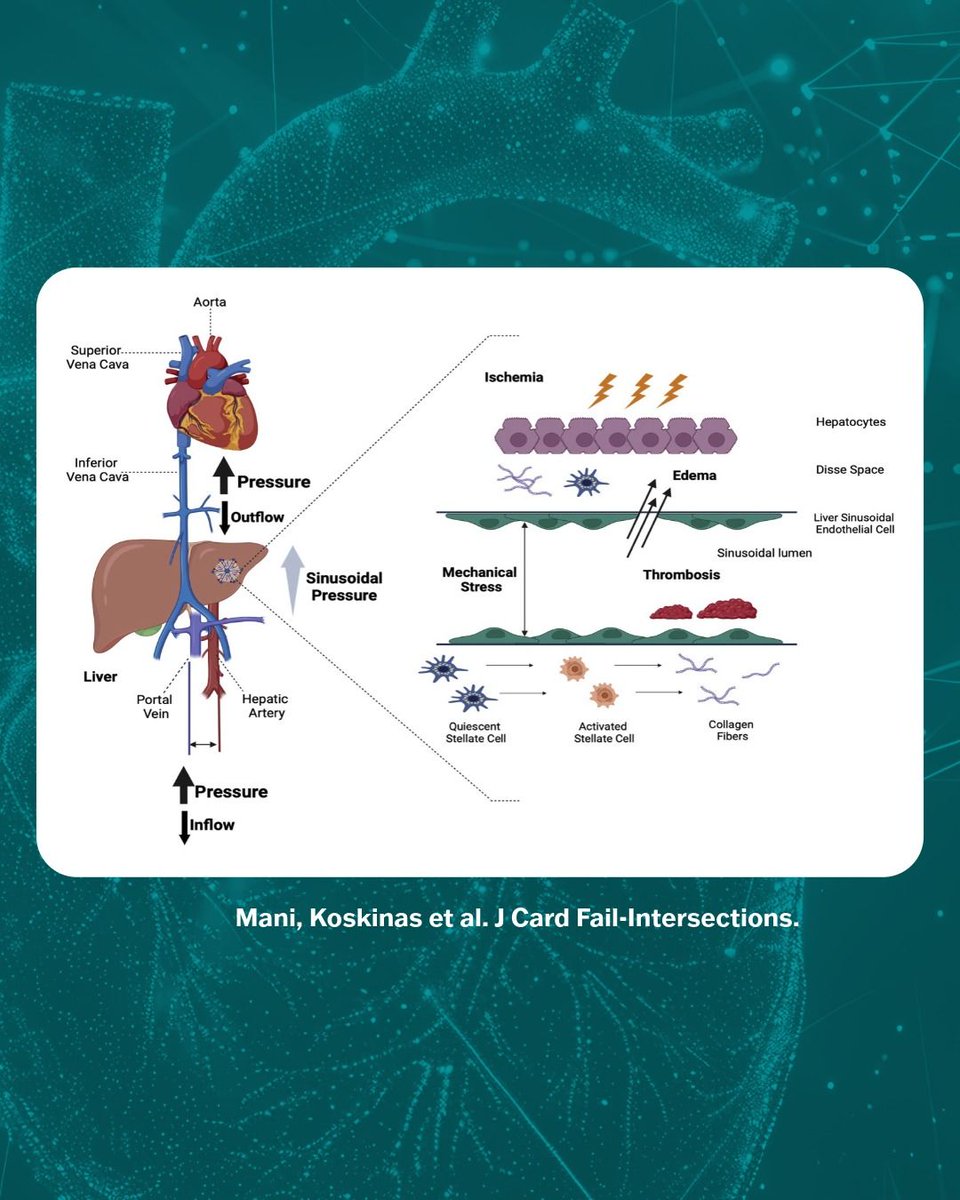
How should we assess congestive hepatopathy in advanced HF?
Conventional liver tests can be misleading. This State-of-the-Art review explores multimodality assessment, including biopsy & HVPG, and individualized heart vs heart-liver transplant decisions.
https://t.co/ioASmkSTX9
🚨New Science alert!
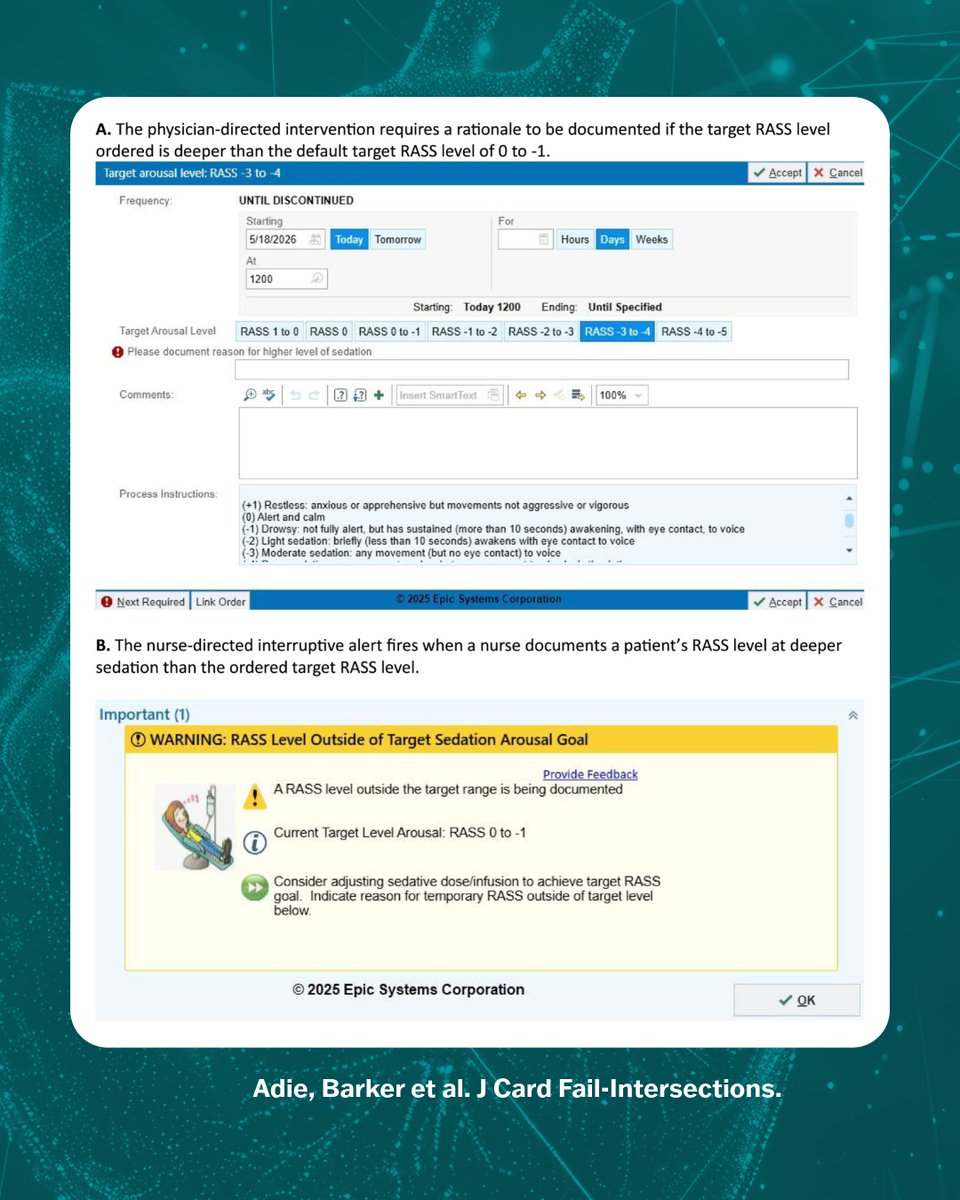
💻 Can an EHR nudge reduce deep sedation in the CICU?
A clinical decision-support tool reduced early deep sedation😴 by ~6 hours in the CICU. But without improvement in ventilation duration, ICU stay, tracheostomy, or survival.
🔗 https://t.co/UuuxZcaTPB
📝Editorial perspective: Is less sedation always better in the CICU?
Deep sedation may offer physiologic benefits in selected cardiac patients, including afterload reduction & arrhythmia control. Maybe the question is: Who needs deeper sedation, and when?
🔗👇
Stay curious this September. 🫀
The latest issue of JCF-I is out now, with new perspectives and conversations designed to challenge thinking, encourage learning, and connect the heart failure community.
See what’s new: https://t.co/c5PZ2ZGvyb
#HeartFailure#Cardiology
At JCF-Intersections, we believe in collaborative research looking at the intersections of heart failure and medical care.
Let's work together to advance patient care!
https://t.co/ng2PgnucOQ
#Cardiology#HeartFailure
Already reviewed, but rejected?
💡 Don’t waste the effort. Submit to JCF-I Express: Court of Appeals for expedited review based on prior peer feedback from a non-JCF Journal.
✅ No momentum lost
👉 https://t.co/QxYhyUwUrX
Submitting to JCF-Intersections? No need to format perfectly at first!
Our Your Paper Your Way policy lets you submit in any format.
Format later—focus on the research now.
💡 https://t.co/ng2PgnucOQ
We accept prior reviewer feedback and your revisions, leading to a faster editorial decision.
✔ Save time
✔ Keep momentum
✔ Respect your prior effort
Start here ➡️ https://t.co/QxYhyUwUrX
Your research deserves a second chance—without starting from scratch.
If your cardiology manuscript underwent detailed peer review but wasn’t accepted at a non-JCF journal, submit it to JCF-I Express: Court of Appeals.
🔗👇
Stay up to date with the latest research on the intersections of cardiovascular care.
Follow JCF-Intersections for cutting-edge research and insights.
https://t.co/ng2PgnucOQ
#Cardiology#HeartFailure
🫀How would you reimagine the CICU?
This Perspectives article envisions a data-driven, human-centered CICU built on 3 pillars: clinical care, research & quality improvement, and education, leveraging AI and predictive analytics to deliver smarter care.
🔗https://t.co/7VqanyMPwn
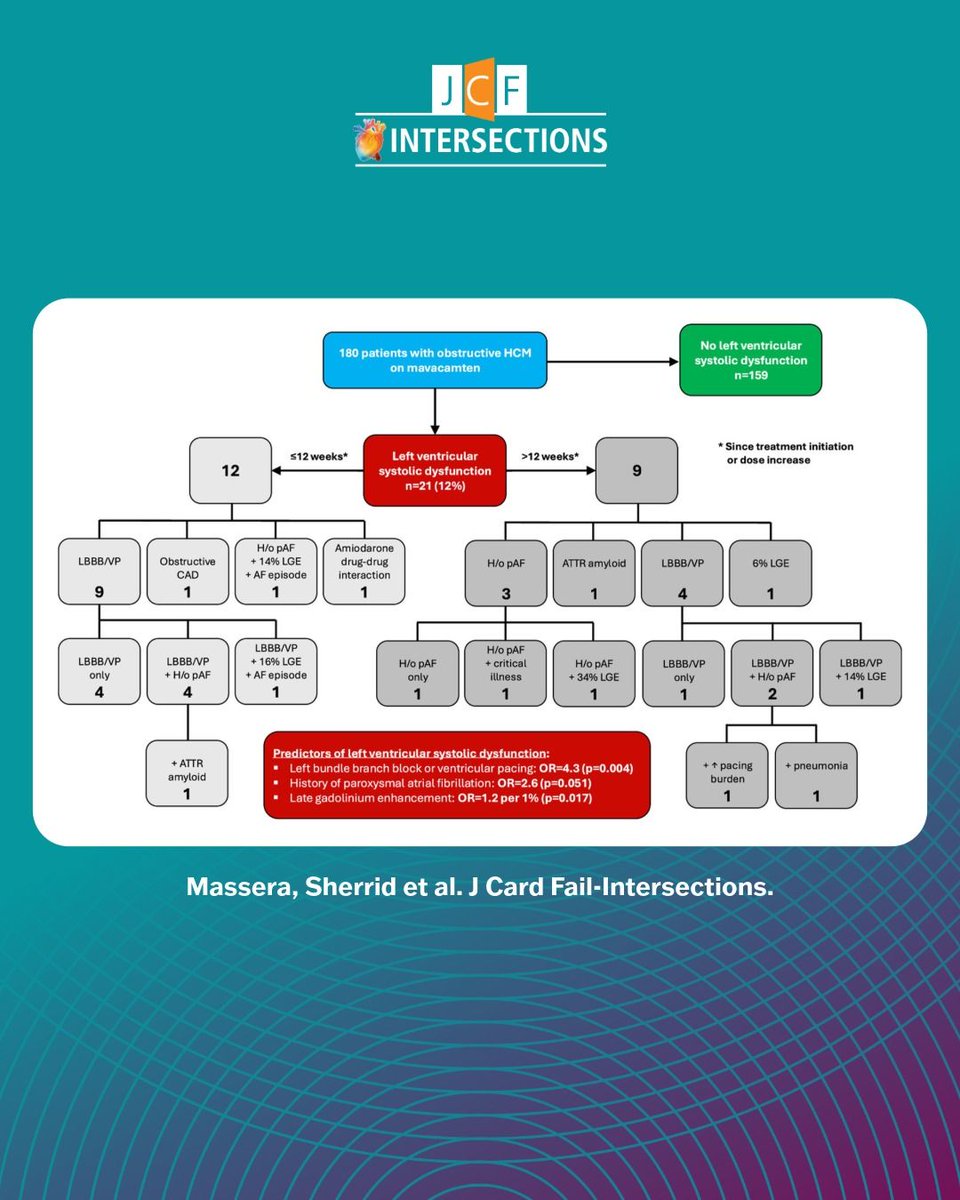
New science🚨! Which HCM patients are most likely to develop LV systolic dysfunction on mavacamten?
LBBB, ventricular pacing, AF & greater LGE burden were associated with risk. Most events occurred within 12 weeks of initiation or dose escalation.📊
🔗https://t.co/dQ3NwLbFDq
📝 Editorial perspective
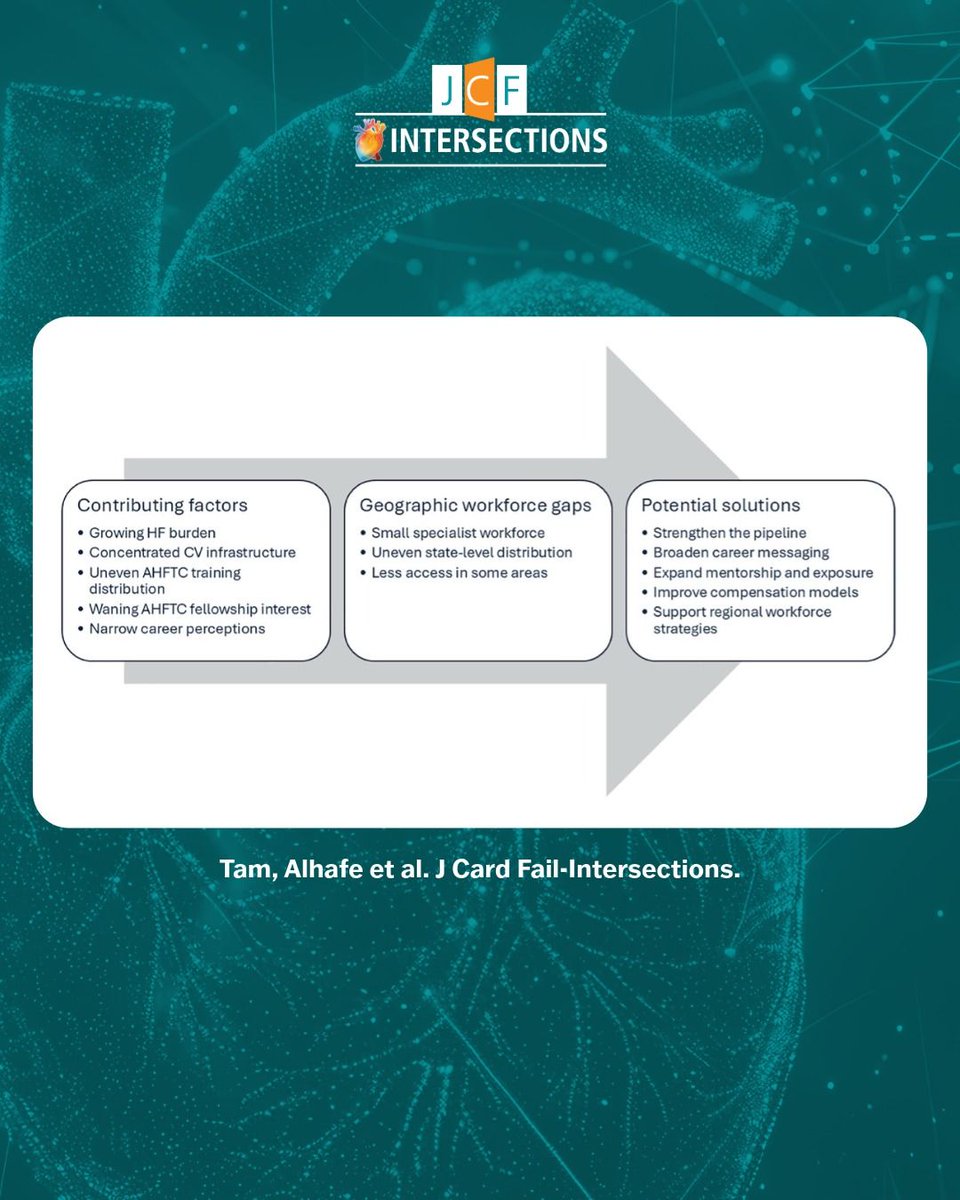
HF is rising, but access to advanced HF expertise remains uneven. Expanding the AHFTC pipeline & developing innovative care models will be critical to improving access in underserved regions. 🫀
🔗 https://t.co/plhoruXEMZ
🫀Where are the nation's AHFTC specialists?
This study identified only 1,523 AHFTCs in the US, w/ marked geographic disparities. Workforce density was highest in regions w/ greater transplant activity, fellowship training & cardiology infrastructure.
🔗 https://t.co/qcXjS5Zny2