How do lipoproteins become trapped in the arterial wall in type 2 diabetes?
https://t.co/1MphqQJsrk
Bo Angelin & team performed a cross-sectional study in patients with #T2D and controls, finding the increased susceptibility of serum LDL particles to bind arterial proteoglycans is linked to their enhanced transvascular entrapment and ultimately atherosclerosis.
How does vitamin uptake influence heart disease?
In our new JCI Insight paper, we show that disrupted vitamin uptake can lead to cardiomyopathy and that early supplementation can prevent progression. https://t.co/6YxFYlNiHp
@TheBHF@SimonDBamforth@UniofNewcastle@JCI_insight
Describing a new strategy that destroys breast cancers in mice: https://t.co/fAePIIymVi
ASCI member Eric J. Sorscher & team @EmoryMedicine employ immune checkpoint inhibitors in combination with a bacterial enzyme-based focal gene therapy (E.coli PNP), showing enhanced tumor clearance and ablated tumor-supporting cells in the microenvironment.
The figure: Intratumoral expression of the prokaryotic purine nucleoside phosphorylase (PNP) can efficiently ablate tumor tissue including distant lesions.
#BreastCancer
This first-in-disease study supports the use of #GLP1 agonist in pulmonary vascular disease
Colm McCabe & team @RBandH show the GLP-1 agonist exenatide causes acute relaxation of lung blood vessels in pulmonary arterial hypertension: https://t.co/zYQYBDIXaT
The figure demonstrates the effects of exenatide in the rat model of pulmonary hypertension.
#PAH
#Morphea is a fibrotic skin disorder (also known as localized scleroderma), but its mechanisms are ill-defined.
https://t.co/K53GwLxeB5
In this Research Letter, William J. Crisler & team @BrighamWomens find chronic skin fibrosis in morphea results from resident memory T cells that kill endothelial cells through inflammatory cell death, thereby sustaining injury and scarring.
The translational potential of #metformin in #HuntingtonsDisease is compelling: https://t.co/NqME8cH7Nq
Robert M. Friedlander & team report metformin regulates mitochondrial fission, reprograms deregulated metabolism in HD microglia, and controls microglial activation and inflammation in HD transgenic mice.
The image shows traced microglial morphology from striatum of the HD mouse model R6/2 treated with metformin.
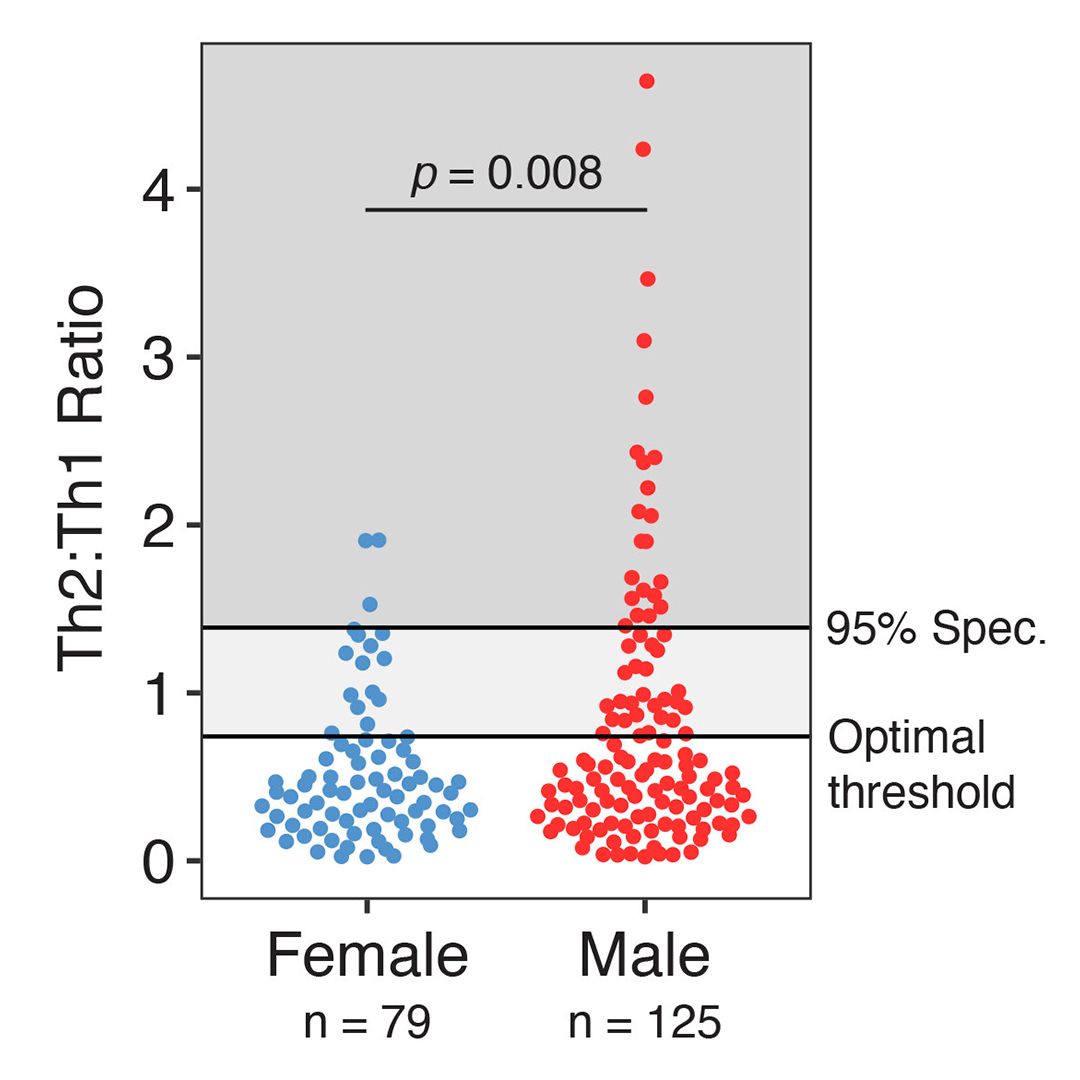
@UCLA Manish J. Butte & team @UCLA report severe Valley fever occurring in males often features heightened allergy-like immunity, predisposed in some by genetic mutations, which suggests that targeted immune treatments can strengthen defenses: https://t.co/tRxbiKJGK5
ICYMI: ValleyFever is a respiratory infection caused by Coccidioides fungus spores that can range in severity from self-limiting to disseminated.
https://t.co/aqfLHePirW & https://t.co/WWJT1rxo32
Two Research articles in this issue explore immune phenotypes from individuals with coccidioidomycosis including those with severe, life-threatening disease.
Manish J. Butte & team @UCLA find that severe Valley fever is linked to a weakened immune response, pointing to treatments that could re-energize the body’s defenses: https://t.co/SE9Df4FOJF
🚨New Publication Alert🚨
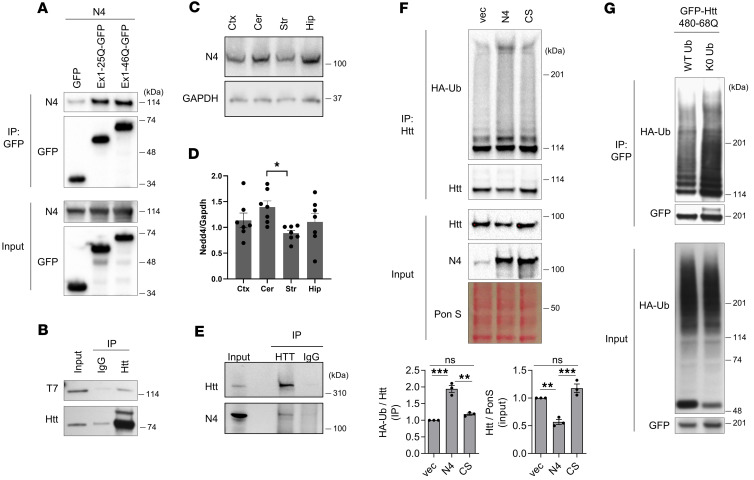
“Ubiquitin ligase Nedd4 regulates the abundance and toxicity of mutant huntingtin”
@DimitriKrainc, MD, PhD, was a co-author of the study published in @JCI_insight: https://t.co/D78BhCER2v
From earlier this week: What happens when GLP-1 weight-loss drugs are stopped and then restarted?
Thomas H. Leung @realthomasleung & team @PennMedicine asked this question in mice, reporting that cycling treatment made the drugs less effective over time and increased fat gain compared with continuous treatment: https://t.co/ezAjemkRp8
#GLP1 #Weightloss
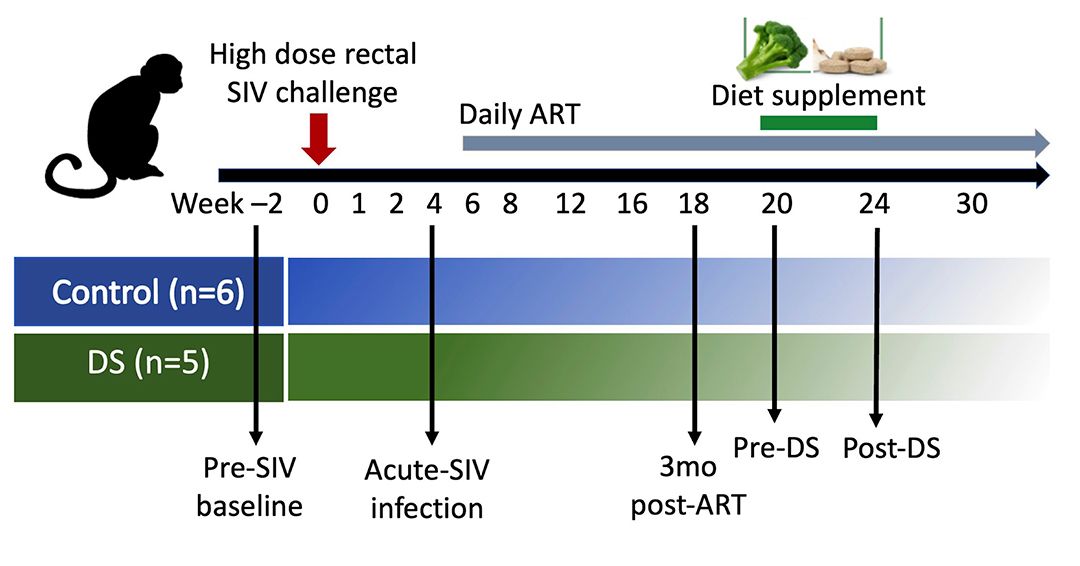
Dietary indoles may help repair gut damage and reduce inflammation in chronic #HIV
Here, Namita Rout @Rout_lab & team @TulaneMedicine find dietary indoles boost key protective immune cells in SIV-infected rhesus Macaques: https://t.co/KeB81HXrFK
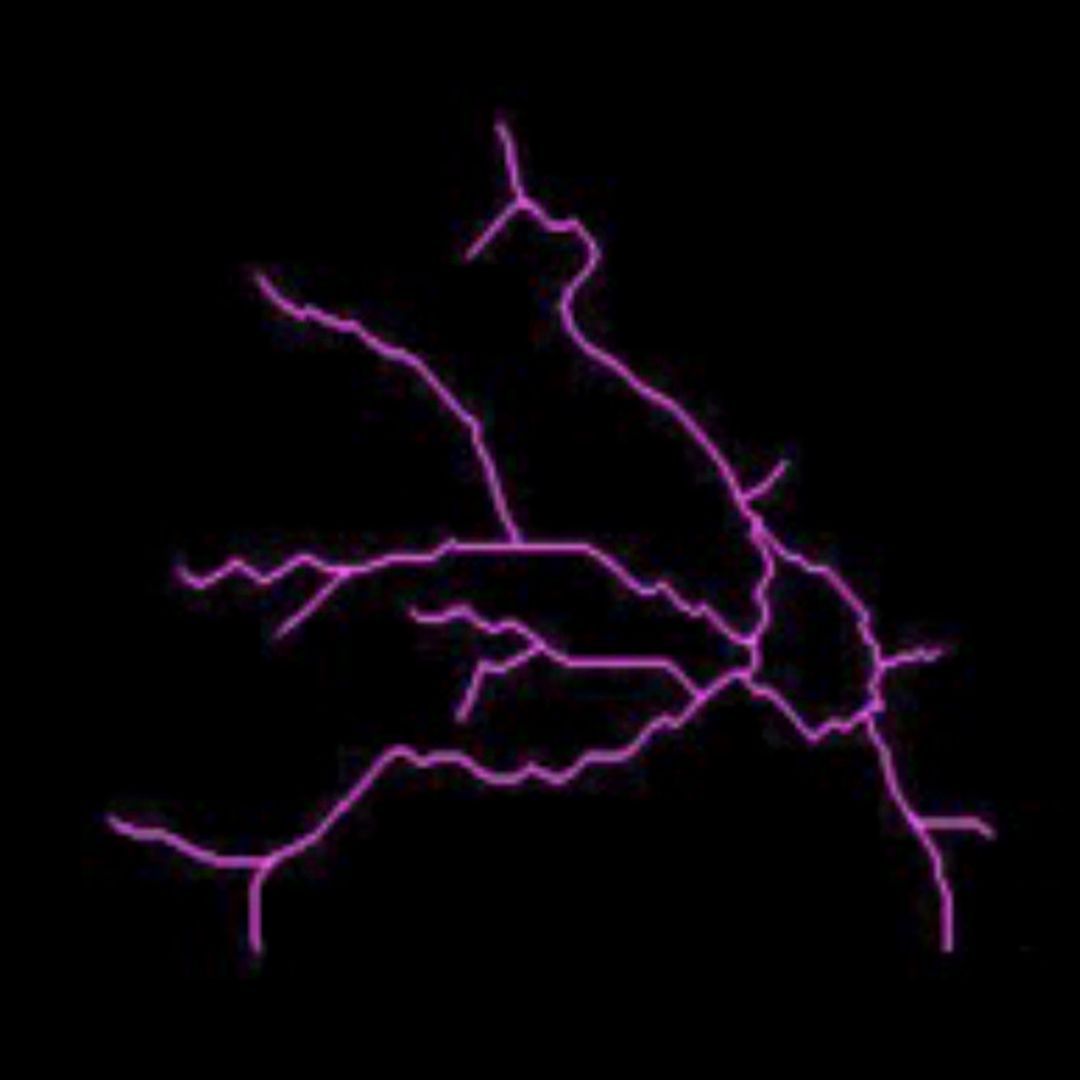
The figure shows restoration of the Tat-exposed epithelial monolayer via the indole FICZ.
What's it like to pursue an #MDPhD in humanities, social sciences, and public health?
Comparing MD-PhD trainee experiences by disciplinary background: https://t.co/G7H4JyEZgm
Here, Cambray Smith et al. @UNC carried out a nationwide survey, providing insights from current trainees, including concrete recommendations for program directors and the NIH.
#PhysicianScientist
Macrophage signaling associates with fibrogenic program activation in periductal fibroblasts in pediatric primary sclerosing cholangitis @JCI_insight@CincyResearch@Yunguan10
https://t.co/4kV5LqAcru
Towards improving immunotherapy outcomes in pancreatic cancer: https://t.co/Rwnew8PyhG
ASCI member Gregory L. Beatty & team @PennMedicine identify TLR2 as a driver of immune suppression in pancreatic cancer and show blocking TLR2 enables T cell entry and slows tumor growth in mice.
The image demonstrates deletion of Tlr2 in CAR T cells and host cells are required for optimal T cell infiltration.
Even with long-term HIV treatment keeping the virus down, a damaged gut barrier may stay vulnerable—and compounds from broccoli were linked to a shift in repair signals. @JCI_Insight https://t.co/OHmNwVviRV
#ValleyFever is a respiratory infection caused by Coccidioides fungus spores that can range in severity from self-limiting to disseminated.
https://t.co/aqfLHePirW & https://t.co/WWJT1rxo32
Two Research articles in this issue explore immune phenotypes from individuals with coccidioidomycosis including those with severe, life-threatening disease.
@UCLA Manish J. Butte & team @UCLA report severe Valley fever occurring in males often features heightened allergy-like immunity, predisposed in some by genetic mutations, which suggests that targeted immune treatments can strengthen defenses: https://t.co/tRxbiKJGK5