This man says cancer isn’t genetic.
After 30+ years studying it, Dr. Thomas Seyfried claims it’s preventable.
His #1 message?
Fix your lifestyle.
Here are his 7 rules to keep cancer away —
Most doctors won’t tell you this:
👇
@ProfTimNoakes Don’t need fancy studies. Just needed to look at Aboriginals, Inuits and Pacific Islanders as examples. Their original habitats and diets led to virtually no cancer or heart disease. Western diets get introduced and what happens? Diabetes, cancer & heart disease. Coincidence eh?
PLEASE HELP! Sign this petition.
The Maryland Health Secretary has halted an ongoing, privately-funded, inpatient study of a medical ketogenic diet for treating schizophrenia for no clear reason.
People with schizophrenia deserve better treatments.
https://t.co/GBixi820wh
Contrary to popular belief, dietary carbohydrates are not necessary for a healthy diet. Many confuse the need for blood glucose with the need to consume carbs. While glucose is essential for energy and proper bodily function, our bodies have a remarkable ability to produce glucose through a process called gluconeogenesis. This process allows the liver to convert amino acids and, especially, lactate into glucose, ensuring that our blood glucose levels remain stable even in the absence of dietary carbs.
It's important to distinguish between the necessity of glucose and the consumption of carbohydrates. Fats and proteins can provide all the necessary nutrients without relying on carbs. This can be particularly beneficial for those managing conditions like diabetes or insulin resistance, where controlling blood glucose and insulin levels is crucial.
Emphasizing the flexibility of our metabolic pathways highlights that a low-carb diet can be both safe and effective. It’s time to rethink the role of carbs in our diet and focus on the broader picture of nutritional health.
People deserve correct & helpful information about Diabetes!
Introducing the American Diabetes Society. It will offer info & recipes that actually lowers blood sugars and A1c's.
The ADS will NEVER take money from big-food or big-pharma and will be financially transparent to all!
If that sounds great to you then please donate what you can to get this non-profit going as quickly as possible.
Donate: https://t.co/YJ46EwoNjE
Sharing this post will spread the word and help us keep more grandparents from being taking from us prematurely, save legs from amputation, save eyes from blindness and save kidneys from failure!
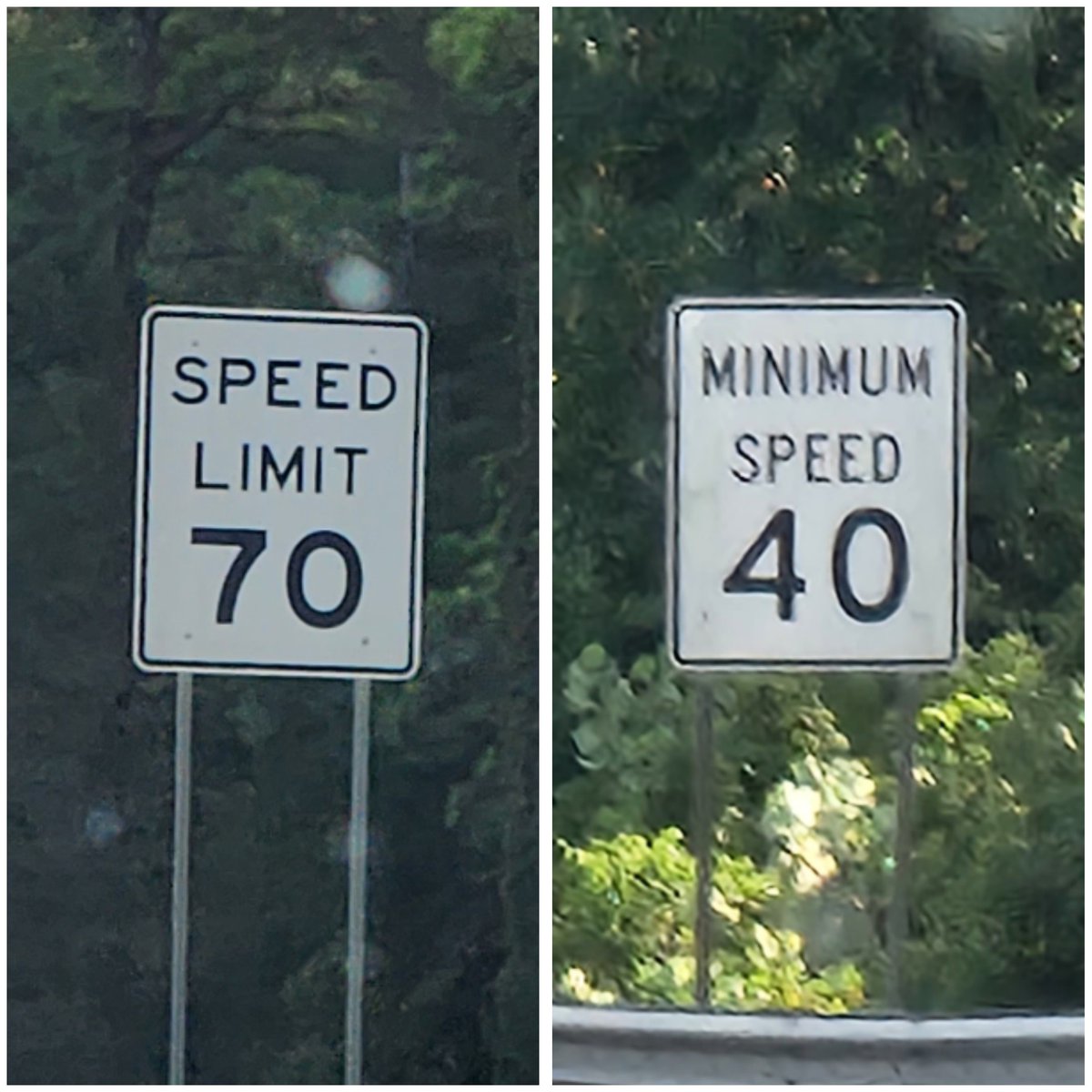
@elonmusk@Tesla@Tesla_AI hey @elonmusk@Tesla This STILL HAS NOT BEEN FIXED, Just drove through Georgia again and car slowed to 40 mph in a 70 mph nearly causing accidents multiple times!
Dear @elonmusk@Tesla Can we please fix Auto Pilot and FSD to be able to tell the difference between these two signs? Nothing like traveling down the interstate at 70 mph and the car suddenly brakes to go 40 mph. #Tesla#teslabug@Tesla_AI
Dear @elonmusk@Tesla Can we please fix Auto Pilot and FSD to be able to tell the difference between these two signs? Nothing like traveling down the interstate at 70 mph and the car suddenly brakes to go 40 mph. #Tesla#teslabug@Tesla_AI
By now, you've likely seen the headlines about the study detailing a 91% increased in heart disease from fasting. To be specific, they found that people who reported eating less than 8 hours in a day, compared to this who reported eating 12-16 hours in a day, had an almost twofold increased risk of dying from heart disease.
The fact that this has received so much attention is more evidence of the dangers of trusting media, even (perhaps especially) with science. And even putting too much trust in "science". A few points:
1. This is correlational evidence. This is another way of saying it's results based on questionnaires conducted over years. It can only establish coincidence, not causality.
2. These results are unpublished. This report hasn't undergone any peer review and we have no idea about confounding variables (likely many) or the study population. Again, these results were presented at a scientific meeting, not in a peer-reviewed journal. For example, what if people who eat in a narrower time window are people who work 16-hour days?
3. On a similar note, it's amusing that 8 hours is somehow considered restrictive. And who eats in a 16-hour window?
Once the final report is published, we can tease it apart and criticize the methods. Until then, we can laugh (and cry) at how silly biomedical science has become.
Re-reading chapters of textbook. Depth, breadth, detail, mind blowing. Clear evidence that diet (Banting/LCHF) least likely to be prescribed especially by physicians, cardiologists, dietitians or taught in med school, is most studied, most effective across all medical conditions
Reduce the amount of carbohydrate in your diet. Simple as that. Can happen in a few days as muscle glycogen concentrations are used up. Physiology is simple: Muscle glycogen regulates it's own rate of use during exercise by determining how much energy will come from fat oxidation. More muscle glycogen = less fat oxidation and vice versa. This is how the body works. We (Weltan et al.) established this is 1998 https://t.co/MDw5u4APsH and the physiological (hormonal) explanations for this effect have become known subsequently.
The problem is that this change won't instantly improve your exercise capacity. Why not? Because exercise performance we now know has relatively little to do with the capacity to burn either more or less fat or CHO during exercise. This is a simple reductionist explanation that's been exploited by commercial companies to sell their high-CHO products to athletes.
But the truth is somewhat more nuanced. @LoreofRunning1@theplews1
A year later, there's still nothing published, not even a pre-print🤔
Press releasing unpublished data is poor practice. Rules out the possibility of critique by other researchers--bc data not available.
Could be seen as a PR stunt 3/
I wrote about this at the time: https://t.co/IMebGKkLZm
All links, statement from ACC, attempts to interview the researchers here.
(need to scroll half-way down the article) 2/
One year ago, dozens of headlines splashed news about a "keto-like" diet causing heart disease
This came from a press release by the Amer. College of Cardiology, on data that had been presented at their conference but not published--not even a pre-print; study not registered 1/
@ACCinTouch
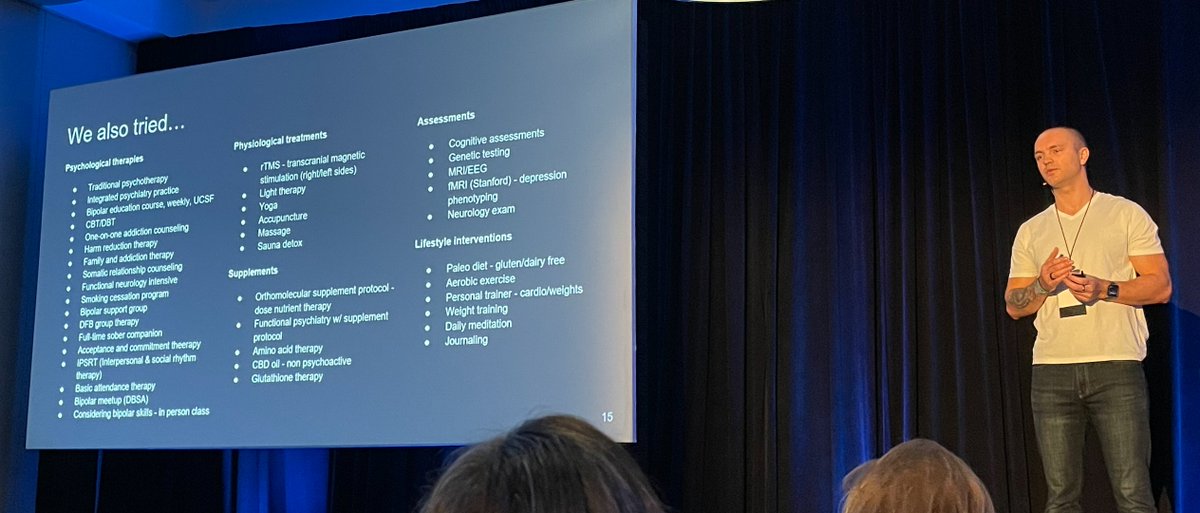
Look at all the other strategies @BaszuckiMatt tried before his mother @janellison happened to hear about the ketogenic diet. Within weeks, serious symptoms of bipolar disorder began to fade. If you think you've tried everything already, don't give up. Hope is on the menu!
@elonmusk The more technology we have in our lives, the more unhappy we become. The more material things we have, the more we feel tied down. Information, tech & material things are not people, relationships or experiences. Humans need other humans and genuine connections. This is deep.
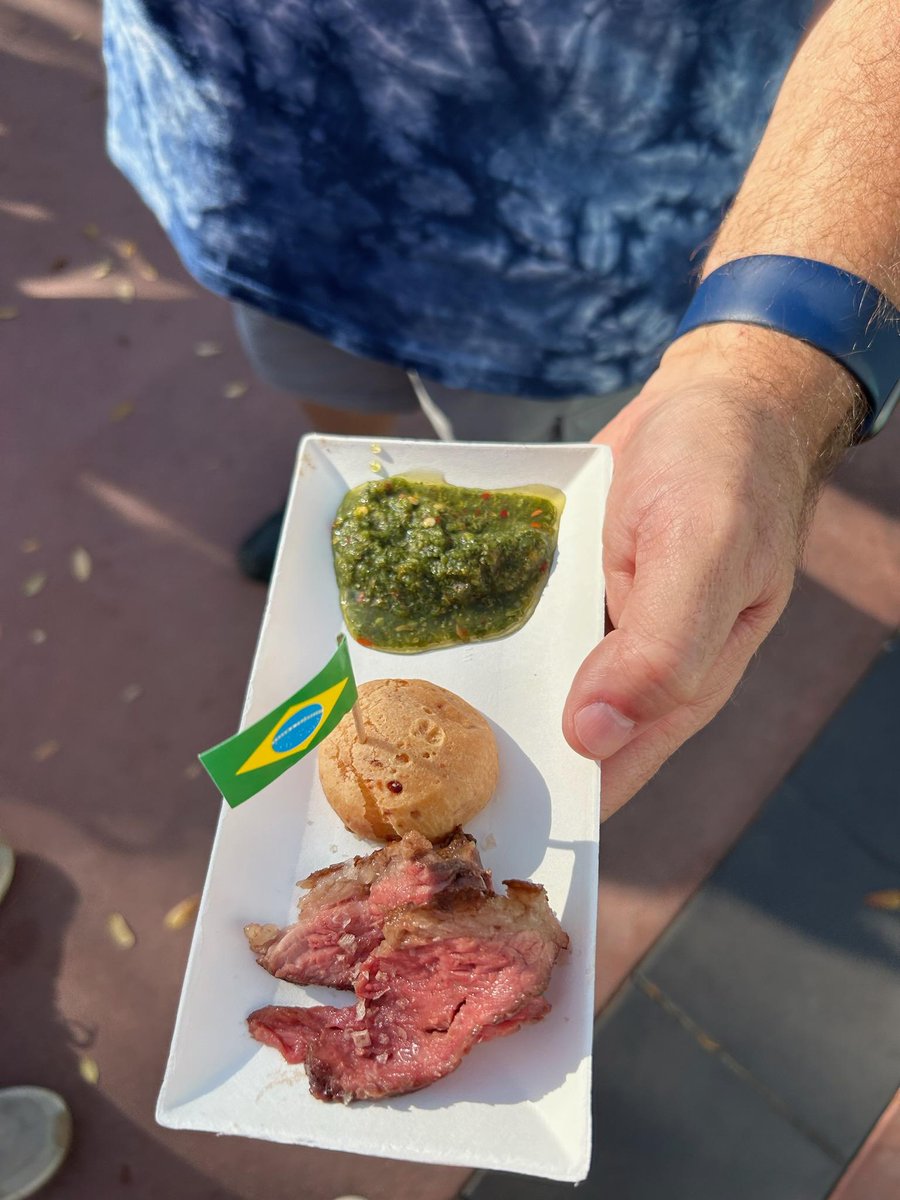
@UniversalORL The Belgian Frites with andalouse sauce were awesome! The picanha skewers from Brazil were the most overpriced disappointment of two thin slices of meat. And I was the dumb one for ordering 2 at $11 each. I should have handed it back and asked for a refund.