Freshwater fish populations have collapsed by a staggering 81%.
This dramatic decline is emerging as one of the most severe, yet often overlooked, wildlife crises on Earth, with serious consequences for both river ecosystems and global food security.
According to a major 2024 global assessment, migratory freshwater fish populations plummeted by an average of 81% between 1970 and 2020. This collapse is happening far faster than declines in terrestrial or marine wildlife. The main culprits are human-made barriers such as dams and weirs that block ancient migration routes, combined with pollution, habitat destruction, and climate change.
These fish play a critical role in maintaining the health of rivers and wetlands. Their disappearance disrupts entire ecosystems, affecting everything from nutrient cycling to the survival of other species. For millions of people in Asia, Africa, and Latin America, migratory fish are also a vital source of nutrition and livelihood. Their decline directly threatens food security and local economies.
The good news? Recovery is still possible. Successful conservation efforts (including the removal of obsolete dams, the creation of effective fish passages, and the protection of free-flowing rivers) have already shown promising results in restoring fish populations and river health.
The challenge now is to act quickly and at scale before these vital freshwater systems cross a point of no return.
[World Wildlife Fund. (2026). Living Planet Report 2025: A System in Peril. World Wildlife Fund]
#Biodiversity & water are closely & inextricably linked.💧🌱
Biodiversity supports water resources incl soil & plant nutrient cycling.🔁 Water resources support biodiversity; lack of water leads to #BiodiversityLoss.
Via @IPBES
The EPA estimates that on average, Americans generate 4.40 pounds of #waste per person per day. We’ve outlined some simple tips to start off the #NewYear with new goals and less waste: https://t.co/eQUEFwkyns
Our student-led recycling initiative is in full effect! Yesterday, during the Principles of Sustainability class, we were able to deploy 18 bins at 6 different locations including student residential areas, the cafe, and the union.
#jcsucres#recycling https://t.co/JGQqsZrYTy
#WorldWaterDay is about accelerating change to solve the water & sanitation crisis. We joined @jcsu_cres Dr. Dugo the director of the Center for Renewable Energy & Sustainability and student Rashawna Huntley for an inside look at their water monitoring program. #rysjcsu
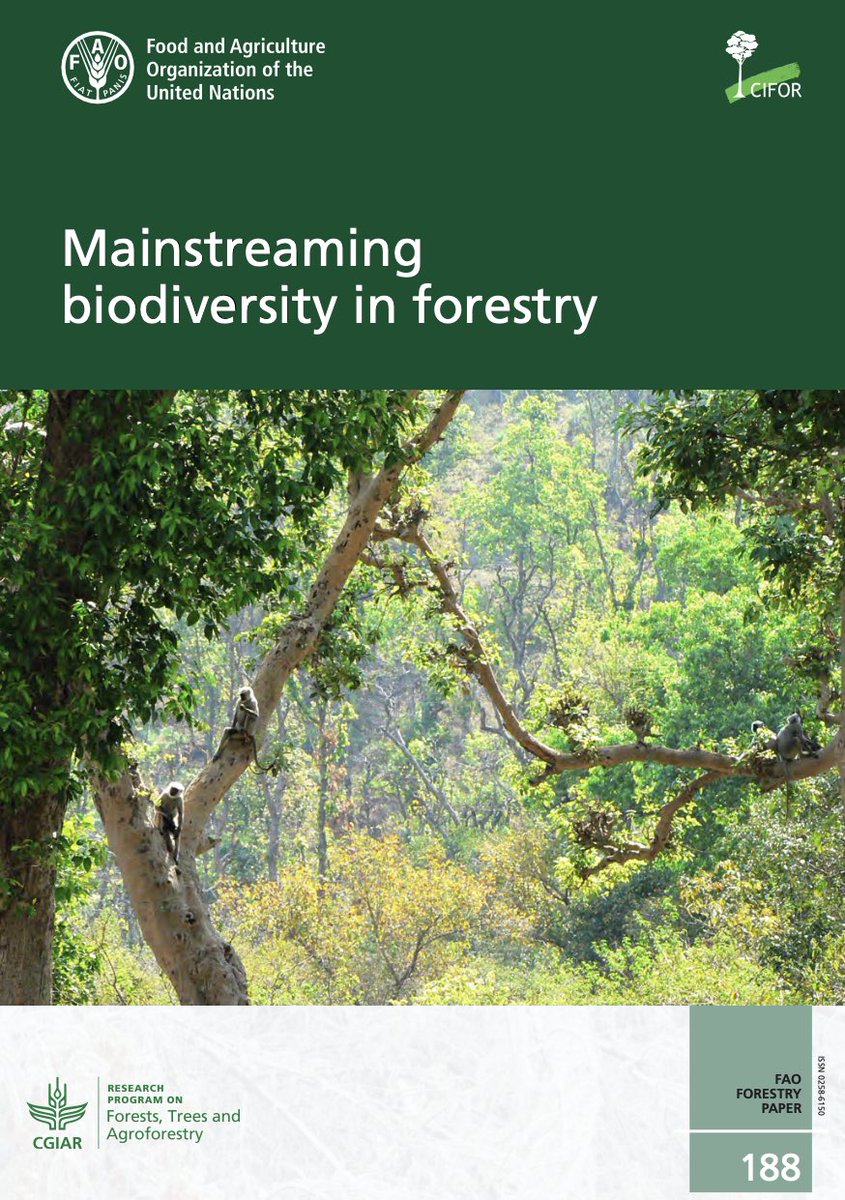
🌳 Mainstreaming biodiversity in forestry
📚 This report reviews progress & outlines the technical and policy tools available for countries and stakeholders to effectively mainstream biodiversity in forestry.
Full issue➡️: https://t.co/y9DX68GqCP
#Trees4Resilience@FAO@CIFOR
🧐 Did you know?
On Earth, there are 92 naturally occurring chemical elements, 18 are essential to plants and 15 of them are supplied by soils!
Soil health & fertility have a direct influence on the nutrient content of food crops 🌱
#Soils4Nutrition
A sustainable circular bioeconomy has major untapped potential to help combat the #ClimateCrisis & transform our agrifood systems.
But what is #bioeconomy exactly?
Learn more about @FAO's work on #bioeconomy 👉 https://t.co/3QA4ifqCnJ
#COP15
Nations gather in Montreal next week for the #COP15@UNBiodiversity Conference to plot new goals for protecting nature.
#ClimateChange is intensifying biodiversity loss, yet solutions to the climate challenge can also be found in nature.
Learn more in our blog 👇
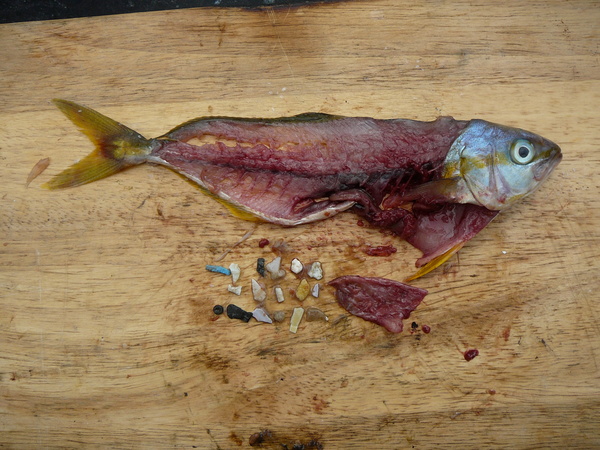
🥤 Plastic fragments have been found ✨literally everywhere✨ - from our oceans 🌊, to the Arctic ❄️, to habitats of protected species 🦌, and even in our bodies 🙍♀️.
Scientists are only beginning to understand the long-term effect of plastics on our health.
#Biodiversity loss & #ClimateChange:
🌐Are driven by human economic activities
🤝Reinforce each other
🌏Increasingly threaten nature, human lives, livelihoods & well-being worldwide
Neither will be resolved unless both are tackled together.
🎥@UNDP
Often nature gives us a hint like here, never give up, no matter how hard it may be at the moment, it always goes on with new hope. Have a blessed rest of the day.❤️💛💙💚🌳🌱🍀
Following #COP27? So are we! 🌿
The #ClimateCrisis is impacting plants too! 🌡️🌍🌧️
Here are 5⃣ ways how #ClimateChange is intensifying the threats to #PlantHealth
➕ℹ️➡️ https://t.co/epE2p0gx23
@AleenaO, Theodore Castro, Rashawna Huntley and Corinth Greene represented @JCSUniversity Sustainability Village in an excellent manner, providing organic smoothies and campus grown organic produce to students, staff and faculty today. https://t.co/dYL6pfchic
Water is essential to the survival of all societies and ecosystems as it is the primary source of life and livelihoods. Water Day will be held on Nov 14th at this year's #COP27, shedding light on the impact of climate change on water security, management and needed solutions.
📢Happening today!
@unepwcmc along with @UNBiodiversity, @BonnConvention, and the Centre for Large Landscape Scale Conservation, is hosting a webinar aimed to improve the progress for maintaining, enhancing, and restoring ecological connectivity!
Sustainability Village staff Theodore Castro, and Climate Corps Fellow, Aleena Oakley, will be out
on the block (11am-2pm) all week, engaging @JCSUniversity community, giving out campus grown produce and speaking about the Sustainability
minor. https://t.co/DwY49Sx8SY