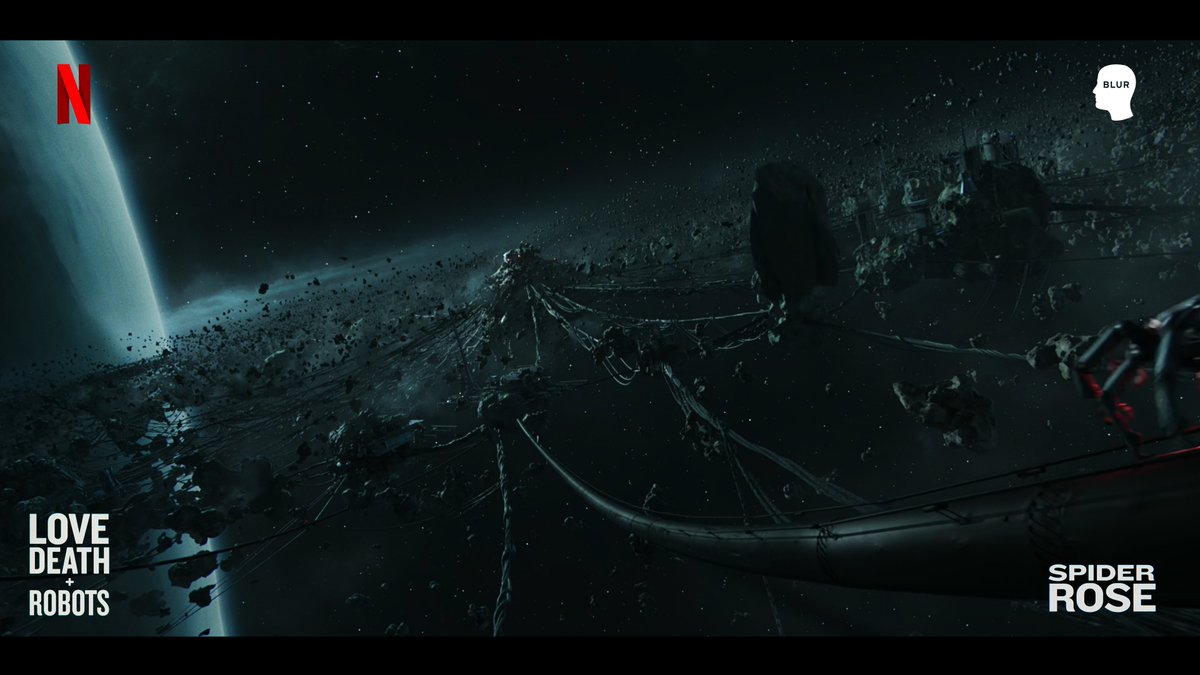
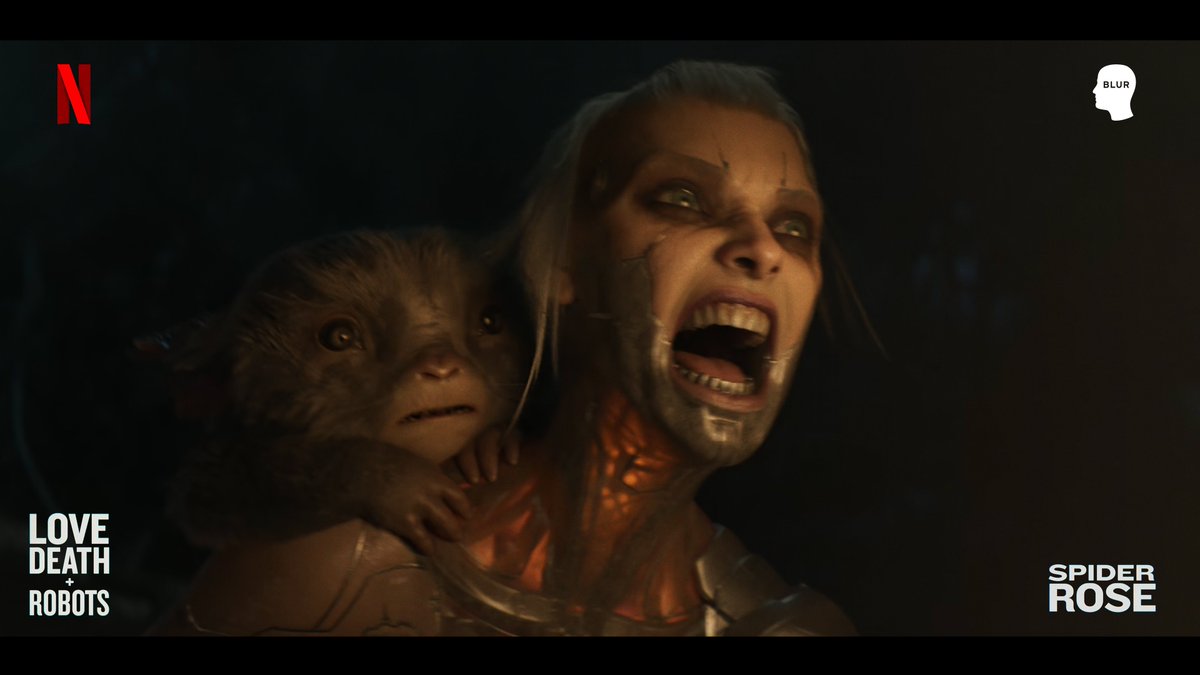
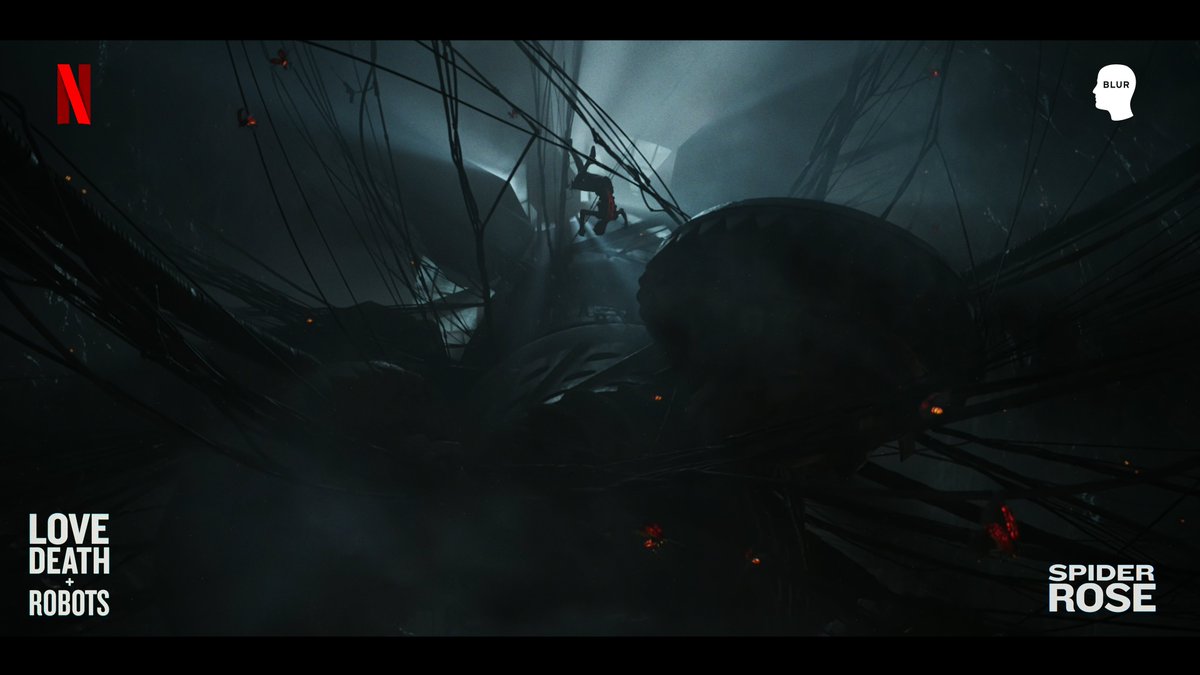
Excited to see the new Love Death + Robots Vol. 4 out today on Netflix! Was a blast working as Compositing Lead on Spider Rose with the team at Blur Studio.
@LukeBarnett I want to see more films shooting in US and LA especially, and it really put a magnifying glass on the fear of indie filmmakers and producers trying to make something with next-to-nothing.
Great thread. It's framed as intended. You can crop however you'd like. The old Fincher top comes to mind for extracting 2.40 from Super 35mm. If they wanted less head room they could an equivalent to this, but that may not be as pleasant in IMAX.
Keep seeing people post that IMAX 70mm is just 4:3 TV or that the extra top and bottom of the frame doesn't add anything. You just have a misunderstanding of IMAX photography.
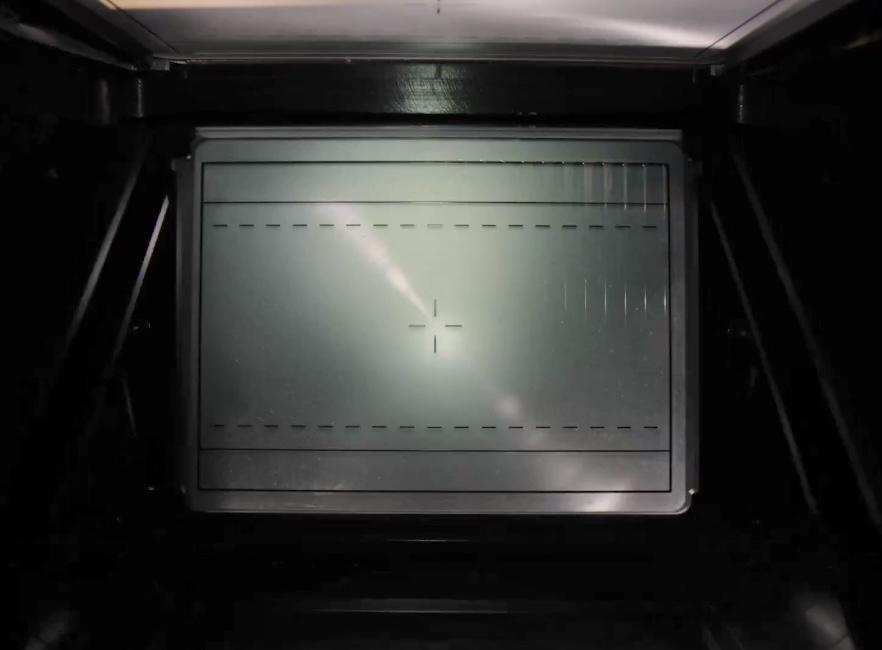
To accomodate other formats, Chris Nolan and Hoyte Van Hoytema use ground glass (Pic 1) etched with guides to appropriately frame every shot. This ensures Nolan can mostly center punch for every deliverable.
That's also why IMAX tends to be center-framed (Pic 2). The filmmakers want you looking dead center at what's happening while the rest of the image melts away into your peripheral vision. The idea is that when you're watching IMAX 70mm on a massive 60-100' screen, all you see is the movie. No masking, no screen frame, nothing. It's meant to fully immerse the viewer.
The size of the film negative and use of wide open lenses supports this in intimate moments because of the shallow depth of field. The image is tack sharp exactly where your eyes should be.
For wider shots and action sequences, there will usually be an important object(s) close to center frame that helps guide your eyes to surrounding parts you need to focus on (Pic 3). This is also why Nolan's movies translate well to widescreen formats like 70mm, 35mm, and other 2.39:1 screens.
He's not thinking about the height or width of the image independently, but as one giant canvas.
There's negative space above peoples heads because if you pushed their heads to the top of the frame and the next shot had an important action in the lower third, you'd spend the majority of the movie pivoting your head up and down and across the massive screen (Pic 4). Exhausting.
This is also why Nolan and other filmmakers crop from 1.43 to 1.78 for Blu-ray. The idea with the IMAX sequences is that they expand and use every inch of screen real estate. Pillarboxing 1.43 footage when intercut with 2.39 scenes makes the IMAX images appear smaller since they don't take up the full width of your screen. Footage should expand vertically, just like in theaters.
I get that tons of people watch stuff on their phones and laptops these days, but you have to understand the original intention - the theatrical experience - and not you sitting at home watching the movie on your 15" Macbook, 6" phone screen, or TV that's probably 5 ft too far from your couch.
Apologies for the long rant. 🤘🎞️
After a wild month, I’m making some progress on the colossus for my project.
Needs some more breakup and development, but it’s been a fun asset to learn on.
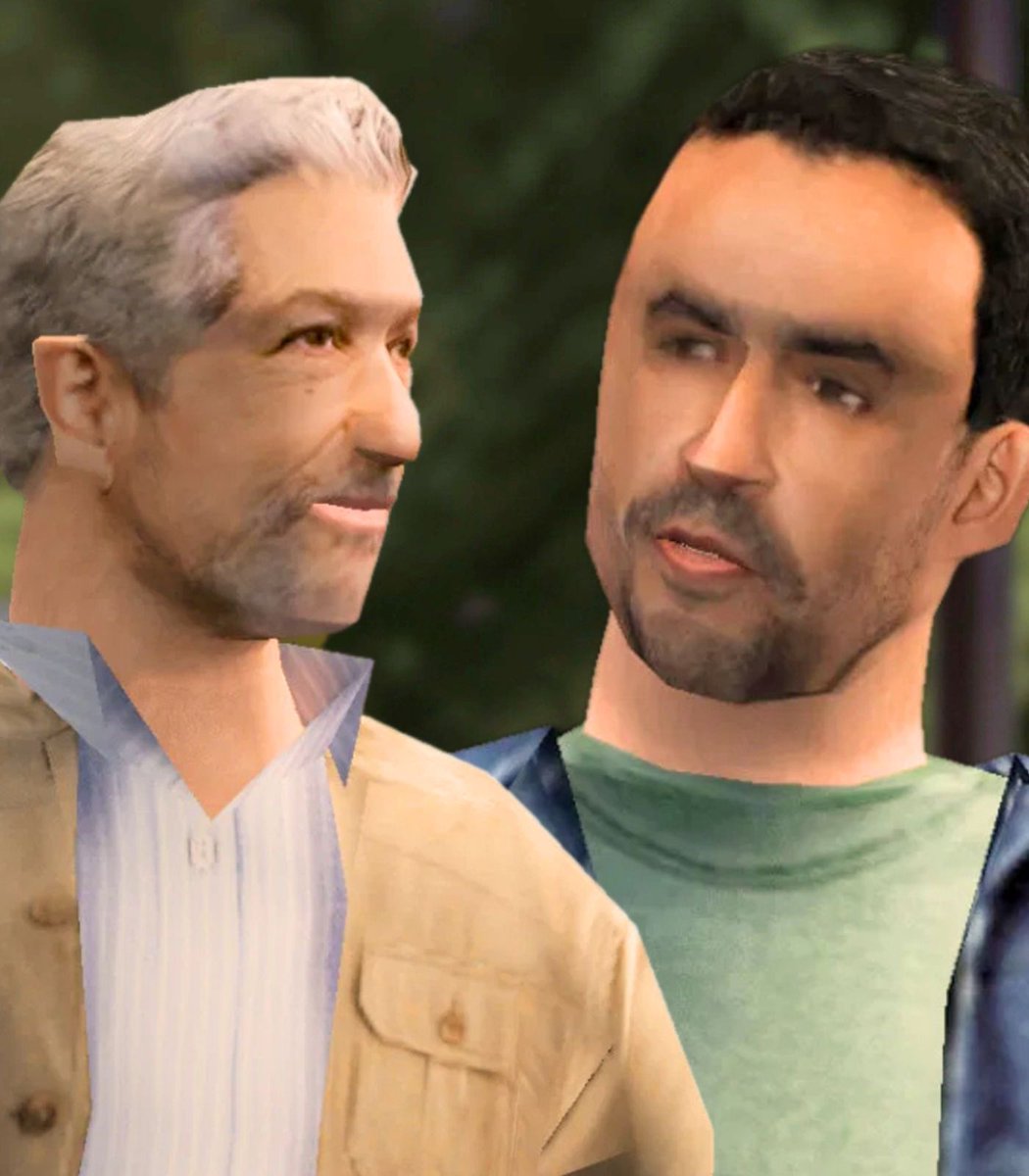
A full-length movie that was animated to look like a PS1 game has premiered at Cannes
‘Le Vertige’ was animated by five recent graduates using Blender, an iPhone, and a cheap app to capture the style
@imPatrickT I very much appreciate seeing these filmmakers explain how and why they achieved the effect the way they did. Their approach is perfect for what they did, and will be perfect reference to point for other projects and filmmakers.
1000%. Anytime I chat with other indie filmmakers about costs and feasibility, the first thing I recommend is doing as much practical as possible. All departments collaborating to craft and film things for real is a massive win for creativity and saving on post.
For low-budget filmmakers- since you have friends and time- you can figure out how to do a lot more in your movies this way than w CGI. Someone will say otherwise, but they aren't comparing what it takes to get CGI that looks of comparable quality. I Love Boosters is out now.
My wife read my latest blog post on her own last night.
She's not in my industry. She doesn't know how VFX contracts are priced or how freelance income actually works.
She finished it and told me it was far more valuable than just to artists.
She was right.
@blauereiter@ILMVFX This Hulk got me so excited about VFX and filmmaking. This movie came out amidst the Lord Of the Rings trilogy, so any creature that had muscle simulations and the physicality he did, it was a wonder. No one tried to hide behind "no CGI" and the DVDs had VFX bts...
1/3) My rule of thumb when I'm comp supervising is if we're asked to crank shaders on one character or asset versus another, look dev needs a change. Every character, prop, piece of set dressing needs the same level of scrutiny.
If every character in your shot needs its own light rig, the problem isn't the lighting. It's the lookdev.
Standardize your lookdev lighting. Same HDRI, same grey ball, same exposure. Assets approved under the same conditions just work together in production.
Stop light linking everything. Use flags, negative fill, bounce cards. Like a real gaffer would.
2/3) I'm a fan of contextual light tests as well. Especially on full CG projects, where the dimmest and brightest moments will get a lot of feedback on how models and lookdev hold up.