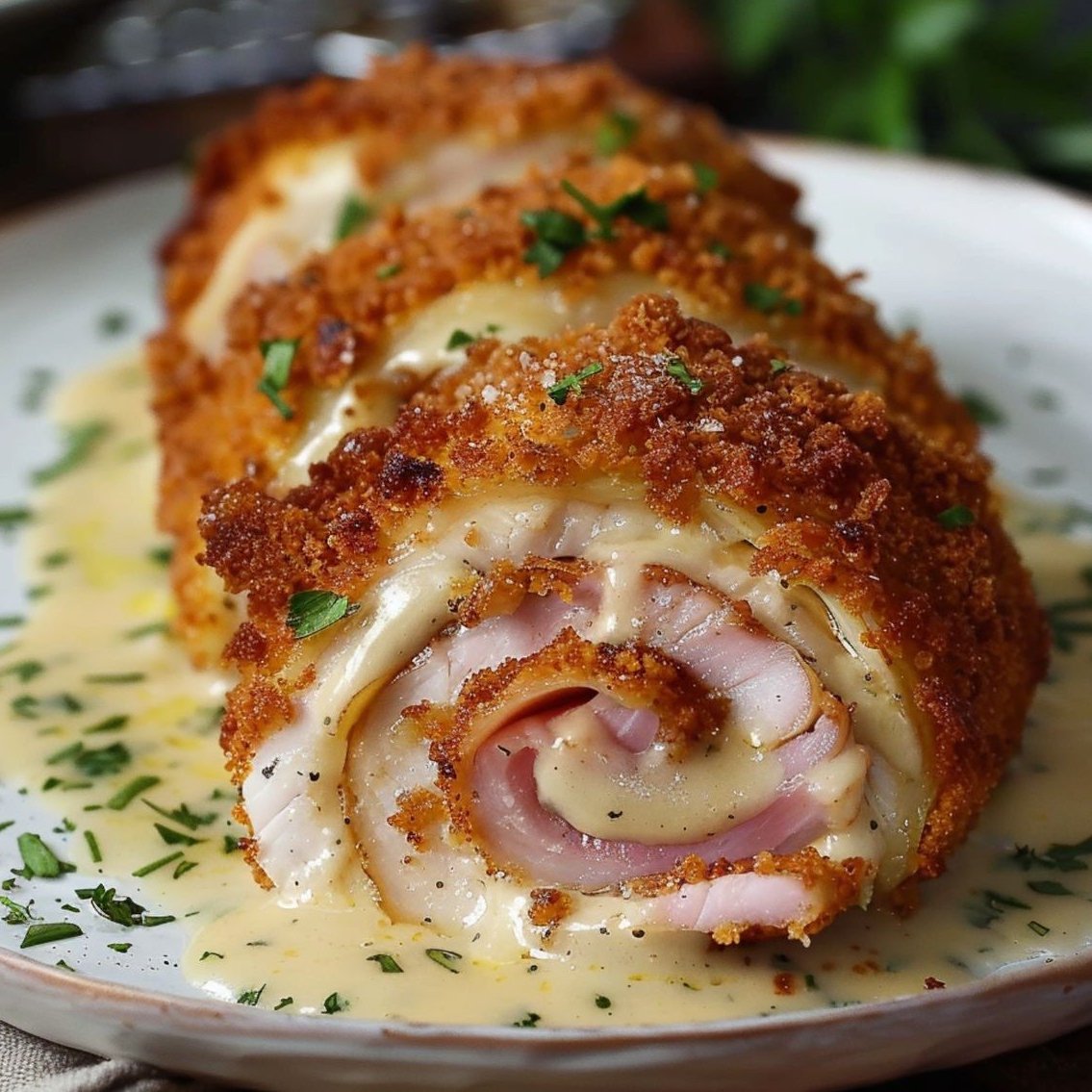
Crispy Creamy Chicken Cordon Bleu
Ingredients
4 boneless, skinless chicken breasts
4 slices deli ham (thin but sturdy)
4 slices Swiss or Gruyère cheese
Salt and black pepper
1/2 tsp garlic powder
1/2 tsp paprika
1/3 cup all-purpose flour
2 large eggs, beaten with 1 tbsp water
1 1/2 cups panko breadcrumbs
2 tbsp grated Parmesan (optional, extra crisp)
2–3 tbsp neutral oil, plus 1 tbsp butter (for pan‑searing) or use air fryer/oven-only method
Creamy Dijon Sauce
2 tbsp butter
2 tbsp flour
1 cup milk (or 1/2 cup milk + 1/2 cup chicken broth)
1 tsp Dijon mustard (up to 2 tsp to taste)
1 tsp lemon juice
1/4 cup grated Parmesan (optional but great)
Pinch of salt, pepper, and paprika
Instructions
Prep the chicken
Butterfly each breast horizontally, keeping one long edge attached; open like a book and gently pound to an even 1/4–1/3 inch thickness between parchment.
Season both sides with salt, pepper, garlic powder, and paprika.
Fill and roll
Lay a slice of cheese then ham on each cutlet (keep fillings 1/2 inch from the edges).
Roll up tightly, tucking in sides like a burrito. Secure with 2–3 toothpicks each or kitchen twine. Chill 10 minutes to help set the shape.
Breading station
Bowl 1: flour. Bowl 2: beaten eggs. Bowl 3: panko + Parmesan + a pinch of salt.
Dredge each roll: flour → egg → panko, pressing crumbs to adhere. Rest 5 minutes.
Cook options
Skillet + oven (super crispy): Heat oven to 400°F/200°C. In an oven-safe skillet, warm 2–3 tbsp oil with 1 tbsp butter over medium-high. Sear rolls 1–2 minutes per side until golden. Transfer skillet to oven and bake 15–18 minutes, until internal temp reaches 165°F/74°C.
Oven only: Place on a rack over a sheet pan, mist with oil, bake 20–25 minutes at 425°F/220°C until crisp and cooked through.
Air fryer: 380°F/193°C for 14–18 minutes, turning once; lightly spray with oil.
Make the creamy Dijon sauce
In a small saucepan, melt butter over medium heat. Whisk in flour; cook 1 minute.
Slowly whisk in milk (and/or broth) until smooth. Simmer 2–3 minutes to thicken.
Off heat, whisk in Dijon, lemon juice, Parmesan, salt, pepper, and a pinch of paprika. Keep warm; thin with a splash of milk if needed.
Serve
Remove toothpicks. Slice each cordon bleu into rounds. Spoon warm creamy Dijon sauce over the top. Finish with chopped parsley.
Tips and variations
Cheese swap: provolone or mozzarella works; Gruyère gives classic nutty flavor.
Extra-crunch trick: double-dip the end seams in egg/panko to seal.
Make ahead: assemble and bread up to 1 day ahead; keep chilled. Cook just before serving.
Gluten-free: use GF flour and breadcrumbs.
Add garlic-herb butter: spread 1–2 tsp softened herb butter inside before rolling for richer flavor.
THE ATTACHMENT GRAVEYARD (THE FIX)
How to fix it:
You can use a secret search code to find these massive files instantly.
Go to the Gmail search bar at the very top. Type exactly this:
has:attachment larger:10M
This filters out every single email larger than 10 Megabytes. Check the "Select All" box at the top left. Review the list quickly to make sure you do not need anything important, and hit the delete bin.
She deleted over 500 ancient files. Another 3.1GB was recovered instantly.
If you haven't read @NickBilton's memo from yesterday yet, here it is >>>
Hi everyone, I'm Nick. Some of you I've met. Most of you I haven't.
Walking into this building and putting my name on this job is the honor of my career. Though I don’t need to tell you, “60 Minutes” is, without exaggeration, the most important television journalism brand this country has ever produced. The fact that it has held that position for almost six decades is not an accident. It’s the result of generations of producers, correspondents, editors, researchers, and crews who decided that the work mattered more than the noise.
You are those people. I’m grateful to be working alongside you. I am here because the world outside this building has changed a lot since this show was conceived—and we have to talk honestly about what that means.
Think back to September 1968, when the first episode of ’60’ aired. A gallon of gas was thirty two cents. The first pocket calculator wouldn’t go on sale for another two-and-a-half years. If you needed money, you went to the bank, stood in line, and asked a human being for it. Long distance calls were billed by the minute and you thought twice before making one. There were three networks. Most people watched the first episode of “60 Minutes” in black and white. If you missed it, you missed it. Every part of how we lived back then has been transformed since then.
The cars, the phones, the music, the movies, the medicine, the money, the way news gets made and the way news gets consumed. The phone you are reading this on is more powerful than every computer that existed on the planet in 1968 combined. The audience that watched that first episode is not the same audience watching us now. They have unlimited channels to choose from, not three. They are stalked by algorithms that they wake up to and go to sleep to. Algorithms that have figured out that anger is the only way to make sure they come back day after day after day.
They have lost faith in almost every institution that used to hold the country together. And yet here we still are. Same stopwatch. Same tick. Same Sunday night. Same form. The trusted correspondents are our guides through all of it. There is something genuinely incredible about that. The fact that this show has remained a fixed point in a culture is part of why this show still matters as much as it does. I don’t want to lose that.
But the world we are reporting on, and the world we are reporting to, where people consume their news, has moved. And if we don’t move with it, in the ways that matter, we won’t be here for the next sixty years. I want to do everything humanly possible to ensure that we are. How? I’ve spent most of my career writing about exactly this kind of moment.
I started as a technology reporter at The New York Times, then an investigative journalist at Vanity Fair, covering industry after industry that got obliterated by these technological changes. I was a regular voice on CNBC, ABC, and CNN trying to make sense of it as it happened. I wrote books about it. I made documentaries about it for Netflix and HBO. And I watched (as we all did) newspapers and magazines and taxi companies and travel agencies and video stores and entire industries go under. Only a few survived. The ones that did all had one thing in common: They saw it coming, and they adapted before it was too late.
Over my time covering these disruptions, nothing compares to this one. Between AI rewriting how information is made and everyone with a phone calling themselves a media company, this is the most precarious moment for journalism (and society) I have ever seen. There was a time I would have written the story about what happens to television news next. Instead, I am here to make sure that story doesn’t get written about us. That is why Bari hired me. Evolving or dying isn’t a threat. It’s simple math.
My responsibility is not just technological transformation. It is also our trust with the public. On the very first episode of “60 Minutes” Mike Wallace said: “If this broadcast does what we hope it will do it will report reality.” I can’t think of a better north star for “60 Minutes” than that. Above all, that means a commitment to fairness—in story selection, in the edit room, and in the broadcast.
Now, what happens next? I’m here to lead this show, not preserve it under glass. That means honoring what works and being honest about what doesn’t. I have a notebook full of ideas. Some are about the show itself. Some are about the next generation of correspondents. Some are about the strange fact that we produce one extraordinary hour for one night a week in a world that consumes content around the clock. I’m excited to share them, and I’m confident you’ll be excited by them, too. But not yet. The first thing I want to do is meet you. Hear what you’re working on. Hear what isn’t working. Hear what you’ve been waiting to do and haven’t been able to. In about thirty days I’ll come back to all of you with where we go from here. It will be a conversation that we have together.
This is the best job in journalism. I can’t wait to introduce myself and meet each of you.
See you tomorrow,
Nick.
How much have things changed since 1999? Here's what celebrity row looked like for Game 4 of the Finals - the last year the Knicks made it that far until 2026
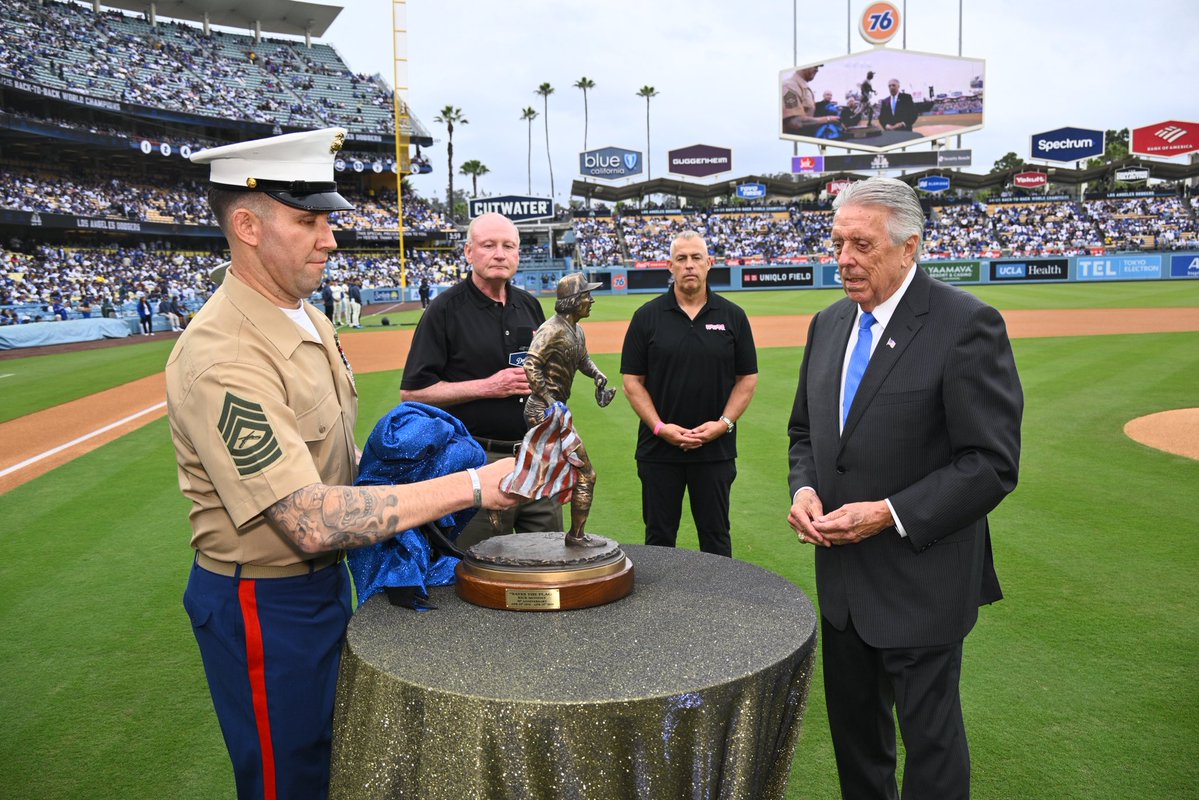
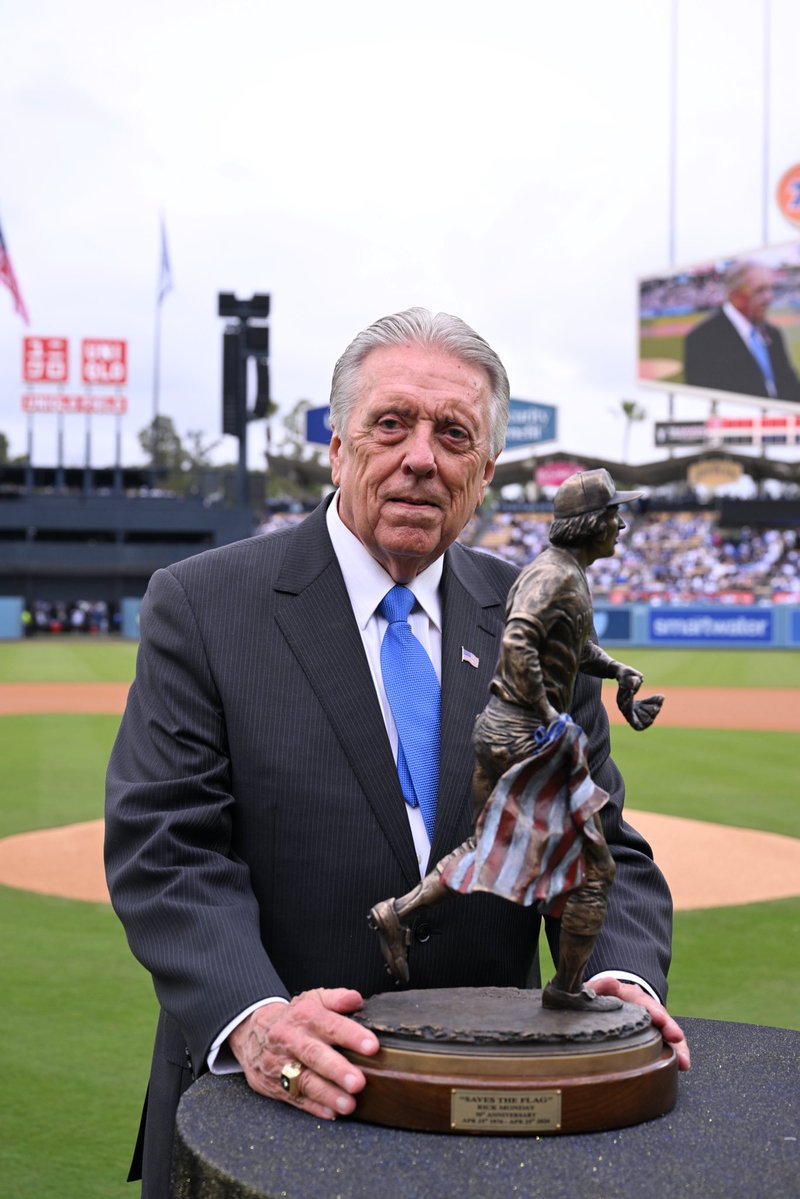
Rick Monday saved the American flag 50 years ago today. And today, the Dodgers and members of the U.S. Marine Corps recognized the man and the moment in a pregame ceremony.
In case you missed the BEST moment of day 3 of the #NFLDraft, this was the moment that Mt. Lebanon's @EHeidenreich44 realized a childhood dream @MTLSD@mtlebofootball @MtLebanonSports
@TBHSGirlsBB@myarobinson22 Every time I watched her in person, she only played one way, all out, physical & anything to win. Good luck at W Illinois.
🚨🐻👉 #WATCH — CBS turns back the clock to celebrate the 40th anniversary of Jack Nicklaus’ Masters win at age 46 to capture a record-sixth Green Jacket.
“1986” will air Sunday, April 12 at Noon ET on CBS and Paramount+.
Geno Auriemma's heated opening statement for today's pregame conference "I just don't understand some of the decisions that are made about our game when we're trying to grow the god damn game"
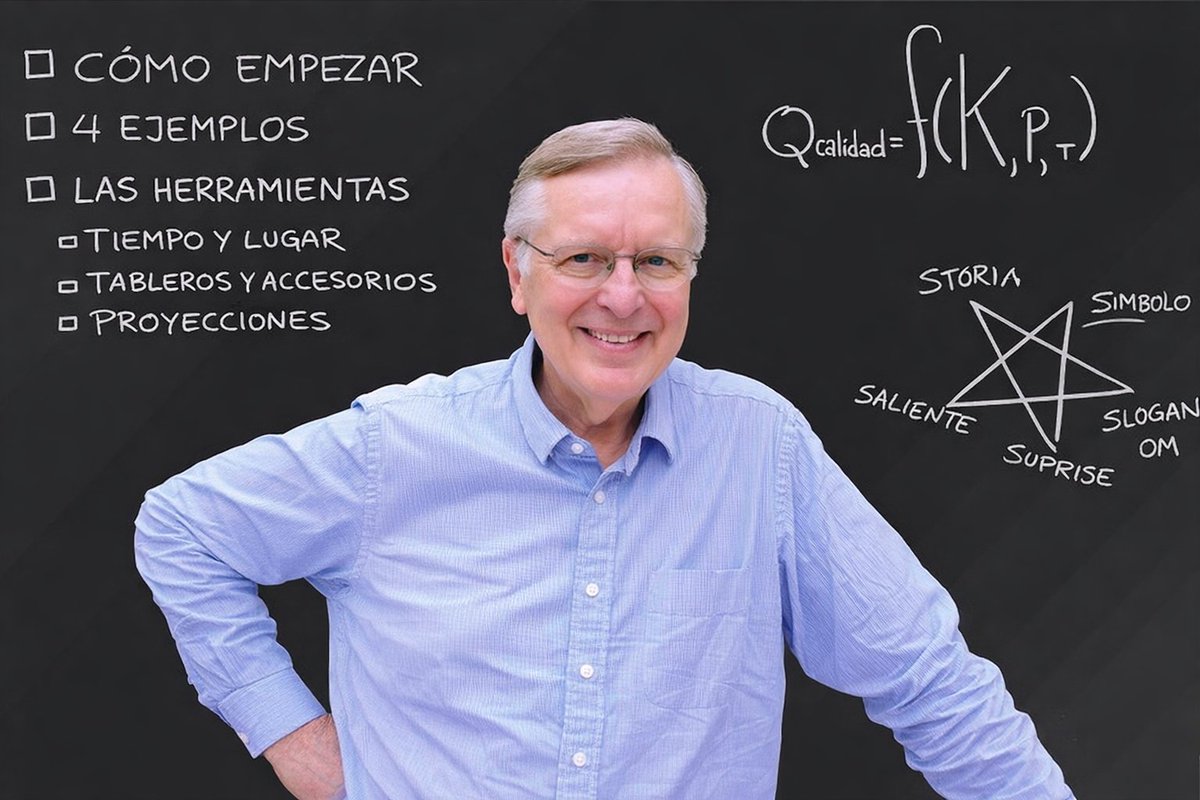
Un profesor del MIT dio la misma conferencia cada enero durante 40 años, y cada una de las veces no cabía ni un alma en el aula.
La vi a las 2 de la mañana y cambió por completo mi forma de entender la comunicación.
Su nombre era Patrick Winston. La conferencia se titula "Cómo hablar" (How to Speak).
Su frase de apertura te golpea como un camión: "Tu éxito en la vida vendrá determinado en gran medida por tu capacidad para hablar, tu capacidad para escribir y la calidad de tus ideas, en ese orden".
Ni tu nota media, ni tus títulos, ni tu coeficiente intelectual. Cómo hablas es lo que separa a las personas que son escuchadas de las que son ignoradas.
Este es el esquema que inculcó a los estudiantes del MIT durante cuatro décadas:
1) Nunca empieces con un chiste: Empieza diciendo a la gente exactamente qué es lo que va a aprender. "Prepara la bomba antes de verter nada". Él lo llamaba la "promesa de empoderamiento": dales una razón para no levantarse del asiento en los primeros 60 segundos.
2) La regla de las 5S: Para que una idea se quede grabada debe ser: Símbolo, Slogan, Sorpresa, Saliente (relevante) e Historia (Story). Cualquier idea que valga la pena recordar cumple al menos tres de estas.
3) La técnica del "casi acierto" (Near Miss): Esta parte me dejó alucinado. No te limites a mostrar lo que está bien; muestra lo que parece estar bien pero no lo está. Ese contraste es lo que hace que el cerebro registre algo de forma permanente.
4) Su regla final: Termina con una contribución, no con un resumen. No recapitules lo que ya dijiste. Dile a la gente qué les has dado que no tenían antes de entrar por la puerta.
He usado este esquema en ventas, entrevistas y presentaciones desde que lo vi, y los resultados no son sutiles.
Patrick Winston falleció en 2019, pero esta clase sigue siendo gratuita en el OpenCourseWare del MIT. Una hora, vista por millones de personas, y no cuesta absolutamente nada.
Video: "How to Speak", Patrick Winston, MIT OpenCourseWare, RES.TLL-005, January IAP 2018.
Fuente: MIT OpenCourseWare.
Licencia: CC BY-NC-SA.
Términos: ocw. mit. edu/ terms