Normalicemos usar Vasopresores por Vía Periférica 👍
Son 🟰 de seguros y efectivos que por un Catéter Venoso Central (es más riesgo poner un CVC‼️sonsos)
Consideren un CVC cuando se requieran múltiples fármacos simultáneos por mucho tiempo, o que causen flebitis (ej. K)
https://t.co/gLXglGdnQT
Leprosy, known as Hansen's disease, is a long-term infectious condition caused by the Mycobacterium leprae bacterium. It mainly affects the skin, nerves, and mucous membranes, resulting in skin lesions and nerve damage. In the 1890s, China grappled with significant challenges in managing leprosy and providing care for those affected.
At that time, leprosy was a stigmatized and poorly understood disease, often associated with fear and societal exclusion. Ignorance regarding its transmission and treatment led to the ill-treatment and discrimination of those affected. They were frequently ostracized, enduring a life of isolation and difficulty.
In some instances, leprosy can cause severe nerve damage. This can result in a loss of sensation in impacted areas, impairing the ability to feel pain, touch, or temperature shifts. Such sensory loss increases the risk of injuries and infections going undetected
5 cosas que aprendí de platicar con una Neumóloga.
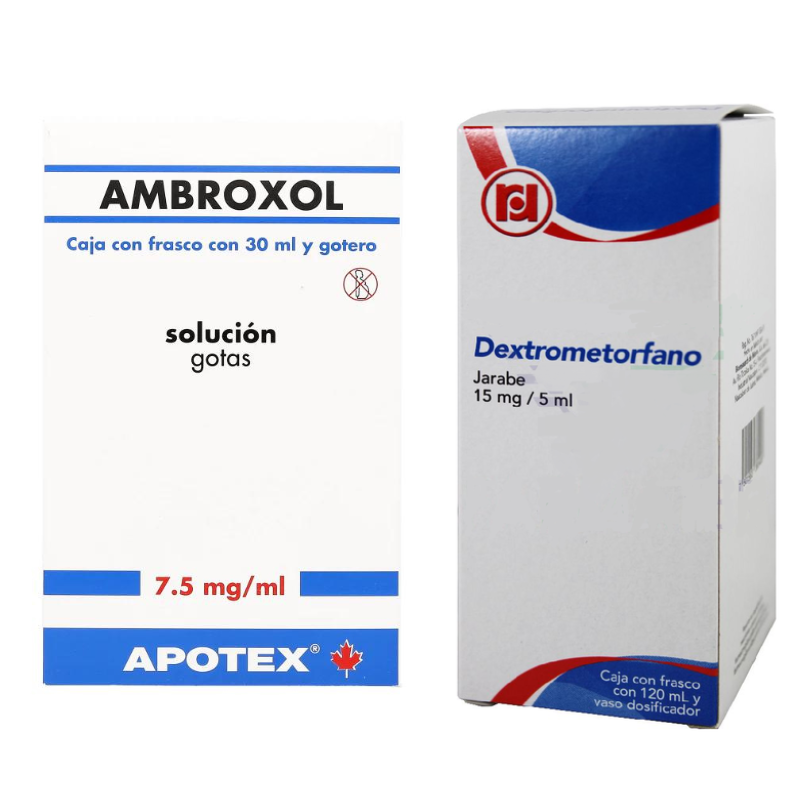
1. En sus pacientes nunca usa Ambroxol, el dextrometorfano y en general los jarabes tampoco los utiliza. 🧵
CAM (concentración alveolar mínima)
#AventhoAnestesia#AVENTHO#SMMCE
CAM = probabilidad
✅Pacientes se mueve Vs No se mueve a la incisión quirúrgica
CAM = echar volado (50% probabilidades) = uno de cada dos paciente se moverá
#Importante
NO da información relevante en términos de farmacología
❗️EtSevo = subrogado de [sevo cerebral] = 1.4 - 1.8 = adecuado estado de hipnosis
#Moraleja
CAM se debe abandonar, difícil de interpretar en contexto clínico transanestésico, mejor sustituirlo por EtSevo
-Oh, entonces... ¿Va a morir?
Esa fue la pregunta que los fans del mundo hicieron el 7 de noviembre de 1991, cuando Magic Johnson anunció que padecía HIV. Fue la conferencia de prensa deportiva más tensa de la historia.
Y significó un antes y un después para todos.
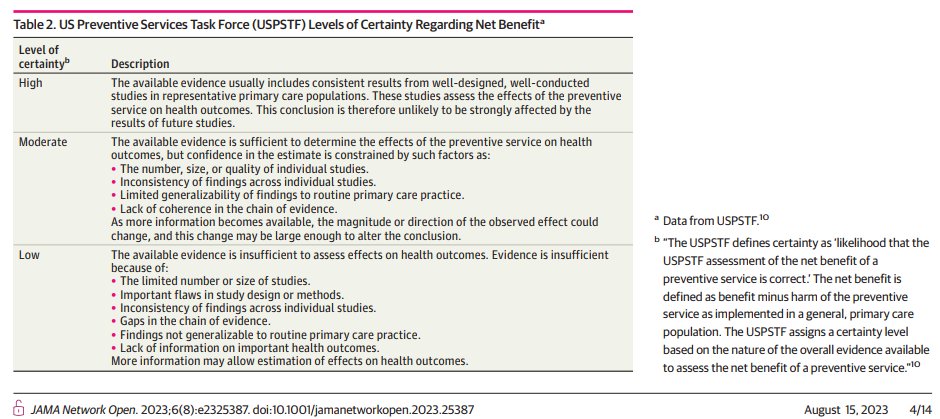
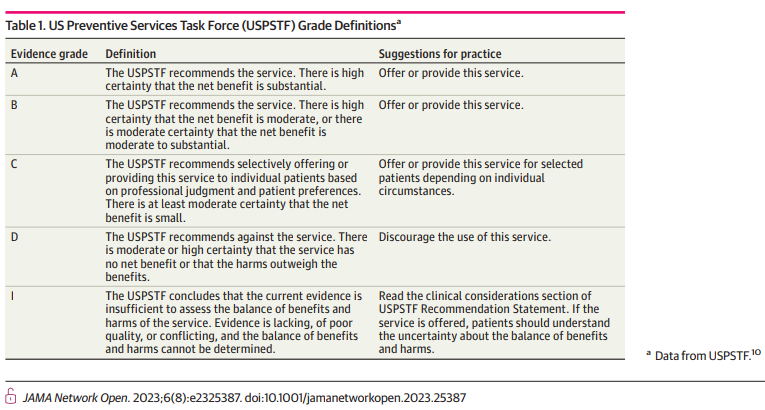
Treatment of PDPH (Part 2)
*Procedural Interventions (other than EBP)*
Excerpt from recently published Evidence-based clinical practice guidelines by @Ropivacaine and colleagues:
https://t.co/rbqttaPNDK
and Consensus Practice Guidelines Summary Report by
@Ropivacaine et al.: https://t.co/rJp5mQfewp
1. Acupuncture:
Routine use: ❌
(Grade I; Low Level of Certainty)
2. Sphenopalatine Ganglion Block:
Routine Use: ❌
(Grade I; Low Level of Certainty)
3. Greater Occipital Nerve block:
PDPH following the use of-
* wider gauge needles: Efficacy is unclear
* ≤ 22G needles: may be offered ✅
EBP may be required in case of severe recurring headaches in such patients.
(Grade C; Moderate Level of Certainty)
4. Epidural and Spinal Morphine: ❌
(Grade D, Low Level of Certainty).
5. Epidural Crystalloids:
Saline: may offer temporary pain relief ✅
Long-lasting relief: ❌
(Low Level of Certainty)
6. Epidural Dextran, Gelatin, HES: ❌
(Grade I; Low Level of Certainty)
7. Epidural Fibrin Glue:
Routine use: ❌
(Grade I; Low Level of Certainty)
* Associated with anaphylaxis & aseptic meningitis
* Quantification of risk is not possible.
* Reserved for PDPH refractory to EBP or any contraindications of autologous blood injection.
*For more details, Please go through the full guidelines here:
1. https://t.co/rbqttaPNDK
2. https://t.co/rJp5mQfewp
@noolslucas@mokaeleni@hermansehmbi@MannyVallejo2@ThomasVolk16@NarouzeMD@ESRA_Society@ESRA_trainees@KartikBSonawane@KalagaraHari@robin_russell1@rakesh6282@anesthesia_mom @ZafeerBaber @KDMDNYC@DanDirzu@PeterGKranz@LimGrapes@claralexlobo@DrDiveshArora@tsmurali@DebeshBhoi@ASRA_Society@The_ASSR@AoraIndia@drnavyaravi











![DiegoEscarraman's tweet photo. CAM (concentración alveolar mínima)
#AventhoAnestesia #AVENTHO #SMMCE
CAM = probabilidad
✅Pacientes se mueve Vs No se mueve a la incisión quirúrgica
CAM = echar volado (50% probabilidades) = uno de cada dos paciente se moverá
#Importante
NO da información relevante en términos de farmacología
❗️EtSevo = subrogado de [sevo cerebral] = 1.4 - 1.8 = adecuado estado de hipnosis
#Moraleja
CAM se debe abandonar, difícil de interpretar en contexto clínico transanestésico, mejor sustituirlo por EtSevo](https://pbs.twimg.com/media/GBzdU59WsAAgpCo.jpg)


