I remember finding the first edition of this book in the Bristol University library during my Bachelor’s studies and being absolutely fascinated. A real honour to have the opportunity to contribute a chapter on bee polarization vision to the 3rd edition! https://t.co/T38bN218HR
🧵🚨The Konstanz Neuroethology swarm is coming to Berlin #icn2024berlin @neuroethology
🦋🐝🦗🪰🕷️🐟🐉
We will exclusively present posters, and spice it up with a treasure hunt🔍. Visit all posters (lineup👇),
solve the riddle (see 🧵👇) and win a prize🏆!
Thank you Martín Berón de Astrada @ib3enfcen for visiting us in Konstanz to share your work and your expertise on polarization vision! 🦀🐝🇦🇷🇩🇪🤝Now even more excited for #icn2024berlin ! @neuroethology
🧵🚨The Konstanz Neuroethology swarm is coming to Berlin #icn2024berlin @neuroethology
🦋🐝🦗🪰🕷️🐟🐉
We will exclusively present posters, and spice it up with a treasure hunt🔍. Visit all posters (lineup👇),
solve the riddle (see 🧵👇) and win a prize🏆!
Off to university: That is the motto for year 8 pupils from #Konstanz this week. The pupils gain insights into research topics @UniKonstanz and are invited to conduct experiments. @CBehav neurobiologists @anna_stoeckl and @JJFosterLab gave a workshop on “Strange Sensory Worlds”.
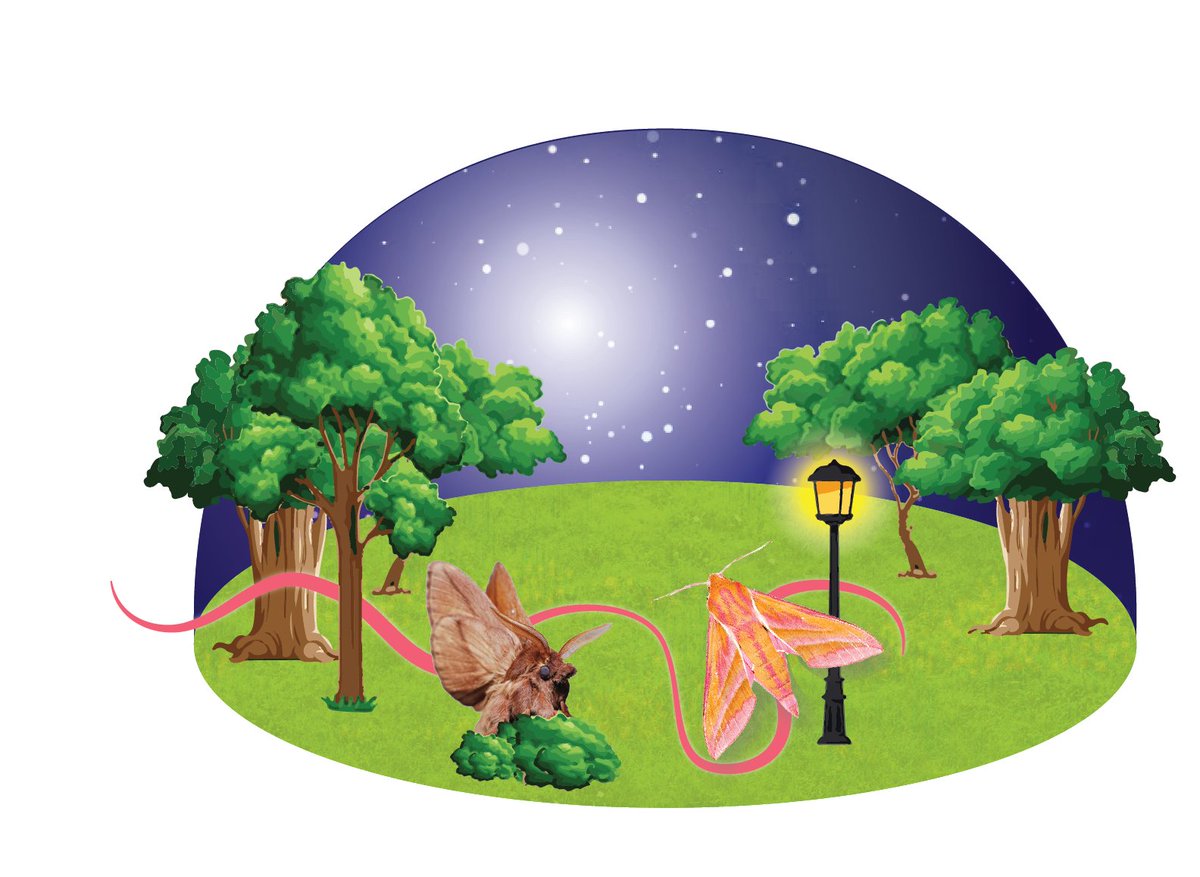
🚨#PhDposition You love🦋👁️#insects#vision#flight and are curious about how moths adjust their vision and movement dynamically to night-time lights (incl. #ALAN): apply to become part of our team @UniKonstanz (https://t.co/FFKBzKUGrQ):
https://t.co/gLcTclqpJJ 📢pl RT
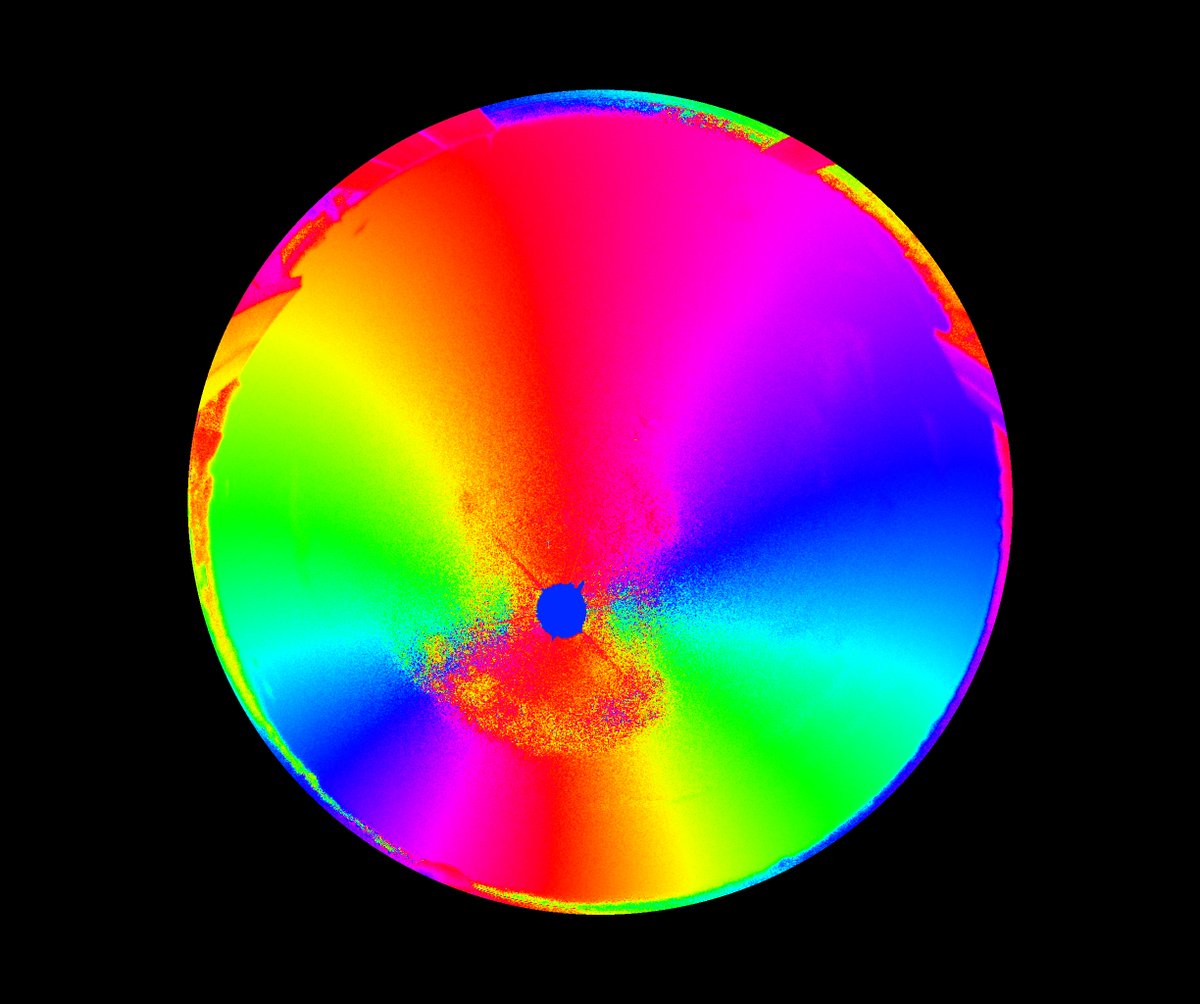
How do sky conditions impact bumblebee navigation? In collab w/ @araujobees of @INSECTLab_SU Frida & @kolyfetis took polarization images of skies at @navarinoNEO that were clear, overcast & even full of Sahara dust! These help us understand how insects use the sky to navigate🐝🧭
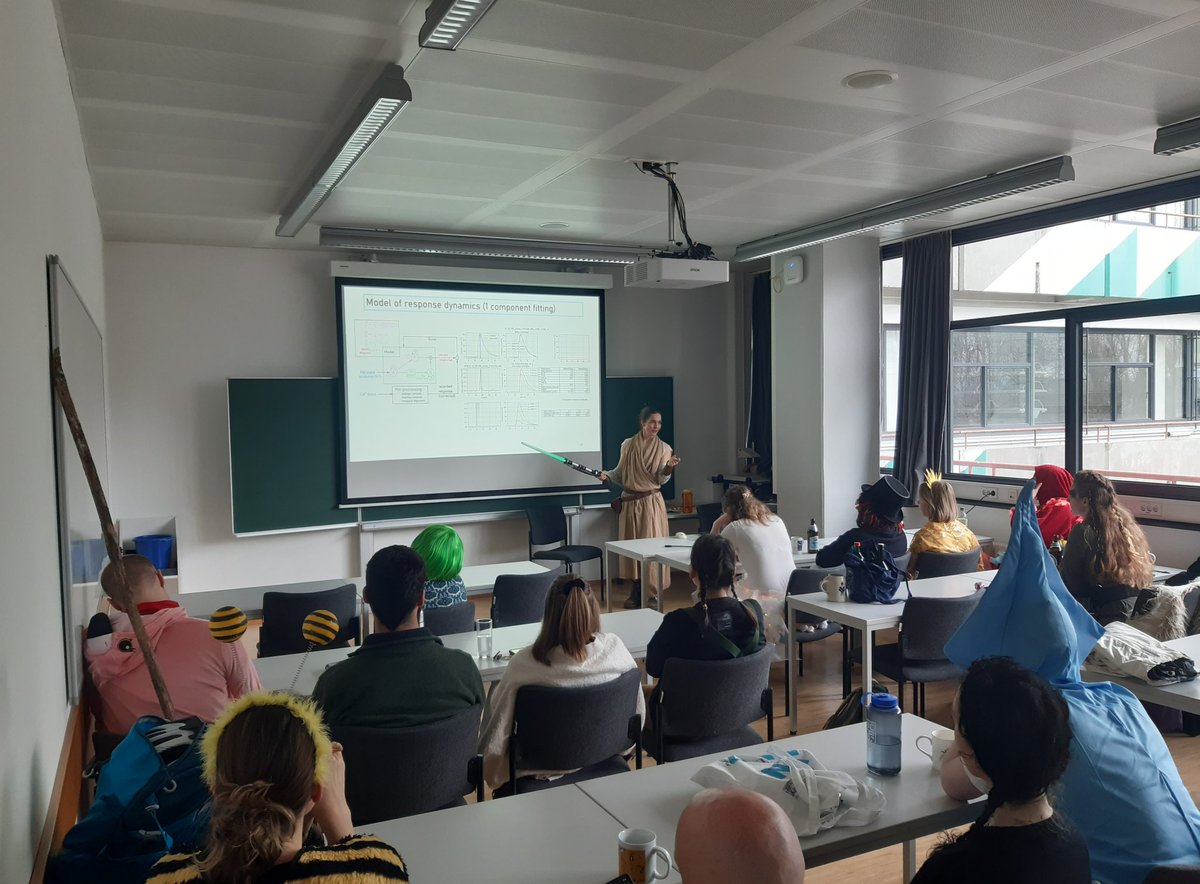
Best of both worlds: science and carnival in our neurobiology seminar today 🥳🎊🪅 the time of the year when we broaden our scope to organisms other than insects 🐸🦑☀️🐓🦩🎩🌈
Crazy story of beetles continuing to defy our expectations by doing things differently at night. Thanks @AyseYH1 for inviting me on this journey into the weird world of big eyes and green skies.
Nocturnal dung beetles keep oriented using a dorsal rim, made of broadband-sensitive, green-peaking photoreceptors. Last article w @AyseYH1 & @LundVision from the series, based on a 2 week recording session during the first lockdown in 2020. https://t.co/YijN8P6A2a
Paper🚨https://t.co/pBxTeyyr5c we show how hummingbird hawkmoths visually control their proboscis when probing flower patterns. Basically: not so different from how we get our fingers to an app on our phone! But using a "tongue".
https://t.co/U6jEjrefzw (PR @UniKonstanz)
🧵
So excited to advert our recent publication @RSocPublishing . We behaviorally tested the spatial memory of monarch butterflies and found that the🦋can learn landmarks to localize a food source.
@Uni_WUE
https://t.co/FrCMOg0Aed
We end the year by belatedly welcoming George @kolyfetis to the lab! His PhD project funded by @dfg_public and @CBehav investigates how 🐝 turn sky polarization patterns into an internal 🧭
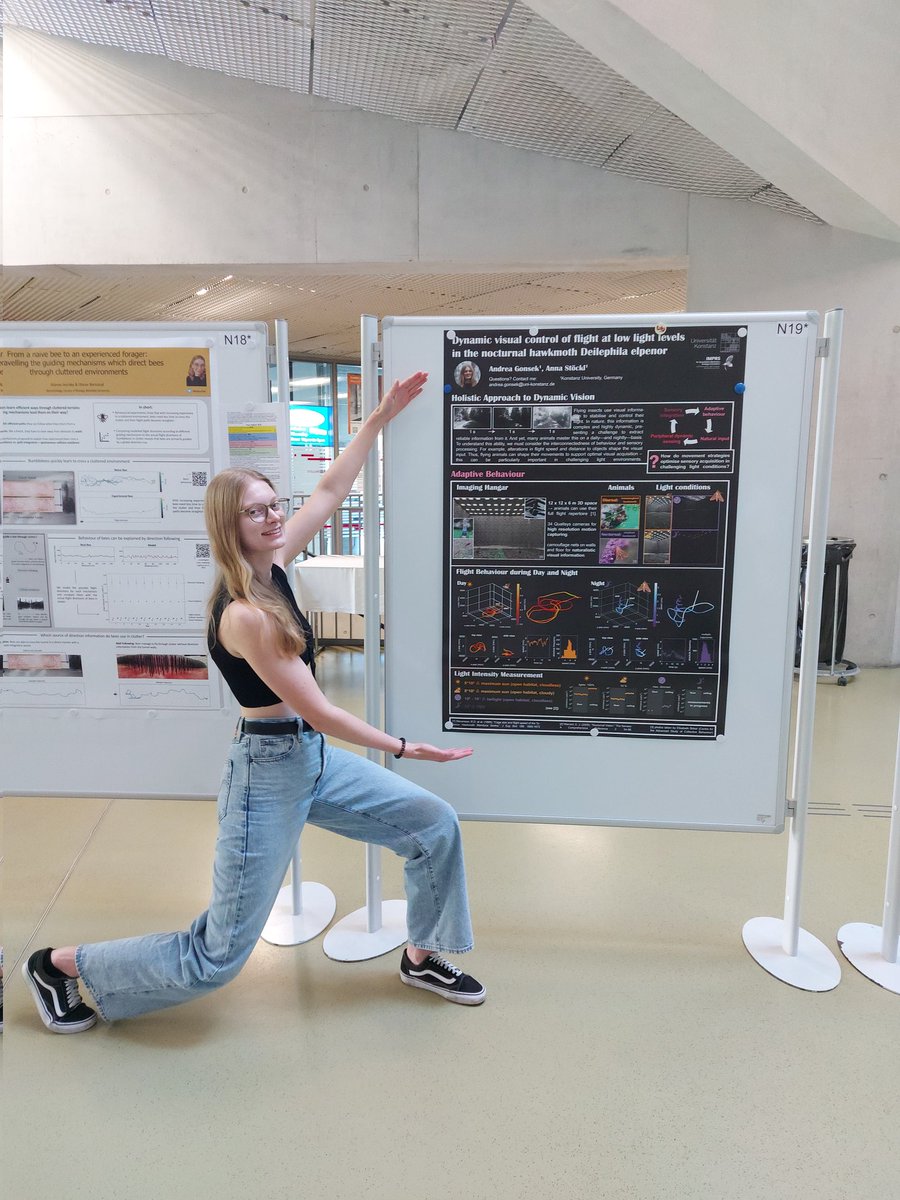
Are you at the #dzg23 and have you ever thought about how flying insects might adapt their flight strategies to optimise visual acquisition in dim light?
Come and check out poster N19 from our @AndreaGonsek!
@DZG_FG_Neurobio@ZoolSocietyGer@MultiscaleC