Important new research highlights the need for safer, affirming exercise environments and targeted strategies to reduce harassment and enhance access to physical activity for trans and gender-diverse adults 🏳️⚧️🏃 https://t.co/JoBXyled4D
New research from the Bentley Lab in @ExpPhysiol. We explore the contribution of left ventricular structure/function to heterogeneity in stroke volume. Check it out here:
https://t.co/Exrncli1wb
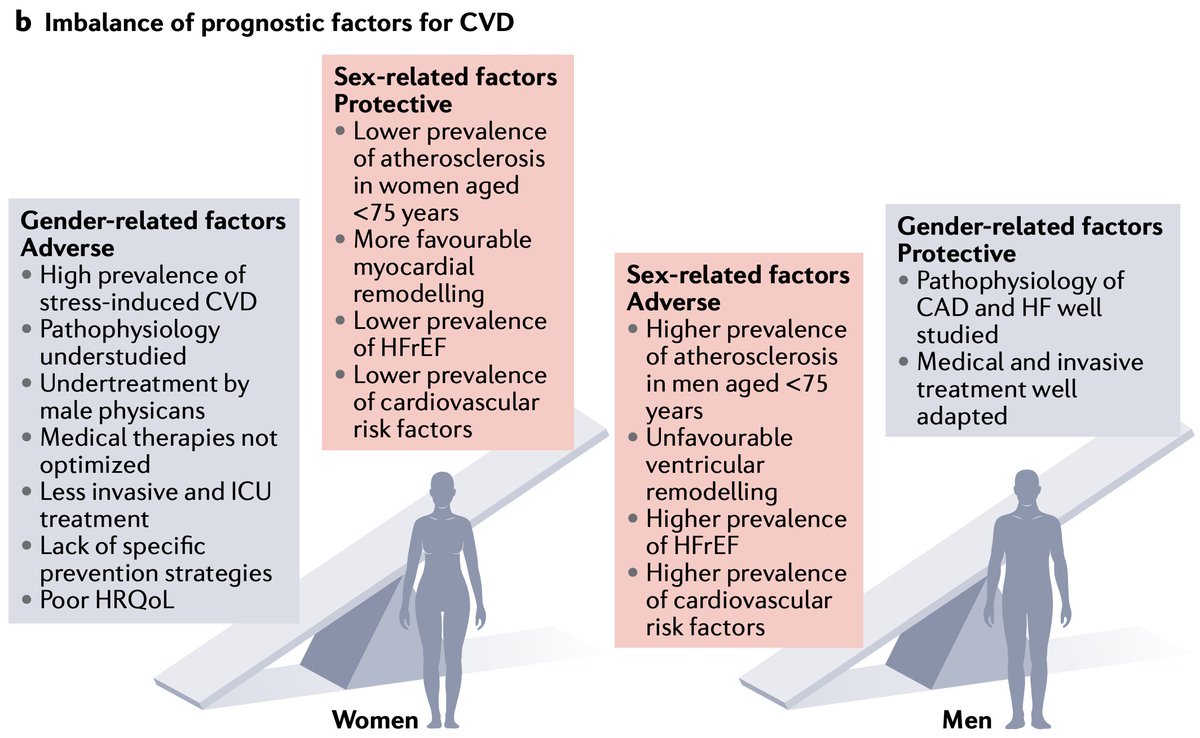
One of my favourite comps readings: Regitz-Zagrosek & Gebhard (2023).
Sex ≠ gender — and in cardiovascular disease, they often push outcomes in opposite directions.
Time for more sex- and gender-specific exercise & nutrition guidelines.
https://t.co/m04Gws4QTr
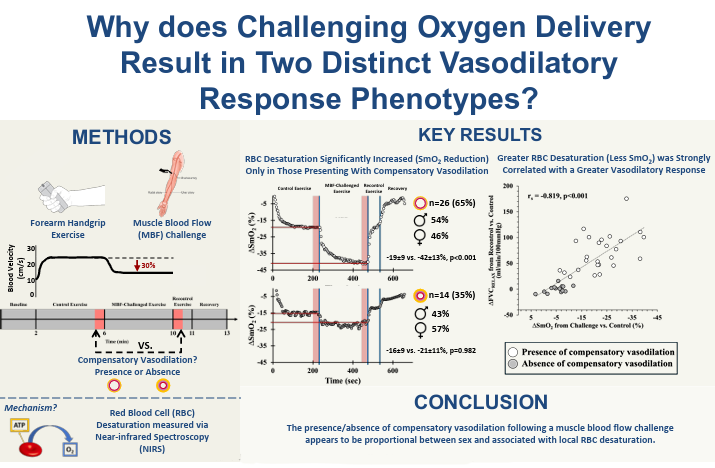
Just some small workouts can do a great deal for your health! The Contribution of Red Blood Cell Desaturation to #Exercising Skeletal Muscle Vasodilation Heterogeneity (Jacob Schwartz et al. @UofTKPE): #ArticleinPress#OpenAccess
https://t.co/qtaqB3fkCV
Capillaries are crucial for delivering blood throughout the body, but how can they exert this control without the ability to physically alter blood flow?
Research by Dr. @CoralMurrant@UofG_HHNS sheds light on how capillaries & arterioles communicate.
🗞️https://t.co/8gEbn9MSod
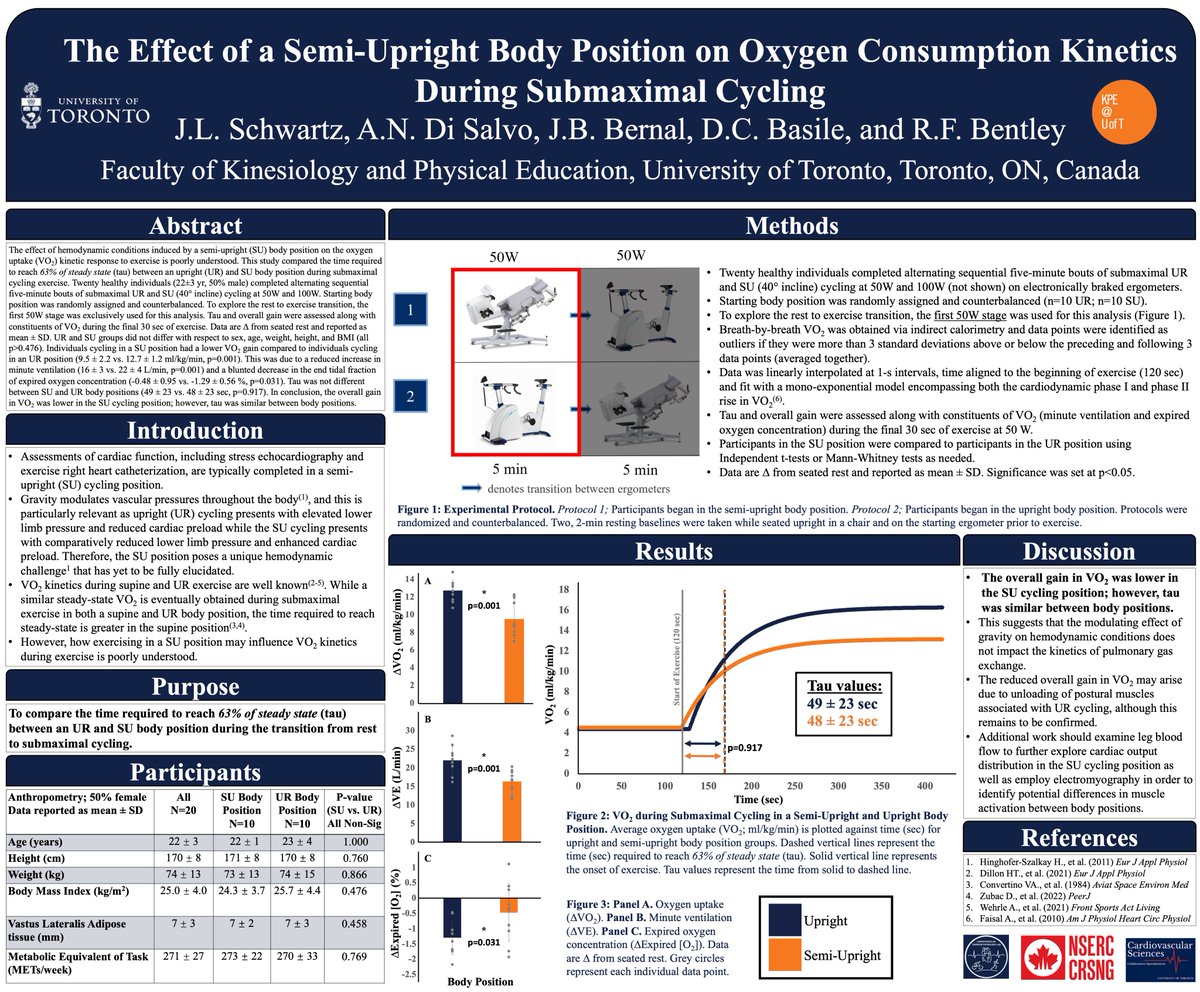
Robert F. Bentley, Jonaline B. Bernal, Daniel C. Basile, Adam N. Di Salvo and @JLouisSchwartz (@UofTKPE) investigate the effect of a semi-upright body position on the cardiovascular, skeletal muscle and ventilatory responses to submaximal cycling!
📜https://t.co/Bf9PfrJrKs
Check out this new paper comparing a hands-free ultrasound probe holder to manual scanning for measuring artery diameter and blood velocity during cycling https://t.co/kGsIC50jXH
Research Article from NJ Nokoff et al. (@BotanicalMito @CUSystem) Differences in cardiorespiratory fitness by gonadotropin-releasing hormone agonist treatment before and after testosterone in transgender adolescents 🚴
🔗https://t.co/oi5p9EPGTn
🏃➡️🏃♀️➡️🏃♂️➡️From SE Hilton et al. (@uofg@Millar_Lab@massnardone @julianbommarito) Test-retest reliability of exercise blood pressure and the workload-indexed systolic blood pressure slope in healthy males and females
🔗https://t.co/dPrYJLYBhj
New research from the Bentley Lab in @ExpPhysiol! We explore the underlying physiology of semi-upright cycling, a body position commonly used when assessing cardiac function. Check it out here: https://t.co/FexRWUKTh0
✋Left-handed? New research uncovers a surprising link between left-handedness and increased cardiovascular disease risk. 🫀Read more: https://t.co/jYKJgdhRJK
#ArticlesInPress: Association between Serum Estradiol and #Cardiovascular Health among Transgender Adults Using Gender-Affirming #Estrogen Therapy
Chantal L. Rytz et al.
https://t.co/KjV4MPvQWP
@satish_r_raj @SofiaAhmedMD @ChantalRytz @DrSandiDumansk
@skippingstoneca
I’m excited to share my first first-author research paper, which demonstrates that arm dominance in untrained individuals does not impact forearm hemodynamics or skeletal muscle desaturation during handgrip exercise https://t.co/RZJ988CLz9
Need: researching #trans#nonbinary impact on health research.
Improving the Inclusion of Transgender & Non-Binary Individuals in the Planning, Completion and Mobilization of Cardiovascular Research https://t.co/sMqDgEN1ja
Skeletal muscle O2 delivery is commonly viewed as being tightly matched to O2 demand; however, previous work showed that ~40% of individuals were unable to match delivery to demand after a challenge to blood flow. My thesis work is exploring why that is.
https://t.co/6YjuSlXDHx
The completion of exercise in a semi-upright body position is common when assessing cardiac function. However, the underlying physiology of semi-upright cycling remains poorly understood. Throwback to #ACSM2023. More to come soon!