Generic wireless path-loss models fall short in mine environments. Researchers highlight the need for mine-specific models to improve network planning, positioning, video transmission & wireless sensing underground. #Mining#WirelessNetwork#MineAutomation
https://t.co/2GzjHez7Xj
Smarter #MineVentilation is driving safer, more efficient mining. Key technologies include digital twins, AI decision-making, and integrated disaster response. #Mining#AI
https://t.co/ywz53luvYA
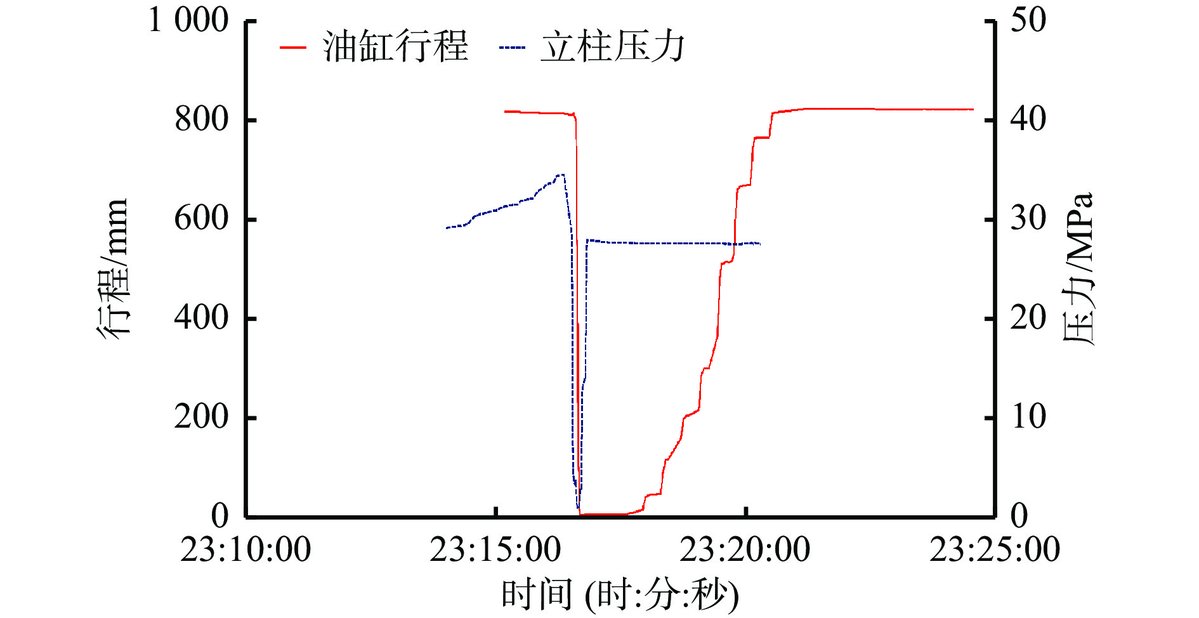
Hydraulic support anomaly detection powered by AI.
The method identifies shutdown fluctuations, overtime shifting, and stroke anomalies with up to 100% precision and 97.87% recall. #Mining#AI#Automation
https://t.co/c4WBXGKlET
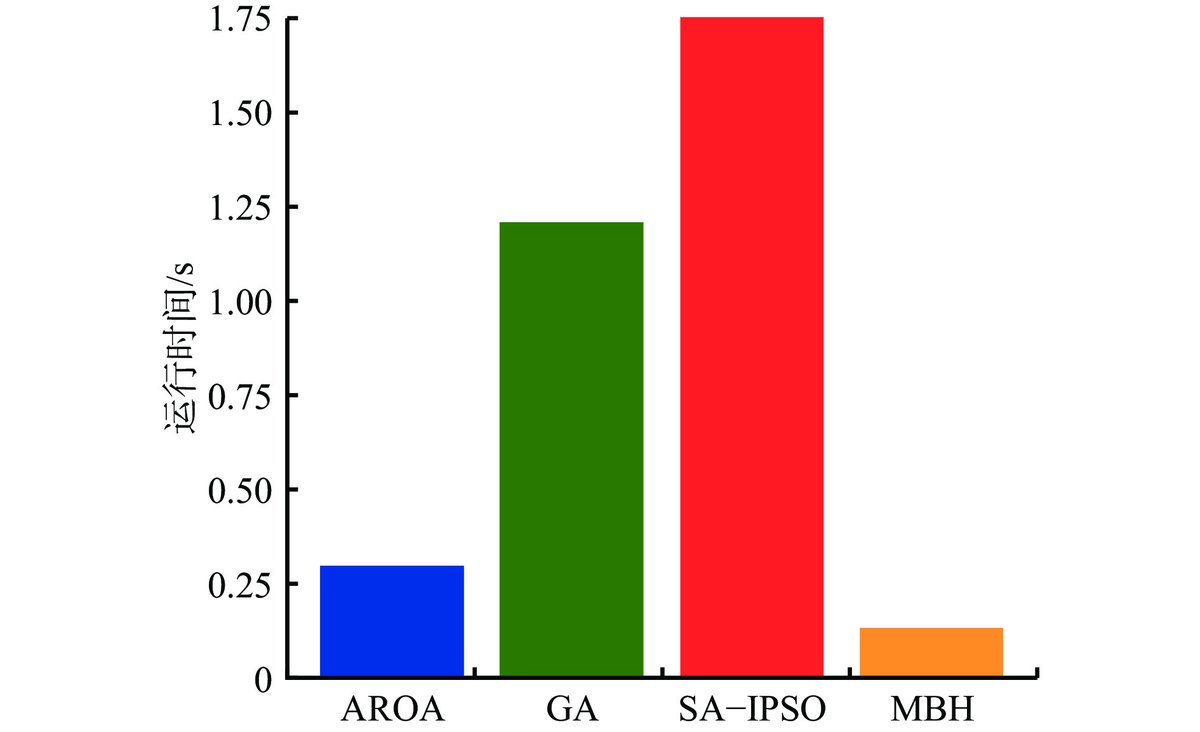
AI-powered mine ventilation optimization.
An improved AROA algorithm reduced fan airflow by 11.2%, air pressure by 10.1%, and power consumption by 20.7% in underground coal mines. #Mining#AI#EnergyEfficiency
https://t.co/5rtkI74p8x
UWB radar is advancing mine rescue with high-precision personnel localization in complex underground environments. Researchers highlight improved multi-target tracking, NLOS detection & adaptive signal for safer rescue operations. #UWB#Mining#MineSafety
https://t.co/Yr56SwkByQ
New advances in intelligent coal mining focus on energy-saving equipment, underground battery swapping, smart variable-frequency drives & magnetic coupling hoists to improve efficiency and reliability.
#Mining#SmartMining#GreenMining
https://t.co/J1zs2uplmA
New research shows acoustic emission + fractal analysis can detect precursor signals before coal failure, improving early warning for crack propagation and mine instability.
#Mining#MineSafety#SmartMining
https://t.co/jRei0W5O74
New study proposes a deep learning method for rock fracture recognition using microseismic signals. The approach achieved 92.12% accuracy, improving rockburst monitoring and fracture classification in underground mines.
https://t.co/tSkFIjaXsG
New study proposes an improved YOLOv5-based denoising method for mine remote sensing images. Using multi-scale feature fusion and residual attention, the approach improved PSNR by 2.5 dB and enhanced image quality in noisy mining environments.
https://t.co/UUOyY1TRz4
New study proposes a deep learning method for detecting unsafe underground miner behaviors. Using improved YOLOv5s and ST-GCN models, the system achieved 98.9% accuracy and real-time recognition for underground safety monitoring.
https://t.co/u38hfBoaLJ
New study proposes an improved artificial bee colony algorithm for intelligent mine airflow-on-demand control. The method achieved faster, more stable airflow optimization with control accuracy up to 0.49 m³/s.
https://t.co/4IYbkQfout
"New study proposes a dual-spectrum imaging method for early mine fire detection. Combining visible + infrared imaging with YOLOv10, the approach achieved 98% accuracy and strong anti-interference performance under dusty conditions.
https://t.co/rjJOHNMxao
New study proposes a semi-supervised learning method for evaluating gas pre-extraction in coal seam boreholes. Using GMM and K-Means, the approach improved clustering accuracy and enhanced extraction-status assessment efficiency.
https://t.co/zBXiUNLfuZ
New study proposes a “cloud-edge-end” intelligent disaster management system for coal mines. Combining AI, edge computing, and digital twins, the platform improves multi-disaster monitoring, early warning, and emergency response efficiency.
https://t.co/aMKnh1qE4Y
New study proposes a unified cross-system data service architecture for coal mines based on industrial internet platforms. The system improved data processing accuracy to 99.57% and reduced response time from 270 ms to 148 ms.
https://t.co/UUJnWYkdO2
New study proposes an improved cascaded broad learning method for shearer gearbox fault diagnosis. The approach improved fault feature recognition under imbalanced data, achieving 94.52% accuracy with fast diagnosis times.
https://t.co/cYXVKV2M8t
New study proposes a LiDAR–inertial fusion positioning method for roadheaders in coal mines. Using ESKF and DBSCAN, the approach improved positioning accuracy in harsh underground conditions, reducing dynamic positioning error to 5.8 cm.
https://t.co/uPjoOkpGaV
New study proposes an acoustic signal enhancement method for belt conveyor idler bearings using histogram noise estimation and Wiener filtering. The approach improved SNR and enhanced fault feature extraction under severe noise conditions.
https://t.co/q4Xoz4J0UA