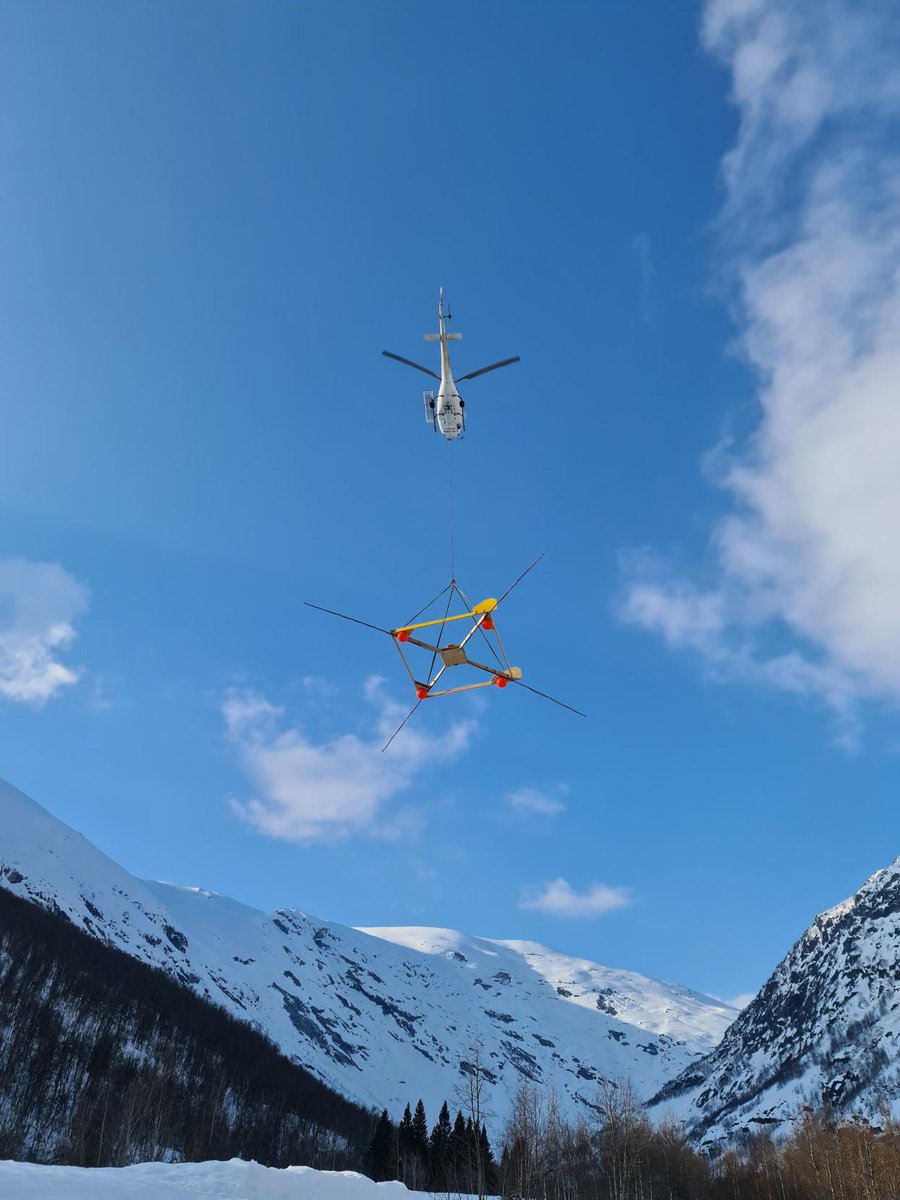
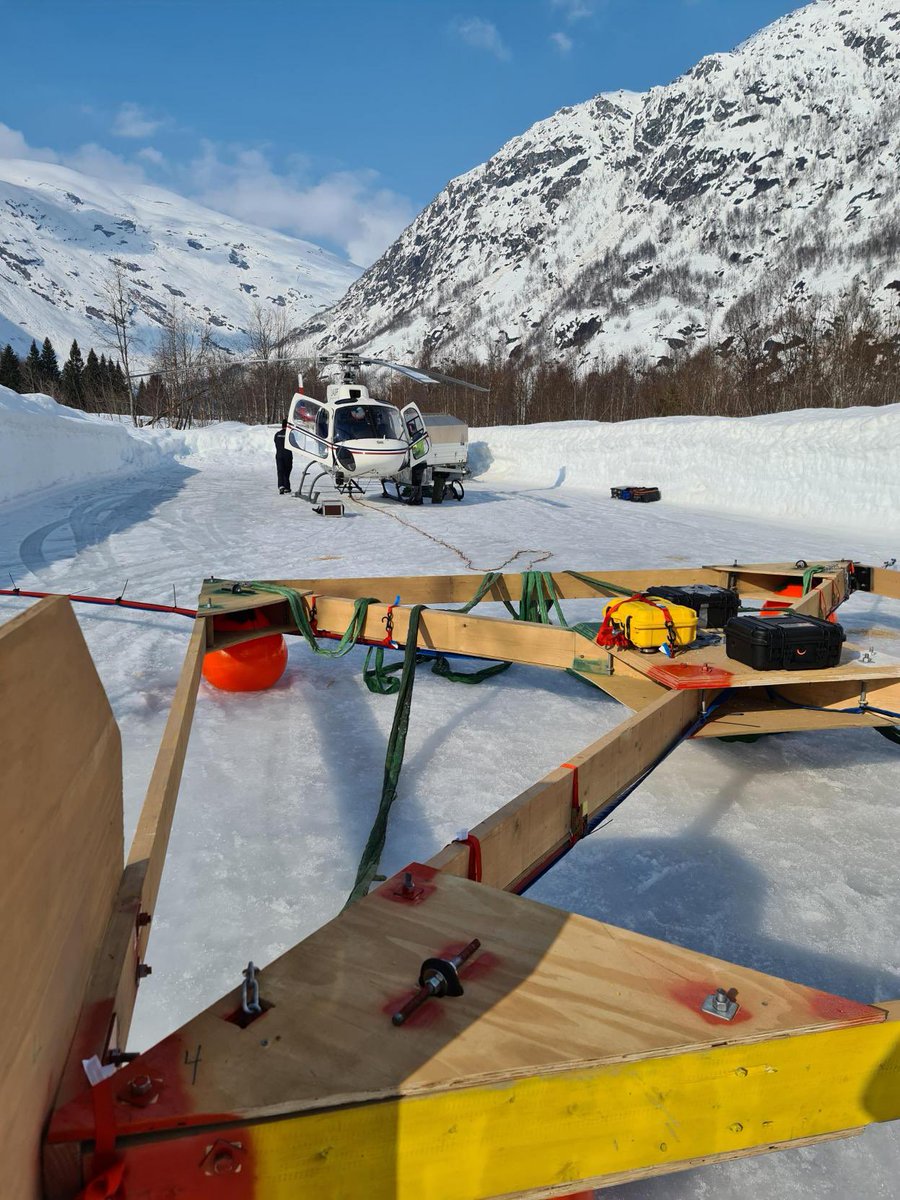
Todays helicopter ice radar survey over Jostedalbreen was bumpy but beautiful! Now we have covered most of the glacier from skidoos and helicopter! @Jostice_Norway @BjerknesBCCR @uibgeo
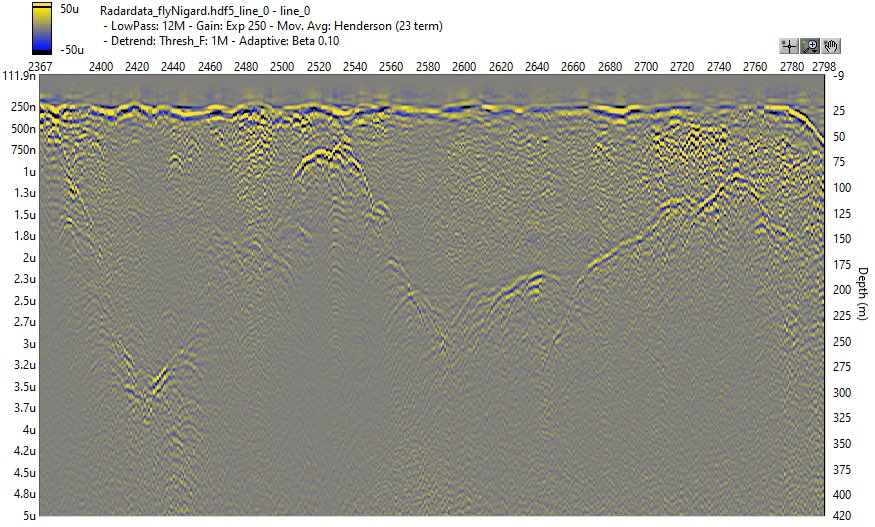
After one year of planning our airborn iceradar are flying over Jostedalsbreen! Nice data! Five outlet glaciers in two hours! Below data from Nigsrdsbreen @Jostice_Norway@uibgeo@BjerknesBCCR
Wrote a small piece for @BjerknesBCCR about our latest paper, summarizing the findings in an understandable context for everyone (Also available in Norwegian).
https://t.co/xP31XVANPl
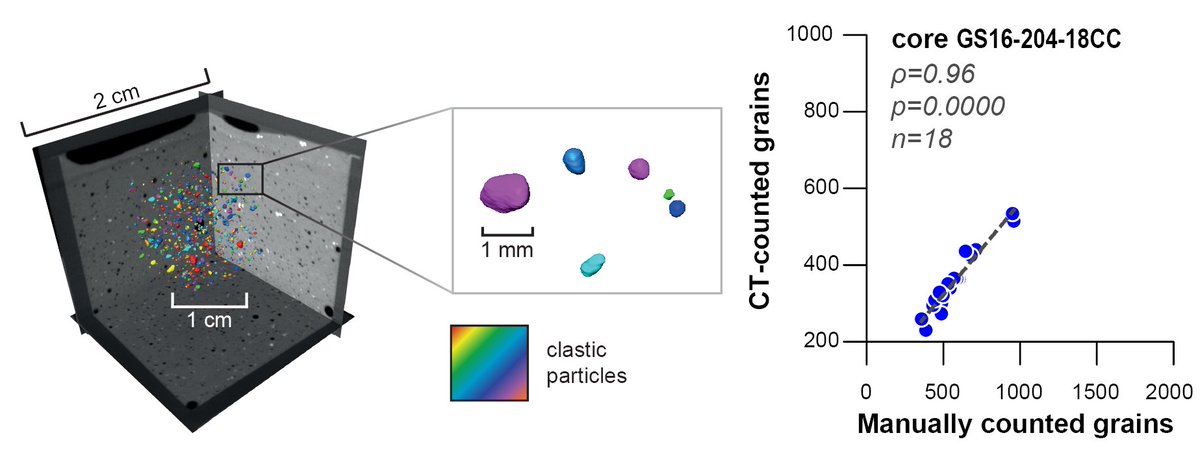
VERY happy to see this published in @AGU_Paleo: CT-derived grain counts reproduce + refine manual Ice Rafted Debris profiles 👇. Great teamwork @sunnivarut@JMCederstrom@EARTHLAB3. Thanks for the support @BjerknesBCCR @bfstiftelse
https://t.co/Dsu32uWKin
Even our ash-spiked fake core revels in the joy of seeing this out: https://t.co/LNVumhV9Ck. Big thanks to @BjerknesBCCR for supporting this, and @JMCederstrom who laid the groundwork with his MSc. Looking forward to more CT work @uibgeo with the support of @bfstiftelse
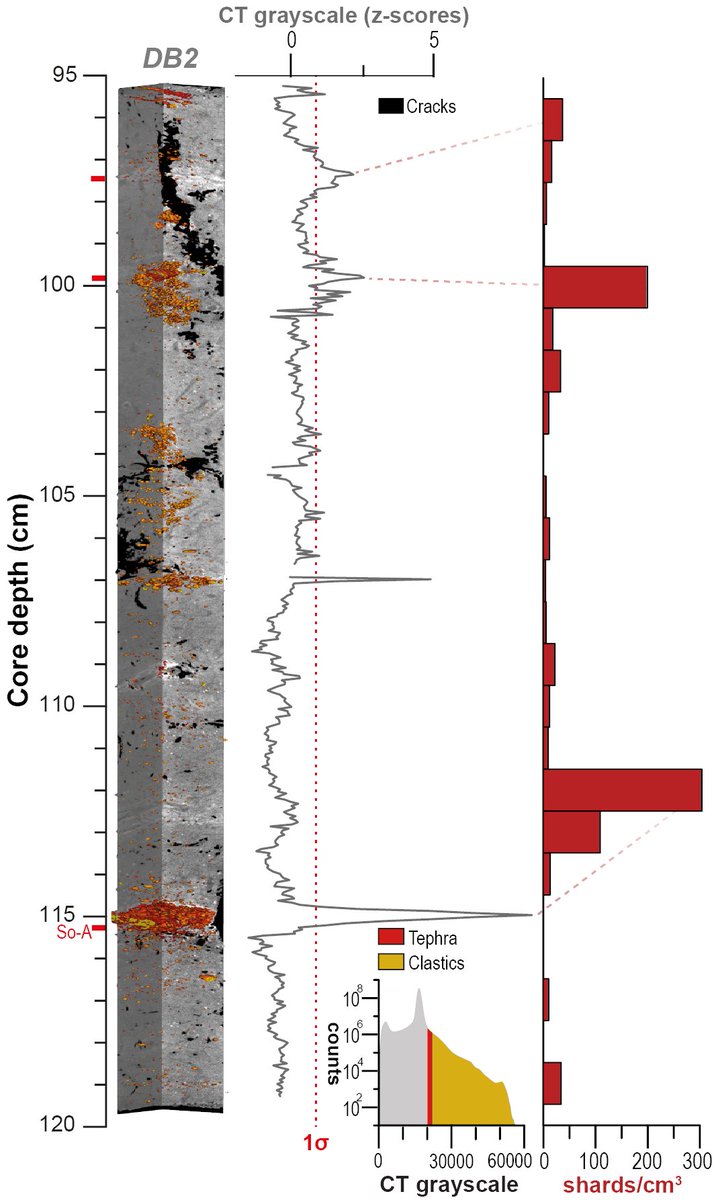
Our research on the use of CT to detect cryptotephra horizons is out! Stay tuned for more exiting applications of the CT-scanner at @EARTHLAB3 https://t.co/vg6dX63yUt
Promising 1st results in our new @BjerknesBCCR project to detect and count Ice Rafted Debris using non-destructive medical CT scanning: invisible particles are easily detected in synthetic cores with a clay matrix 👇. Next: can we reproduce manual counts? @JMCederstrom@uibgeo
The things you do when exploring the potential of CT scans to spot invisible volcanic ash (cryptotephra)👇👇. But worth it though: hear @JMCederstrom talk about our findings - Monday, 11:45, Wicklow Hall 1 @INQUADUB19
Find the differences 👇: manual shard counts (blue) vs. automated CT scan density (orange): #ontrack to find quicker ways to identify invisible volcanic ash (#tephra) in geological archives @UiB@uibgeo@BjerknesBCCR@JMCederstrom