@DavidANicholas Well said David! “If my people who are called by my name will humble themselves and pray and seek my face and turn from their wicked ways, I will hear from heaven and will forgive their sins and restore their land.” 🙏🏼
Jay Wright shares the advice he gives to young athletes.
"Run your own race. Be the best that you can be every day and don't compare yourself to someone ahead of you or even someone behind you."
Your goal is to stay humble and hungry every day.
• Ego is the enemy.
• Comparison kills progress.
You control two things every single day: your effort and your attitude.
He poses 2 questions that you should ask yourself at the end of every day.
1. Did I give my best effort?
2. Did I have a great attitude?
If you didn't, be honest. Then wake up and control what you can.
Best effort. Best attitude. Complete Ownership.
(🎥 Tipping the Scales Podcast)
"Today is a blessing - what are you prepared to do with it?"
Much appreciative of @notthefakeSVP speaking to the team this morning with some great life lessons!
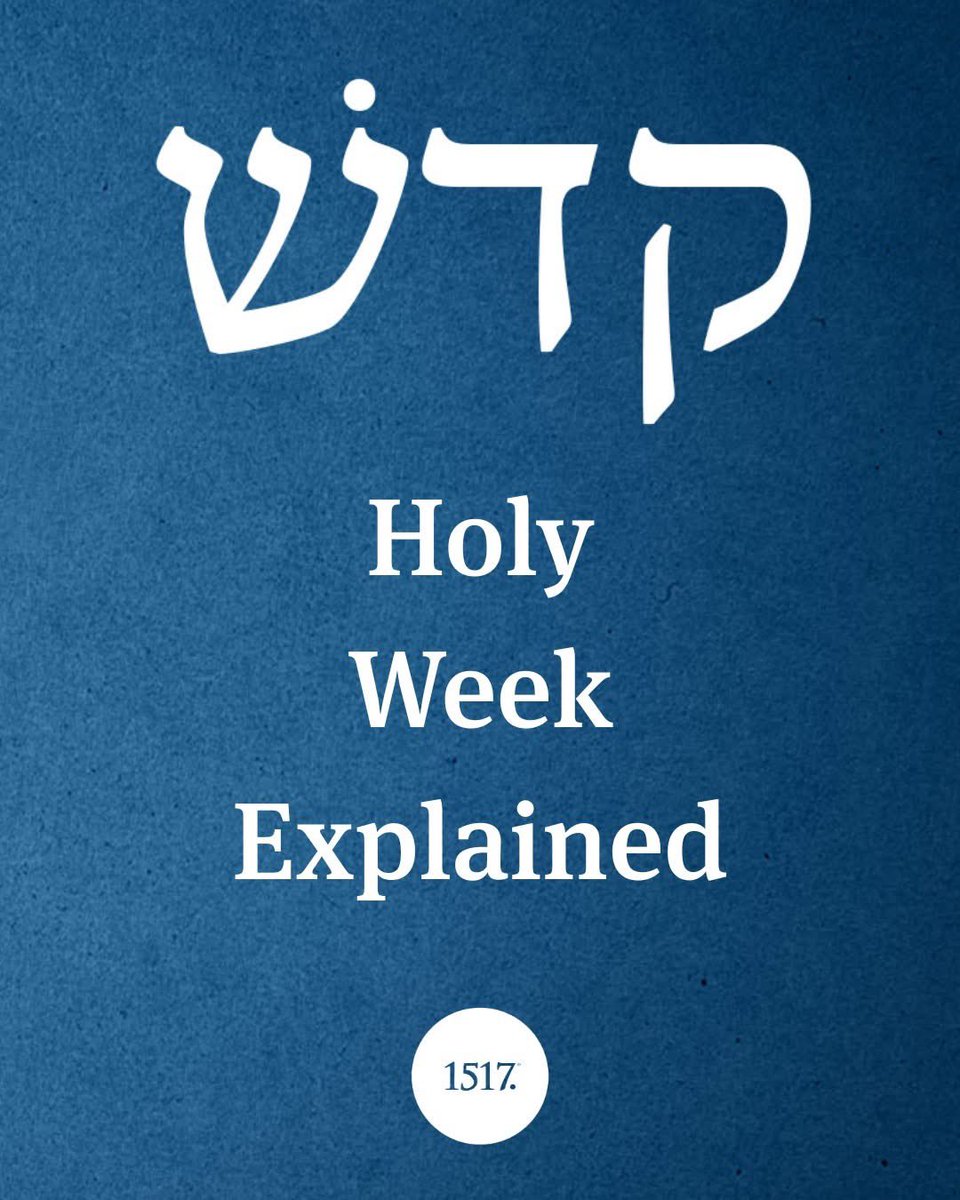
Q: What is Holy Week?
A: Holy Week is the period from Palm Sunday to Resurrection Sunday, marking the climactic moments of Jesus Christ’s life, death, and resurrection.
Q: Why is it called "Holy Week"? Can time really be holy?
A: While we often associate holiness with people (saints) or places (sanctuaries), the Bible also describes time as holy. In Genesis 2:3, God sanctified (Hebrew: קדשׁ) the seventh day, making it holy because he rested from his work. This shows that time can be set apart for divine purposes.
Q: What does the Torah teach about holy time?
A: The first thing called “holy” in creation was not a place or a person, but a day—the seventh day, which God sanctified. This set a pattern of God drawing certain times into his holiness, making them uniquely his.
Q: How does Holy Week fit into this idea of sacred time?
A: Holy Week is a time uniquely dedicated to reflecting on Jesus Christ’s saving work. It is when all of his mission—his suffering, death, and resurrection—reaches its fulfillment.
Q: What key events happen during Holy Week?
A:
Palm Sunday: Jesus enters Jerusalem as the messianic Son of David.
Maundy Thursday: He fulfills Passover in the Last Supper.
Good Friday: He becomes the ultimate sacrifice, fulfilling the Day of Atonement.
Holy Saturday: He rests in the tomb, mirroring the Sabbath.
Resurrection Sunday: He rises in victory, defeating death.
Q: Why should Holy Week matter to us today?
A: Holy Week reminds us of Christ’s sacrifice and victory. It is a time for deep reflection on who he is, what he accomplished, and the ongoing gifts he gives to his people through his church.
Q: How can we observe Holy Week meaningfully?
A: By meditating on Christ’s journey, participating in worship, and embracing the grace that flows from his passion, death, and resurrection.
May Jesus bless you during these sacred days as you reflect on his love and redemption.
A quick and easy tip for building habits that last:
Pick a standard time and place to do it.
It’s easier to wake up knowing “I exercise at 4pm” than to decide each time when to fit a habit into your day.
If it’s already decided, all you need to do is show up.