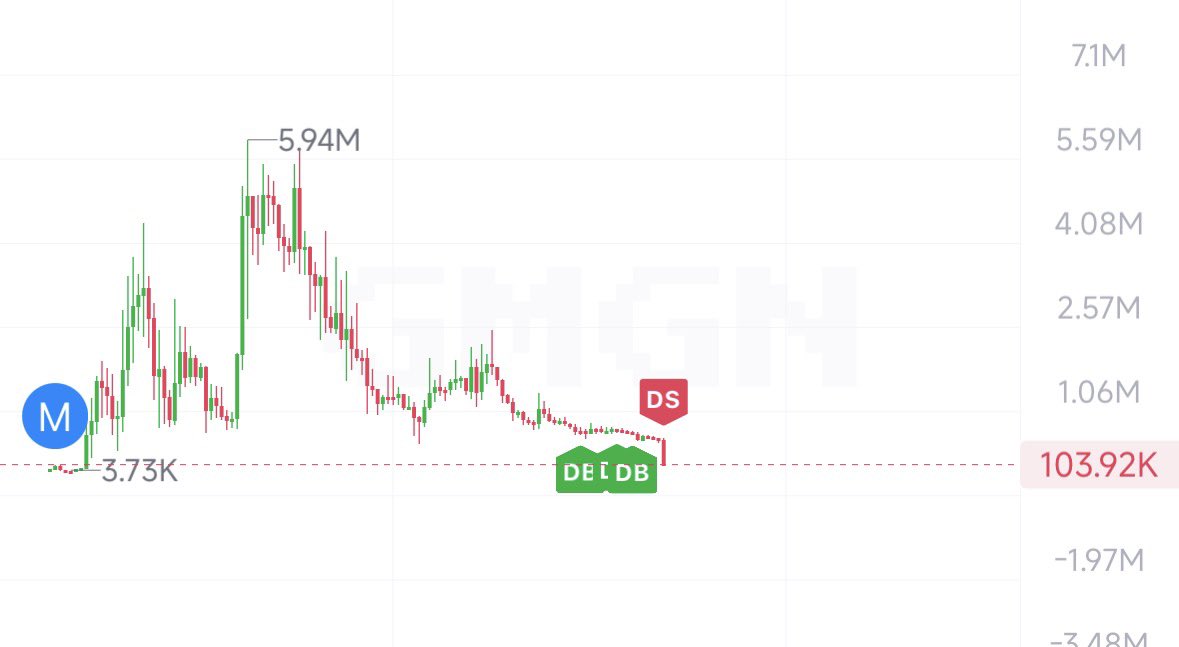
the model in that clip has no good signal in it. it still put up +17% against the index's +5%
the formula is doing the work
R(t) = (Rmax / 7) · Σ s_i(t)
seven separate signals, each scored, averaged into one number
that's the entire model. no genius indicator anywhere in it
and that's the part retail keeps missing
retail hunts for the one signal that works
a desk assumes every individual signal is weak and builds around that assumption
here's why that assumption wins
take N signals, each with sharpe s, and average them
if they're uncorrelated, the combined sharpe is:
s · √N
seven weak signals at sharpe 0.3 each
0.3 × √7 = 0.79
nothing in that stack survives a backtest alone. together they clear the bar
the noise in each signal is independent, so averaging cancels it
the edge in each points the same way, so averaging keeps it
that asymmetry is the whole mechanism
but there's a catch, and it's the one that kills retail attempts
correlation. the real formula is:
s · √( N / (1 + (N−1)ρ) )
at ρ = 0.5 those same seven signals give:
0.3 × √(7 / 4) = 0.40
half the benefit, gone
seven versions of momentum with different lookbacks aren't seven signals. they're one signal, repeated
so the search isn't for better signals
it's for signals that are wrong at different times
grinold formalized this in 1989. the fundamental law of active management:
IR = IC × √breadth
skill per bet times the square root of how many independent bets you take
you can be barely right, as long as you're barely right about many uncorrelated things
renaissance doesn't run one model. it runs thousands of weak ones
that's not a compromise. that's the design
retail asks "is this signal good enough to trade"
a desk asks "what does this add that i don't already have"
the math is public. grinold's paper, every portfolio theory textbook
the correlation matrix that tells you whether your signals are actually distinct is three lines of python
they weren't finding better signals
they were finding signals that disagree
full breakdown in the article below