82 years ago today was D-Day.
If you have 7 minutes and 16 seconds to spare in your life today, watch this video about some of the events that unfolded during that day.
Let their brave souls never be forgotten.
90% of the soldiers on the first boats to hit the beach didn't live to see the end of the day. Look at those faces. Some of them never made it to 18.
Never forget that they paid the ultimate price for our freedom. We live our lives the way we do because of them.
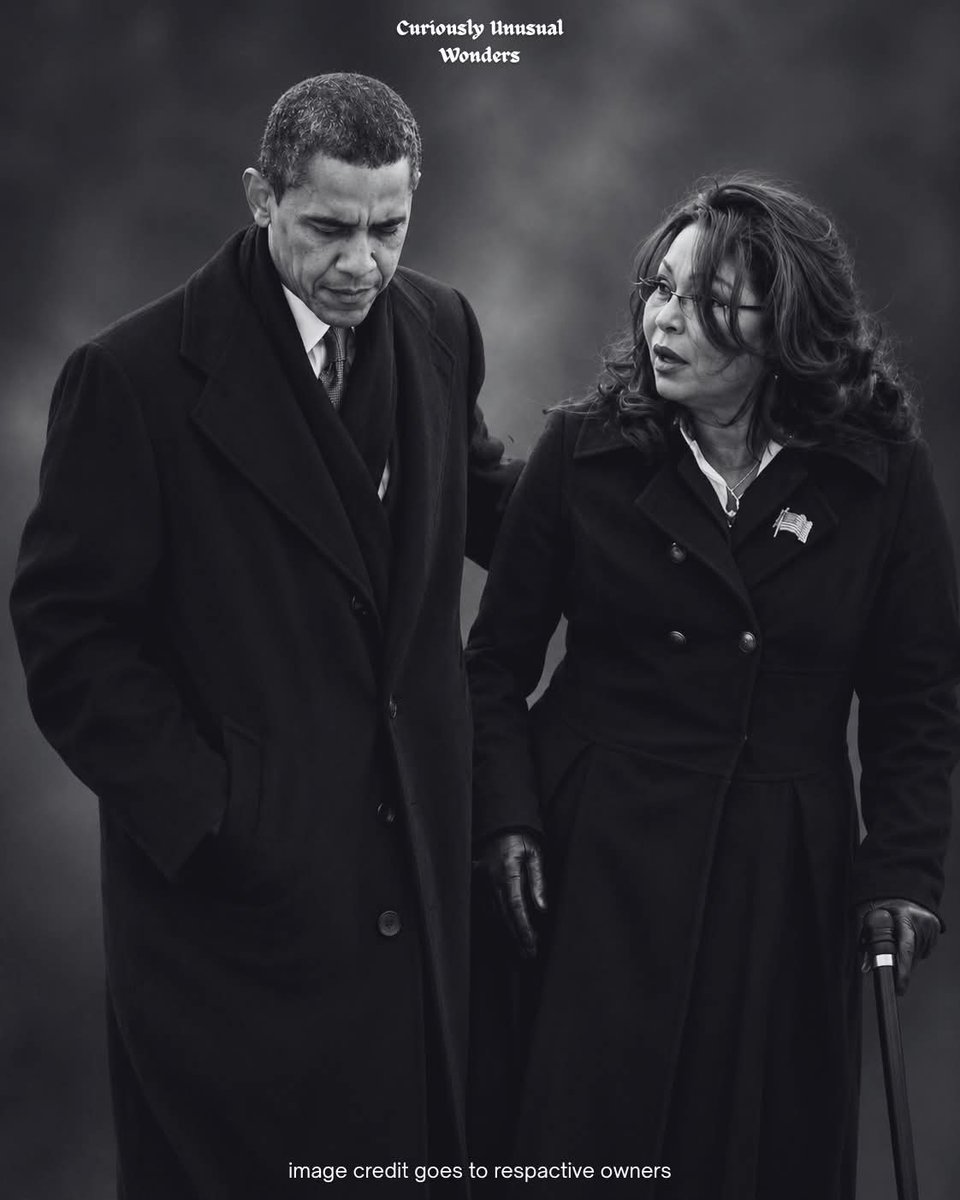
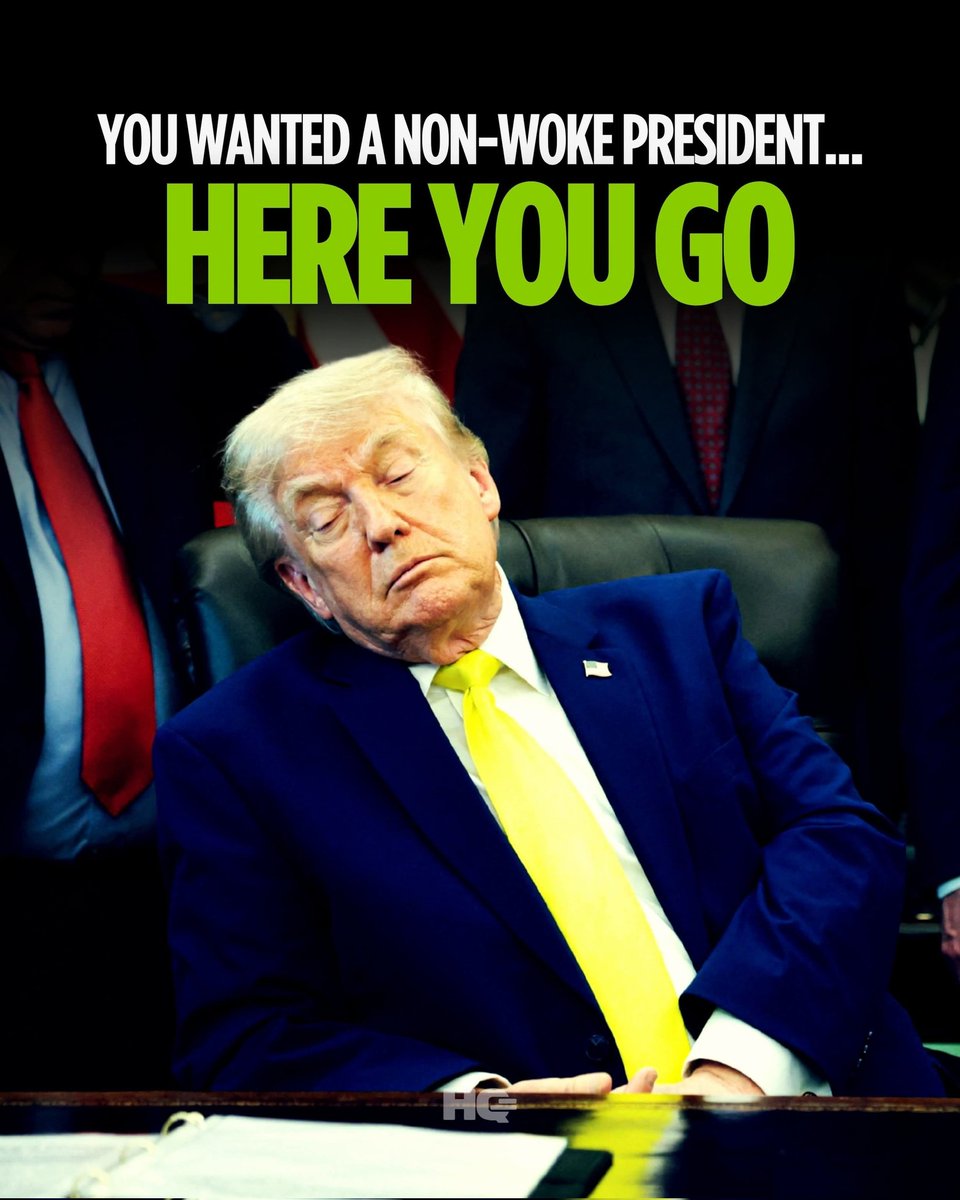
Before I paste the text that came with this photo, I just want to say this: Senator Tammy Duckworth has more courage, bravery, self-sacrifice and compassion in her pinkie finger than President Donald Trump has in his wildest dreams. Read on:
November 11, 2008.
Barack Obama had been president-elect for only seven days. The world was tracking every move he made. Reporters wanted statements. Cameras wanted moments. Washington expected spectacle.
Instead, Obama chose silence.
That Veterans Day, he traveled to the Bronze Soldiers Memorial near Soldier Field in Chicago and walked beside a woman who understood sacrifice more deeply than most Americans ever will.
Her name was Tammy Duckworth.
Four years earlier, she had lost both her legs in Iraq.
In November 2004, Captain Duckworth was co-piloting a Black Hawk helicopter north of Baghdad when a rocket-propelled grenade tore through the aircraft.
The explosion nearly killed her instantly.
Her right leg was destroyed. Her left leg was shattered beyond repair. Her arm suffered severe damage as the helicopter crashed to the ground.
She survived.
But survival came with months of surgeries, rehabilitation, and learning how to live inside a completely different body.
At Walter Reed Army Medical Center, during some of those darkest days, a junior senator from Illinois walked into her hospital room.
Barack Obama sat down and listened.
Not for headlines.
Not for cameras.
He listened as Duckworth explained how wounded veterans were being failed by the very system meant to support them.
Later, he asked her to testify before the Senate Veterans Affairs Committee.
She spoke honestly about delayed care, endless paperwork, and veterans abandoned after returning home from war.
Obama remembered every word.
In 2006, Tammy Duckworth became Director of the Illinois Department of Veterans Affairs. She fought relentlessly for veterans struggling with disability claims, PTSD, and broken bureaucracy.
Obama’s Senate office came to know her well.
She kept calling.
Kept pushing.
Kept fighting for people too exhausted to fight alone.
Then came Veterans Day 2008.
Obama could have attended any major ceremony in the country. Instead, he asked Duckworth to join him at a quiet memorial ceremony closed to the press.
No speeches.
No performances.
No political theater.
Just shared silence between two people who understood what service actually costs.
Tammy Duckworth never stopped serving.
She later became a congresswoman, then a United States senator, and the first sitting senator to give birth while in office.
But that quiet moment in Chicago still says the most.
Because real leadership is not about being seen.
It is about showing up for people when nobody is watching.
DJI drone tech saves lives again! 🚁 @FDNY spotted 2 struggling swimmers off Rockaway Beach, dropped a flotation device & helped rescue them #DJIEnterprise#DronesSaveLives
https://t.co/j96zk77LYP
What is happening inside this unusual nebula?
Planetary nebula Tc 1, captured here in exquisite detail by the James Webb Space Telescope, is the celestial site where buckyballs were first identified in 2010.
Buckminsterfullerene — as buckyballs are officially called — is a molecule with 60 carbon atoms (C60) arranged in the shape of a soccer ball.
The molecule is named for architect Buckminster Fuller because of its resemblance to the geodesic dome he helped popularize. Webb’s new data reveal where the C60 molecules live in this nebula, and the geometry is striking: they populate a thin spherical shell around the central star, visible here as the bright edge of the nebula’s glowing orange central region.
Look closely near the nebula’s heart and a more perplexing feature emerges: a delicate structure shaped uncannily like an upside-down question mark, fitting punctuation for the many questions this nebula still poses.
Image Credit: NASA/ESA/CSA/J. Cami (Western University); Image Processing: K. Beecroft
Text: Jan Cami (Western University) & Cecilia Chirenti (NASA GSFC, UMCP, CRESST II)
The explosion is over, but the consequences continue.
About twelve thousand years ago, a relatively normal star in the constellation Vela suddenly exploded, creating a strange point of light briefly visible to humans living near the beginning of recorded history.
The outer layers of the star crashed into the interstellar medium, driving a shock wave that is still visible today.
The featured image, taken piecemeal over 60 hours from the Khomas Region of Namibia, captures some of that filamentary and gigantic shock in visible light, with details highlighted by hydrogen (red) and oxygen (blue) emissions.
As gas flies away from the detonated star, it decays and reacts with the interstellar medium, producing light in many different colors and energy bands.
Remaining at the center of the Vela Supernova Remnant is a pulsar, a star as dense as nuclear matter that spins around more than ten times in a single second.
Image Credit & Copyright: José Mtanous