“Roberto Lang was the visionary man who taught us how to see and measure the heart.”
The many stories shared about Dr. Lang had the audience smiling, laughing, and crying. What an absolutely extraordinary man.
Excellent talk at #ASE2026 by Leadership Academy graduate Lynsy Friend on the new @ASE360#EchoFirst right heart/PH guidelines.
🔹RV strain & RV/PA uncoupling now incorporated
🔹TAPSE/S' frequently overestimate RV function.
🔹Exercise hemodynamics may unmask exercise-induced PH
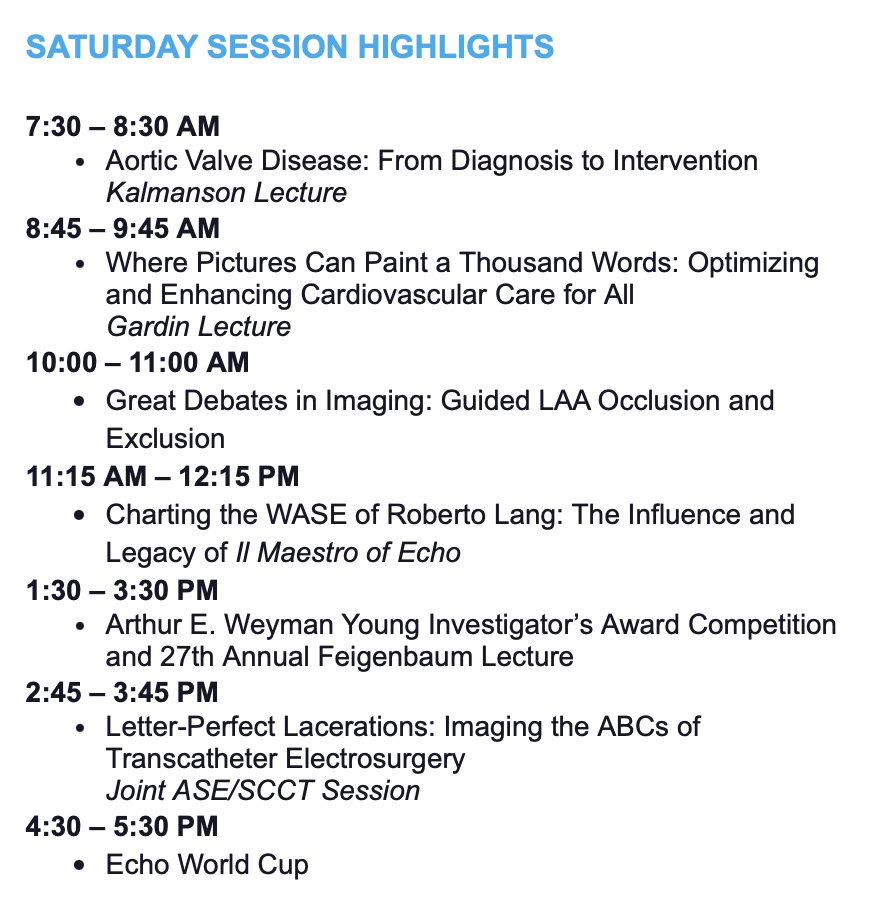
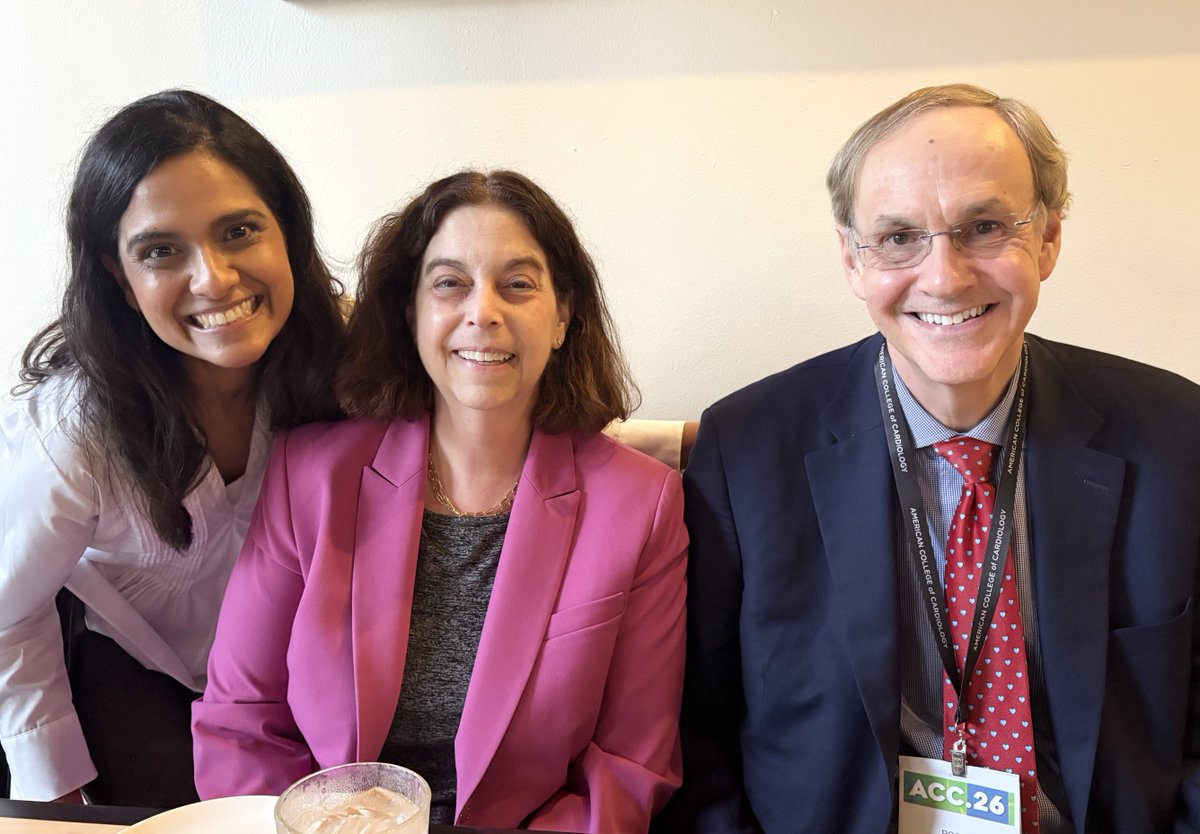
#ASE2026 Day 2 is filled with outstanding sessions, from the Kalmanson and Gardin Lectures, the Young Investigator Competition, and a special tribute to my dear friend and mentor @robertomlang's remarkable legacy in #EchoFirst. @ASE360
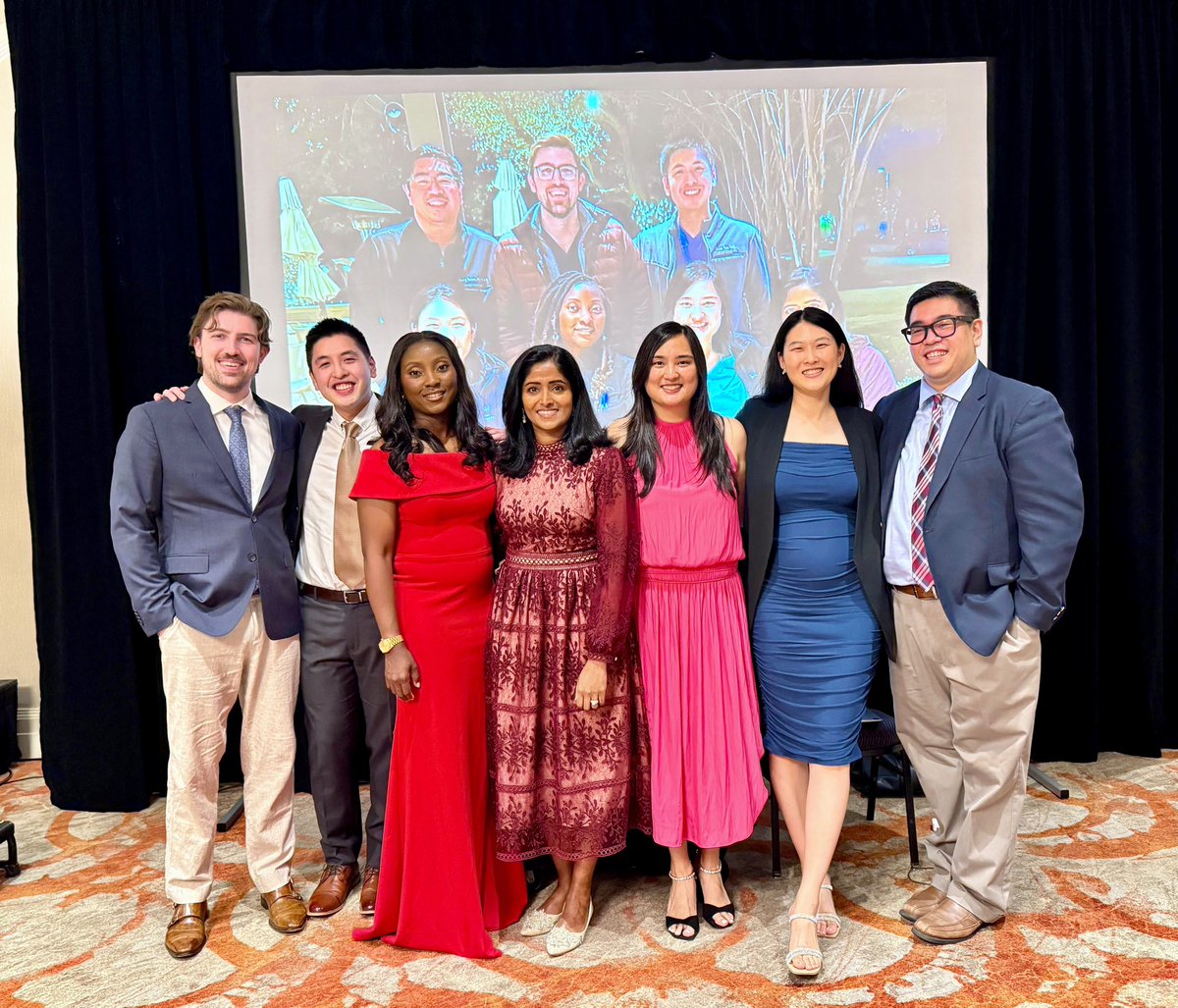
The @ASE360 leadership academy has been one of the most formative experiences of my career. It is amazing to be a part of a society that invests so much in its early career members!
The @CiccaroneCenter & HopkinsHeart are proud to announce the Promotion to Full Professor for our esteemed colleague & very close friend Dr. Allison Hays!
here's Michelle Obama's entire speech commemorating the opening of the Obama Presidential Center, which in part served as an extended (tacit) rebuke of Trumpism
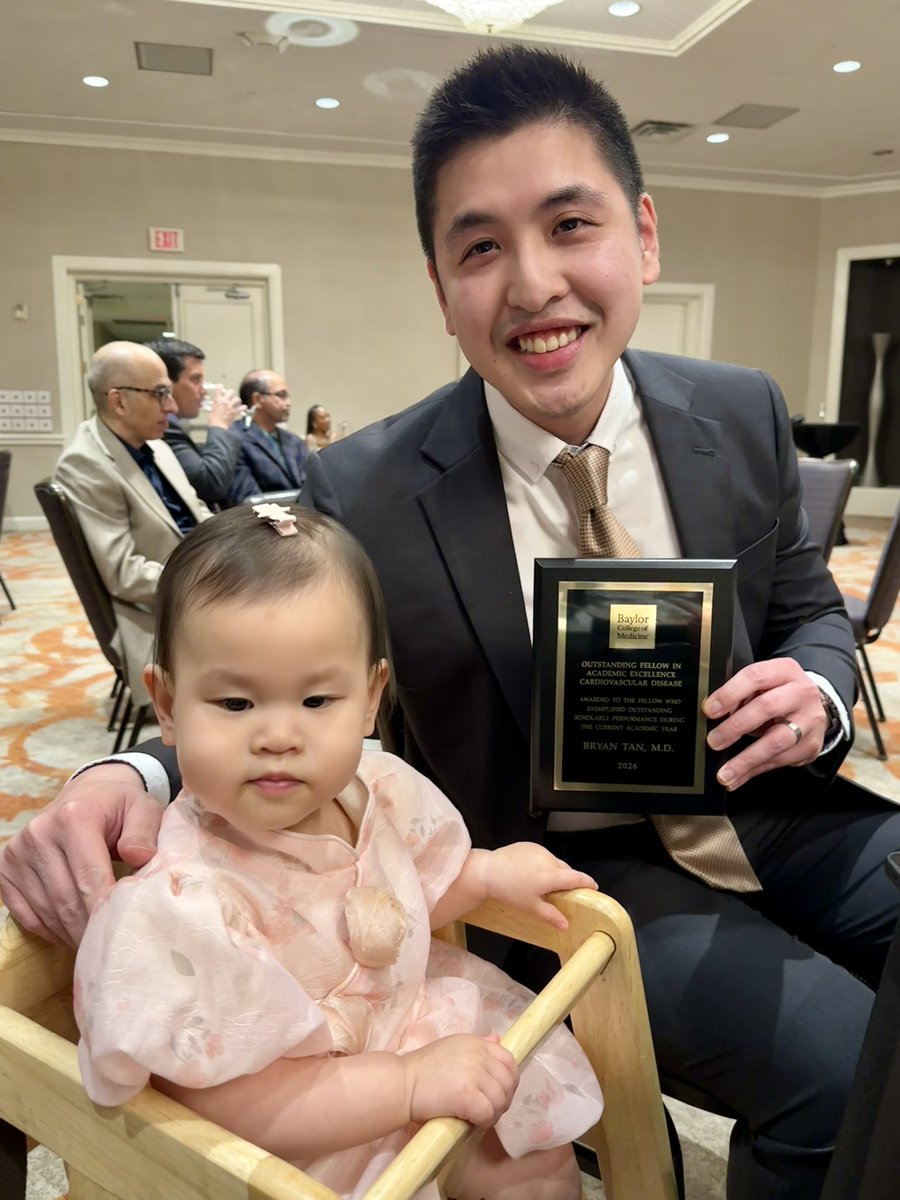
Proud to share that I graduated from CVD Fellowship at @BCMHeart with the Outstanding Fellow in Academic Excellence Award. I’m incredibly grateful for the unwavering support of my wife and family throughout this journey. My dream of becoming a cardiologist has finally come true!
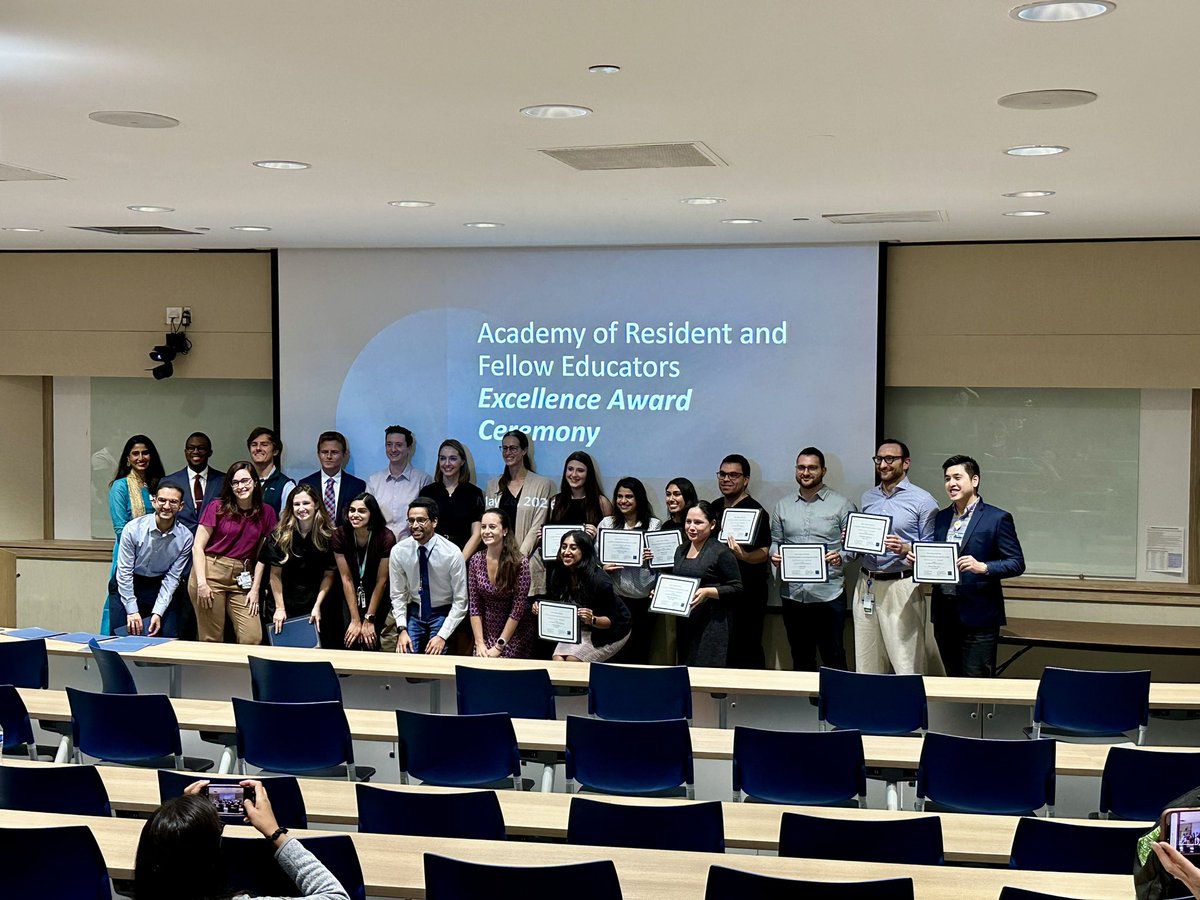
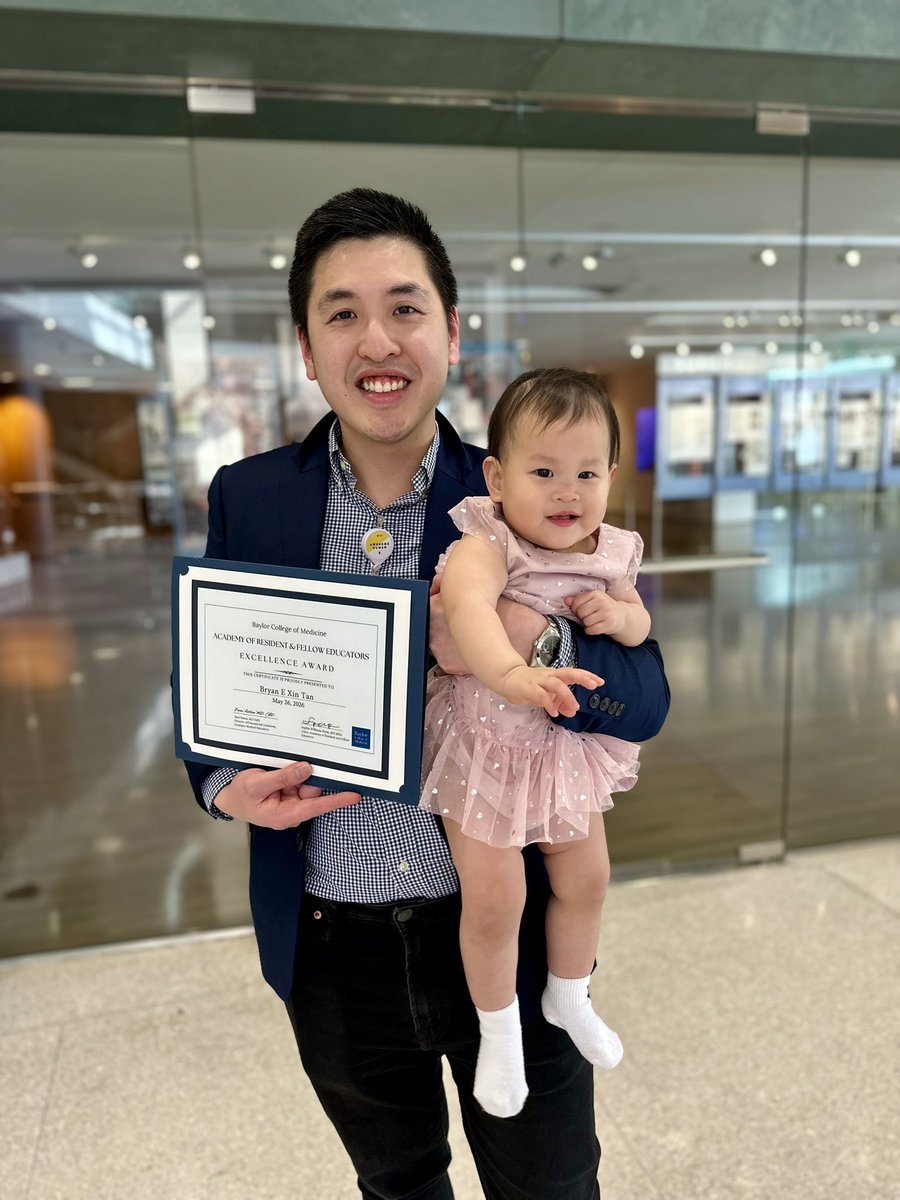
Honored to received the Trainee Excellence Award 🏅from the Academy of Resident and Fellow Educators at @bcmhouston. I’m thankful to my wife & family, program director @arunima_misra and my mentors at @BCMHeart for their unwavering support in my career and in life 😇 #ACCFIT
The @CiccaroneCenter is proud to announce the Promotion of Dr. Monica Mukherjee to Full Professor at The Johns Hopkins University. Congratulations, Professor!! @MMukherjeeMD@hopkinsheart. Monica is an expert in echocardiography, pulmonary hypertension, the RV & so much more.
You open ChatGPT. You type the question. A clean, structured answer comes back in three seconds. You read it, it makes sense, you move on. You feel like you learned something.
Forty-five days later, a professor walks in and hands you a test you weren't expecting. You don't remember most of it.
André Barcaui at the Federal University of Rio de Janeiro ran the experiment to find out if the feeling was accurate. 120 undergraduate business students, ages 18 to 24. All told to spend two weeks researching AI concepts, ethics, societal impacts, technical foundations, and prepare a 10-minute presentation.
Sixty used ChatGPT freely. Sixty used textbooks, library databases, articles, and standard web search. Then, 45 days later, with no warning, a retention test.
The ChatGPT group scored 57.5%. The traditional group scored 68.5%. Cohen's d was 0.68, a medium-to-large effect. In most grading systems, that's the difference between passing and failing.
This is called cognitive offloading. When your brain delegates thinking to an external tool, it reduces the mental effort required during encoding. Effort is what makes memories durable. Struggling to find, synthesize, and connect information is not an inefficiency in the learning process. It is the learning process. ChatGPT removes the struggle and takes the encoding with it.
Barcaui calls what the AI group experienced "borrowed competence." The answer was structured, the vocabulary was right, the reasoning felt sound. It just wasn't theirs. And 45 days later, it was gone.
The AI group's forgetting curve was steeper and didn't stabilize the way the traditional group's did. The memories weren't just smaller. They were more fragile from the start.
You didn't learn it. You borrowed it.
Today’s Supreme Court decision effectively guts a key pillar of the Voting Rights Act, freeing state legislatures to gerrymander legislative districts to systematically dilute and weaken the voting power of racial minorities - so long as they do it under the guise of “partisanship” rather than explicit “racial bias.” And it serves as just one more example of how a majority of the current Court seems intent on abandoning its vital role in ensuring equal participation in our democracy and protecting the rights of minority groups against majority overreach.
The good news is that such setbacks can be overcome. But that will only happen if citizens across the country who cherish our democratic ideals continue to mobilize and vote in record numbers - not just in the upcoming midterms or in high profile races, but in every election and every level.