Creeping closer to the ridge, Kathryn secreted herself in the bushes to observe the Dragoon Camp below. Intensely focused, she heard not so much as a twig snap until large hands grabbed her roughly from behind and yanked her from hiding. She'd pressed her luck too far this time!
Fact and Fiction so seamlessly interwoven the vivid scenes and relatable characters of
'The Beyond Trilogy' will leave you wondering: is this really fact or - fiction? https://t.co/elbd3AybCe
The super hot weather we're experiencing here in the South is incredible. Tempers flare and kind words are rarely heard. Makes me wish I was back in Massachusetts! Lol! However, friends back home say it's just as bad there! https://t.co/elbd3AybCe
Have you noticed that our Cell Phones seem to own us? Try setting yours aside and pick up a fantastic book. The Beyond Trilogy will take you to ‘Neverland’ and back with just the turn of a page. I can promise you that.
In November 1967, ex-Marine John "Chickie" Donohue realized that some of his friends serving in Vietnam needed a morale boost. He decided to travel 8,000 miles to the war-torn country, sneaking in to bring them some ice-cold beers.
U.S. Marine Kevin McLoone was driving a jeep through An Khe during the height of the Vietnam War in late 1967 when he was astonished to see someone familiar. It was none other than John Donohue, a friend from his old neighborhood in New York, standing by the side of the road, attempting to flag down a ride. What made it even stranger was that Donohue was wearing civilian clothes and carrying a duffel bag full of beer. Donohue then informed McLoone that he had made an 8,000-mile journey from New York to Vietnam specifically to locate his friends and uplift their spirits with some cold brews. McLoone, taken aback by the situation, responded, "That's a hell of a beer run."
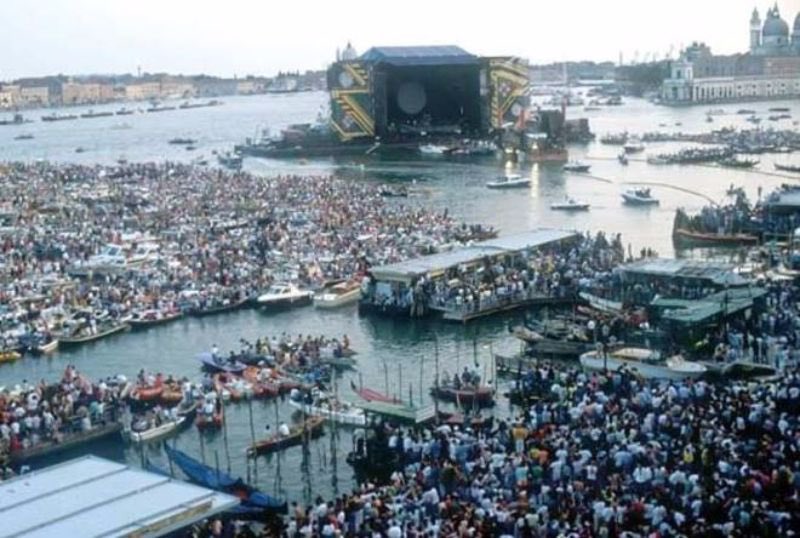
In 1989, an extraordinary event unfolded in Venice as Pink Floyd performed a memorable concert on a floating stage near San Marco's Square. This captivating spectacle captivated an astounding crowd of over 200,000 devoted fans. However, the aftermath of this performance resulted in the resignation of the mayor and the entire city council.
The city authorities had orchestrated a remarkable free concert with intentions to broadcast it across more than 12 countries. Their rationale was rooted in the belief that Venice should embrace contemporary trends, including the realm of rock music.
Nevertheless, this decision stirred a diverse range of reactions among the Venetians, with the older generation expressing particular opposition. They harbored concerns about potential logistical challenges and the risk of harm to the city's cherished ancient structures and monuments. Additionally, they perceived the concert as a threat to the cultural significance of the Redenetore Festival, which coincided with the event.
Augusto Salvadori, a former Venice commissioner for tourism, voiced his dissent in an article published by the New York Times. He maintained that historical venues should remain true to their heritage and not host events that deviate from their intrinsic character. He advocated for rock concerts to be held in football stadiums rather than in the esteemed Piazza San Marco.
Tickets on sale now! 𝘚𝘰𝘶𝘯𝘥 𝘰𝘧 𝘍𝘳𝘦𝘦𝘥𝘰𝘮 begins in theaters July 4th. Based on the true story of a former US government agent who quits his job to devote his life to rescuing children.
As a kid, my dad always told me to never get into a pissin’ contest with a skunk cuz you'll both come out stinkin’. I’ve found that to be excellent advice over the years. How about you? https://t.co/elbd3AybCe
Two Moons, one of the Cheyenne chiefs who took part in the Battle of the Little Bighorn against the United States Army in 1876, was born in 1847. He traveled to Washington, D.C., on multiple occasions to advocate for the future of the Northern Cheyenne people and improve conditions on the reservation. In 1914, Two Moons met with President Woodrow Wilson to discuss these concerns. Sadly, Two Moons passed away in 1917 at the age of 70, at his home in Montana.
In 1904, amidst the vast expanse of the Pacific Ocean, a remarkable tale unfolded when a Swedish sailor named Carl Emil Pettersson found himself shipwrecked on a remote and treacherous island nestled in the heart of Papua New Guinea. Little did he know that his unplanned encounter would forever alter the course of his life and the destiny of an entire island community.
As the tides of fate carried Carl ashore, he was met with a scene of verdant tropical beauty that belied the danger that lay hidden within. The island was home to a tribe known for their cannibalistic practices, their reputation etched in the annals of local legends. Carl's arrival did not go unnoticed, and soon he found himself in the presence of the tribal king, a powerful and enigmatic figure.
The king, whose name was Raku, observed Carl with keen interest, sensing an opportunity within this unexpected turn of events. To the astonishment of both Carl and the tribal community, Raku's daughter, a captivating young woman named Maia, felt an inexplicable attraction towards the shipwrecked sailor. Her heart was captivated by Carl's strength, resilience, and the intriguing tales he shared of distant lands.
Over time, Carl and Maia's connection deepened, defying the boundaries of language, culture, and the cannibalistic traditions that had long governed the tribe. Despite initial reservations and concerns from the tribe's elders, their love proved strong and enduring. In an act of unwavering devotion, Carl and Maia made the decision to marry, sealing their bond in the eyes of both the tribe and the gods that governed their beliefs.
As the years passed, Carl immersed himself in the island's rich cultural heritage. He learned the tribal customs, mastered their language, and embraced their way of life. His genuine commitment to the tribe and the welfare of its people earned him respect and admiration from both the tribal council and the villagers.
When the fateful day arrived, and King Raku, burdened by the weight of age and his declining health, passed away, the tribe faced a moment of great uncertainty. Tradition dictated that a successor be chosen, one who possessed both strength and wisdom. It was during this crucial juncture that the tribe recognized the immense value Carl brought to their community.
In a unanimous decision, the tribal council proclaimed Carl as the new king of the island. It was an unprecedented move, a testament to the transformative power of love and the strength of Carl's character. Under his rule, the island experienced a period of profound change and prosperity. Carl, with his innate leadership skills, introduced sustainable practices, fostered diplomacy with neighboring tribes, and worked tirelessly to improve the quality of life for his people.
Over time, Carl's influence expanded beyond the boundaries of the island. His fair and just rule drew the attention of colonial authorities, who sought to establish a harmonious relationship with the tribe and harness the wisdom Carl had acquired during his years among them. This interaction sparked a new era of cultural exchange, leading to advancements in education, infrastructure, and trade for the tribe and the wider region.
Carl Emil Pettersson's remarkable journey from shipwrecked sailor to king stands as a testament to the power of love, resilience, and the indomitable human spirit. His legacy endured long after his time, serving as a reminder that even in the most extraordinary circumstances, the bonds we form and the choices we make can shape the course of history.
“Among our Potawatomi people, women are the Keepers of Water. We carry the sacred water to ceremonies and act on its behalf. “Women have a natural bond with water, because we are both life bearers,”
Kathryn loved the sound of her tomahawk whizzing through the air as she entered the battlefield. Especially when her additional war whoop quickly took the enemy down. https://t.co/elbd3AybCe