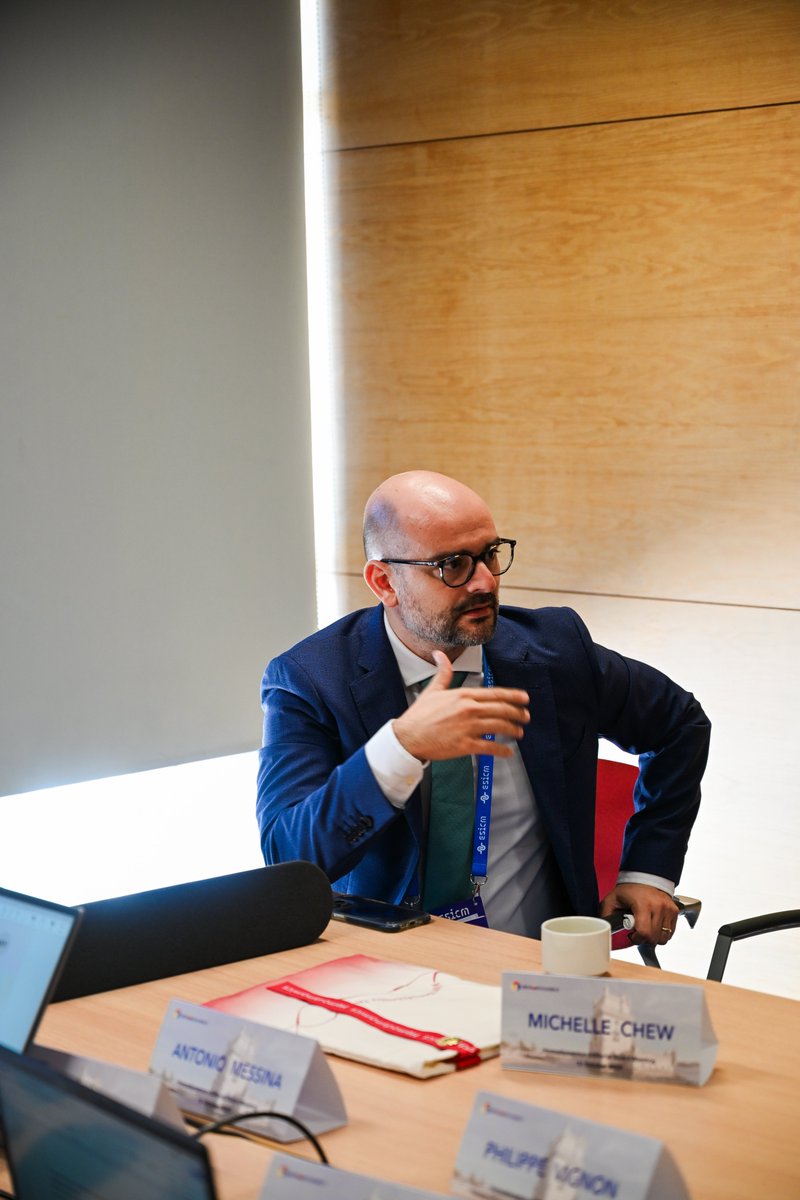
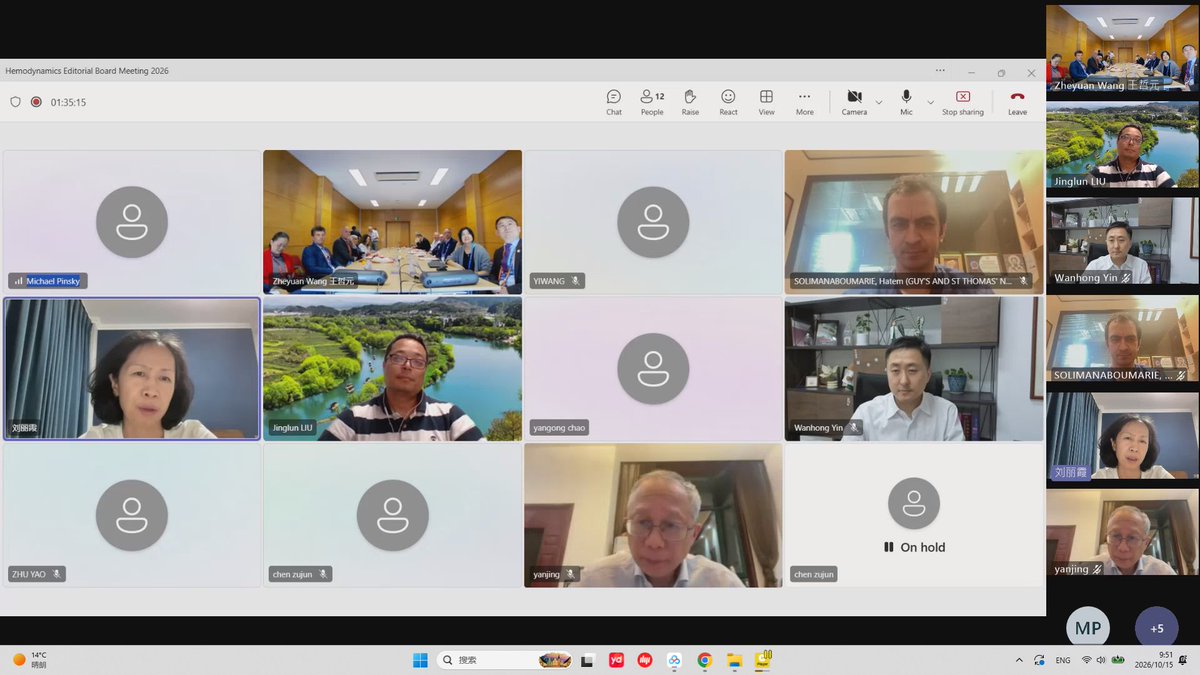
During #ESICMLIVES2026, the @J_Hemodynamics global editorial board met in Lisbon, in person and online, to discuss the journal’s future and advance international collaboration in critical care and hemodynamics.
Together, we move forward. @Prof_XMonnet
https://t.co/45xkulf5Oy
While this recognition marks an important milestone, it also inspires us to continue serving the global critical care community.
We warmly welcome new submissions and encourage researchers to read, share, and cite articles published in Hemodynamics. https://t.co/T3VStrEgM8
This milestone would not have been possible without the trust and support of our authors, reviewers, Editorial Board members, readers, and publishing partners.
Thank you for growing Hemodynamics with us.
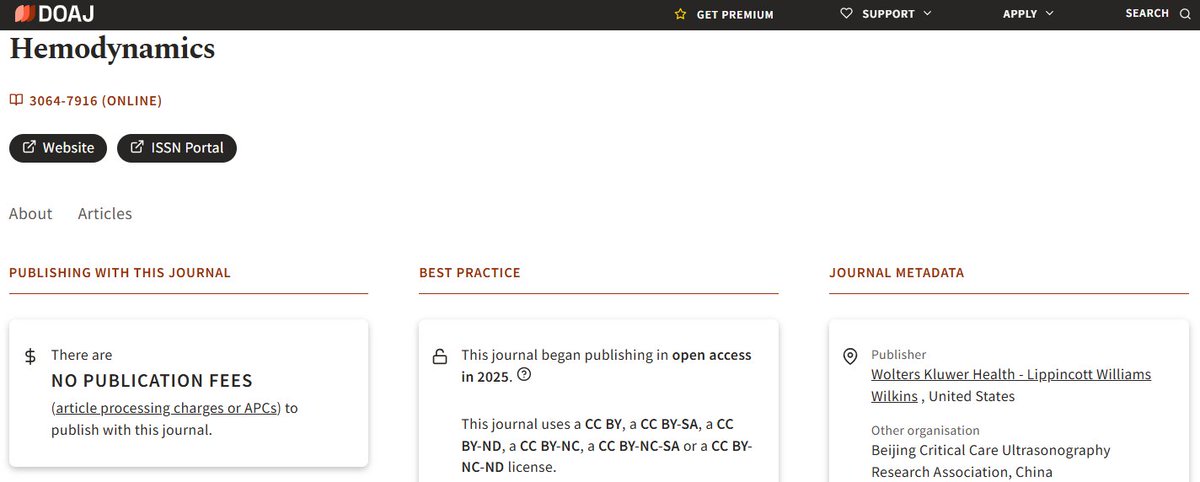
DOAJ indexing reflects our commitment to rigorous peer review, editorial excellence, transparency, and publishing ethics.
It also strengthens the journal's international visibility and credibility within the global research community.
We are delighted to announce that Hemodynamics has been officially indexed in DOAJ!
This important milestone recognizes our commitment to high-quality open access publishing and marks another exciting step in the journal's journey. @Prof_XMonnet
From teaching model to physiology
In this issue, @Prof_XMonnet highlights a paradigm shift by Sheldon Magder:
Cardiac output is not simply preload-afterload-contractility, but the interaction betwen EDV, EES, and rejection threshold pressure.
https://t.co/mhjD80Hcc6
New insights into AMI-associated cardiogenic shock: Recent trials show VA-ECMO doesn't reduce mortality, while mAFP can improve 180-day survival. AHA has updated guidelines in Feb 2025—VA-ECMO downgraded, mAFP upgraded. Time for a change in practice? #Cardiology#AMI#Shock
A study found that in sepsis patients, SBRI is not correlated with SVRI, suggesting SBRI cannot replace SVRI for assessing vascular status. However, SBRI shows a moderate negative correlation with peripheral PI . #Sepsis#Hemodynamics#CriticalCare https://t.co/ucv7vohUGk
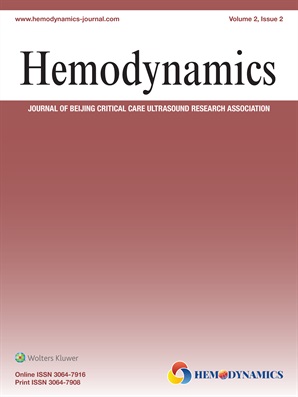
The logo symbolizes the core parameters in critical illness: flow, pressure, and volume. The globe in letter ‘o’ highlights our global reach & commitment to advancing research, education, and clinical practice. #Hemodynamics#CriticalCare#MedicalInnovation
Excited to introduce Hemodynamics, a new journal dedicated to the study of blood flow and its critical role in medical care. Join us in exploring the cutting-edge of this essential field. #hemodynamics https://t.co/p8ulxXt3UZ
With great pleasure, we present our inaugural issue. Editor-in-Chief Dawei Liu and Co-Editor-in-Chief @Prof_XMonnet cordially welcome readers and contributors worldwide.
Visit us at: https://t.co/cTF7IvFK83
The new global critical care medicine journal of Hemodynamics welcomes following and invites contributions from all! 😃Visit us at: https://t.co/at15uPmc7N