Ceutí, Caballa,vivo en Catalunya.
Parapléjico sin fronteras.
Fui periodista antes de mi lesión medular.
El Cine, la Música y la Lectura, me mantienen cuerdo.
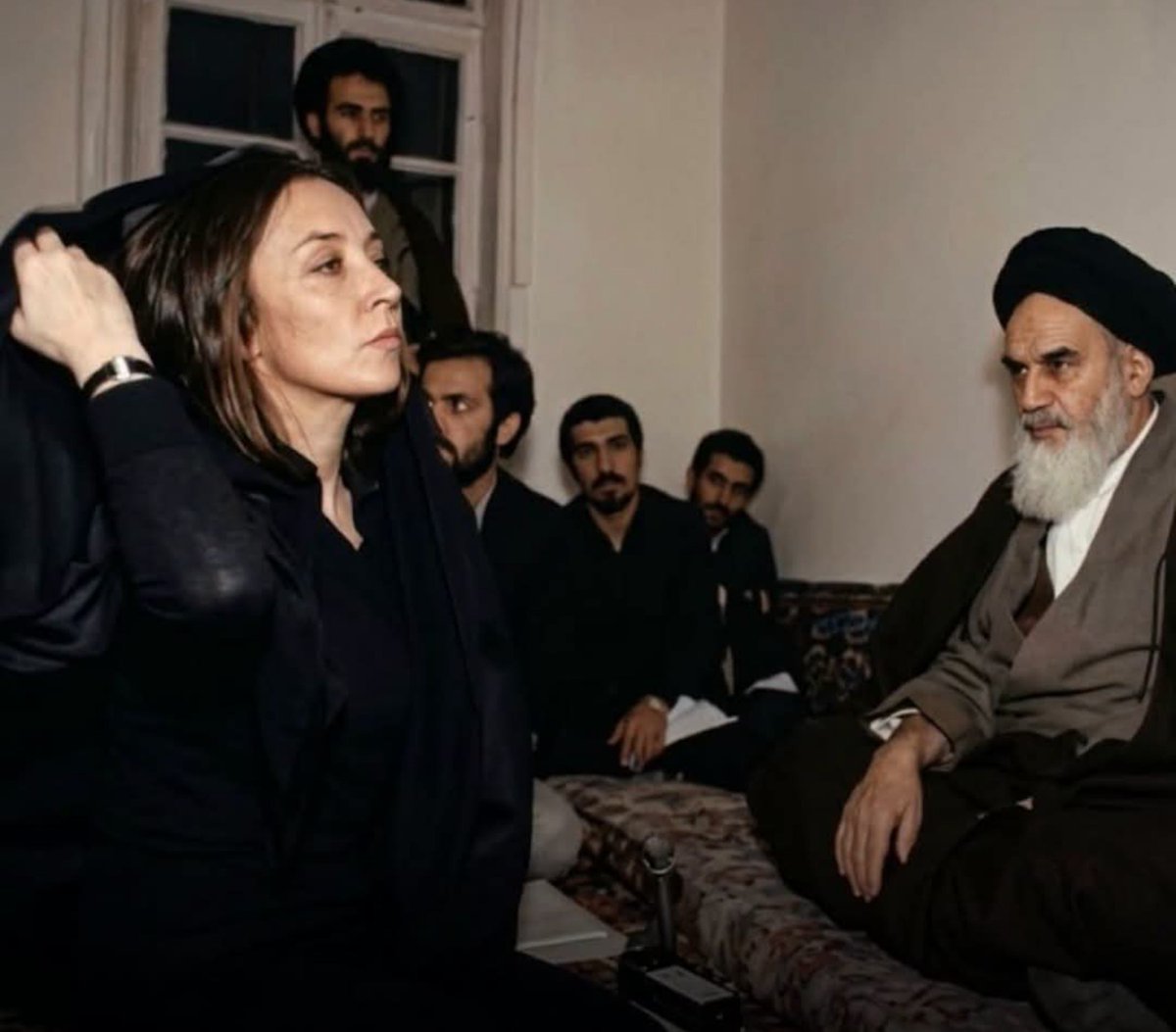
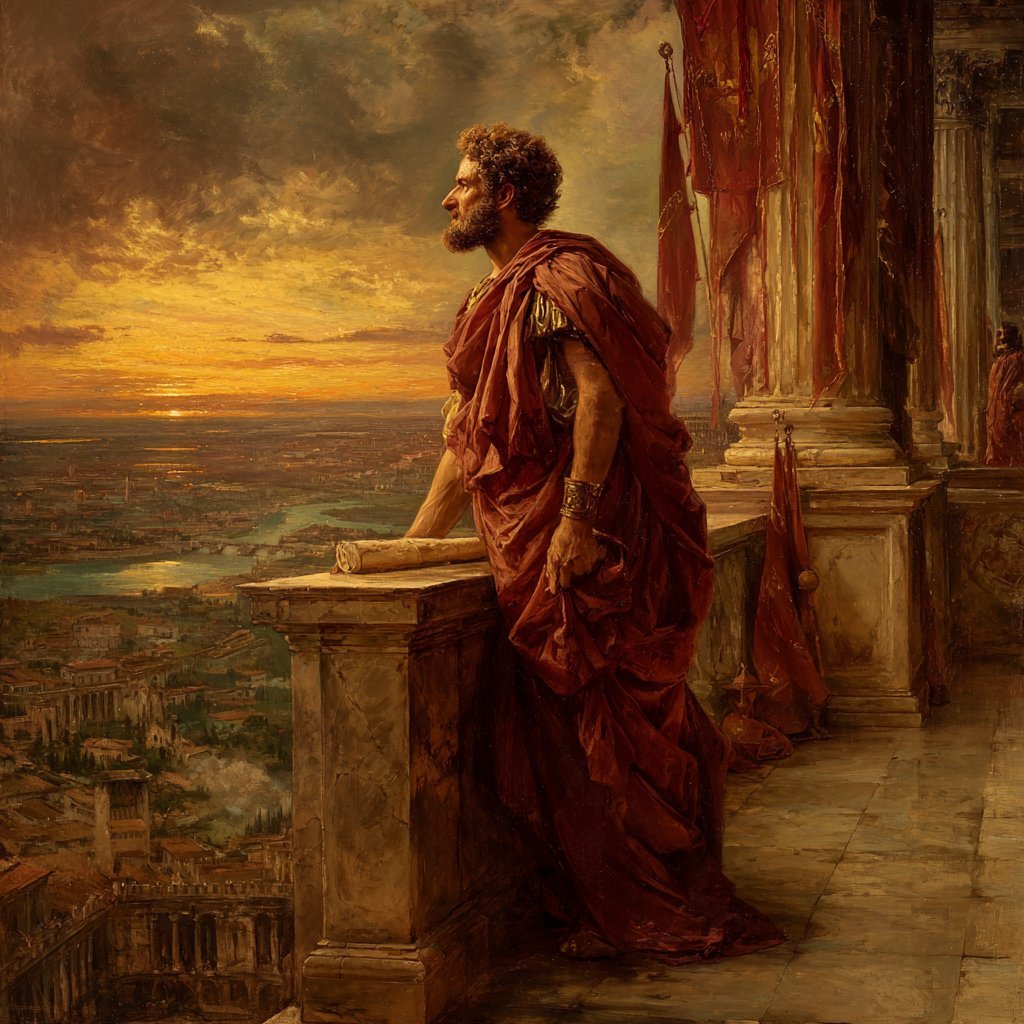
Italian journalist Oriana Fallaci removing her chador during her tense 1979 interview with Ayatollah Ruhollah Khomeini in Qom, Iran...
In October 1979, Italian journalist Oriana Fallaci traveled to Qom, Iran, to interview the Islamic Revolution's supreme leader. To get inside the room, Fallaci was forced to cover herself from head to toe in a heavy black chador, leaving only her face visible.
The conversation inside the room was tense from the very start. Fallaci did not hold back her questions.
She pushed the Ayatollah on political executions, the sudden shutdown of independent newspapers, and the sharp loss of rights for Iranian women under the new regime.
When she asked about the forced wearing of the veil, Khomeini dismissed her concerns and claimed the garment was meant to protect young and respectable women. He then added,
"If you do not like the Islamic dress, you are not obliged to wear it."
Fallaci took his words literally and replied, "Thank you, Mr. Imam. Since you tell me so, I am taking it off right now."
With a quick move, she pulled the chador off her head, leaving her hair completely exposed right in front of the Supreme Leader.
Khomeini was furious.
He stood up without saying another word and walked out of the room. The room fell silent, and the interview was abruptly stopped. However, Fallaci refused to leave Iran until he returned a day later to finish the conversation.
This confrontation became legendary in the history of journalism.
It showed a reporter refusing to bow down to authority, even in one of the most dangerous settings imaginable.
Fallaci proved that real journalism requires standing up to power, asking hard questions, and refusing to be silenced by fear or tradition.
When journalists trade raw courage for easy access and comfortable silence, we lose one of our strongest shields against tyranny.
In an era where true courage in reporting feels rare, her brave stand reminds us that honest journalism still has the power to light up the dark, giving a voice to the voiceless and inspiring future generations to speak truth without fear.
#archaeohistories
🚨🚨🚨 MOLTA ATENCIÓ 🚨🚨🚨
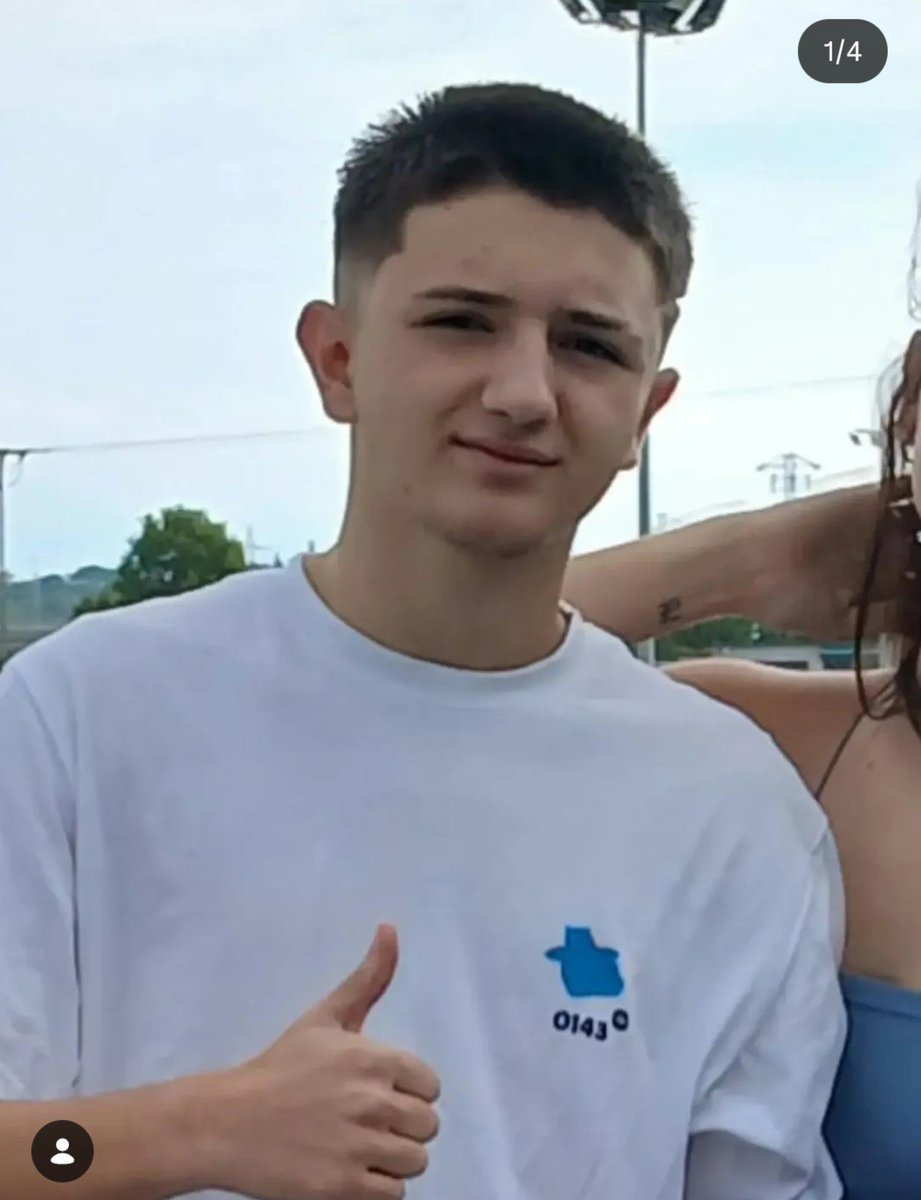
EN POL HA DESAPAREGUT.
📍EL VENDRELL, BAIX PENEDÈS.
ℹ️ TÉ 17 ANYS. ANIT VA ANAR A DORMIR I A LES 2am JA NO ERA AL LLIT. NO DUU MÒBIL, VA INDOCUMENTAT.
☎️ JUANJO (PARE): 646 969 492 per si teniu informació.
LA FAMÍLIA DEMANA MÀXIMA DIFUSIÓ ⚠️
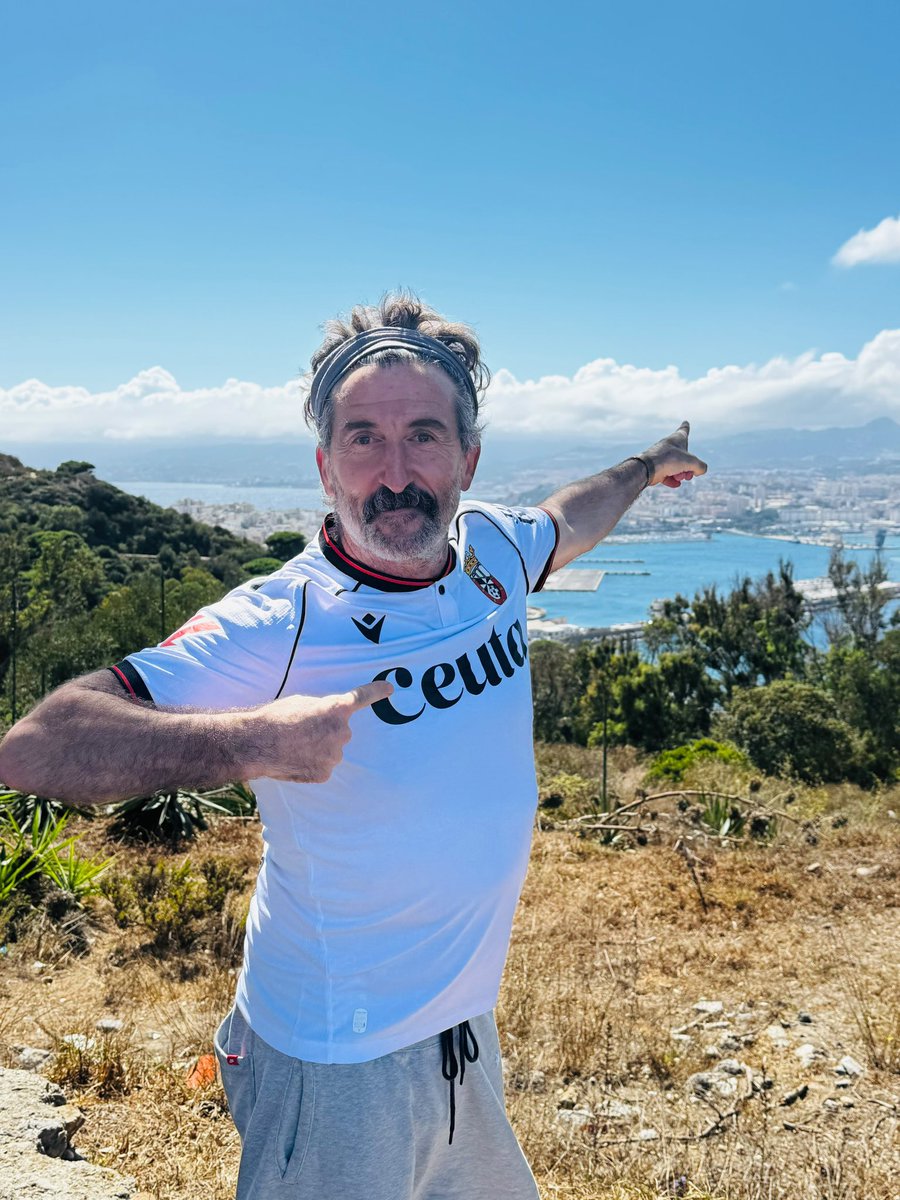
El actor Luis Zahera vino el finde a Ceuta con su espectáculo “CHUNGO” a apoyar a nuestra ciudad y nuestro club.
¡Un abrazo grande @LuisZahera y muchas gracias por el gesto ! 🫶🏻
Rosa María Calaf, excorresponsal de TVE: "Lo que ha conseguido el 11-S es que el terrorismo genere una percepción de miedo e inseguridad muy desproporcionada. La pobreza y la desigualdad mata muchísima más gente y, sin embargo, invertimos mucho más en lucha antiterrorista"
@burgosusana Con lo bonita que es, que nuestra ciudad esté a merced del delincuente y sátrapa rey de Marruecos y la pasividad del gobierno de España...duele, y mucho.
«Usted sabe que Ceuta y Melilla no tienen defensa ante una invasión por sorpresa de Marruecos» — dijo Hassan II 🇲🇦
«¿Y usted sabe que podemos bombardear Rabat en 48 horas?» — respondió Adolfo Suárez 🇪🇸
Año 1978.
Tres hombres malos. En el Oeste serían pistoleros al servicio de los ganaderos. Abascal dispararía por la espalda, Netanyahu remataría a los heridos a sangre fría y Tertsch fallaría casi todas las veces por culpa del acohol. Crueles e imprevisibles como la peste bubónica.
🏟️ #RealBetisRealMadrid | Así ha sido el apoyo a Ceuta de todo el Benito Villamarín con la salida de las banderas gigantes de la ciudad y España en el centro del campo antes del pitido inicial ❗️
👏👏👏👏 Mil Gracias @RealBetis ‼️‼️‼️