Physical infrastructure alone is not enough to make cross-border economic corridors function effectively. Regulatory harmonisation, institutional coordination, and regional governance are vital to cut transit times, open markets, and deliver development results across African borders.
Join us at #AfDBEvalWeek from 15 to 17 June.
➡️ https://t.co/08iIlTA0oK
Africa’s natural wealth is a strategic asset for transformation.
With greater value addition, it can drive industrialisation, create quality jobs, and strengthen domestic resource mobilisation, translating resource endowment into sustainable development outcomes.
Join the #AfDBAM2026 discussion on unlocking this wealth: https://t.co/77lmOzcArO
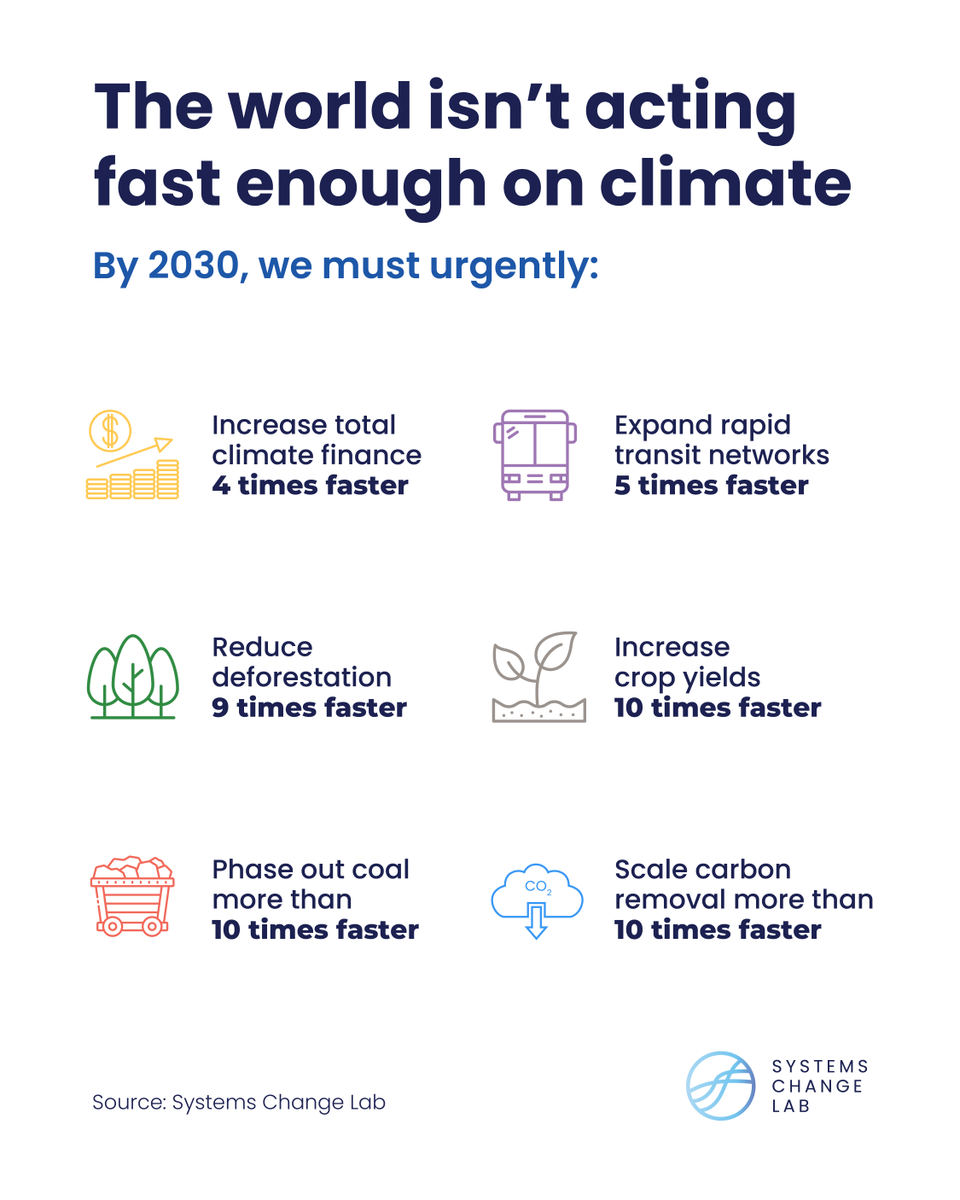
Failure to mobilize finance risks constraining climate action across all sectors. To get on track for 2030, the world must scale up total climate finance and end public finance for fossil fuels. 🏦
Read the #StateOfClimateAction 2025 report to learn more: https://t.co/kTjsCUuP2s
🌿Environmental defenders risk their lives to protect vital ecosystems – but are often shut out of climate decision-making. How to shift the paradigm? Hear directly from defenders at our upcoming #webinar.
Register here 👉 https://t.co/GJibmECz7t
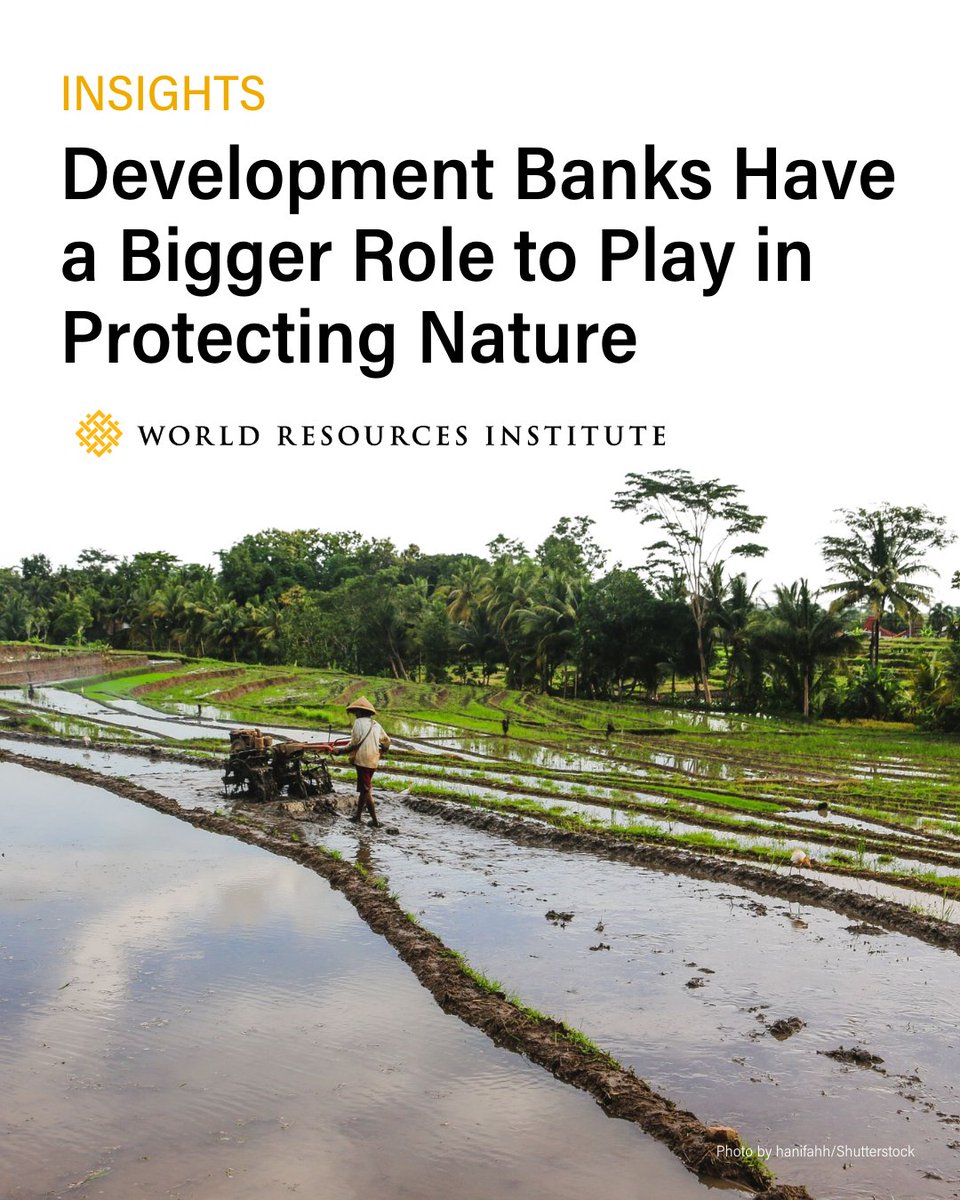
How are multilateral development banks factoring nature into finance decisions? 🌍🏛️
@WRIFinance finds early progress, but limited scale. To help close the $200B annual nature finance gap by 2030, MDB ambition must grow fast. Learn more: https://t.co/m0Q9pwPXNO
Climate is not an environmental issue. It is an economic issue, a health issue, an infrastructure issue, a security issue, and a food issue. Leaders who still silo it are already behind.
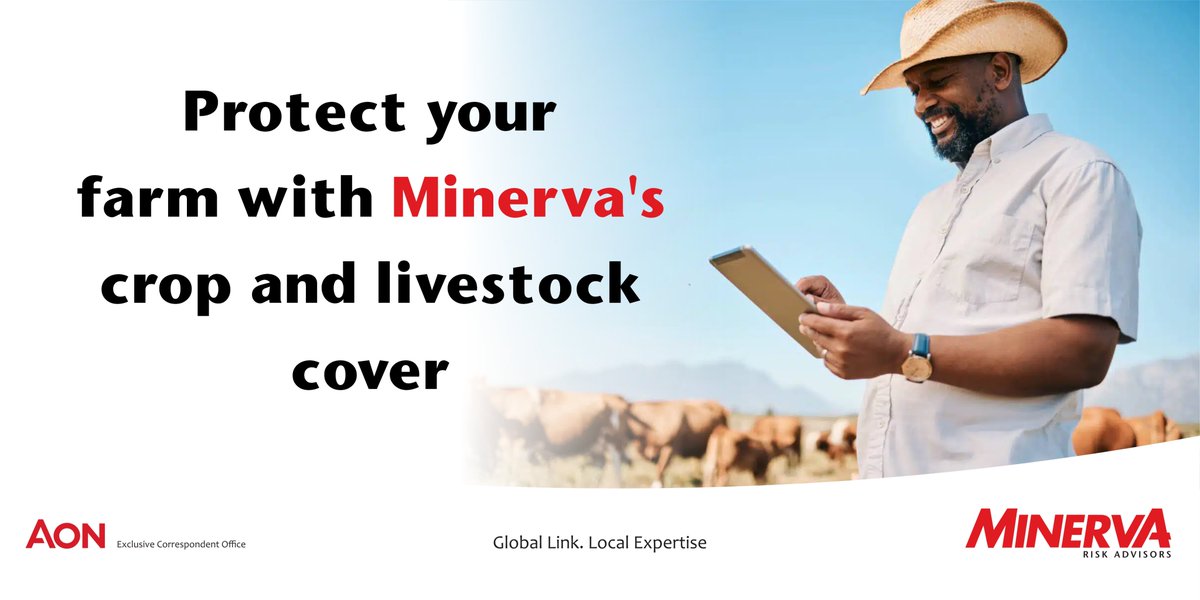
African countries lose 2–5% of GDP to climate change each year and some spend up to 9% of their budgets on disaster response, yet less than 0.5% of losses are insured. Protect your farm with Minerva's crop and livestock cover – stabilize your income against droughts, floods and pests.
Harare: +263 (242) 779962-70
WhatsApp: +263 783 822 031
Bulawayo: +263 (29) 64514-5
Victoria Falls: +263 83 284 2118
https://t.co/EUepyXNcCv
The next global crisis will not be caused by climate alone.
It will be caused by our failure to connect climate, jobs, food systems, mineral governance, youth, and crimes affecting the environment into one coherent system.
Africa is the youngest continent on earth. By 2050, one in four people globally will be African.
That is not a demographic statistic.
It is a determinant of global stability.
In an era defined by climate shocks, mineral competition, supply chain volatility, and fiscal strain, youth are not passive recipients of policy. They are the structural variable that determines whether systems stabilise or fracture.
Illegal fishing strips billions from coastal economies and undermines food security where climate stress is already high.
Illegal logging weakens carbon sinks while destabilising rainfall systems farmers depend on.
Illicit mineral flows drain sovereign revenue from transition materials that power the global energy shift.
These are not marginal conservation concerns.
They are macroeconomic disruptions with geopolitical consequences.
Sovereign control over natural capital will define geopolitical influence in the climate century.
Follow one thread.
A forest cleared unlawfully reduces fiscal space.
Carbon emissions rise.
Adaptation costs increase.
Rainfall shifts.
Food production declines.
Public health burdens grow.
Youth employment narrows.
Institutional trust weakens.
One crime. System-wide consequences.
The reverse is equally powerful.
When youth-led cooperatives adopt climate-smart agriculture, postharvest losses fall from roughly 40 percent to below 10 percent.
Food security strengthens.
Emissions decline.
Rural incomes rise.
Local stability improves.
When young technicians maintain renewable energy systems, indoor air pollution drops, health costs decline, and carbon markets become verifiable and transparent.
One structured intervention. Cascading resilience.
The global energy transition depends heavily on critical minerals sourced from Africa.
If extraction remains illicit and value leakage persists, supplier countries experience extraction without transformation and export without opportunity.
No nation sustains stability when its resources leave without building shared prosperity.
My grandmother once said, “A house must be strengthened from within before it can shelter others.”
What this moment demands is integration.
Enforcement as economic protection.
Youth as productive infrastructure.
Climate policy as employment strategy.
Food security as stability architecture.
Mineral governance as sovereign investment.
These are not separate agendas.
They are one system.
Africa will shape the global future not because it is young, but because it designs lawful value chains that convert natural capital into durable prosperity.
In a systems world, climate resilience, mineral governance, youth employment, food security, and crimes affecting the environment are inseparable.
So must be the solutions.
The extractive industry that rehabilitates its land, shares revenue with communities, and minimizes emissions is the one that keeps its license to operate. Sustainability is the business model.
The pension fund that ignores climate risk is investing its beneficiaries' future in assets that may not survive their retirement. Fiduciary duty is climate duty.
Debt sustainability and environmental sustainability are linked. Countries that deplete natural assets to service debt are trading long-term wealth for short-term survival.
A leader who can read a climate risk assessment, a national budget, and a community needs assessment and connect all three is the leader this decade demands.
💰 Public finance is tightening while climate risks accelerate.
In a recent #ACT webinar, @rkyte365, discussed why resilience now requires new fiscal tools, smarter regulation , and stronger local participation.
Watch the full webinar: https://t.co/MZVerfEMs7
#10thParliament
We’re giving away limited-edition 2026 diaries to our lucky followers. To enter the competition, simply like this post, share it, tag five friends, and comment “READY FOR 2026”. Dont miss out, get yours!
📊 Want to make sense of global climate data?
Join #ClimateWatch on Feb 5 from 10:00 to 11:00am EST for a hands on Climate Watch training.
Register here: https://t.co/uCsw3JjIKh
The economy grows in ways that degrade the nature it relies on. So, to reverse this degradation, we need to transform finance.
That's where development banks come in.
Our research offers a first assessment of how they're supporting nature: https://t.co/tSQPULOweg