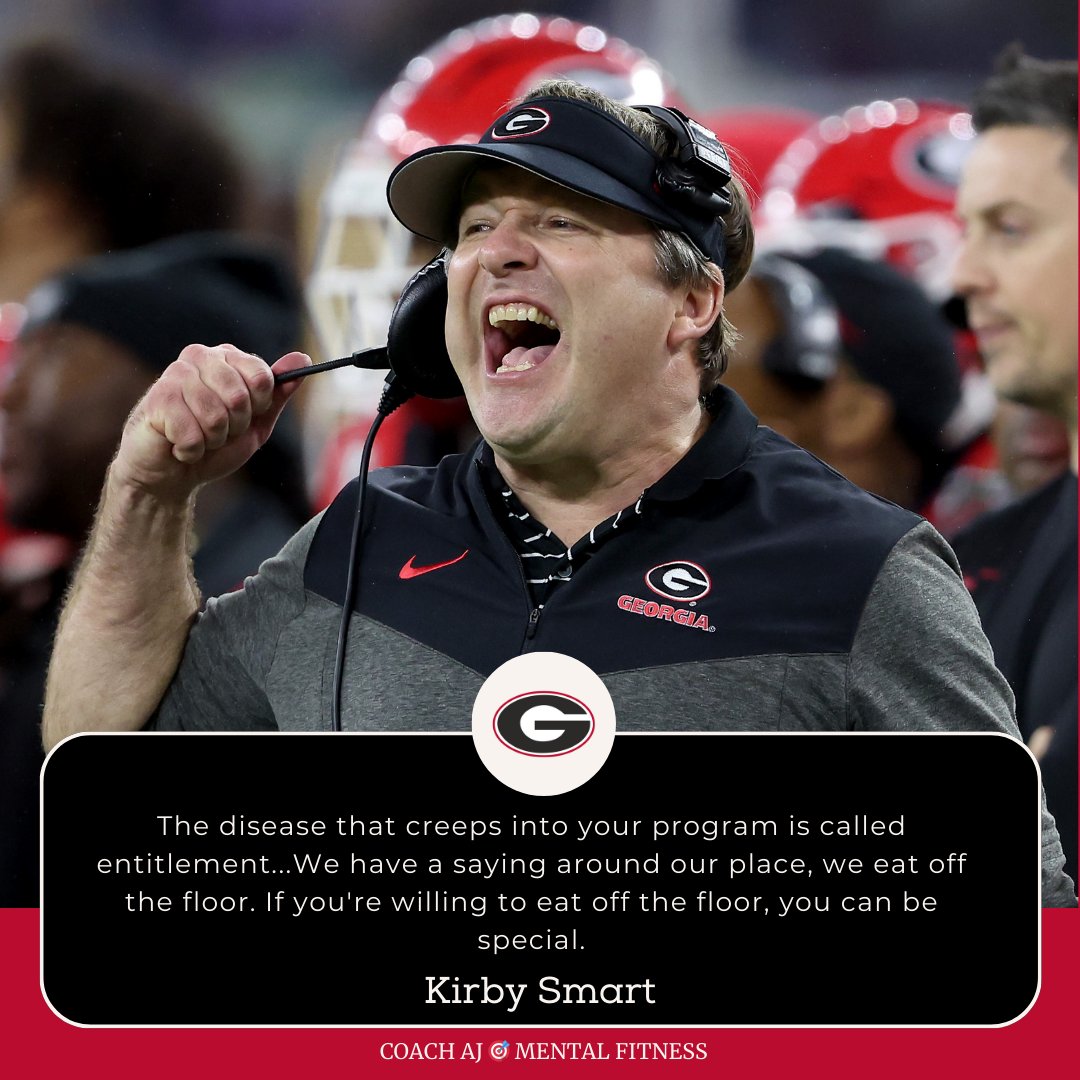
Kirby Smart said, "The disease that creeps into your program is called entitlement...We have a saying around our place, we eat off the floor. If you're willing to eat off the floor, you can be special."
Entitlement is the enemy of hard work.
It's the delusion that you deserve something that you haven't earned.
• Entitlement is the enemy of progress.
• Entitlement means you're lacking in gratitude.
• Entitlement means you're not living with a growth-mindset.
When you realize that you have to earn everything, you don't have a single ounce of entitlement in your bones.
How to Get Entitlement Out of Your Culture
1. Lead by Example - Leaders should demonstrate humility and a non-entitled attitude. Leading by example is not about your position or title, it's about your behavior. When leaders show they don't consider themselves above others, it sets a tone for the team, discouraging entitlement.
2. Create a Culture of Growth - When you have a mindset of excellence and improvement then the growth will never stop. Encourage a place where learning from failures, continuous self-improvement, and personal development are valued. This promotes humility and helps people understand that effort and learning are key to success, not just inherent talent or privilege.
3. Set Clear Expectations and Accountability - When people know what to expect, they know how to act. Clearly define roles, responsibilities, and goals. When team members know what is expected, they understand that success is a result of meeting these objectives, not just a default outcome.
4. Foster a Culture of Gratitude - Create an environment where gratitude and humility are valued. Encourage people to appreciate what they have and the efforts of others. You can be entitled when you are grateful for every day and every opportunity. This mindset will reduce the feelings of entitlement and promote a more cooperative and appreciative culture.
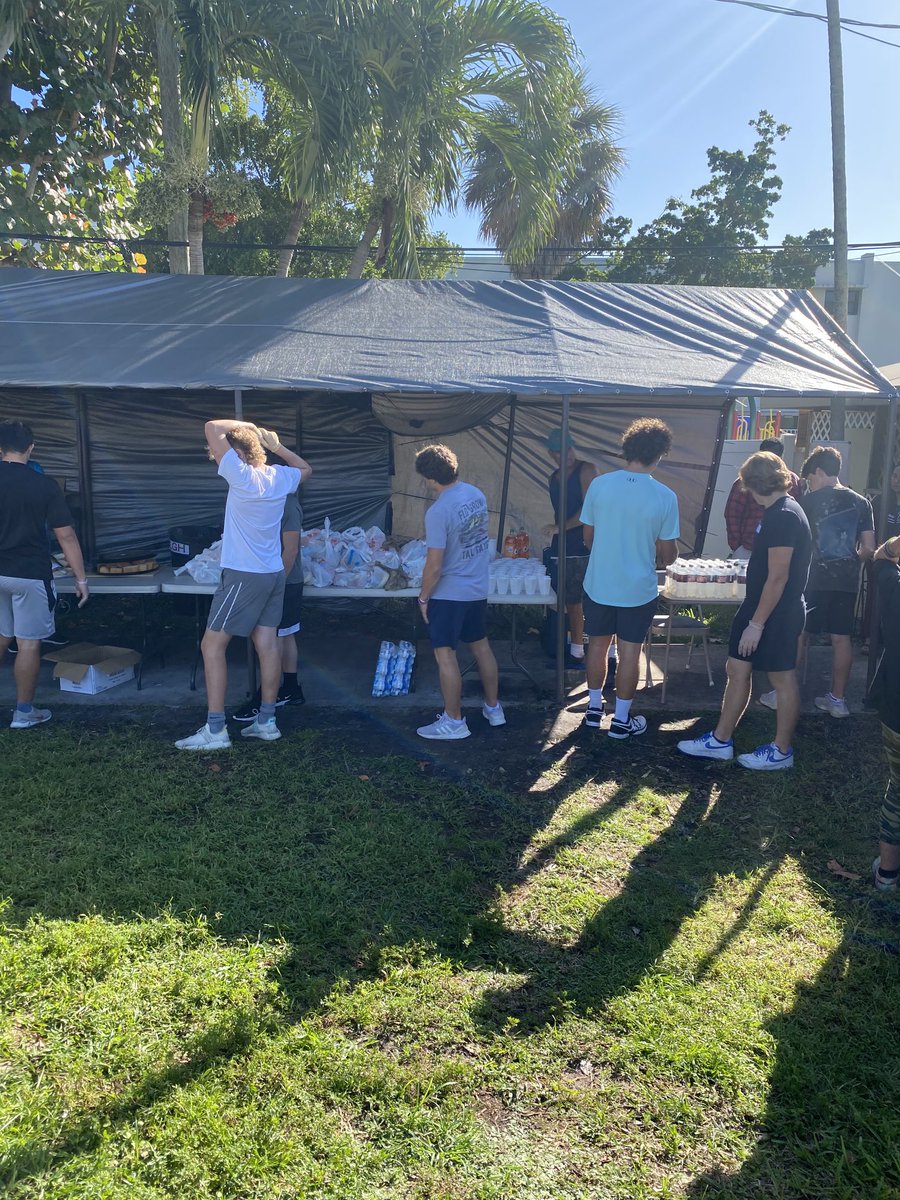
5. Encourage Service and Empathy - Promote activities that involve serving others or contributing to the team. When people know each other and care for each other, they connect and lack feelings of entitlements. It helps drive collaboration, empathy, and service to the team. People understand the value of contributing, as opposed to expecting things without effort.
6. Regularly Assess and Adjust - Continuously evaluate the team's culture and make adjustments as needed. Regular assessment helps identify entitlement issues early and allows for timely interventions to maintain a healthy, collaborative team environment.
"We don't run from hard work; our kids don't run from work. As long as you don't have entitlement in your program, you got a shot." - Kirby Smart
- - -
Follow @coachajkings for more posts like this!
The price of winning
It’s not a desire.
It’s an obsession.
It’s not for the timid.
It’s for the bold.
It’s not an interest.
It’s a lifestyle.
It’s not for fragile.
It’s for the resilient.
It’s not an event.
It’s an experience.
It’s not for the weak.
It’s for the strong.
It’s not a destination.
It’s a journey.
The time is now.
Do the work.
The unspoken reality of leadership I’ve shared for a decade in every staff and locker room I’ve spoken to.
No one wants to say because it:
• It doesn’t sell books
• It’s not “positive”
• It’s scares people
So instead they repeat old cliches and quotes from the latest best-seller. All fluff disconnected from the reality of leadership on the ground.