Most people who make it leave and never look back.
Kipsang Meli spent 15 years in the US, then came home to a village in Nandi Hills and built Graceland, trees, rivers and waterfalls left standing, a pavilion named after his two sons.
He didn't escape poverty. He went back for it.
Kongoi, Kipsang.
Diplomacy is ultimately about people, the relationships we build today become the opportunities our citizens enjoy tomorrow.
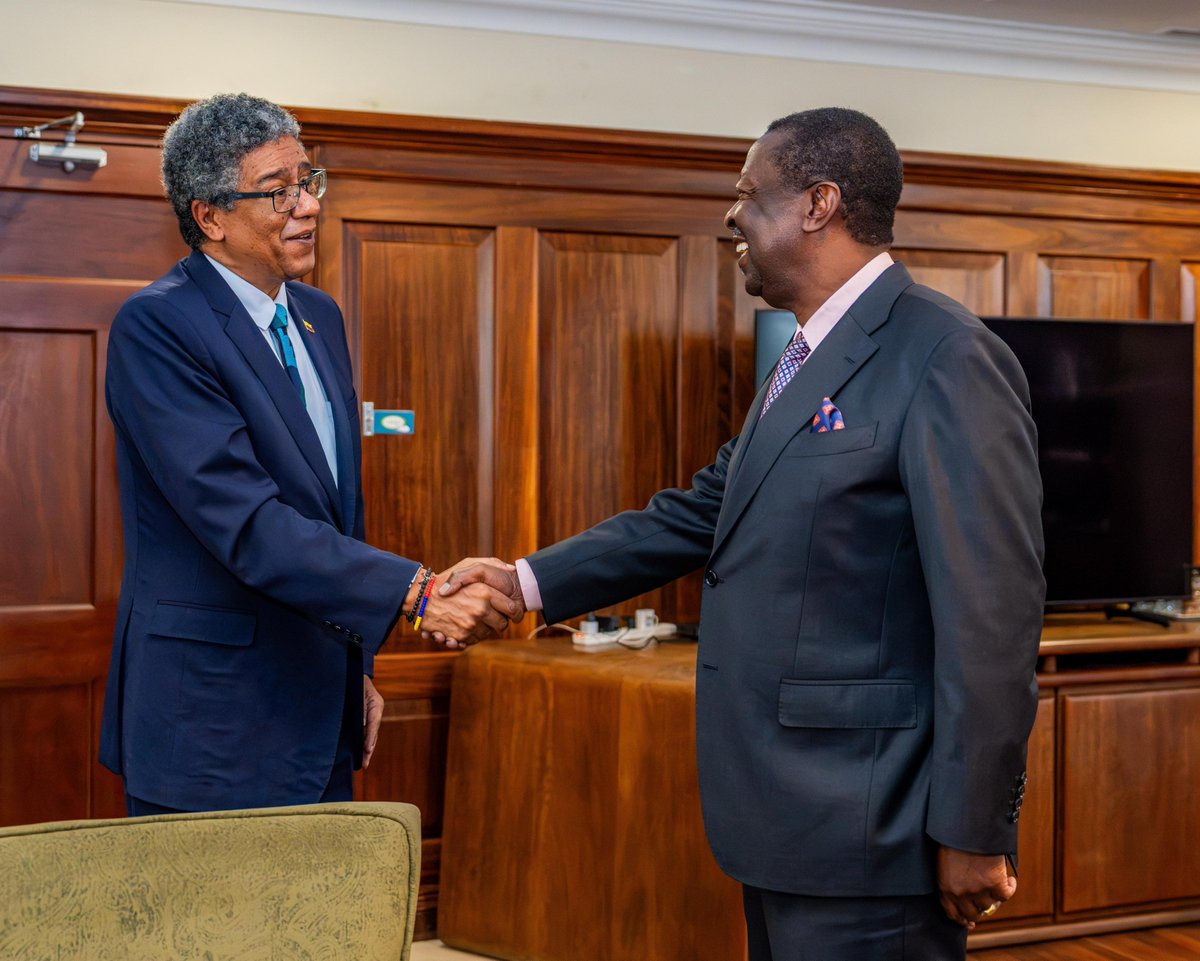
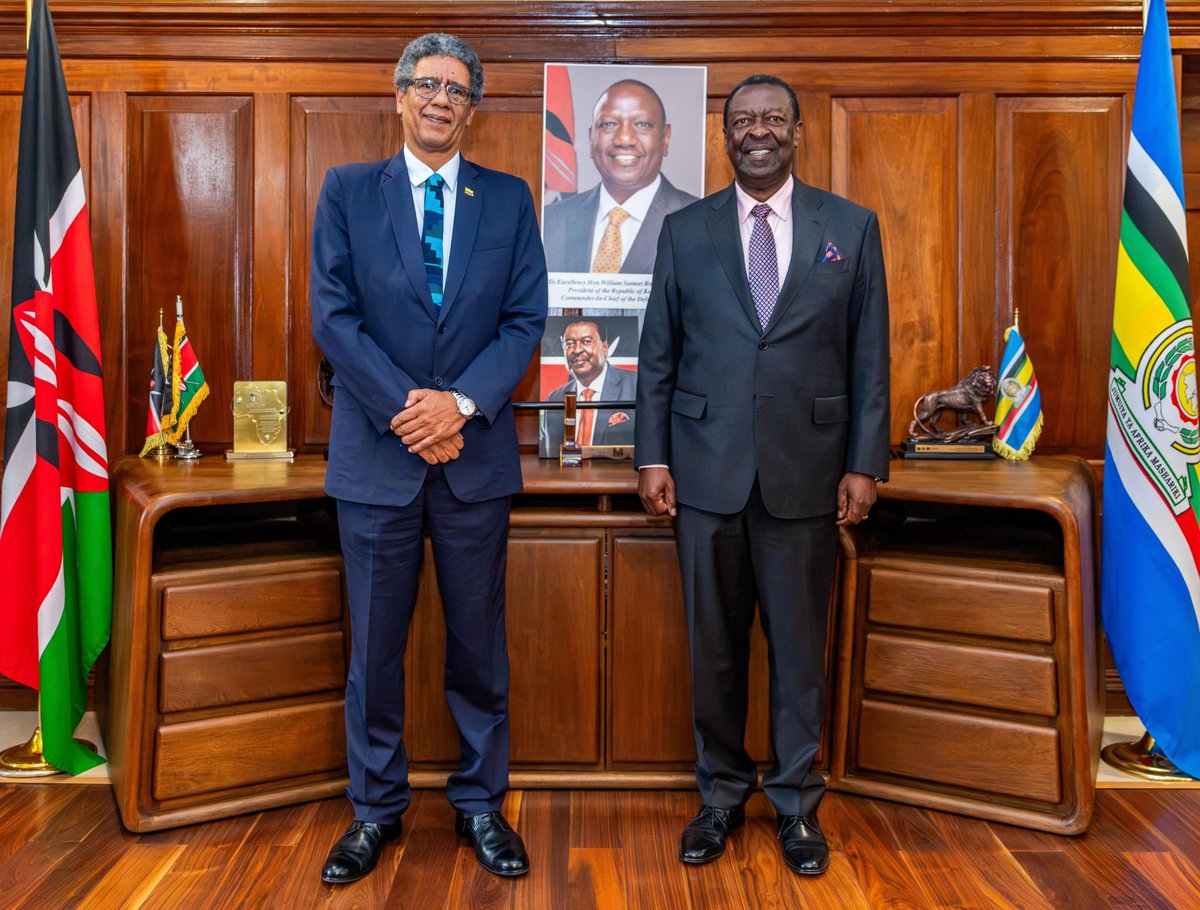
As H.E. Ambassador Pedro León Cortés Ruiz concludes his tour of duty in Kenya, I reflected with him on the remarkable progress our two countries have made over the past three years in strengthening the Kenya-Colombia partnership.
His tenure has helped deepen political engagement while expanding cooperation in trade and investment, agriculture, environmental conservation, cultural exchange and people-to-people relations, laying a strong foundation for even greater collaboration.
Looking ahead, Kenya is keen to broaden cooperation with Colombia in bilateral trade and investment, agricultural innovation, technology transfer, value addition, tourism, education, science and technology, culture, and people-to-people exchanges, creating new opportunities for investment, innovation and economic growth that benefit our people.
I thanked Ambassador Cortés Ruiz for his dedicated service and enduring contribution to the friendship between Kenya and Colombia. As one chapter closes, our two countries are well placed to write an even stronger one together.
Great nations are built not only through policies and institutions, but also through the values that shape their people. Today was a powerful reminder of that truth.
H.E. President @WilliamsRuto welcomed more than 5,000 members of the Friends Church to State House for a national engagement, marking the first time the Quaker community has held a gathering of this scale and significance at the seat of Government. For a Church that has faithfully served Kenya since 1902, it was a historic milestone and a recognition of its enduring contribution to our nation’s spiritual, educational and social development.
As a lifelong Quaker, it was deeply fulfilling to help organise this landmark engagement, see it come to fruition, and stand alongside thousands of fellow believers. It was a powerful reminder of the role faith communities continue to play in shaping our values, strengthening national cohesion and inspiring hope.
The Quaker testimony of SIMPLICITY, PEACE, INTEGRITY, COMMUNITY, EQUALITY AND STEWARDSHIP has profoundly shaped my values and continues to guide my approach to leadership and public service. These timeless principles remind us that truth, humility, service and peaceful dialogue remain essential to building a stronger and more united Kenya.
I believe our nation is strongest when Government, faith communities and citizens work together in pursuit of the common good. Such partnerships strengthen ethical leadership, foster national cohesion and create the foundation for sustainable development that benefits every Kenyan.
I thank the Friends Church Kenya for its steadfast prayers, commitment to peace and continued service to our nation. May God continue to bless Kenya.
A peaceful and stable South Sudan is in Kenya's strategic interest. It strengthens regional security, expands trade, attracts investment and creates greater opportunities for our people.
Against this backdrop, I met with Hon. Amb. Dr. James Pitia Morgan, Minister of Foreign Affairs and International Cooperation of the Republic of South Sudan, where we reviewed our longstanding bilateral relations and explored new avenues for cooperation in trade, regional integration and economic development.
Dr. Morgan also briefed me on South Sudan's preparations for its forthcoming elections.
Kenya will continue supporting peace, stability and democratic processes across the region, because a more secure neighbourhood is the foundation for shared prosperity and sustainable growth across East Africa.
The full potential of Africa cannot be realised without the full participation of its women. Empowering women to lead in peacebuilding, mediation and decision-making is essential to building more stable, inclusive and prosperous societies.
My discussions with Amb. Liberata Mulamula, the African Union Special Envoy on Women, Peace and Security, focused on advancing women's leadership in conflict prevention, peace processes and post-conflict recovery, while reinforcing Kenya's commitment to a more effective, accountable and financially sustainable African Union.
Amb. Mulamula congratulated Kenya on attaining Tier One status in assessed contributions to the African Union, noting that it reflects our leadership and commitment to African ownership. She encouraged Kenya to continue championing sustainable financing for the Union's institutions and peace initiatives.
As Kenya's influence grows, so does our ability to help shape a more peaceful and stable Africa, creating greater opportunities for investment, trade and shared prosperity for our people.
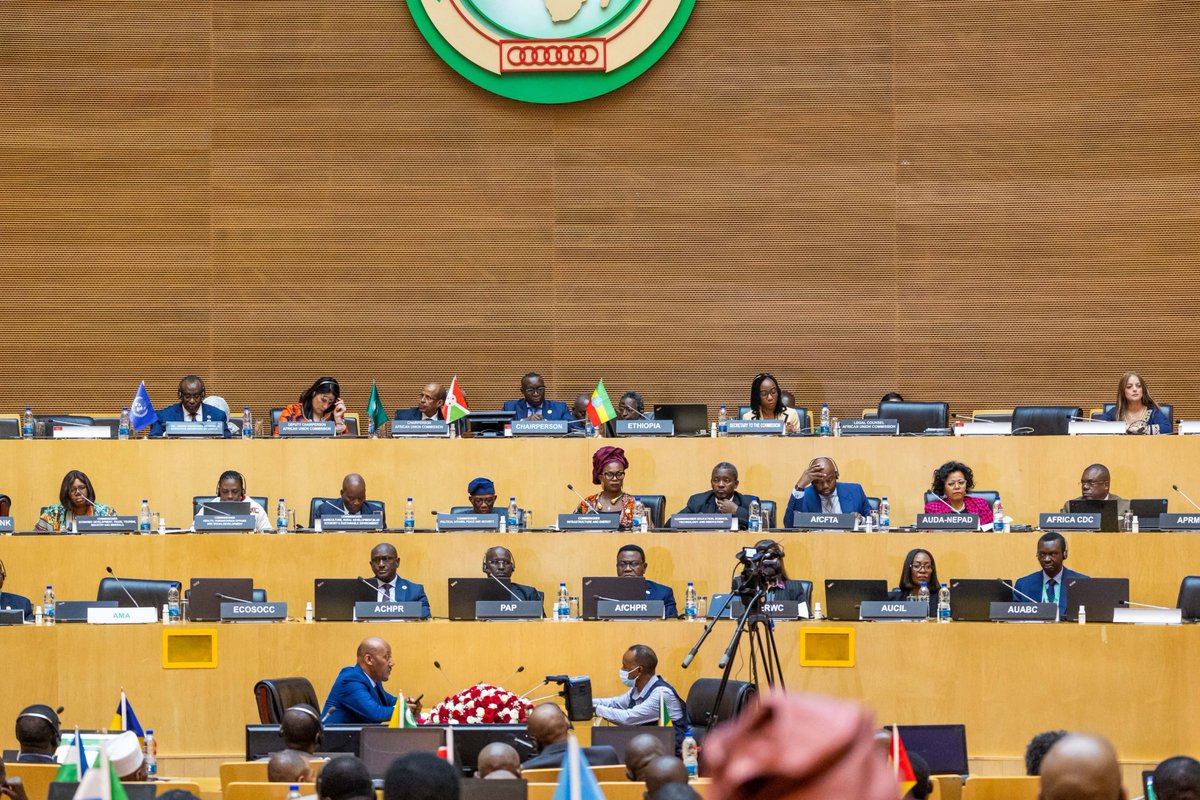
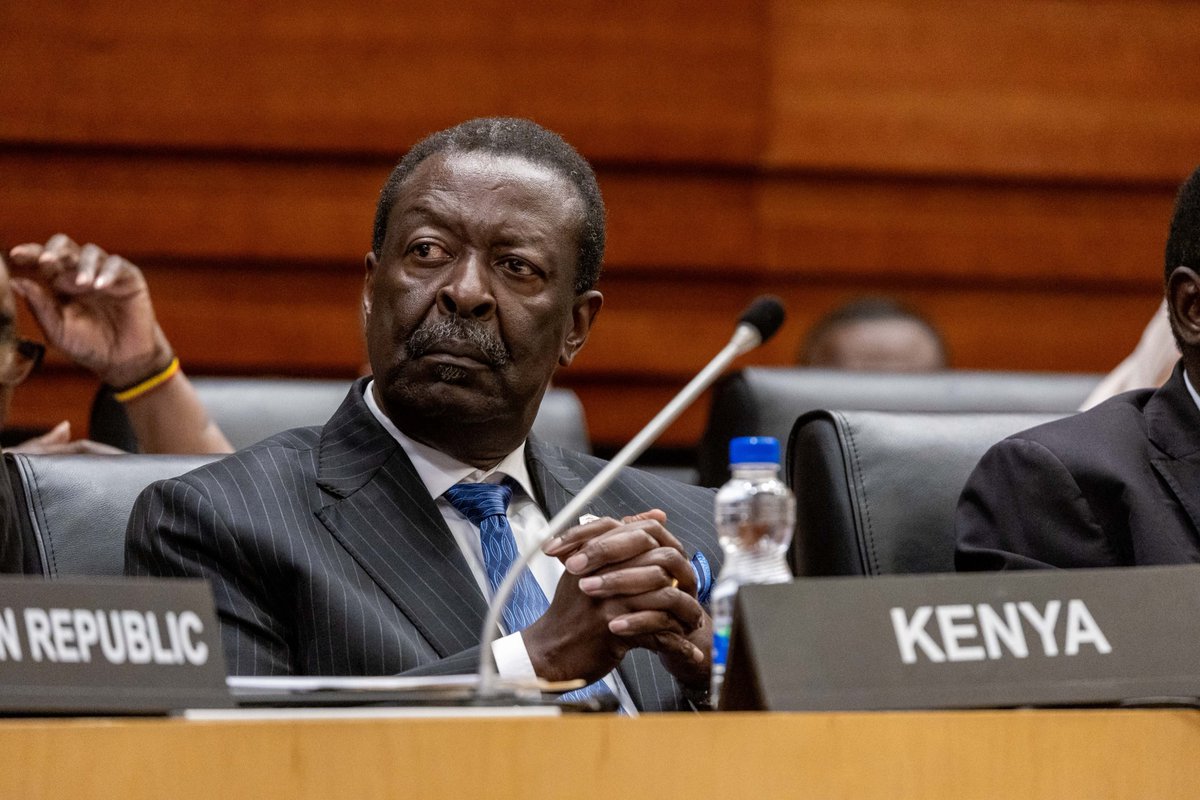
Africa’s future is not shaped by chance, it is shaped by leadership, unity and the courage to make bold decisions. At the 49th Ordinary Session of the African Union Executive Council in Addis Ababa, I joined fellow African Foreign Ministers in advancing Agenda 2063, strengthening Africa’s voice in global governance, accelerating the implementation of the African Continental Free Trade Area (@AfCFTA ), promoting sustainable water and sanitation systems, and driving reforms to build a more effective, accountable and people-centred African Union.
The session marked a significant milestone for Kenya with our elevation to Tier One of the African Union financing framework, joining the continent’s leading economies and contributors. This recognition reflects the confidence Africa has placed in Kenya’s leadership and reinforces our position as Africa’s Diplomatic Capital, helping shape continental priorities while championing peace, regional integration and sustainable development.
For Kenyans, this translates into a stronger voice in continental decision-making, greater opportunities for trade, investment and job creation, enhanced regional stability, and increased confidence in Kenya as a preferred destination for business, diplomacy and international partnerships.
Another important aspect of the session was rallying support for Kenya’s candidates, Justice Njoki Ndung’u for election to the International Criminal Court (ICC) and Judge Phoebe Okowa for election to the International Court of Justice (2027–2036). Their election would strengthen Kenya’s and Africa’s representation in global judicial institutions.
As the session concluded, I left encouraged by the unity, consensus and shared determination demonstrated by African nations. Kenya will continue championing African solutions to African challenges while helping shape a continent that is more peaceful, prosperous, resilient and globally competitive for the benefit of present and future generations.
Africa's voice in global institutions must reflect its place in the world. Home to nearly one-fifth of humanity, our continent deserves fair representation in the international system and a stronger role in shaping global decisions.
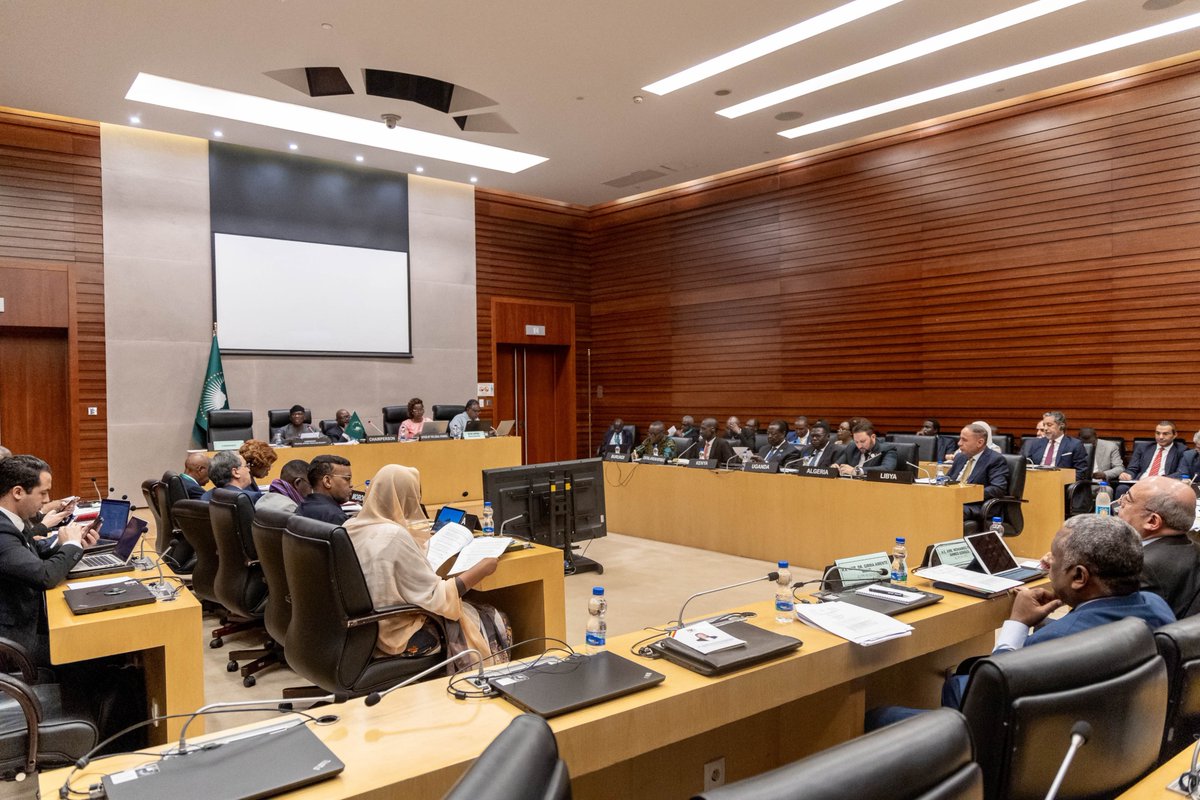
I made these remarks during the meeting of the Ministerial Committee on African Candidatures within the International System in Addis Ababa, Ethiopia, chaired by H.E. Dr. Phenyo Butale, Botswana's Minister of International Relations.
I emphasised that Africa must continue presenting its most qualified and capable candidates, leaders who will serve with distinction while championing the continent's interests, aspirations and perspectives.
The growing success of African candidates in international elections demonstrates the power of unity, early coordination and collective action. Kenya commends the African Union Commission and the Committee Secretariat for strengthening this continental process, which is helping secure greater African representation and influence in global institutions for the benefit of present and future generations.
History has a sense of humour—you gave President Moi the same tough love in the Kipipiri by-election.
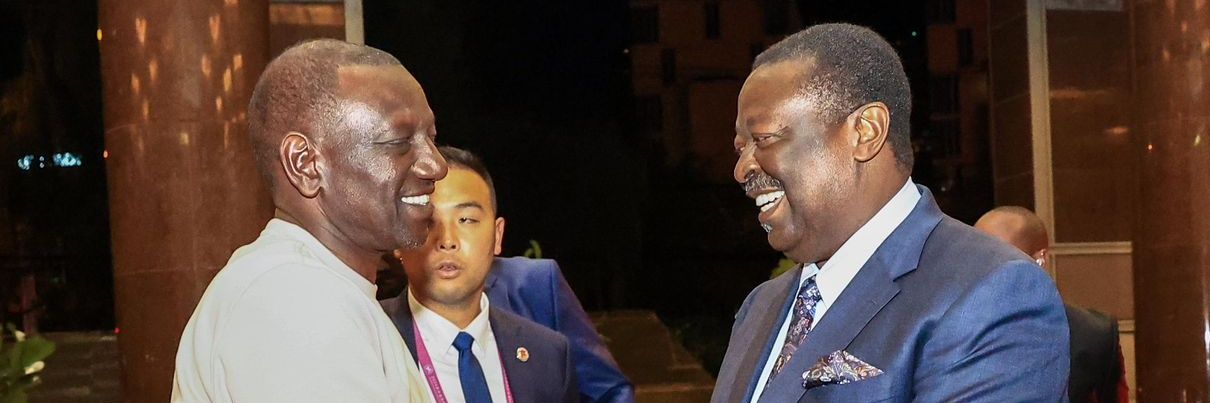
Fortunately, with a steadfast ally like H.E. Dr. Musalia Mudavadi by his side, President Ruto now has a clearer compass for the road to re-election.
Nothing is more powerful in a democracy than the voice of the people. Every vote cast is a statement of hope, responsibility and belief in the future we want to build together.
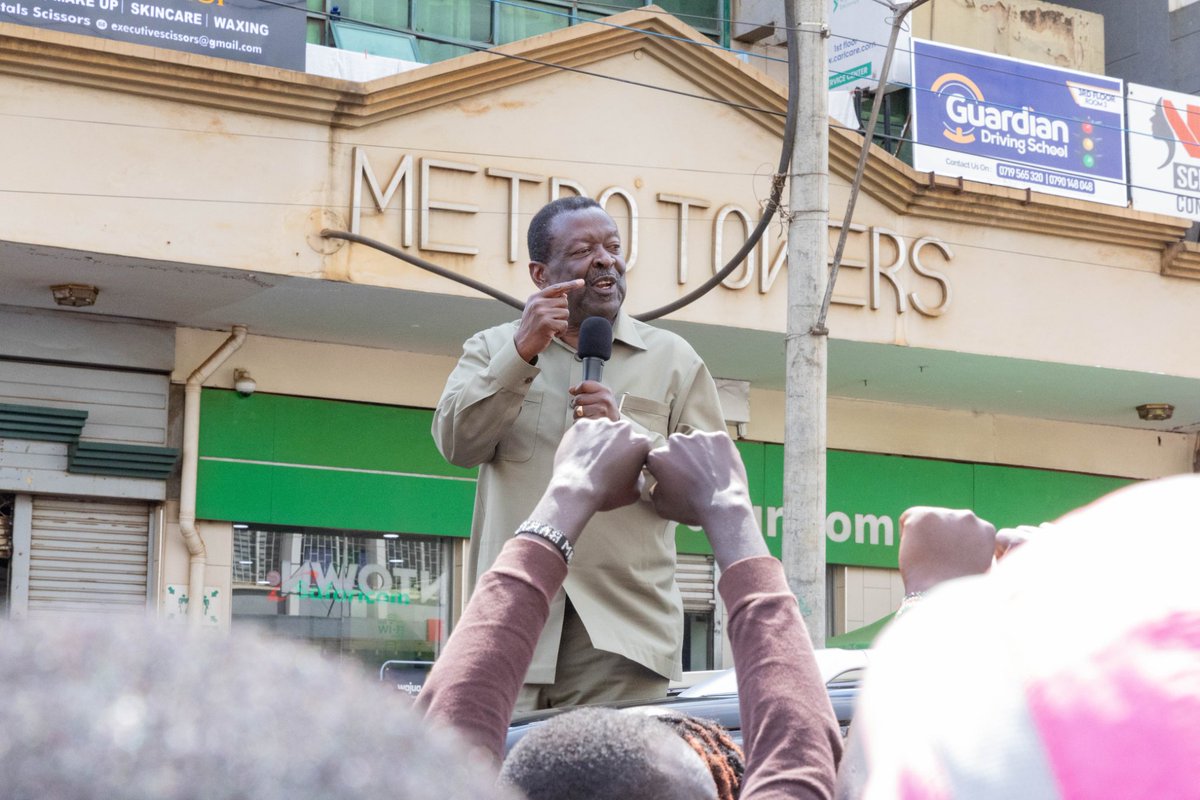
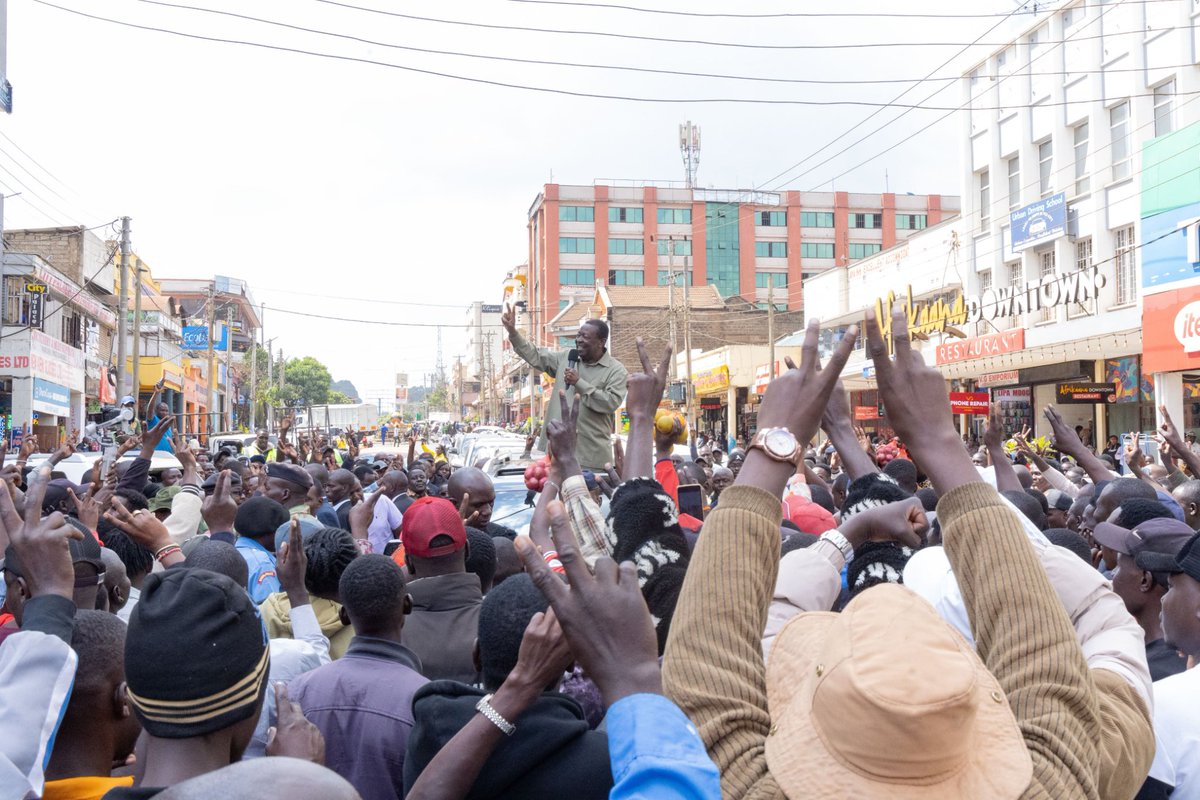
I had an engaging interaction with the people of Eldoret during a Meet-the-People tour, where we discussed the importance of protecting our democracy by participating actively and peacefully in the electoral process. I encouraged every eligible Kenyan to register as a voter and exercise their constitutional right, because the choices we make at the ballot determine the direction of our nation.
As we prepare for the 2027 General Election, I called on Kenyans to continue supporting the leadership of H.E. President @WilliamsRuto through the democratic process. I remain confident that the will of the people will be expressed through a free, fair, transparent and peaceful election, and that the outcome will reflect the confidence Kenyans have in his leadership.
I also urged wananchi to reject tribal politics and divisive rhetoric in favour of unity, national cohesion and peaceful coexistence. Kenya's diversity is one of our greatest assets, and when we stand together as one people, we create the environment needed for businesses to thrive, investments to grow, jobs to be created and communities to prosper.
Under President Ruto's leadership, Kenya continues to strengthen its economy while projecting the country's influence across the continent and the world. By preserving peace, respecting democratic institutions and remaining united in purpose, we can unlock even greater opportunities for our people and build a stronger, more secure and prosperous Kenya for generations to come.
National unity is the foundation upon which lasting peace, economic growth and sustainable development are built. As Kenya prepares for the 2027 General Election, strengthening social cohesion remains a national priority.
Met with the National Cohesion and Integration Commission (NCIC), led by its Chairman, Bishop Dr. Kepha Omae, for discussions on revitalising the Commission and enhancing its capacity to effectively deliver its constitutional mandate.
I encouraged the Commission to renew its engagement with communities across the country and continue championing peace, dialogue, inclusion and national cohesion. A united nation creates the confidence needed for investment, job creation and sustained economic progress while safeguarding the democratic gains we have made over the years.
I also reaffirmed my commitment, in my capacity as Cabinet Secretary for Foreign and Diaspora Affairs, to support the Commission by strengthening partnerships with development partners and mobilising international cooperation to enhance its programmes and broaden its impact.
Together, we must continue building a Kenya where diversity is embraced as a source of strength, and where peace and unity remain the pillars of our shared prosperity.
Faith leaders play a vital role in shaping the moral fabric of our society, fostering dialogue and inspiring the values of peace, unity and service that strengthen our nation.
Received Most Rev. Philip Anyolo, Archbishop of the Archdiocese of Nairobi, together with Most Rev. Anthony Muheria, Archbishop of the Archdiocese of Nyeri and Vice Chairman of the Kenya Conference of Catholic Bishops (KCCB), for discussions on matters of national and regional importance.
The Archbishops briefed me on preparations for the Association of Member Episcopal Conferences in East Africa (AMECEA) Plenary Assembly, scheduled for 18th–26th July 2026 at the Catholic University for East Africa (CUEA). The Assembly, held every four years, will bring together more than 120 Bishops and hundreds of delegates from nine Eastern African countries to deliberate on the Church’s response to the region’s evolving social, economic and pastoral priorities.
Hosting this important gathering further strengthens Kenya’s position as a regional hub for dialogue, diplomacy and international conferences, while generating opportunities for tourism, hospitality and other sectors of our economy.
We also exchanged views on matters affecting our country, and I encouraged the Church to continue championing peace, national unity and social cohesion. A peaceful and united Kenya provides the foundation for sustainable development, investment and shared prosperity for all our citizens.
Kenya's diplomatic missions are at the forefront of advancing our national interests and creating opportunities for our citizens across the world.
Met with our team at the Kenya Embassy in Riyadh, led by Ambassador Joseph Masila, to review preparations for our inaugural Political Consultations with the Kingdom of Saudi Arabia, which conclude tomorrow.
The consultations are expected to strengthen Kenya–Saudi Arabia relations by expanding cooperation in trade, investment, labour mobility, technology, and peace and security. A key priority remains improving opportunities for skilled Kenyan workers while enhancing the welfare and protection of Kenyans living and working in the Kingdom, which is Kenya's second-largest source of diaspora remittances after the United States.
Strong diplomatic engagement is essential to opening new markets, attracting investment, creating jobs and safeguarding the interests of Kenyans abroad. These efforts ensure that our foreign policy delivers tangible economic and social benefits to citizens at home and across the diaspora.
Museums are more than repositories of history, they are windows into the journey of civilizations, preserving the values, innovations and cultural heritage that shape nations and inspire future generations.
During my visit to the National Museum of Saudi Arabia in Riyadh, I gained a deeper appreciation of the Kingdom's rich history, remarkable transformation and the cultural legacy that has helped shape one of the Middle East's leading economies.
Our shared appreciation of history and culture provides a strong foundation for strengthening people-to-people ties and expanding cooperation in tourism, education, cultural exchange and the creative economy.
As Kenya continues to deepen its partnership with Saudi Arabia, these connections complement our broader cooperation in trade, investment and innovation, fostering greater mutual understanding while creating new opportunities for the benefit of our people.
Faith communities remain among the strongest pillars of peace, social cohesion and national transformation. Had an engaging discussion with the leadership and professionals of Friends Church Kenya on the Church's contribution to nation-building and its role in fostering unity, values-based leadership and community development.
I commend the Church's vision to establish a Peace Centre in Nairobi and expand student accommodation facilities at Kaimosi Friends University College. These initiatives will create spaces for dialogue, mentorship and reconciliation, while increasing access to quality higher education for more young people.
Beyond their spiritual mission, faith-based institutions continue to make a significant contribution to education, community empowerment and conflict resolution, helping to build stronger and more resilient societies.
Government remains committed to working closely with religious institutions in advancing peace, nurturing future leaders and creating opportunities that improve the lives of Kenyans and contribute to a more united, stable and prosperous nation.