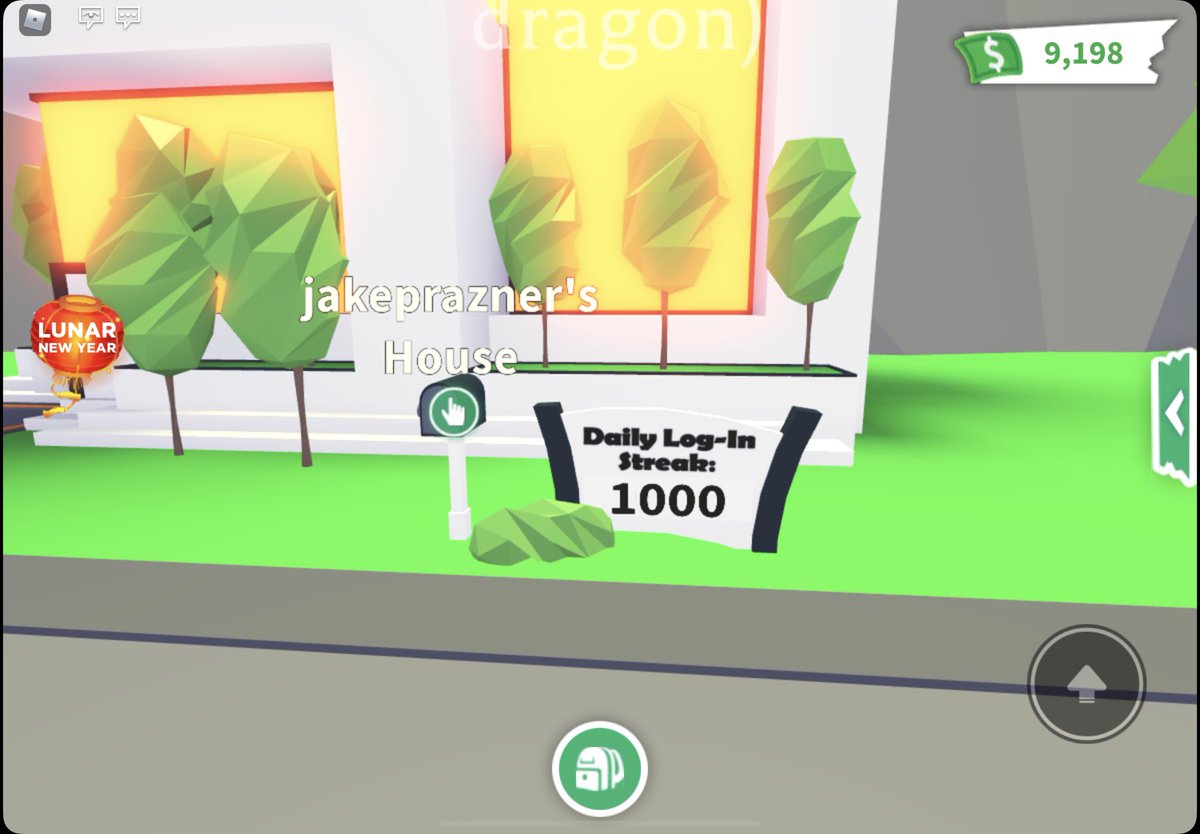
@newfissy@Bethink_RBX@tactful@PlayAdoptMe Today I hit a 1000 day log in streak!!! I thank the Adopt Me team for helping me on this journey and everyone else who helped me. I have decided to make a video of some past memories over the years. Enjoy!!!
https://t.co/xhUzn0CTr1
🚨Giveaway: I'm giving away 4 FREE copies of Madden 26 All Madden edition (2 on each console).
How to enter:
1. Retweet and like this tweet
2. Comment your favorite team and #Madden26
3. Follow @NFL_DovKleiman
Play Now 7 Days Early! Goodluck! 🏈
Winners picked 8/8 4PM EST.
@edgaralandough Just wondering, if index’s like the S&P and NAS100 peak within the next few months, do you think it will have a similar pull affect on $TSLA?
Wow, 2400 days seems unreal @PlayAdoptMe@newfissy. Here’s a fun fact, if you invested $10,000 into the “S&P 500” 2400 days ago you would now have $25,431.02.
@isotrop3@PixelKamui@InfernoOmni Sadly Lunchly hasn’t been given a chance yet. Lunchly isn’t in the east coast yet where they would make a lot of money due to high populations, when they released it, why did they only release it to a select number of states?
I have a theory
The more algorithms that are created
Overreliance When many institutional investors deploy algorithms based on comparable models and risk assessments, they tend to react in unison to market signals. In times of stress, this synchronized behavior can trigger a cascade of automatic sell orders, rapidly accelerating a market downturn. As these algorithms chase the same liquidity, prices can plummet as supply overwhelms demand, creating a feedback loop where falling prices prompt more selling. This homogeneity in trading strategies can strip the market of its natural resilience, making it more susceptible to sharp, uncontrollable declines, and contributing to systemic risks that are difficult to mitigate once they begin.