The Disaster Relief Hub in the Office of the Dean of Students is available for students, faculty and staff in need of resources and support.
https://t.co/NeDnxeI8Gi
Happiness isn’t selfish. Feeling good is fuel for doing good.
Misery is exhausting. It fosters a sense of scarcity: generosity seems like a sacrifice.
Joy is invigorating. It promotes an attitude of abundance: giving feels gratifying.
Vitality is kinder than melancholy.
Insecure leaders ridicule others. Secure leaders laugh at themselves.
The ability to make fun of yourself opens the door to candor. It’s a mark of humility and a catalyst for learning.
Great leaders take their work seriously, but they don't take themselves too seriously.
25 minutes to go…
I’m curious how people get involved. Do you play with friends, family, in a group chat? Do you play alone?
Do you follow all the polls or just vote if/when you see them?
Let me know 🤷🏼♂️
“I am who I am” is not a sign of a strong identity. It’s a mark of a closed mind.
A rigid sense of self is a barrier to growth. It makes you a prisoner of your past.
Prior patterns don't have to dictate future decisions. Who you've been shouldn't limit who you become.
“I was just being myself” is not an excuse for disrespectful behavior. It signals a lack of concern for others.
Authenticity without empathy is selfish. Authenticity without boundaries is careless.
Being true to yourself shouldn’t come at the expense of being kind to others.
Bosses who insult and intimidate don't get results. They leave people scarred.
Data: when NBA players have abusive coaches, they play more poorly for the rest of their careers—and commit more technical fouls.
Weak leaders make people weaker. Strong leaders make people stronger.
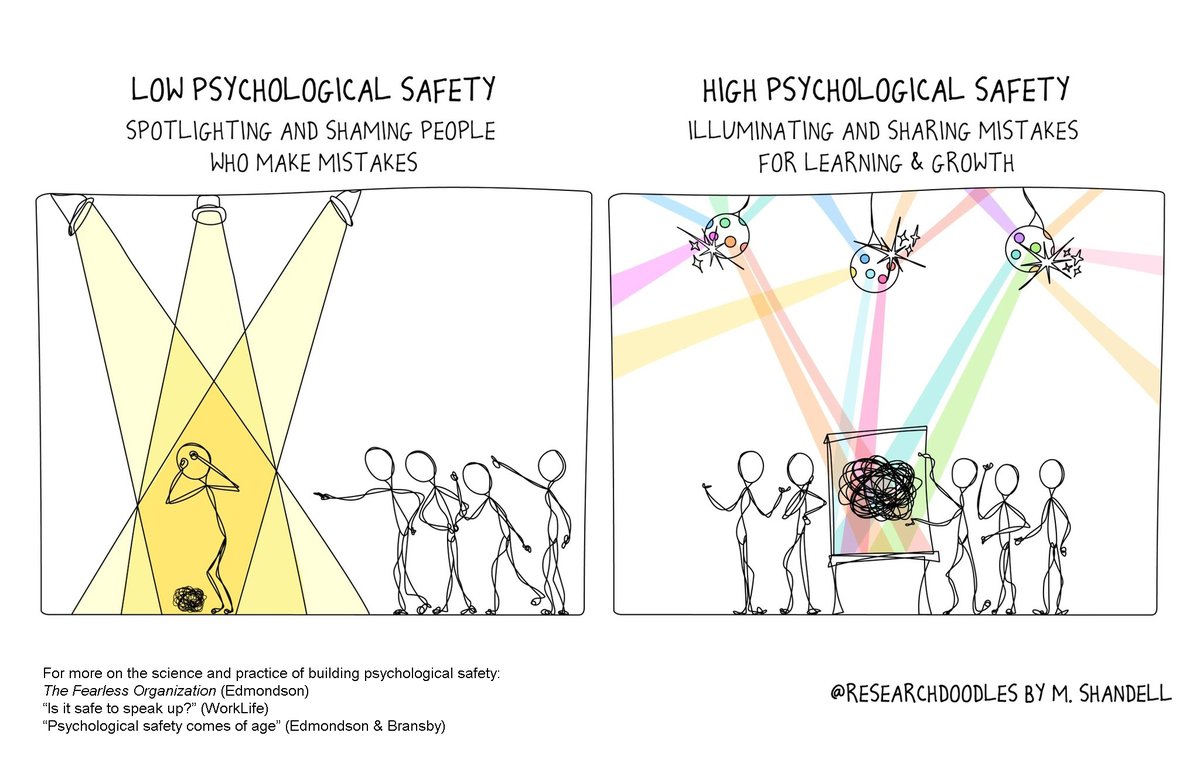
A position as a leader means that your words and actions have roughly the same impact on people’s mental health as a domestic or romantic partner and more than a doctor or therapist. #PsychologicalSafety
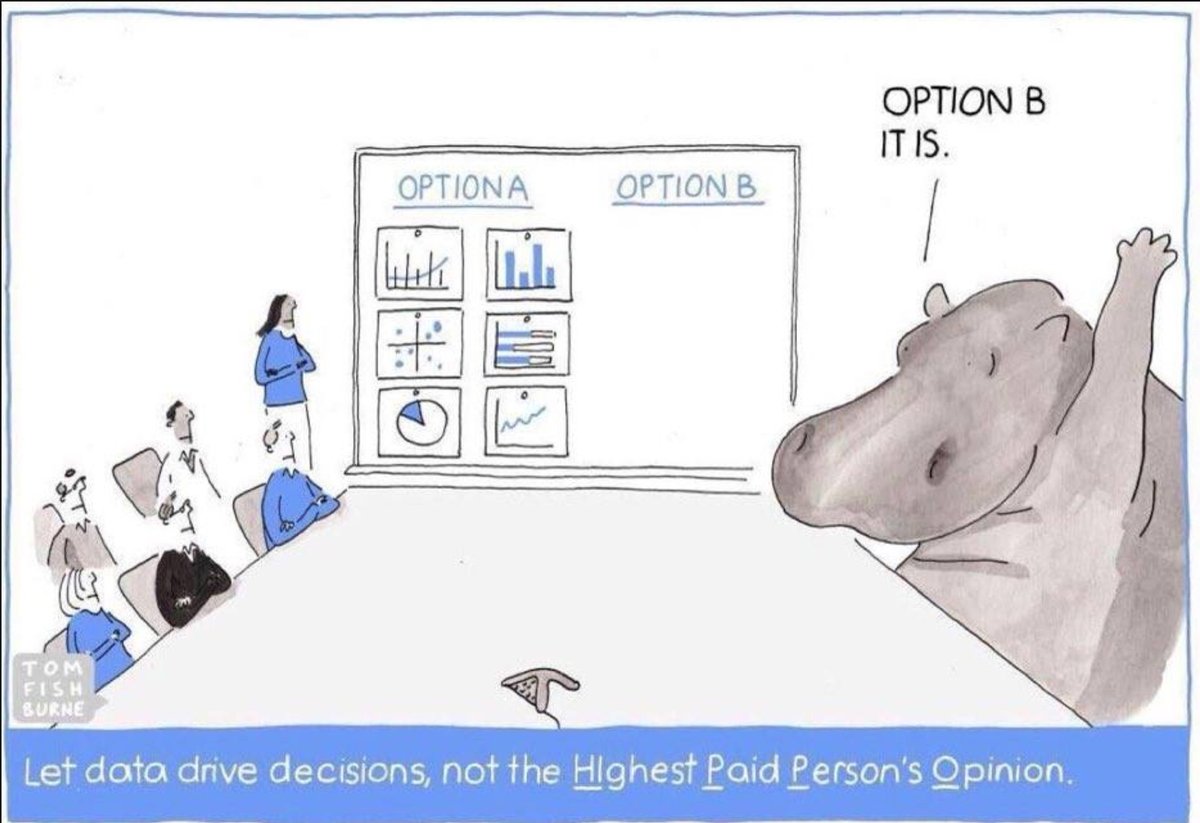
"Don't argue with the boss" is not a demand for respect. It's a sign of a fragile ego.
Insecure leaders silence dissent to shield their self-esteem and save face. Secure leaders welcome critiques to improve their judgment.
Being open to challenges is a prerequisite for growth.
Blaming and shaming doesn't stop people from making mistakes. It stops them from admitting mistakes.
If people can't share their blunders, they can't learn from them—and neither can the rest of us.
The best way to prevent errors is to make it safe for people to discuss them.
The antidote to passive-aggressiveness is not brutal honesty. Candor without care just makes you an asshole.
Communicating well is being direct in your message and kind in your delivery.
The goal isn't to sugarcoat the truth. It's to make it clear that you're trying to help.
When we hire from the outside, we pay more to get less.
Despite costing more, external hires perform worse and quit more. Promoting from within fuels individual growth and collective success.
If there are never strong internal candidates, we've failed at leadership development.
A boss looks for reasons to say no. A leader looks for reasons to say yes.
A boss issues orders and demands loyalty. A leader gives direction and takes responsibility.
A boss expects to be the most important person in the room. A leader makes everyone feel important.
Being professional is upholding high standards in low moments.
It's caring to do a good job even in jobs we don't love; treat others with respect even if we're disrespected; and do right even if we're wronged.
We earn trust by refusing to compromise on competence or character.
If you surround yourself with honest and well-intentioned people, you are more likely to live an honest and well-intentioned life.
If you surround yourself with sycophants and status-focused people, you are more likely to live a false life.
Choose your people wisely.