@JesusFerna7026 https://t.co/42iOAfuPWq
Creo que queda muy bien ilustrado en esta escena de la gran The West Wing:
"Uno de los productos más peligrosos que exporta la democracia estadounidense es su sistema presidencialista"
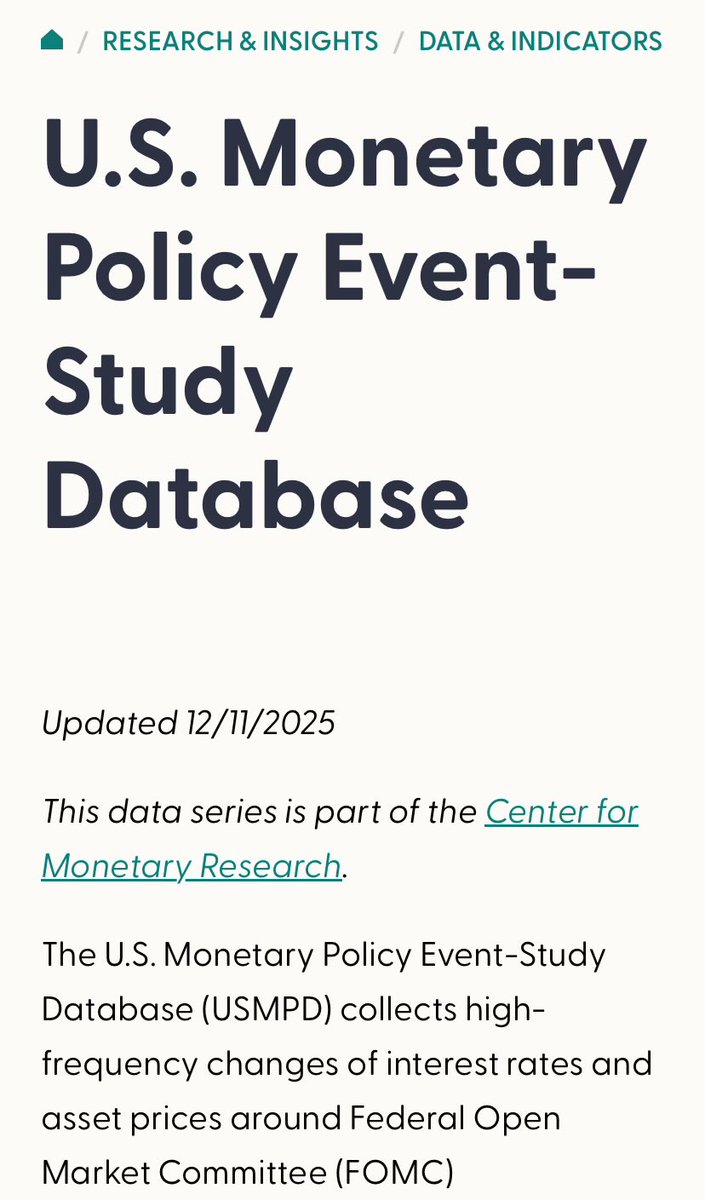
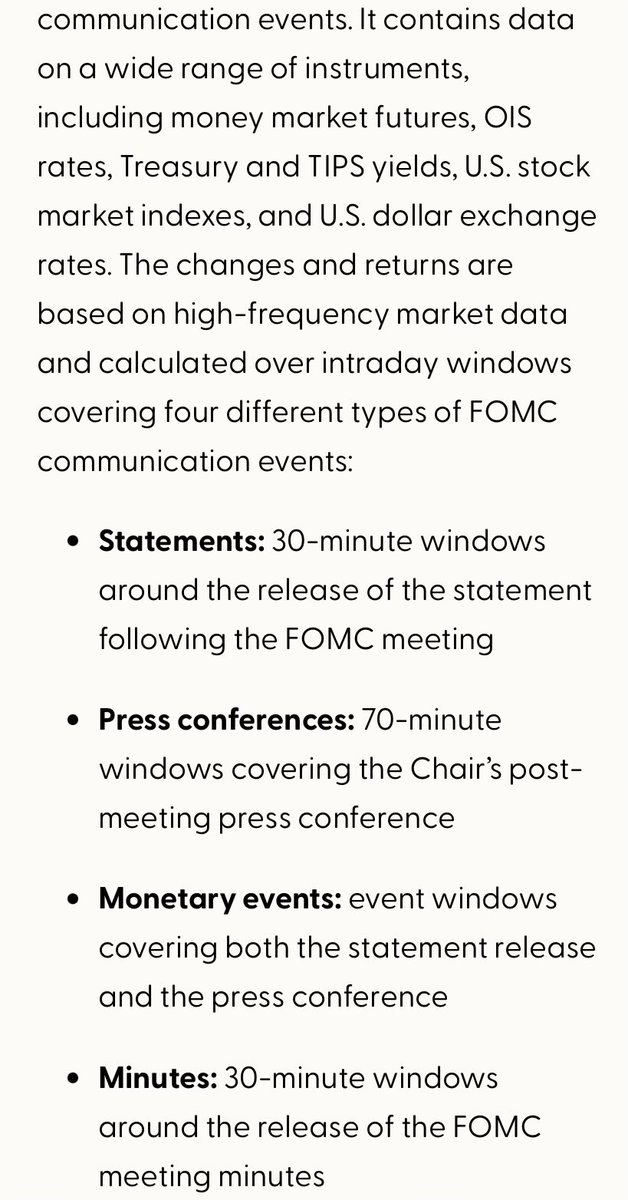
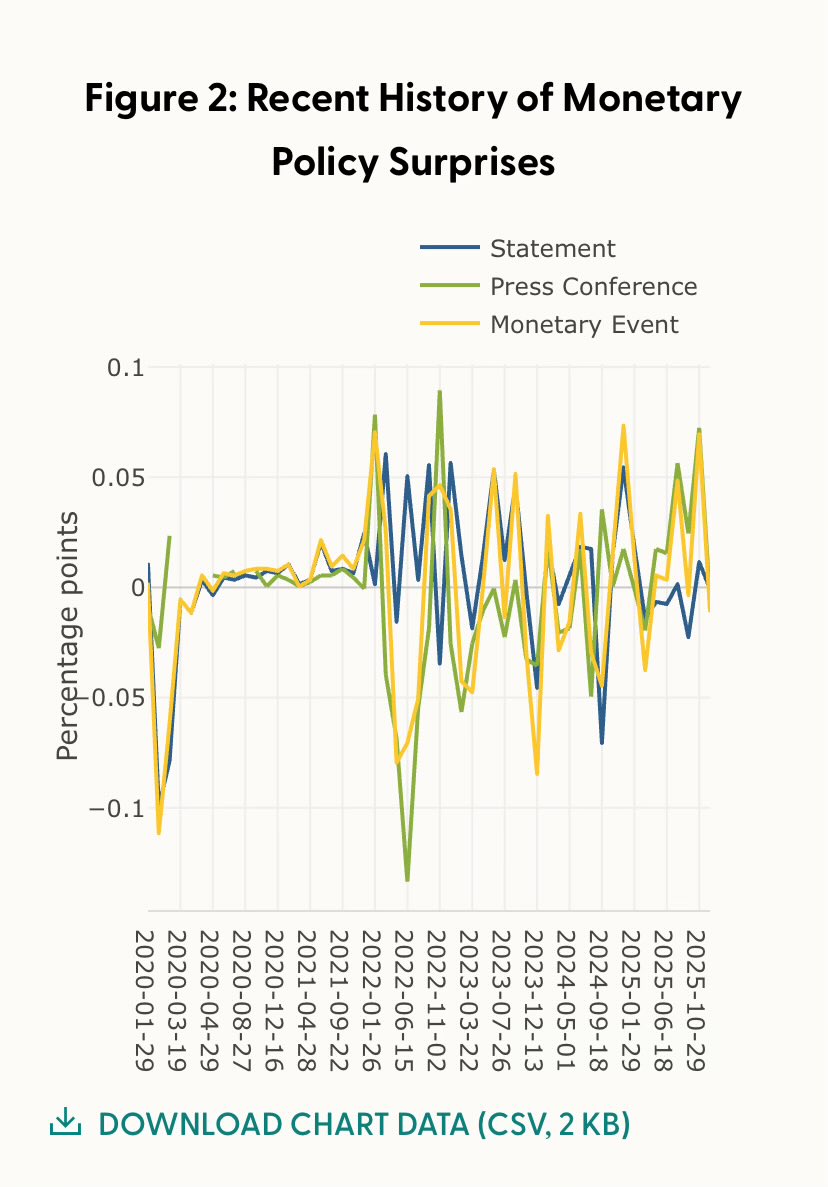
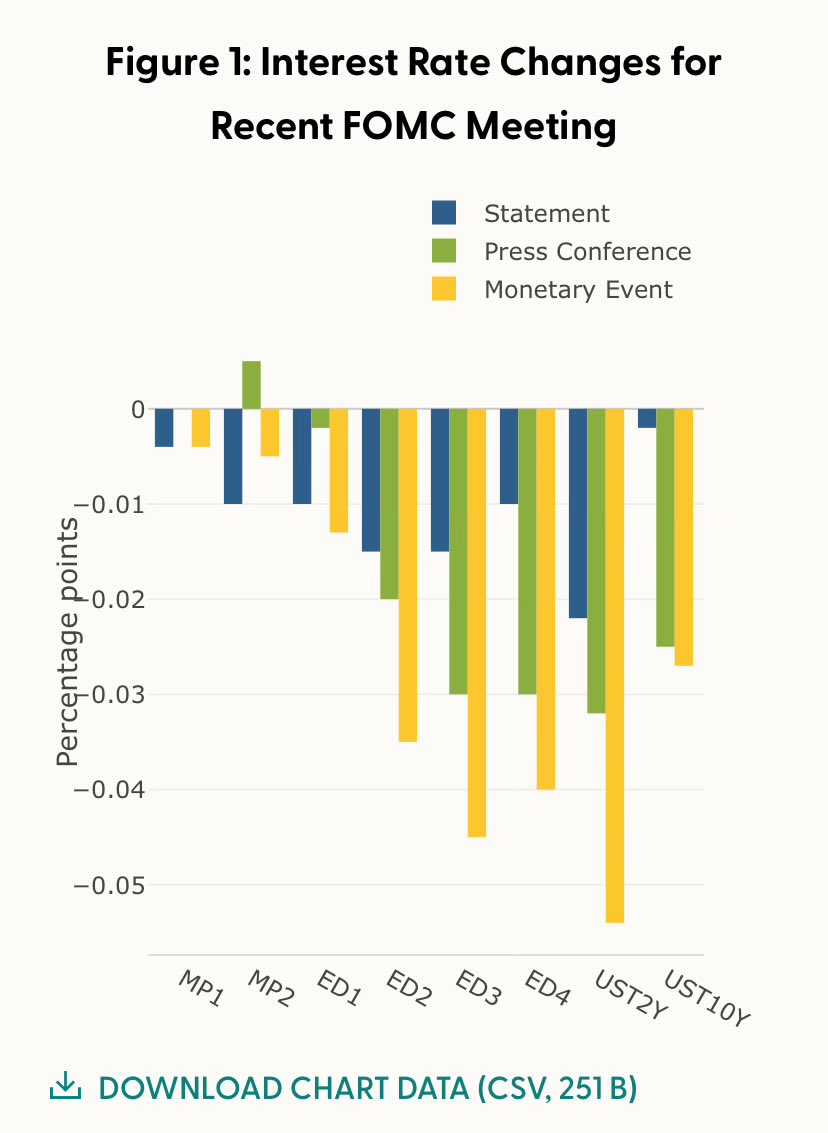
‼️💥 The USMPD is now out 💥‼️
High-frequency monetary policy surprises for all official FOMC comms
👇
https://t.co/2iRXTHDcMD
🔸 Since 1994
🔸 Regularly updated
🔸 FREE!
Paper 👉 https://t.co/iaCd5RK6Wr
w\ @migacosta A. Ajello @michaelbauer_hh & F. Loria
#EconTwitter
@MedievalScholar You're confusing Bayard with Diego García de Paredes, who is known for a very similar feat at the bridge over the Garigliano River in 1503 (on the Spanish side). Bayard was the one defending the bridge over the Sesia River in 1523.
Este sería el aspecto que podría presentar actualmente la sevillana Plaza de la Campana si no se hubiera derribado el Café París, de Aníbal González (imagen generada con IA a partir de la fotografía original compartida)
We know from Diocletian's Price Edict that the price of shipping 1kg of grain from almost anywhere accessible by water to Rome was just 2-5 denari, less than a quarter of a day's wage. Such cheap shipping prices meant the cost of sending letters across the Mediterranean, Black Sea, and even to Britain was fairly marginal.
Este tipo de argumentos siempre olvida que la Francia revolucionaria tuvo que resistir el embate de dos guerras de coalición.
Por otro lado, llamar a Napoleón "fascista" parece el colmo del presentismo.
The French Revolution was a disaster: killed 2 million people, led to the rise of Napoleon--perhaps the world's first totalitarian fascist dictator, who began wars of conquest that killed an additional 4 million people, led to the restoration of slavery, to the restoration of the monarchy, and a delay of democracy in France by perhaps a century.
Russian Revolution killed several million, led to the Russian Civil War--which killed another 9 million--led to the rise of Stalin, who killed 20 million.
There's an old cliché: you can't make an omelette without breaking a few eggs. Well, it ignores the fact that people aren't eggs, and that generally does not result in an omelette.
Again, the Chinese Revolution, perhaps the most disastrous event in history, led to the Great Leap Forward and the Cultural Revolution, killed perhaps 30 to 40 million people altogether.
Clip from the @IAI_TV
6/6
La pregunta es si este tipo de shock (en su magnitud) podría tener un efecto real sobre el tipo de cambio. Y qué implicaciones tendría en términos macroeconómicos.
1/6
Considero bastante cínico abordar las deportaciones masivas únicamente desde una perspectiva económica. Aun así, si se insiste en ese marco, hay un argumento económico en contra de estas políticas que rara vez —o nunca— he visto comentado.
5/6
Si el país depende de importaciones clave (energía, alimentos, tecnología), esa devaluación puede trasladarse a precios internos en forma de inflación importada. Incluso en un contexto de menor consumo.