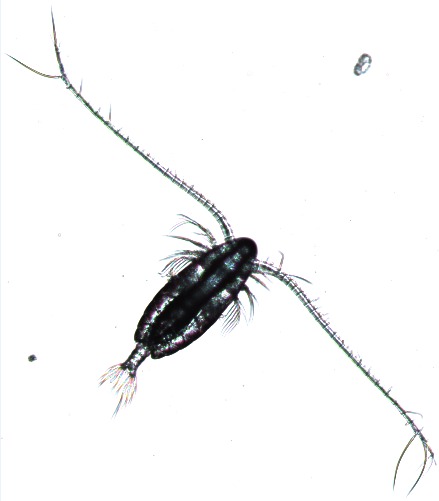
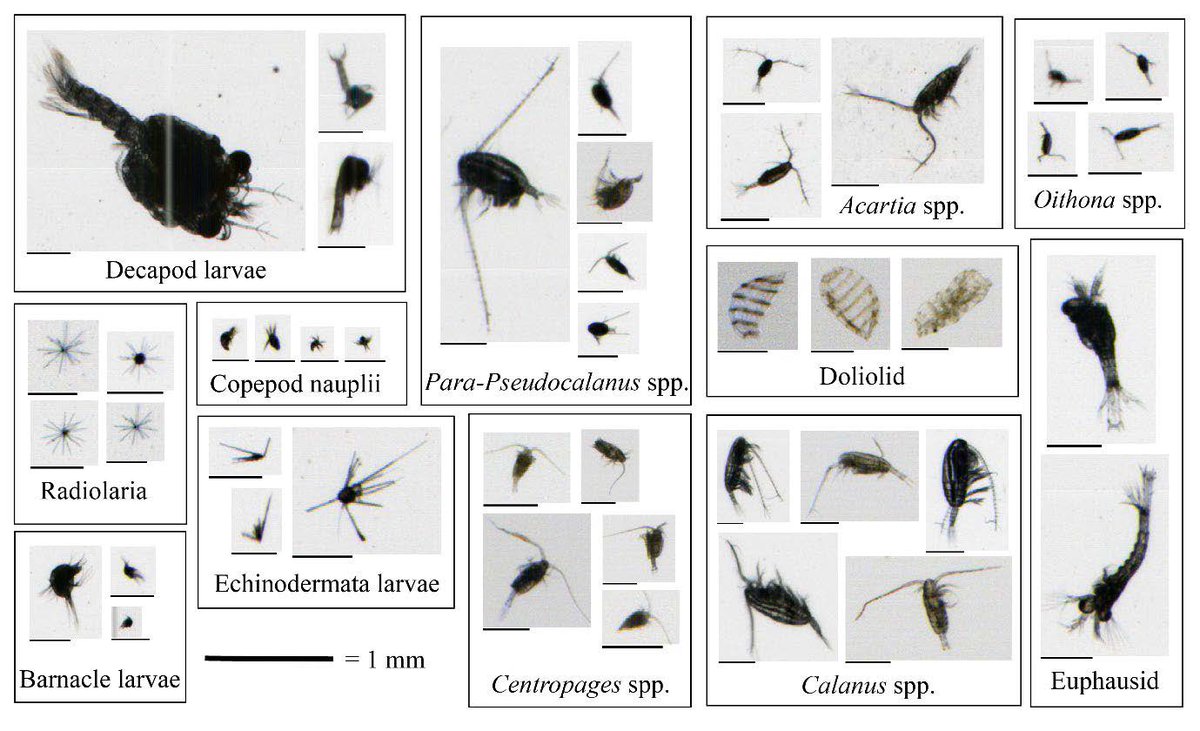
A beautiful 1.5 cm copepod captured travelling at hyper-speed (2 meters per second!) using the Plankton Imager! Fastest copepod in the west..... (west north sea that is)
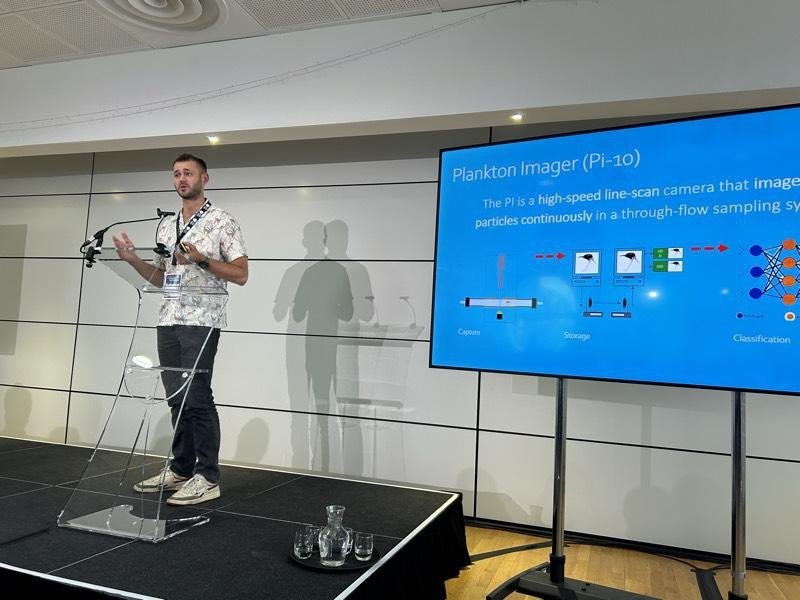
Great to present work on edge ai for automated, real time plankton sampling. The result of a collaboration between @CefasGovUK, @NOCnews and @turinginst at #ICESASC24
Check out this very cool zooplankton PhD at Leibniz Institute for Baltic Sea Research Warnemünde. It will be working with Jörg Dutz, who is part of the ICES WGZE. A brilliant opportunity.
https://t.co/E8tQNyB24R
Eat more pelagic #fish!
Great talk by James Scott @CefasGovUK. My personal go-to list: mackerel, herring, anchovy or sardines. First three made the list in this talk I think. Honestly, delicious, more nutritious and more sustainable, you gotta try.
#WeAreRecruiting a Plankton Ecologist with expertise in the identification of phytoplankton using microscopy and image analysis, to support the development of these novel technologies and their application to pelagic science. Full details: https://t.co/C3x9bbuS8l
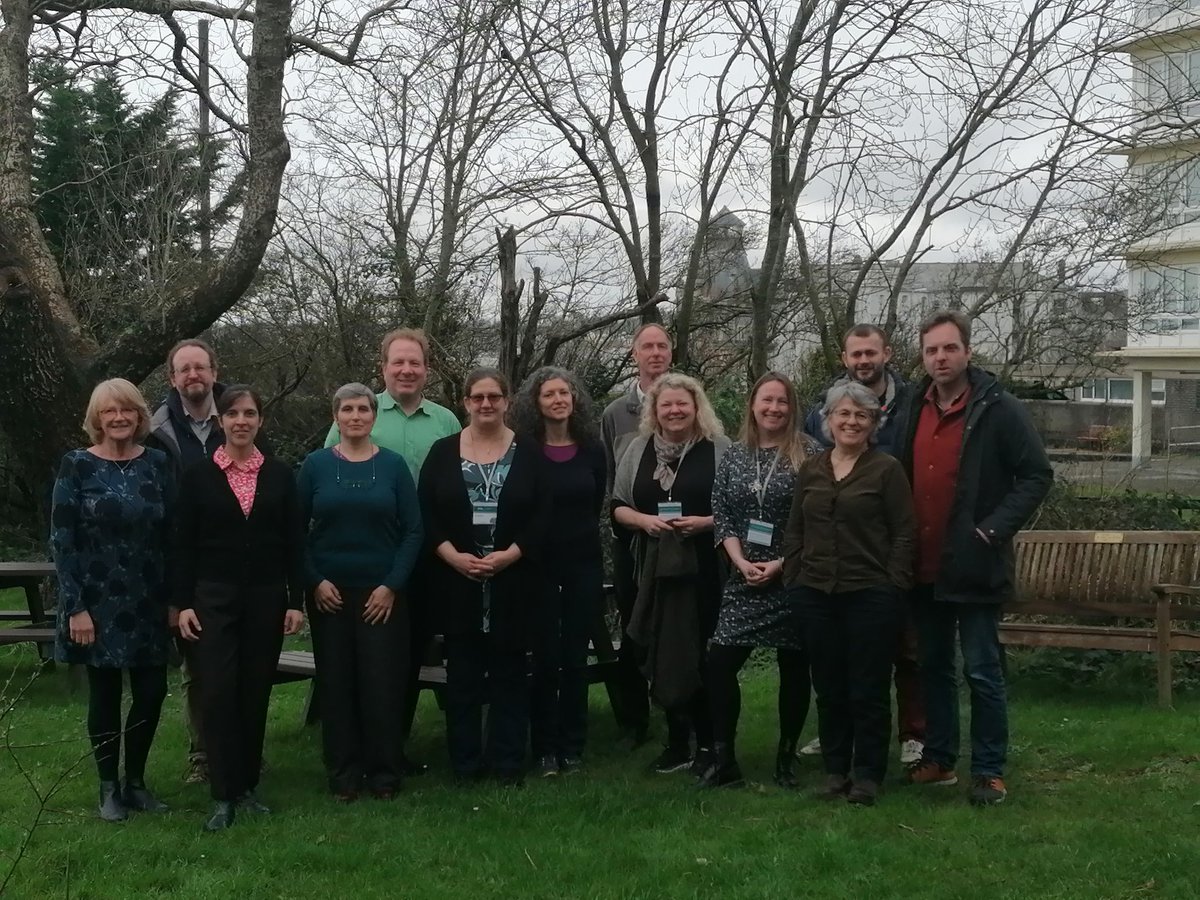
Today is the second day of our @ICES_ASC #WGZE annual meeting in @PlymouthMarine#uk discussing #zooplankton ecology research issues. The in person participants
What an amazing day hosting the Annual Cefas Science Conference!
We had thought-provoking discussions and insights about the role of science, innovation, and collaboration.
Thank you to all the speakers and guests #CefasScienceConf23#CefasScience#CefasEngagement
Really enjoyed the #MBAPGC22 Conference and all the interesting talks. Thanks to the organisers for the opportunity to spread the word about our new small scale #copepod data! Even better to leave with an award!
Although we did literally have dozens of awesome scientific communications, we also managed to give out some #prizes - well done to the awardees!
#MBAPGC22
Next AMB seminar @ueaenv@CefasGovUK 26 April 2021 13:30 UTC +01:00 James Scott, High spatial resolution zooplankton data Join here : https://t.co/uw7x2qpXVe
Did you know plankton produce so much oxygen they are responsible for every second breath we take? Not only that, but they provide the food other marine species need to grow, including cod on our plates!
See the video: #planktonweek https://t.co/ki122uECB3
This year we've extended #PelticSurvey northwards to study the small pelagic fish community and the ecosystem in Cardigan Bay in collaboration with @WG_fisheries. Total area covered by survey is now 102,000 km2! @CefasGovUK
Size doesn’t always matter. Plankton size & abundance affect Small Pelagic Fish biomass, distribution & growth. Which is why #PelticSurvey studies plankton communities with traditional & new methods: microscopy, flow cytometry, Zooscan, Plankton Imager @CefasGovUK@SophiePitois