Pro traders aren't any better at "predicting" where the market will go than a hobby trader, and its not the job. The difference is all in execution: Finding lvls, protecting profits once available, stopping out & adjusting when wrong, and consistant loss size control. Focus there
Most people have never heard of the Cantillon Effect.
But once you understand it, you’ll see the world of investing differently.
What is it?
In the early 1700s, Richard Cantillon noticed a simple pattern:
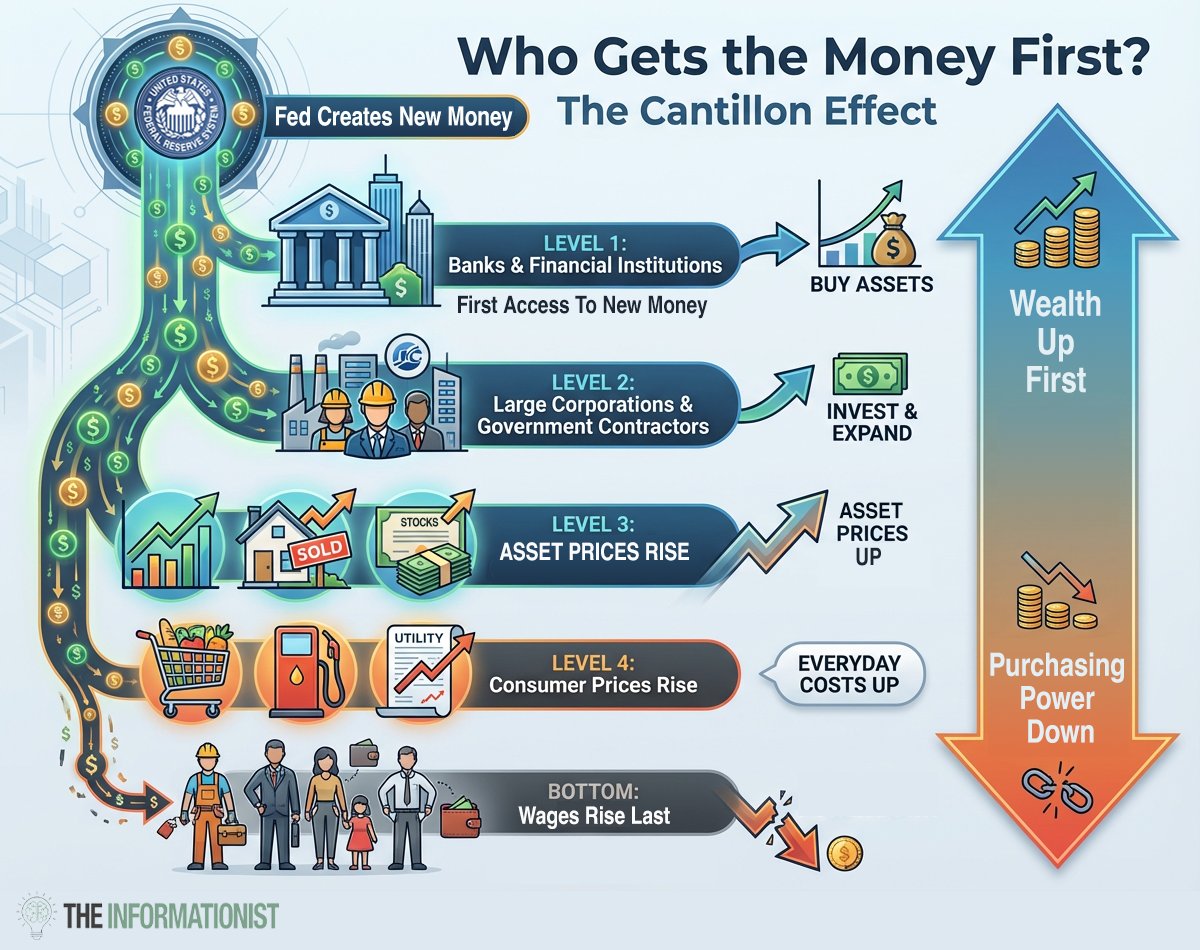
When new money enters an economy, it doesn’t reach everyone at once.
And whoever gets it first benefits the most.
Here’s how it works today:
New liquidity enters through the Fed and through bank lending.
Both follow a similar pattern:
→ Markets and large balance sheets get first access
→ Large corporations and well-connected borrowers tap cheap credit next, they invest and expand at today’s prices
→ Asset prices tend to rise as new liquidity chases finite assets
→ Consumer prices often follow
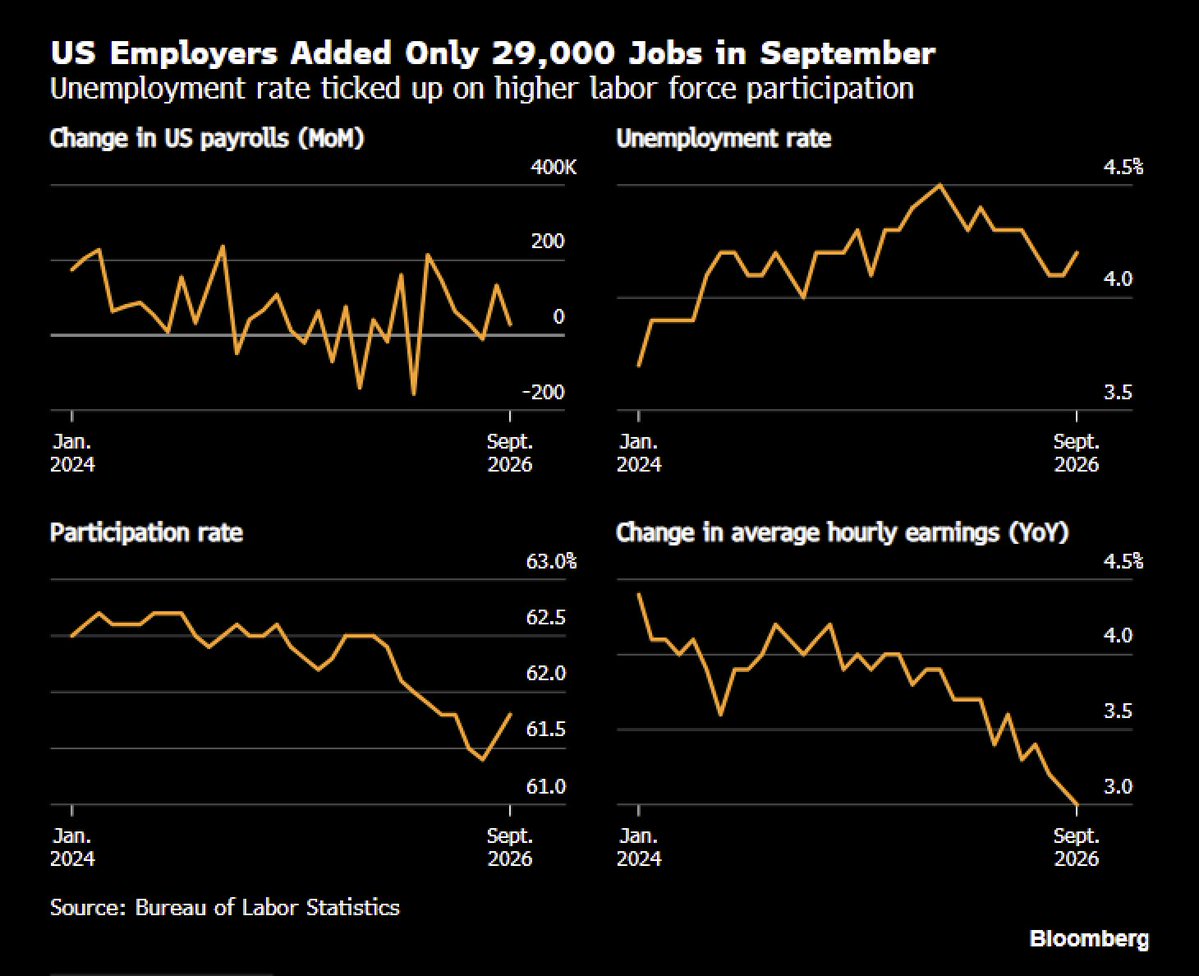
→ Wages rise last, usually after purchasing power has already declined
Fed data shows how lopsided the playing field is:
- The top 10% hold nearly 90% of equities.
- The bottom 50% holds about 1%.
It’s a simple but powerful monetary transmission.
Understanding this won’t change the system.
But it might change how you think about where to store your savings.
For those of you who don't know, I write all about topics like this every week in The Informationist. Last week, we dove deep on this one.
Link in bio if you want to read the full explanation.
Good morning.
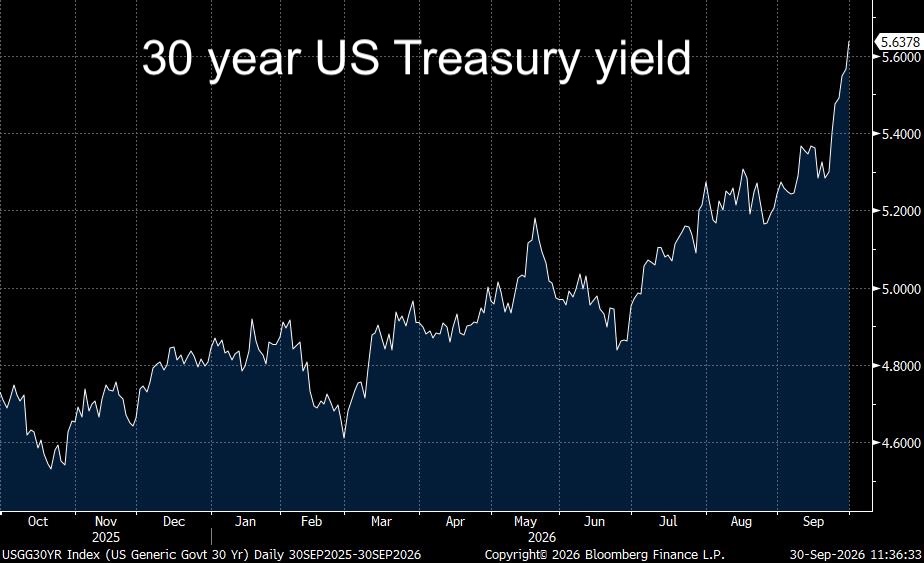
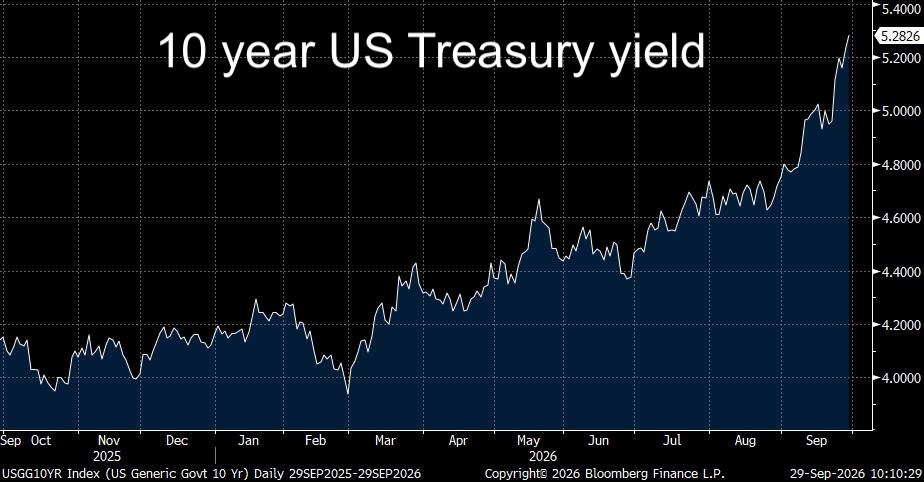
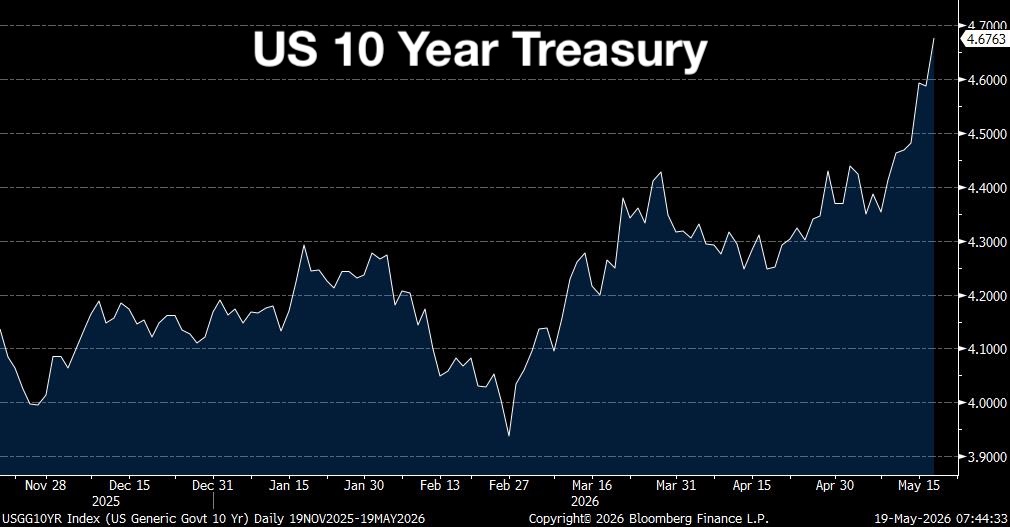
Since the yield on the 10-year US Treasury has been exploding higher, let's check in on the 30-year, see if it's doing any bett—
Anyway, have a great day.
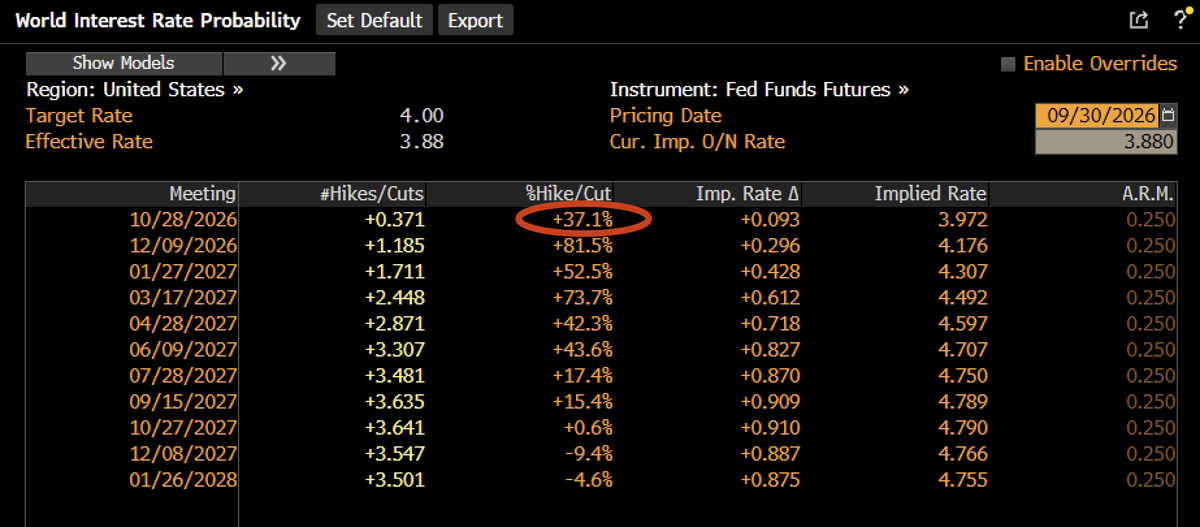
Two days ago, Fed Funds futures priced the odds of an October Fed hike at over 70%. But with new methodology and a weaker core PCE reading, odds have dropped to just about 1 in 3 now.
"All the world's a stage..."
Good evening.
Hundreds of millions of people are going to wish they had considered and studied bitcoin instead of simply dismissing it.
Have a great night.
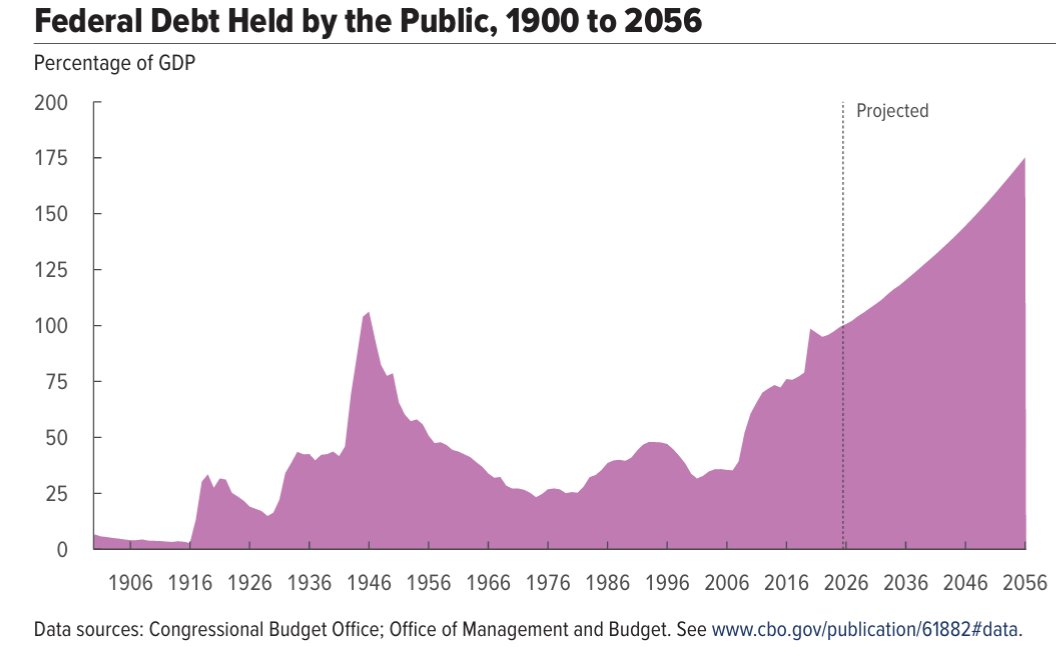
New Fed Chair Kevin Warsh knows it. New Treasury Secretary Scott Bessent knows it. These two charts are entirely incompatible and bound to present problems from Wall Street to Main Street for years to come.
Finally got a chance to listen to this awesome @PeterMcCormack podcast, where @LynAldenContact gives an absolute masterclass on money, exactly what is going on with central banks and bonds, and where our debt-laden system is ultimately, and undeniably, headed. Cannot recommend this one enough.
Bookmark or go listen now.
https://t.co/mSPtVsWtdi
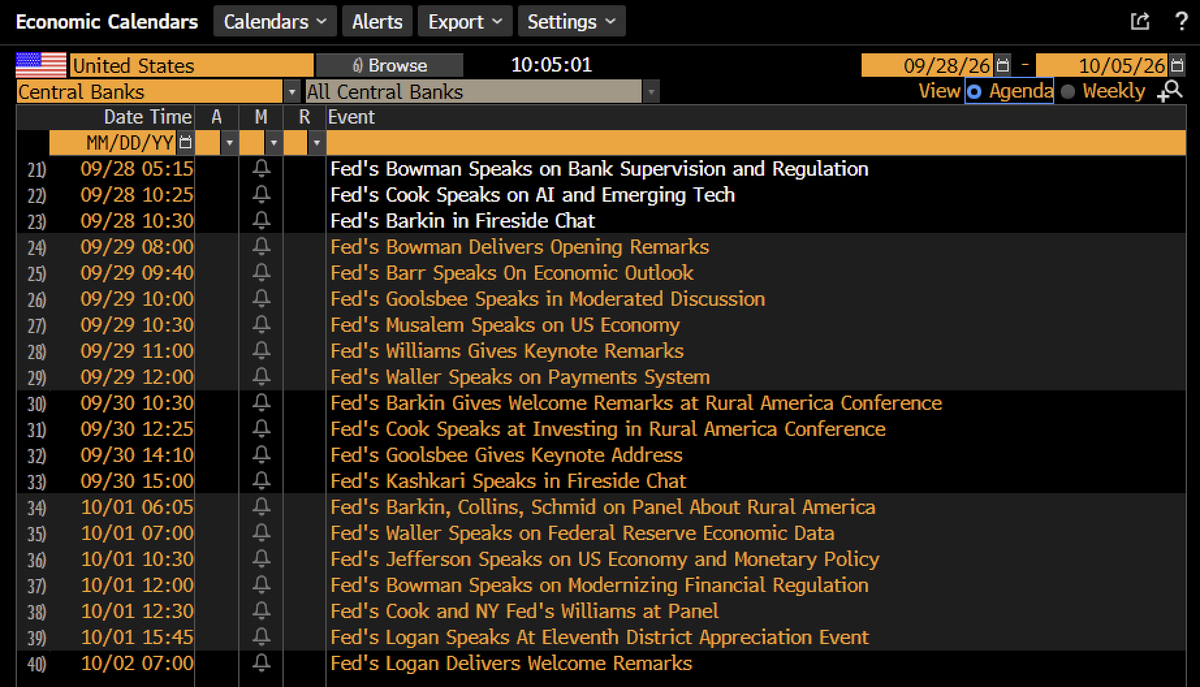
As the 10 Year US Treasury yield explodes higher, pay close attention to what new Fed Chair Warsh and other officials say in the coming days and weeks.
Why?
1. The 10 Year is the benchmark for just about all consumer borrowing rates in the US, including credit cards, auto loans, and mortgages.
2. The Fed controls the overnight rate by voting on the Fed Funds Target. But the 10 Year is set by the bond market itself. Buyers and sellers voting on inflation, credit risk, and Treasury supply in real time.
3. To keep consumer rates from following the 10 Year higher, the Fed has one tool left in the kit. Print money and buy the bonds themselves to force yields lower. Yield Curve Control.
And that is what drives excess money supply and the next leg of asset inflation.
Their words, and any fancy new acronyms, will be your first clue.
Good morning.
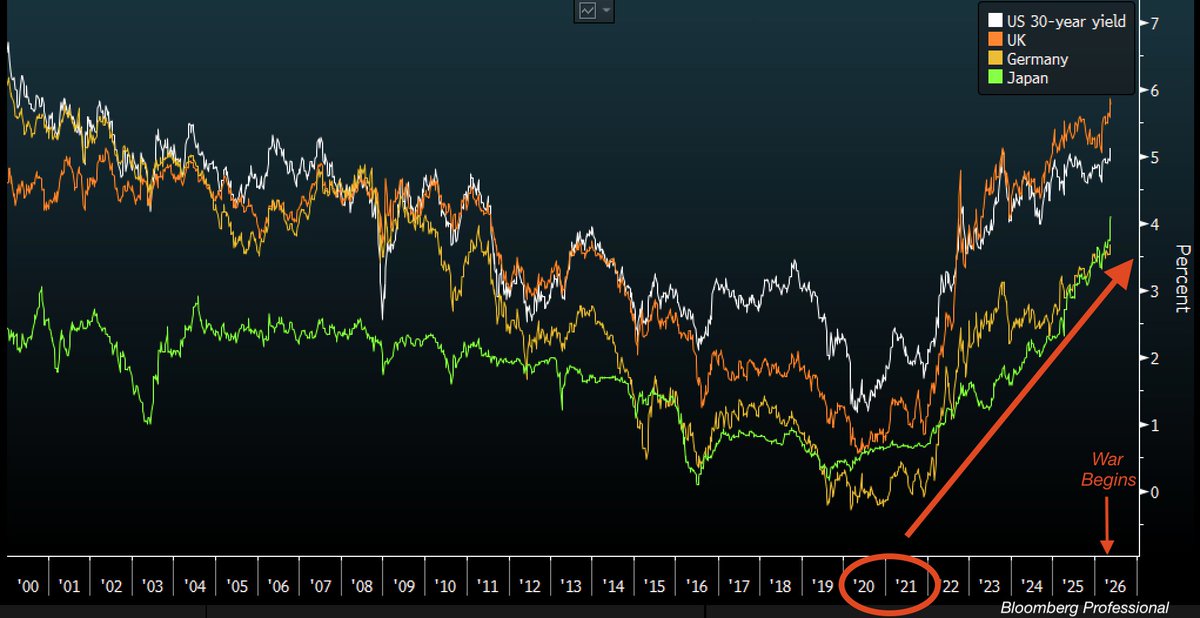
Yields on government bonds did not start rising 'because of the War'. They, in fact, began to skyrocket higher after massive central bank money printing in 2020/2021 and continue higher because of relentless government (deficit) spending.
Have a great day.