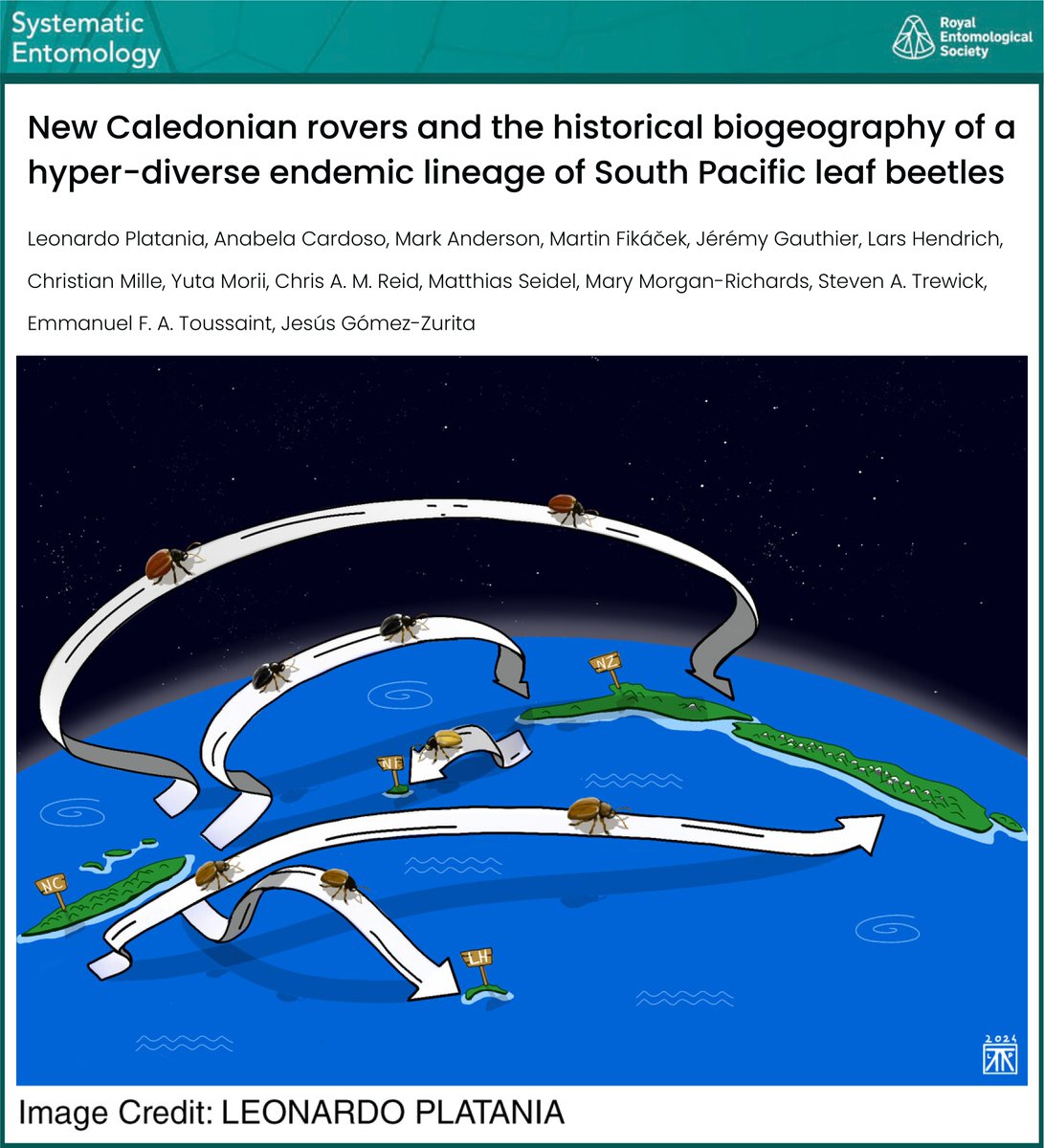
Really interesting paper on some leaf beetles from the South Pacific! The origins of Norfolk Island's two endemic species is particularly fascinating to me as evidence suggests that they originated from New Zealand ancestors, as opposed to from New Caledonia. Really cool stuff!
New Paper out in @Systematic_Ent
Eumolpinae from New Caledonia have been quite crazy in the last 25 Ma!
Long Distance Dispersal emerges as the main process shaping the lead #beetle diversity in the archipelagos of #Zealandia
Check it Out! 🪲
https://t.co/3Jgj9VcQJj
1/8
Undoubtedly one of the greatest rediscoveries of an insect within NZ (and maybe the World), rivalling the rediscovery of the Canterbury knobbled weevil! Fingers crossed this rediscovery allows us to learn more about the mysterious frosted phoenix (Titanomis sisyrota)!
@ngaioweevil @binnaburra Thanks Mark! It has certainly received a lot more attention than I expected but it's great to see insects and taxonomy in the media 😊
Meet Australia's most recently named and described longhorn beetle: Excastra albopilosa! I was lucky enough to discover this remarkable species while camping @binnaburra in 2021. Have a read of the UQ News article for more detail and a link to the paper. #entomology#newspecies
Chance sighting by #UQ researcher leads to the discovery of new genus of longhorn beetle. It's believed the white fluffy exterior helps camouflage it from predators. @uqscience
📖https://t.co/1SQNyqznF7
Tune in tonight 8.30pm, @TVONENZ as Pax Assadi and Nicola Toki travel to predator-free Te Hauturu-o-Toi/Little Barrier Island, a sanctuary for many endangered species. Brought to you by @WWFNewZealand@endangered_nz Warner Brothers NZ @docgovtnz@NZonAir
Check out pages 12 and 13 for a short write-up introducing our project with @Parks_Australia to improve our knowledge of Norfolk Island's insect fauna. Thanks to Kate and the rest of @UQ_CBCS team for putting this together! @KARK_Group
When the rainforests burned, so did the leaf litter – and billions of invertebrates vital to healthy ecosystems.
🍂 Without their tireless work, write Heloise Gibb (@latrobe) + Nick Porch (@Deakin), leaf litter builds up and can make fires more likely. https://t.co/ywEWGuGhpS
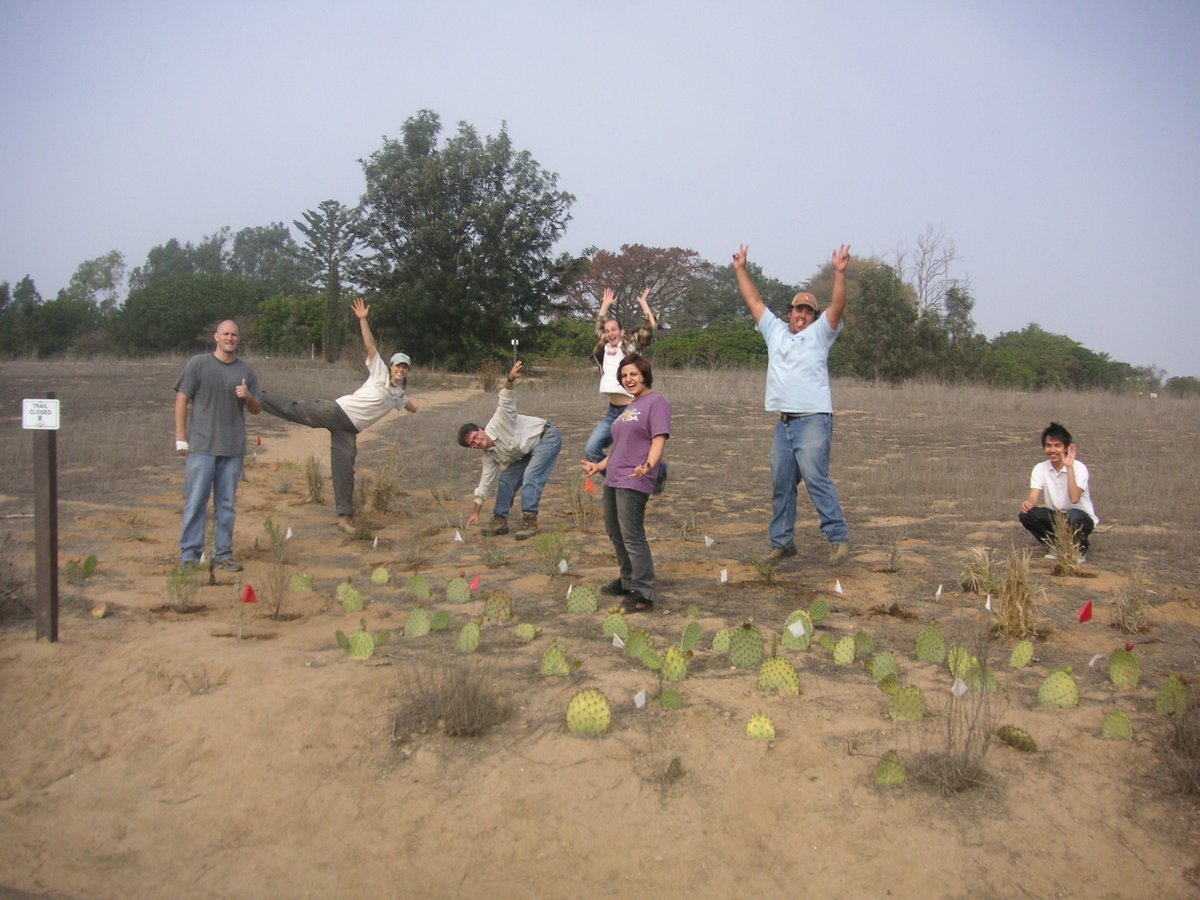
Land restoration outcomes can be huge for conservation. This example hopefully inspires people to give nature a chance. Here's a pic from 2007, when I led a grass-roots restoration project on 'Bayview Slope' in Irvine, California. A short 🧵, w/ before & after pics!... (1/5)
Great report! The rate we're losing species is terrifying but this list is undoubtedly incomplete. No insects have been declared extinct despite comprising ~65% of all animals. Better understanding of invertebrate diversity is needed to ensure species aren't being lost unnoticed.
Our new report confirms Australia's modern extinction rate is worse than feared, 23 animals and 4 plants have been lost since the 1960s. That's a rate of 4.5 extinctions per decade for the past 60 years.
A thread (1/4)👇
https://t.co/nfEZwvbegU #WorldBiodiversityDay
Now out in Nature Ecology & Evolution: The same 20 insect families make up over 50% of species and specimens in Malaise samples; regardless of continent, climate, or habitat. Yet, most are neglected dark taxa. Time for change! https://t.co/mmxVF9mc75
Fantastic find by @gautschi_daniel of a male Norfolk Island stag beetle, Lamprima aenea. This species is the only insect endemic to the island that is listed on the @IUCNRedList, where it has been assessed as vulnerable.
Check out this fantastic paper by @JohnathonRidden and colleagues on the @CantMuseum#mayfly collection! Projects like this make otherwise inaccessible data available to scientists everywhere and allow us to better understand the spatial and temporal distribution of species.
Here is my paper on the @CantMuseum mayfly collection. It describes the context of the collection and the process to publish it to @atlaslivingaust and @GBIF
@JohnathonRidden Thanks Johno, I'm glad to have it published. Thanks as well to you and all the other curators that kindly answered my emails about specimens in your collections! It was a huge help!
If anyone has an interest in moss-mimicking #rhaphidophoridae then check out our recently published paper on the amazing Maotoweta virescens! #orthoptera#weta
This study presents new information about the distribution, ecology, and life history of the Maotoweta virescens #cricket, and compares two survey methods.
👉Read more: https://t.co/QMMsULp17e
#Orthoptera