EtherFi is deploying $100M into Plume to power their institutional earn product.
$6B+ in @ether_Fi customer deposits now have access to the Open Finance platform providing institutional-grade access to RWA yield opportunities.
Exclusive bonus for early depositors into the RWA Vault ↓
@plumenetwork@ether_fi This is the model for growth onchain.
1. Neobanking is exploding. $300B+ in 2026, projected $1T by 2030.
2. Stablecoins are exploding. $300B+ market cap, up 50% since early 2025.
3. Demand for diversified yield, uncorrelated to crypto volatility. Plume.
@plumenetwork@BermudaMonetary The growth of onchain finance is inevitable. We cringe at the setbacks but the evolution of financial markets is a certainty.
The @BermudaMonetary agrees. Through regulated onchain vaults, we take a major step forward in our ability to service sophisticated onchain markets.
@plumenetwork@BermudaMonetary The growth of onchain finance is inevitable. We cringe at the setbacks but the evolution of financial markets is a certainty.
The @BermudaMonetary agrees. Through regulated onchain vaults, we take a major step forward in our ability to service sophisticated onchain markets.
When PE backed companies get in trouble with lenders, they have a few options:
1. Negotiate PIK interest meaning they pay the interest in equity in lieu of cash. This lessens the cash burden on the company and pushes the issue down the line
2. Refinance the debt with a friendlier lender or terms
3. Put in an equity cure from the fund. This can tank IRR and piss off LPs
4. Write off the investment and hand control over to the lenders
For all lenders to refuse a PIK deal means they don’t have confidence in the equity being worth enough to replace their cash interest with. Generally not a good sign.
The public will never know until much later as these are privately held companies. This is how a “private credit problem” becomes a private equity problem. This opacity is precisely what makes underwriting private loans difficult and how TradFi contagion can spread faster than you think.
Know what you are investing in. A lot of RWA folks on here shilling big institutional brand names and can’t explain the first thing about how these funds work. Big name does not equal safe. Tokenization doesn’t change the risk factors. Get smart with @plumenetwork’s RWA Academy.
A new Nest experience is now live.
Real-world yield should feel as transparent as the assets behind it.
We rebuilt Nest from the ground up: clearer strategies, in-app verification, and integrated lending, so you can earn with confidence. All from one place.
Yield shouldn’t just sit; it should move.
Most people don’t realize that ETFs are a relatively new phenomenon. In the early 2000s and then again in the 2010s, asset managers fought an uphill battle selling the product. It all started with education. RWAs are following a similar trajectory. Slowly, then all at once.
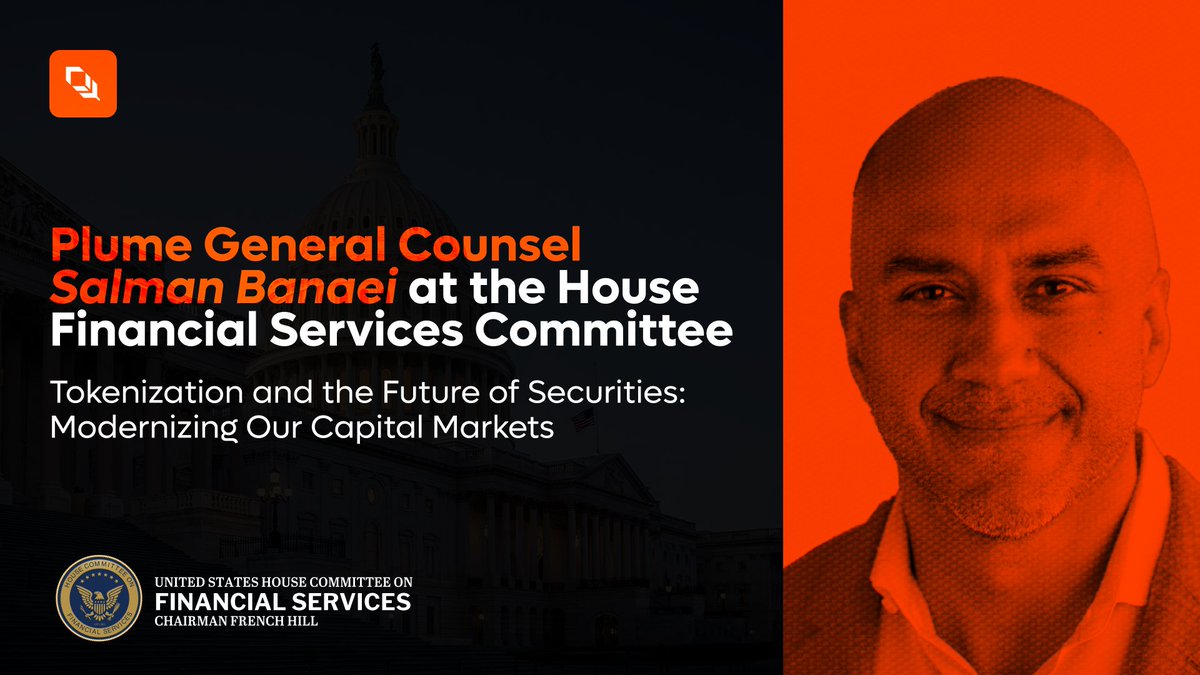
U.S. capital markets are at a pivotal moment, and Plume's General Counsel @banamlas is shaping the conversation in Washington D.C.
Tomorrow at 10 AM ET, Salman testifies at the "Tokenization and the Future of Securities: Modernizing Our Capital Markets" hearing.
Don't miss it.
We have a habit of oversimplifying things in this space. "Private credit" is not an asset class. It's a capital structure.
Historical returns by credit stack:
- 1st lien senior secured: SOFR + 475–550bps → ~9–11% all-in
- 2nd lien: SOFR + 700–800bps → ~12–14% all-in
- Mezzanine: historically 14–18%, often w/ equity kickers
- Sub/junior: 16–20%+
Same "private credit" label. Wildly different risk profiles.
First lien has a hard collateral claim. Sub debt gets paid if there's anything left. That gap in recovery risk is why the yield spread exists — and why grouping them into one category is intellectually lazy (and risky).
Banks issue all of these too. Senior, sub, mezz — none of this is exclusive to private credit. The "private" just means it wasn't bank-syndicated.
The RWA space needs to get better at this. Any vault offering "private credit yield" should tell you exactly where in the stack it sits.
Nest is expanding on Solana.
Powering real-world yield inside @Perena’s stablebank.
This gives Solana users access to real-world yield directly inside their digital dollar.
Tokenization by itself is not particularly interesting. What becomes interesting is when real-world assets can actually live inside DeFi venues where capital already moves. Products like this start to move RWAs from a narrative to an actual market.
Introducing the @NestCredit Vault - a USDC vault with exposure to real-world assets, private credit, and U.S. T-Bills via @plumenetwork.
Get RWA exposure today through Perena.
The best yields on one platform, now live.
Plume has signed a strategic MOU with @EXIO_HK
Together, we’re aligning our RWA infrastructure with https://t.co/fxizujuwtb’s platform to meet the custody and security standards required by the SFC, enabling compliant listing and institutional access in Hong Kong 🇭🇰
Updated take since this interview:
In time, I still believe that a range of savings type yield products will find adoption onchain. But at the moment, it seems like US Treasury linked products may satisfy that audience today. The shift up the risk curve isn't worth the incremental yield.
And for the degens, 8-10% for access to a private credit fund doesn't exactly electrify CT. Certainly not unless you give them an opportunity to loop these products and wet the beak.
There is no such thing as low risk midteens credit with instant liquidity.
That's why DeFi composability for RWAs is essential. When you can offer structured leverage on RWAs, the game changes.
The opportunity for RWAs goes beyond tokenization.
It’s giving real assets a place to move, compose, and deploy capital at scale while earning real yield onchain.
Great conversation with our Head of GTM @James__Friel on where onchain capital markets are headed 👇