I don‘t want to play the devil‘s advocate, but reading all these sweet, sugar coated narrations about how Europe will have an impact on the new world power configurations through strategic autonomy and geoeconomic power projection without hard power and with compromised security genuinely entertains me and at
the same times makes me sad. I‘ve spent the last 16 years by only trying to figure out how Global System Transformation and global power dynamics and networks operate and can assure you that NONE of our current political and institutional class in Europe truly understands what‘s coming and how Europe is positioned in these objective systemic processes. They might get fragments and nuances right, but not the full picture. That means that every decision from now on and from the last five years has been about „damage control“ and „narrative creation“ but not about dealing with the structural and systemic decline of Europe or what was defined by Macron as the „slow death“ respectively by Draghi as the „slow agony“ scenario. We are pouring water into a broken glass instead of trying to glue the broken pieces of the European glass first and foremost.
So it starts with the Mindset to face the brutal reality the way it is and do something about it even if it fully contradicts your preconceived convictions and normative wishful thinking. Take the time and focus your energy on understanding the geopolitical reality and then face it in all its terror and beauty to paraphrase Rilke.
Europe is not perfect. We know it. We say it first.
We want a Europe that is more efficient, more sovereign, more autonomous. Faster in taking decisions, closer to citizens, with a stronger Parliament and real democratic power. We criticise Europe because we want it to work better.
But there is a big “but”.
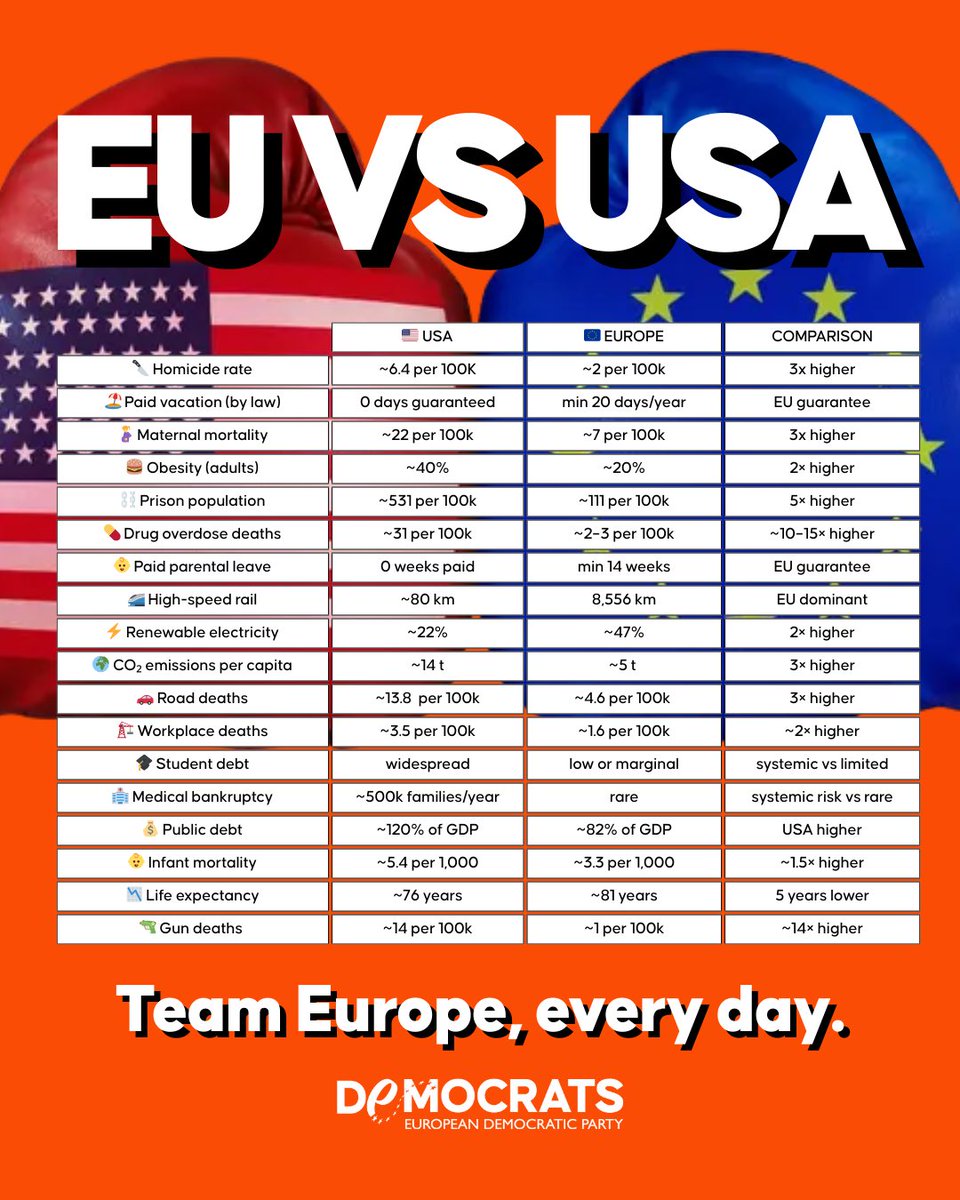
This Europe we often talk down delivers remarkable results. Safer societies, longer lives, stronger social protection, lower emissions, better work-life balance.
The data in this visual are real. And they remind us of something we too often forget: Europe is stronger than we think. If we started more often from our strengths, fixing our flaws would be easier.
Long live Europe 🇪🇺
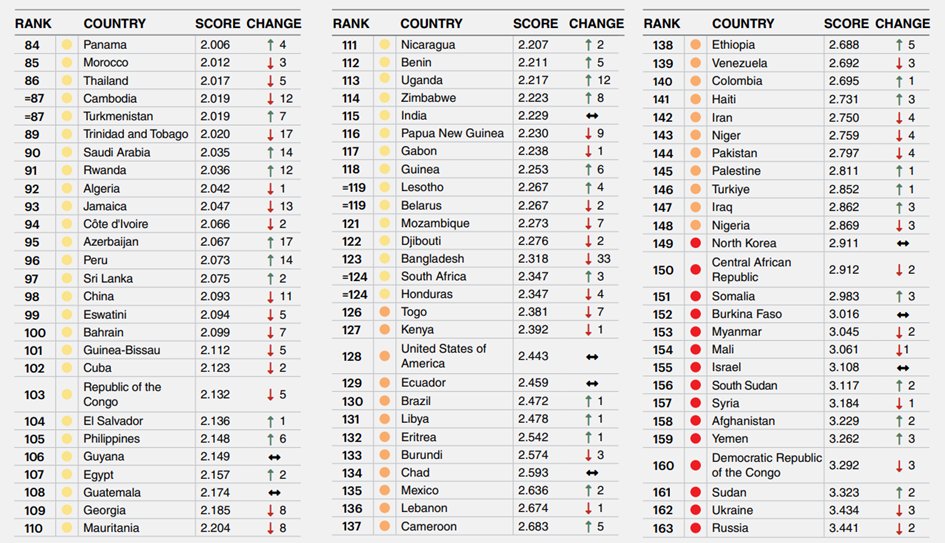
Volgens de Global Peace Index 2025 staat België op de 16e plaats. In de top 30 van meest veilige landen staan er 18 die lid zijn van de Europese Unie. De Verenigde Staten staat op plaats 128!
Radicaal-rechts wil Europa voortdurend vanuit de Verenigde Staten de les spellen over veiligheid en dit krijgt een brede echo vanuit hun acolieten in Europa. Maar ze zouden beter een voorbeeld nemen aan Europa!
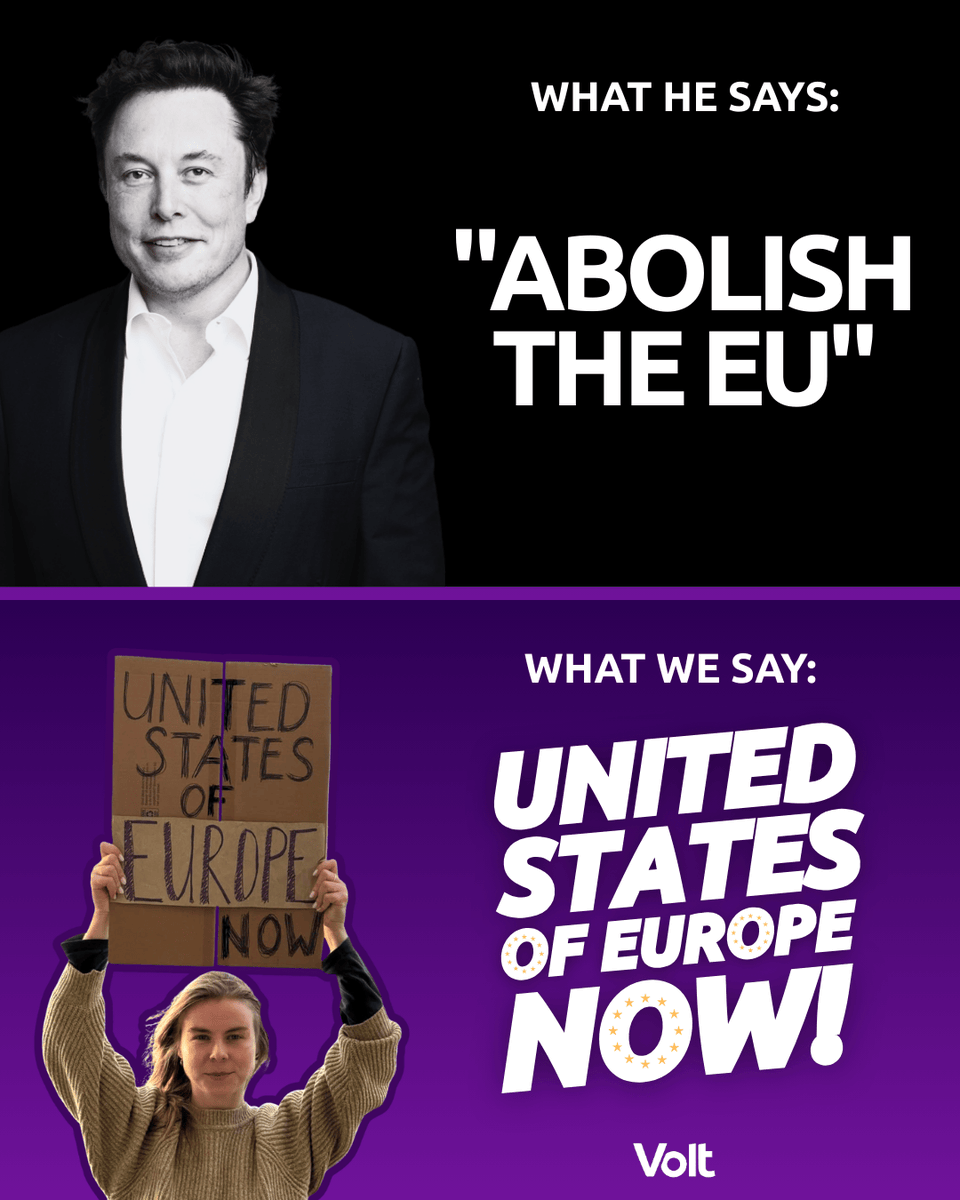
Mind you, Sarah Rogers at State explicitly linked these visa bans to recent fine by European Commission imposed on X owing to the platform’s lack of transparency. Here is Musk in 2022, a few months before he bought Twitter, telling Thierry Breton, one of the now-sanctioned EU officials at the time, he agreed with the Digital Services Act, the provisions of which led to the fine.
Is McCarthy’s witch hunt back? 🧹
As a reminder: 90% of the European Parliament — our democratically elected body — and all 27 Member States unanimously voted the DSA 🇪🇺
To our American friends: “Censorship isn’t where you think it is.”
Elon Musk on the Digital Services Act (2022): "I think it's exactly aligned with my thinking. I very much agree with (...) I really think, I agree with everything you (@ThierryBreton) said, really. We are very much of the same mind"
Ik heb de tijd genomen om het Amerikaans veiliheidsrapport grondig te lezen en mijn licht erop te laten schijnen.
Het nieuwe zogenaamde Amerikaanse National Security Strategy-rapport leest op het eerste gezicht als een nuchtere geopolitieke analyse, maar wie verder kijkt, merkt al snel dat het meer is dan dat. Het document is tegelijk diagnose, waarschuwing en moreel oordeel over Europa. Soms raakt het een pijnlijke waarheid, soms verraadt het vooral hoe Washington vandaag naar zijn bondgenoten kijkt.
Laat ons beginnen met het ongemakkelijke: Europa staat er niet sterk voor. Economisch verliest het terrein, militair blijft het te afhankelijk en politiek worstelt het met interne verdeeldheid.
Dat is geen vijandige lezing, maar een vaststelling die al langer in Europese kringen zelf wordt gemaakt. Oud-NAVO-secretaris-generaal Jaap de Hoop Scheffer vatte het ooit scherp samen: ‘Europa is een economische reus, een militaire dwerg en geopolitiek een kind’. Die formule bleef hangen omdat ze iets wezenlijks benoemde. Vandaag is ze echter op een wrange manier achterhaald. Zelfs die economische reus is niet meer wat hij was. Europa verliest ook daar terrein. Door een verzwakte industriële basis, door hoge energie- en productiekosten, en vooral door een interne markt die structureel verdeeld blijft, waar nationale reflexen en fragmentatie een coherent economisch en industrieel beleid ondermijnen. Macht verdampt niet alleen door externe concurrentie, maar ook door interne versnippering.
Die vaststelling sluit aan bij wat denkers als Jürgen Habermas en figuren als Jacques Delors al jaren benadrukken: zonder politieke samenhang verliest economische integratie haar kracht, en zonder gedeeld project wordt Europa strategisch irrelevant. In die zin drukt het Amerikaanse rapport terecht op een zere wond.
Maar wie de toon zorgvuldig leest, merkt ook iets anders. Europa wordt niet aangesproken als volwaardige partner, maar als project dat gecorrigeerd moet worden. Autonomie wordt aangemoedigd, zolang ze binnen Amerikaanse krijtlijnen blijft. Strategische volwassenheid, ja maar wel volgens een door Washington bepaald script. Dat is geen partnerschap in de geest van de naoorlogse Atlantische samenwerking, die gebouwd was op gedeelde idealen en wederzijds vertrouwen, en niet op hiërarchische alignering.
Het rapport schuift culturele en demografische ontwikkelingen in Europa naar voren als strategische risico’s, in een taal die flirt met civilisatorische angst. Alsof Europa zijn ziel zou verliezen door diversiteit en alsof geschiedenis stil kan blijven staan. Dat getuigt van een opmerkelijk gebrek aan historisch besef. Europa is altijd gevormd door breuklijnen, migratie en heruitvinding. De Verlichting zelf was geen homogeen project, maar een botsing van ideeën, tradities en conflicten. Wie vandaag demografie en identiteit reduceert tot veiligheidsproblemen, verwart culturele dynamiek met verval.
Toch zou het een vergissing zijn om dit rapport weg te zetten als louter Amerikaanse hoogmoed. Het confronteert Europa met een fundamentele vraag die te lang is uitgesteld: wat betekent soevereiniteit in een wereld die opnieuw hard is geworden? Europa kan zich niet blijven verschuilen achter morele superioriteit zonder macht. Maar evenmin mag het zijn eigen pluralistische model opofferen aan een geopolitiek realisme dat geen ruimte laat voor nuance, recht en institutionele complexiteit.
De echte uitdaging ligt precies in het niet slaafs volgen van Amerikaanse prioriteiten, noch in een naïeve Europese zelfgenoegzaamheid, maar in het heruitvinden van een Europese stem die strategisch én normatief is. Een Europa dat zijn verantwoordelijkheid opneemt, maar niet vergeet waarom het ooit werd opgebouwd, namelijk om macht te temmen, niet om haar simpelweg te imiteren.
Het rapport houdt Europa een spiegel voor. En de vraag is niet of we het beeld mooi vinden, maar of we de moed hebben om zelf te bepalen wie we willen zijn. Als Europa, maar ook als bondgenoot.
The Tech Coup on steroids. ‘Society as a (tech run) service’ How Silicon Valley billionaires and ideologues dream of start-up nations to avoid the rule of law, by Hannah Murphy in @FT ↘️ https://t.co/1Gv4IG0FgY
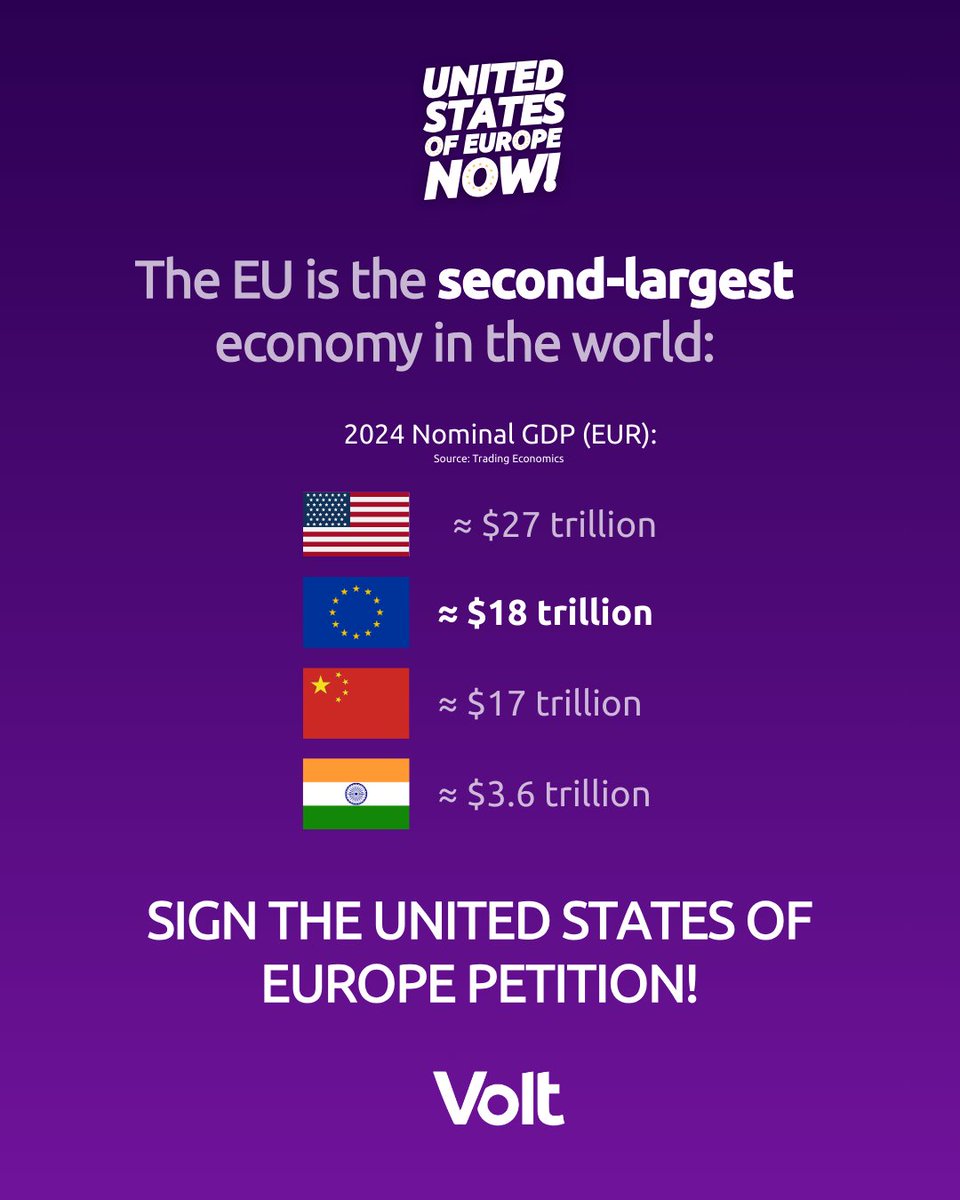
A “United States of Europe” would already be the second-largest economy in the world:
Nominal GDP (US$):
🇺🇸 ≈ $29.2 trillion
🇪🇺 ≈ $19–20 trillion
🇨🇳 ≈ $18.7 trillion
🇮🇳 ≈ $3.9 trillion
Sign the petition for a #UnitedStatesOfEuropeNOW! 👉 https://t.co/TCWdtCZJcH
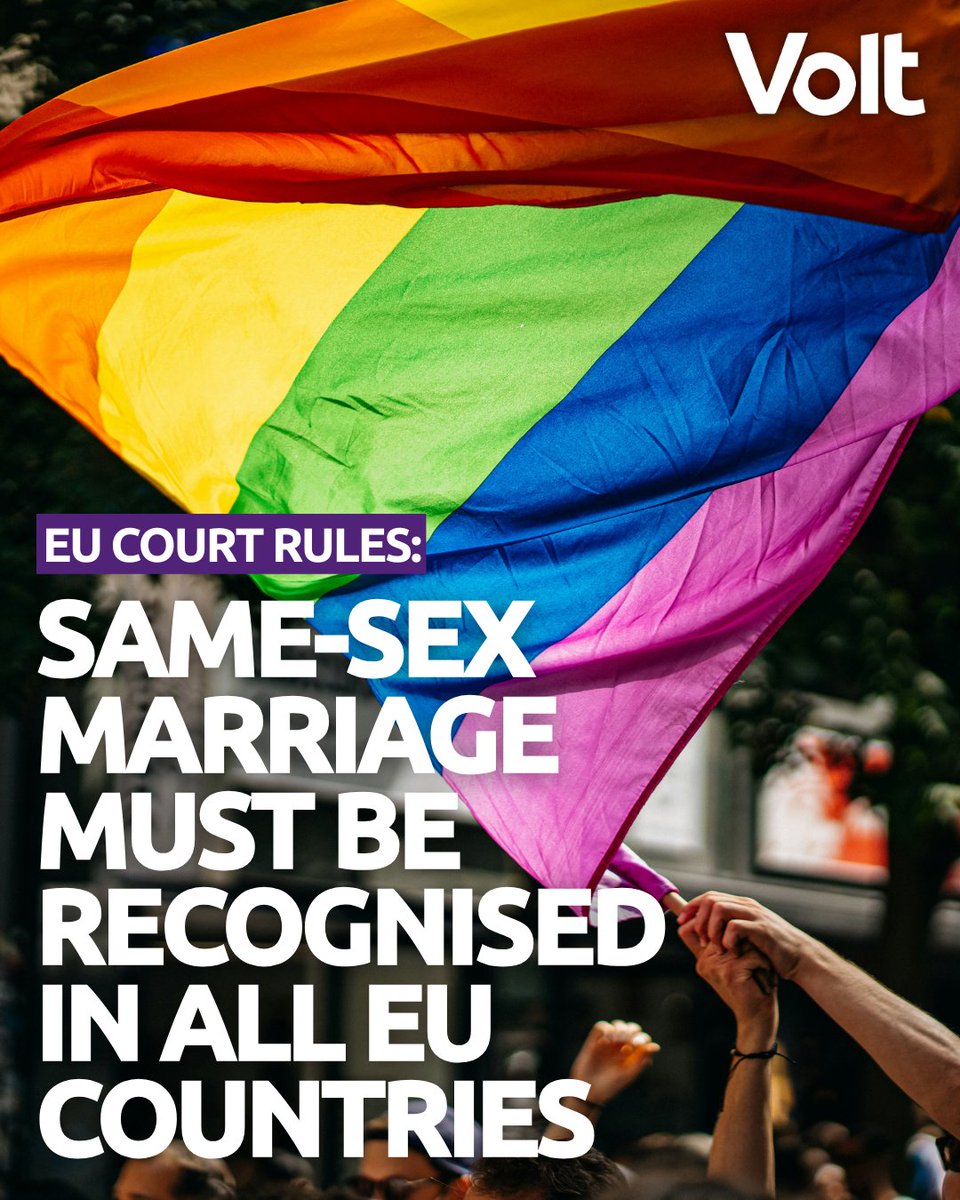
This is a major step toward an inclusive, humane Europe. 🇪🇺🏳️🌈
But the fight isn’t over until every EU country legalises same-sex marriage and every LGBTQ+ person feels safe and respected. Let’s keep pushing for equality. 💜
Join our fight, join Volt 👉 https://t.co/WooMUwLJuR
Italy (Campania): Volt Italia (Greens/EFA) enters the regional parliament with one seat, elected within the list Roberto Fico Presidente (LEFT|Greens/EFA).
This is Volt’s first regional seat in any Italian region.
➤ https://t.co/yZmKw0FzEV
#Campania#Regionali2025
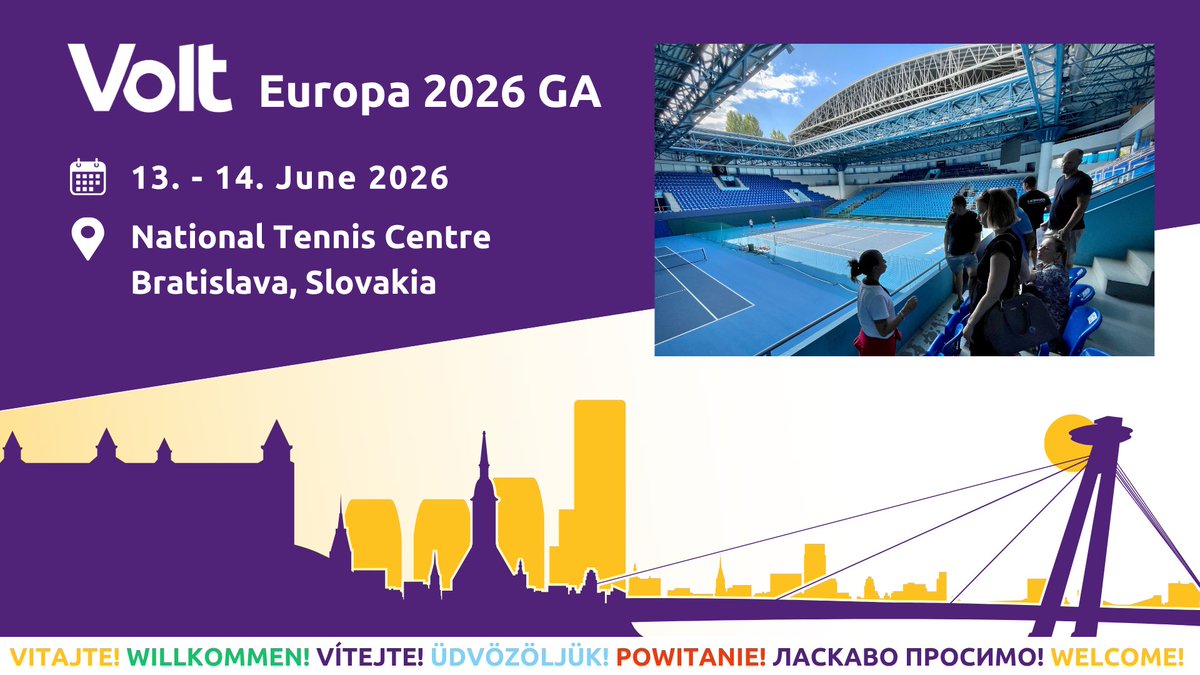
It's official: The 2026 @VoltEuropa GA will be in #Bratislava, #Slovakia! 🇪🇺🇸🇰
🗓️ Mark your calendar: 13-14 June
🎟️ Buy your early bird tickets https://t.co/wAwUSSdxUO
Je to oficiálne: Volt Europa GA 2026 sa bude konať v Bratislave!
🗓️ 13.–14. júna
🎟️ https://t.co/wAwUSSdxUO
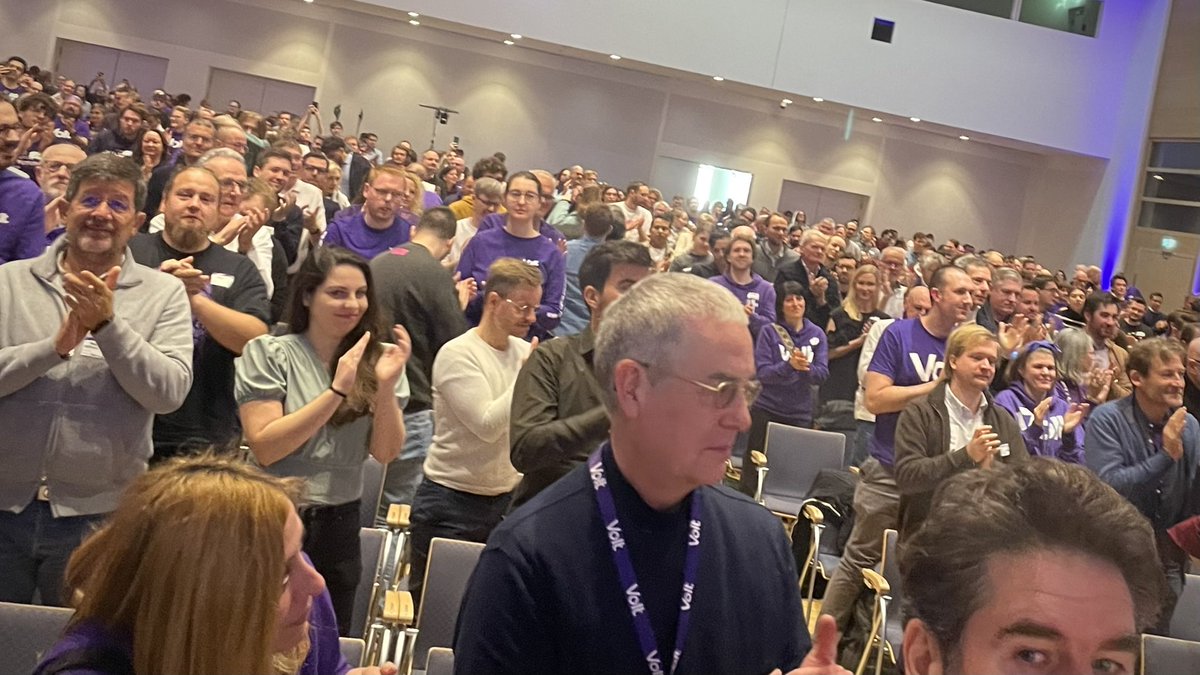
Good morning, Volters! Welcome to the biggest Volt GA ever! Have fun getting to know each other, building your progressive, green, pan-European network 💜.