@UrbanCourtyard Hi @UrbanCourtyard , could you tell me the source of these diagrams? The “chief architect” in Brussels just published her building guidelines, which mentions building up to 7 stories, but I’d like to add some courtyard principles to the discussion
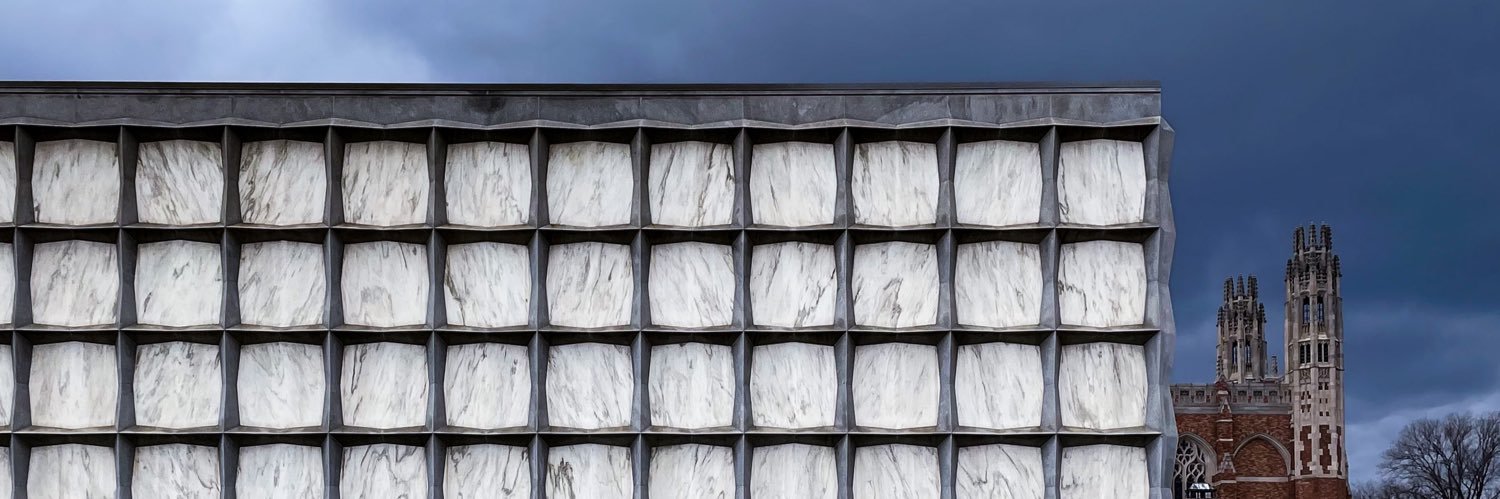
@UrbanCourtyard This building is gorgeous to me (using all the right proportions and structural elements but with a modern aesthetic), do you know the architect who designed it?
Today, Courtyard Urbanist is announcing the formation of its Advisory Council — along with the first group of Founding Investors backing the Courtyard Urbanism initiative.
We will introduce individual Council members in the coming weeks, so watch this space.
This marks the next step in a coordinated effort to bring dense, multi-generational, family-supportive urban housing to the United States — and to improve the physical form of American cities for the next century.
The Council brings together developers, policymakers, architects, authors, and technologists who recognize both the scale of the opportunity and the urgency of the moment.
Together, we are working to make courtyard urbanism legal, financeable, and buildable in the United States.
Our goal is to Americanize and advance a time-tested model that has shaped some of the most celebrated neighborhoods in cities such as Copenhagen, Paris, Prague, and Rome.
We are creating the conditions for multifamily housing (the apartment or condo building, the co-op, the palazzo, a baugruppen, etc.) that surpasses the expectations of modern American families while reviving the walkable, mixed-use, amenity-rich neighborhoods that make cities fantastic.
Alongside the Council, an initial group of Founding Investors has accepted an invitation to support this work at its earliest stage.
They share the conviction that courtyard housing represents one of the most important and overlooked opportunities in American real estate — and that now is the moment to lay the groundwork.
We are expanding this group carefully to create the runway needed to develop the design, legal, and financial frameworks that will allow this housing to scale.
The Advisory Council and the Founding Investors are steps toward consolidating both dimensions of Courtyard Urbanist (the public conversation and real-world implementation) and progress on both tracks will be shared over time.
Courtyard urbanism is ultimately a project to make American cities work better for households of all ages, stages, and incomes by increasing the supply of small multifamily buildings with shared outdoor space.
The component building is simple and repeatable:
• 4–6 stories
• Single central stair and compact elevator
• A range of unit sizes, including substantial family housing
• Active ground floors with discreetly integrated parking
• A shared interior courtyard — secure, green, and communal
This is the fundamental building block of walkable, multigenerational, durably prosperous urban neighborhoods.
We are at the beginning of assembling the coalition that will make this possible in American cities.
If you are a builder, policymaker, or investor who wants to be part of this effort, reach out.
@Skipple_ Personally don't think that's true. The average American has a wardrobe that's bursting at the seams. Just unloved clothes overflowing from drawers and falling off hangers. Lots of stuff ends up in landfills with tags still attached. The key is to buy less, but buy better.
@aesthetic_city I don’t have the space to elaborate more, but I invite you to do more research into the very diverse universe of art nouveau and its counterparts in other parts of Europe and the world.
Funfact: not only the 1st art nouveau house is in Bxl, but also the last: the Stoclet Palace
@aesthetic_city Second, the ornaments you take as the hallmarks of art nouveau are in fact only the hallmarks of the floral art nouveau as invented by Horta, but besides that there is also the geometric art nouveau, inspired by the Wiener Werkstätte (2/3)
Hij zei wel meer hallucinante zaken, maar Van Rompuy ging toch helemaal uit de bocht wanneer hij zei dat we niet over de lange termijn kunnen nadenken omdat we dan niet meer toekomen aan de problemen van vandaag, wie gelooft die mensen nog, zou je bijna zeggen
En deze avond werd nog iets duidelijk in het gesprek van @QuintenJacobs3 met @italbers en @hermanvanrompuy : deze laatste toont ook aan waarom politici niet alleen onze problemen niet kunnen oplossen, maar ook waarom ze onze problemen niet willen oplossen
(Hieronder meer)
Een groot genoegen hierbij te zijn: @QuintenJacobs3 analyseert in “het betonnen beleid” van @ErtsbergB hoe de onze staatsstructuur, internationalisering en fundamentele de democratische beleidsruimte hebben vastgebetonneerd. In 1 zaak slaagt hij alvast vanavond: debat creëren!
@mboudry Maar tegelijk maakt airco steden ook warmer, en we bouwen steeds meer gebouwen in glas die altijd ac nodig hebben omdat ze natuurlijke broeikassen zijn. Ik ben niet tegen ac, maar waarom bouwen we niet éérst meer volgens klimatologische omstandigheden ipv meteen voor AC te gaan