CUTS LUSAKA VALIDATES LFPC INITIATIVE
23/07/20
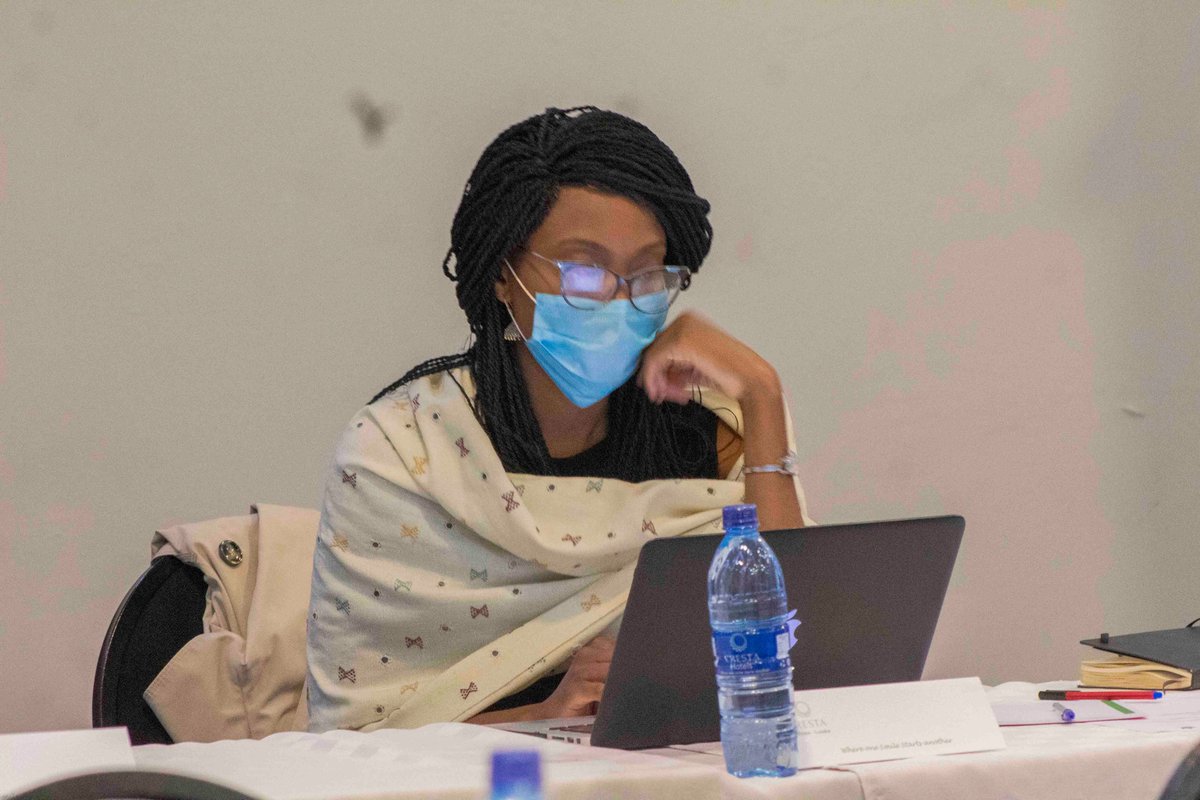
Over the past few months, @CUTS_Lusaka with support from @hivosrosa has been working to develop the Lusaka Food Policy Council (LFPC) initiative which is a multisectoral platform that governs the food system in Lusaka.
ZAMBIA’S GROWTH OUTLOOK IMPROVES, BUT NEW RISKS EMERGE - IMF
By Dingindaba Jonah Buyoya
Zambia’s economy is projected to grow by 6.2 percent in 2025, according to the latest regional forecast by the International Monetary Fund (IMF). That marks a significant rebound from the estimated 4.0 percent growth in 2024, and places the country among the faster-growing economies in Sub-Saharan Africa next year.
Despite the upbeat forecast, the April 2025 edition of the IMF’s Regional Economic Outlook warns that global economic shocks, including high interest rates, trade disruptions, and tightening donor support, could dampen the region’s overall recovery. For Zambia, a country still emerging from sovereign default, the risks are both external and homegrown.
Zambia’s return to international capital markets in 2024, following a debt restructuring, was seen as a breakthrough. The country joined Ghana and Côte d’Ivoire in re-establishing investor confidence and easing short-term liquidity pressures.
The IMF cautions that borrowing costs remain elevated across the region. For Zambia, interest payments are still eating up a large share of government revenue and with global financial conditions expected to remain tight, there’s little fiscal space to spare.
The government has narrowed its fiscal deficit in line with broader regional trends. Much of this progress has come from expenditure restraint, especially among resource-intensive economies like ours. The Fund also points out that only a handful of African countries have significantly increased domestic revenue, and Zambia is not among them.
With official development assistance expected to decline, the report stresses that mobilizing domestic resources will be key. Without it, the country could struggle to finance essential public services and infrastructure without resorting to high-cost borrowing.
While Zambia’s growth outlook looks strong on paper, much of it hinges on copper exports. The IMF notes that new trade restrictions, particularly U.S. tariffs and countermeasures from China and others, have introduced fresh uncertainty into global markets. Commodity prices have already softened in early 2025, and any sustained decline could weigh heavily on Zambia’s export earnings and currency stability.
At the same time, inflation in the region has moderated, with median headline inflation falling to 4.5 percent; But the report flags persistent food price pressures and exchange rate risks in countries with large fiscal or trade deficits, risks Zambia has not fully escaped.
While the IMF projects strong growth for Zambia in 2025, not all forecasters share that optimism. Oxford Economics Africa recently revised its forecast downward, predicting that growth could fall below 3.4 percent. The think tank cited the poor 2024/25 rainy season, potential disruptions to agriculture and hydropower, and slow private sector momentum as key downside factors.
This disparity can only be said to highlight the fragile foundation of the country’s recovery and it remains vulnerable to both climate variability and policy execution.
With public resources stretched and donor funding uncertain, the IMF says Africa’s long-term development goals now rest heavily on the private sector. For Zambia, that means accelerating reforms to improve the business climate, reduce red tape, and attract investment, especially in energy, agriculture, and transport.
The report also urges countries to avoid policy uncertainty and to stick to medium-term fiscal plans to anchor expectations. “Credibility and consistency,” it says, “are now more important than ever.”
The country’s growth outlook for 2025 may look encouraging, but it clearly comes with an asterisk. The global economy is in flux, commodity prices are unpredictable, and development aid is no longer a given.
[Picture by Andrew Harrer]
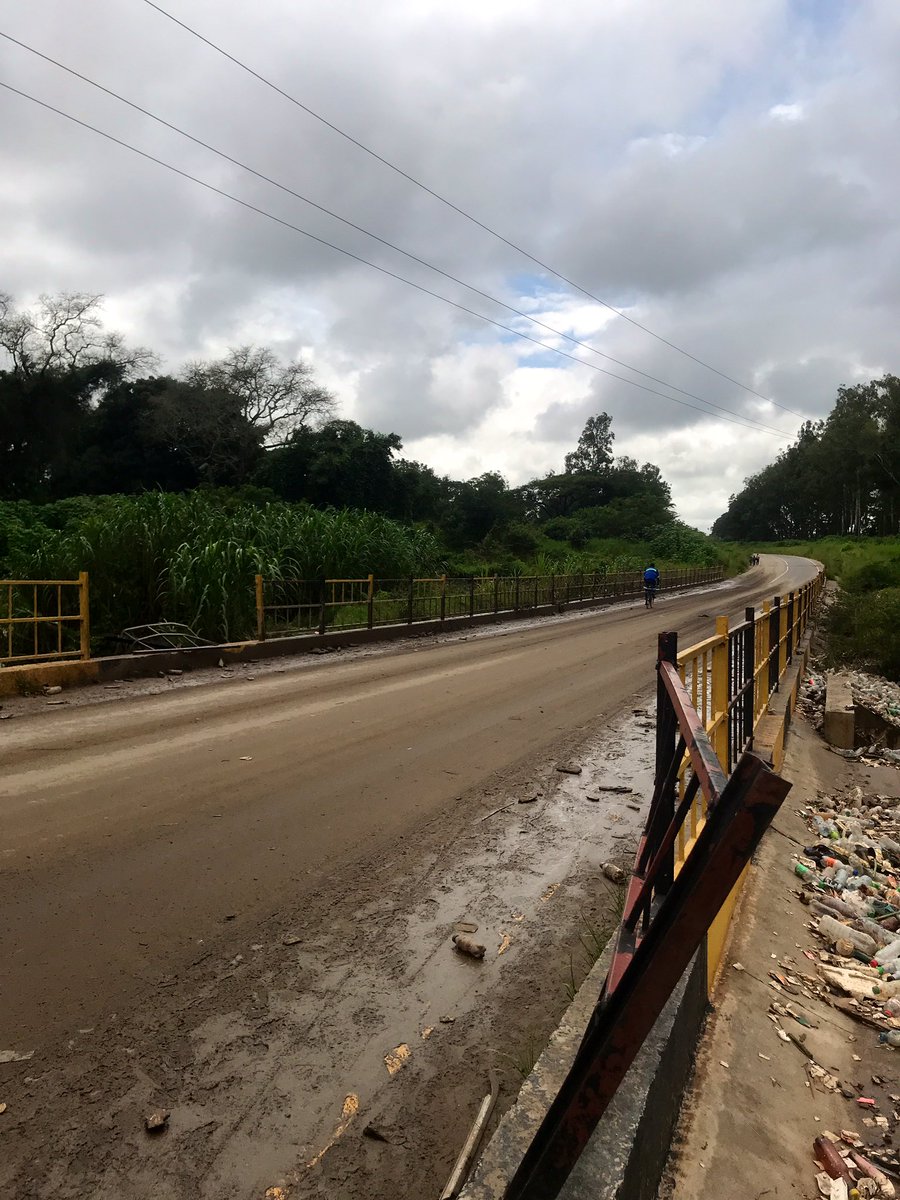
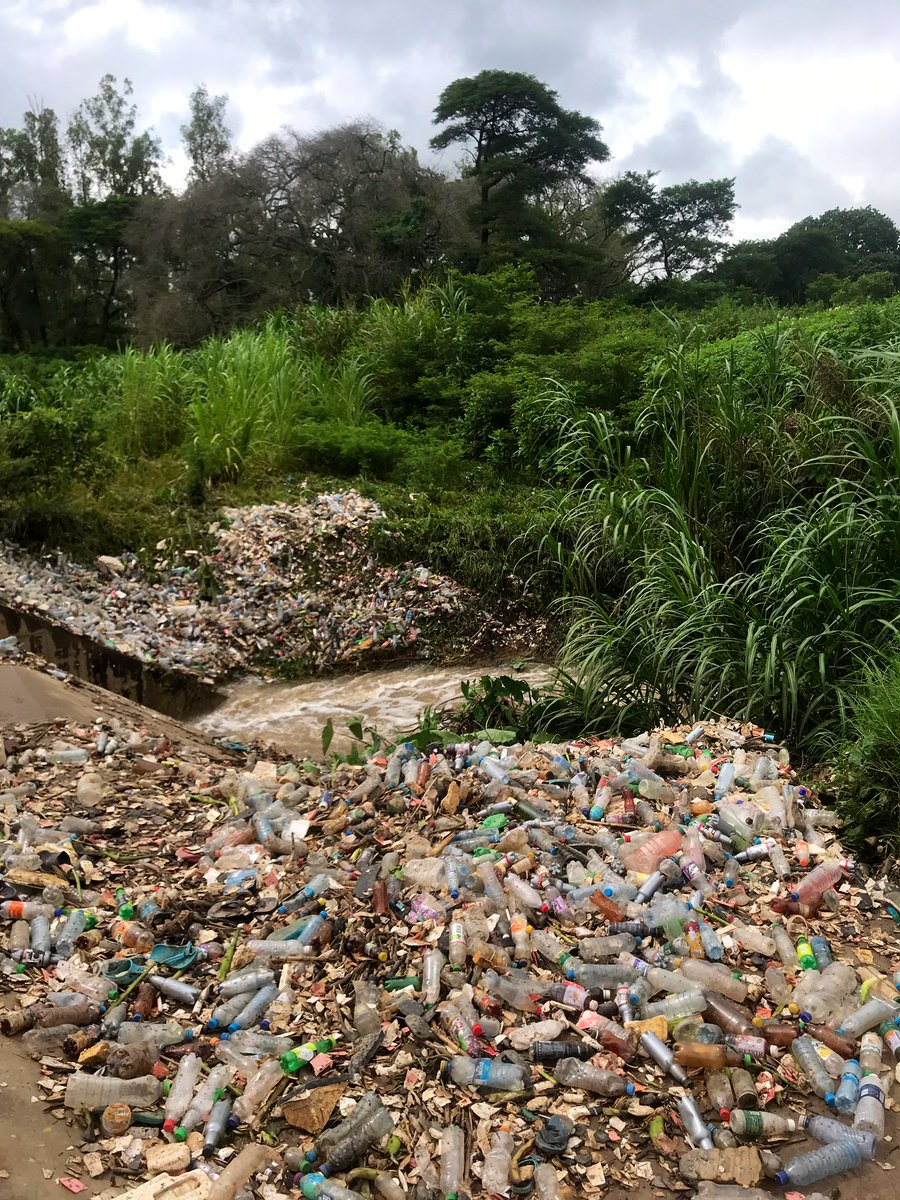
The waste in this stream in Ngwerere ,due to high rainfall shows the need for solid waste management enhancement. Such environmental hazards pose risks for aquatic life, human health,etc. It’s very critical for more efforts to be made towards the creation of a circular economy.
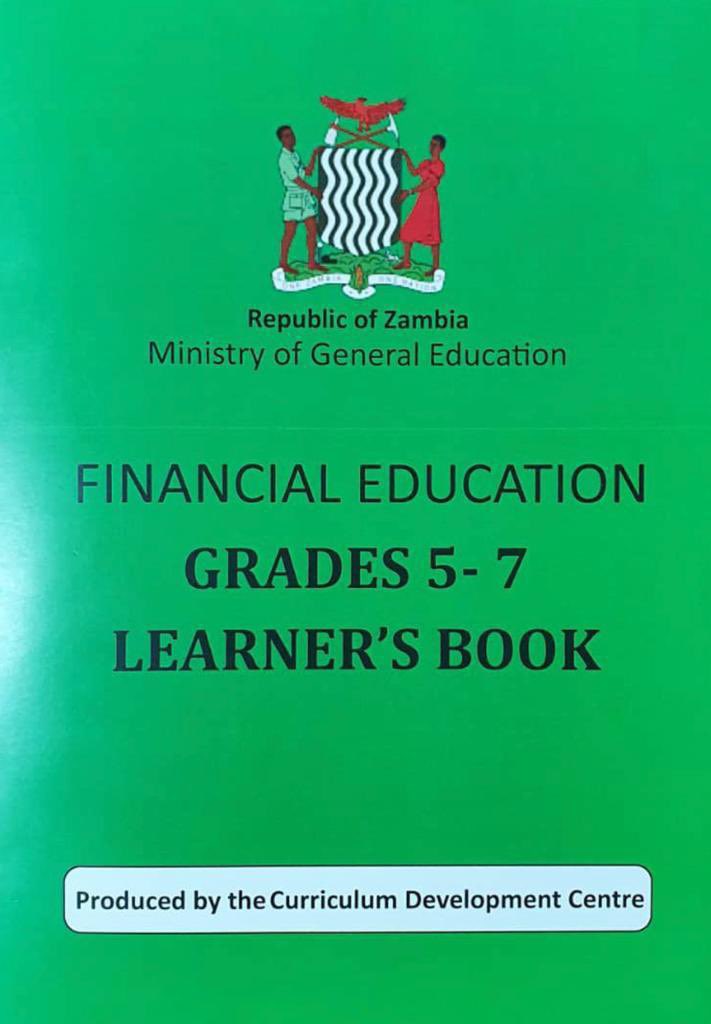
To reaffirm our commitment to providing quality, transformative literacy, we’ve produced Financial Education Learner’s Book for Grades 1-9.
Working to ensure that every child has access to learning material that empowers them for real life.
#InternationalDayOfEducation2023
CUTS LUSAKA PUBLICATION OUT!!!
The Consumer Unity Trust Society - CUTS Lusaka,
#PolicyBrief titled ”An Assessment of the Social Sector Spending Cuts and Triple Burdening Effects on Unpaid Care Work” is finally out.
Click the link below to read more.
https://t.co/OM5rmQZAEo...
TW: Rape, Abuse, Rape culture
This is is our lived reality as Zambian women and I hope the people we engaged actually do something about this!!
Please watch
1 MORE DAY TO GO!
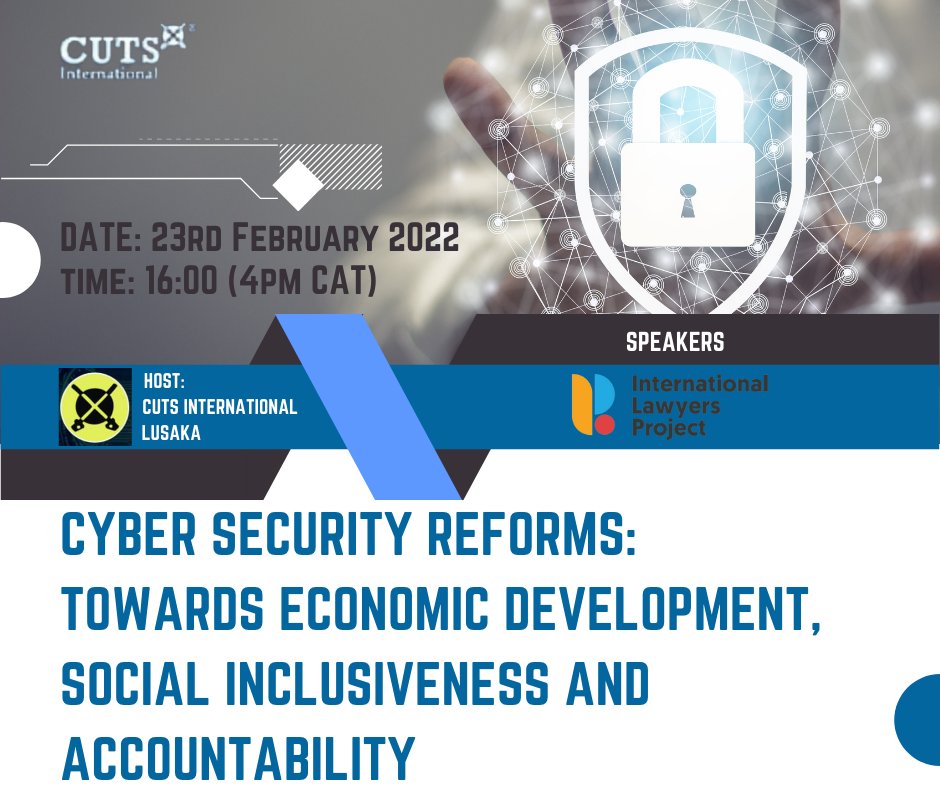
Join CUTS Lusaka and the International Lawyers Project for the Zambia Cybersecurity Reforms: Towards Economic Development, Social Inclusiveness Webinar using the link below this Wednesday 23rd February 2022|16:00hrs CAT.
https://t.co/N7gUST3TgN
















![diamondtvzambia's tweet photo. ZAMBIA’S GROWTH OUTLOOK IMPROVES, BUT NEW RISKS EMERGE - IMF
By Dingindaba Jonah Buyoya
Zambia’s economy is projected to grow by 6.2 percent in 2025, according to the latest regional forecast by the International Monetary Fund (IMF). That marks a significant rebound from the estimated 4.0 percent growth in 2024, and places the country among the faster-growing economies in Sub-Saharan Africa next year.
Despite the upbeat forecast, the April 2025 edition of the IMF’s Regional Economic Outlook warns that global economic shocks, including high interest rates, trade disruptions, and tightening donor support, could dampen the region’s overall recovery. For Zambia, a country still emerging from sovereign default, the risks are both external and homegrown.
Zambia’s return to international capital markets in 2024, following a debt restructuring, was seen as a breakthrough. The country joined Ghana and Côte d’Ivoire in re-establishing investor confidence and easing short-term liquidity pressures.
The IMF cautions that borrowing costs remain elevated across the region. For Zambia, interest payments are still eating up a large share of government revenue and with global financial conditions expected to remain tight, there’s little fiscal space to spare.
The government has narrowed its fiscal deficit in line with broader regional trends. Much of this progress has come from expenditure restraint, especially among resource-intensive economies like ours. The Fund also points out that only a handful of African countries have significantly increased domestic revenue, and Zambia is not among them.
With official development assistance expected to decline, the report stresses that mobilizing domestic resources will be key. Without it, the country could struggle to finance essential public services and infrastructure without resorting to high-cost borrowing.
While Zambia’s growth outlook looks strong on paper, much of it hinges on copper exports. The IMF notes that new trade restrictions, particularly U.S. tariffs and countermeasures from China and others, have introduced fresh uncertainty into global markets. Commodity prices have already softened in early 2025, and any sustained decline could weigh heavily on Zambia’s export earnings and currency stability.
At the same time, inflation in the region has moderated, with median headline inflation falling to 4.5 percent; But the report flags persistent food price pressures and exchange rate risks in countries with large fiscal or trade deficits, risks Zambia has not fully escaped.
While the IMF projects strong growth for Zambia in 2025, not all forecasters share that optimism. Oxford Economics Africa recently revised its forecast downward, predicting that growth could fall below 3.4 percent. The think tank cited the poor 2024/25 rainy season, potential disruptions to agriculture and hydropower, and slow private sector momentum as key downside factors.
This disparity can only be said to highlight the fragile foundation of the country’s recovery and it remains vulnerable to both climate variability and policy execution.
With public resources stretched and donor funding uncertain, the IMF says Africa’s long-term development goals now rest heavily on the private sector. For Zambia, that means accelerating reforms to improve the business climate, reduce red tape, and attract investment, especially in energy, agriculture, and transport.
The report also urges countries to avoid policy uncertainty and to stick to medium-term fiscal plans to anchor expectations. “Credibility and consistency,” it says, “are now more important than ever.”
The country’s growth outlook for 2025 may look encouraging, but it clearly comes with an asterisk. The global economy is in flux, commodity prices are unpredictable, and development aid is no longer a given.
[Picture by Andrew Harrer]](https://pbs.twimg.com/media/Gpxwzq6WIAAHJcb.jpg)