You don’t own what you buy anymore.
You’re just renting permission to use it.
Bought a certified pre-owned car last month. Nothing fancy, just a reliable family crossover.
Yesterday morning was the first real freezing cold day of autumn. 28 degrees outside.
I get into the driver’s seat, turn on the ignition, and press the heated seat button on the dash.
A pop-up message flashes across the 12-inch touchscreen display:
“Comfort Package Subscription Expired. To activate heated seating, renew your plan in the connected mobile app for $18/month.”
I just sat there staring at the screen with my breath fogging up the windshield.
The heating coils are physically installed inside the seat cushion. The wiring is already there. The factory built it, and the original buyer paid for the metal and leather.
Yet a corporate software lock 2,000 miles away is refusing to send 12 volts of electricity to a copper wire until my credit card clears every thirty days.
We bought the car. We own the title. We pay the insurance.
And now we’re getting hit with microtransactions like a free-to-play smartphone game just to keep our backs warm.
When did we normalize having basic hardware held hostage behind recurring subscriptions?
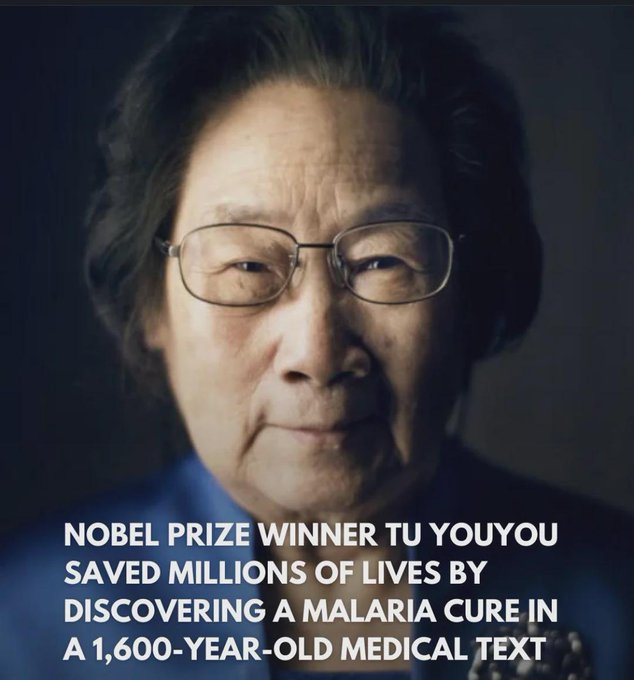
The remarkable story of Chinese scientist Tu Youyou, who won the 2015 Nobel Prize in Physiology or Medicine for her discovery of artemisinin — a breakthrough drug that has saved millions of lives from malaria worldwide.
In the late 1960s and early 1970s, amid China's "Project 523" (a secret effort to combat malaria during the Vietnam War era), Tu Youyou and her team reviewed thousands of ancient Chinese medical texts for herbal remedies against "intermittent fevers" (a classic description of malaria symptoms).
Most preparations involved boiling herbs into decoctions, but one key reference from the Eastern Jin Dynasty (around 340 AD) stood out — Ge Hong's A Handbook of Prescriptions for Emergencies (肘后备急方). It described using qinghao (sweet wormwood, Artemisia annua) by taking "a handful of qinghao, immerse in two liters of water, wring out the juice, and drink it all." Notably, this method used cold water steeping and wringing (squeezing) rather than heat.
This detail was pivotal: Traditional boiling methods had yielded inconsistent or ineffective results in modern tests because high temperatures degraded the active compound. Tu hypothesized that heat was destroying the antimalarial potency, so her team shifted to low-temperature extraction techniques.
In September 1971, they experimented with solvents like ethyl ether (which has a low boiling point of about 35°C) to extract the leaves and stems at reduced temperatures. On October 4, 1971, they obtained a highly effective sample (#191) that achieved 100% inhibition of malaria parasites in rodent and monkey models. This led to the isolation of artemisinin (also called qinghaosu) in 1972.
Tu even tested the safety of early extracts on herself first. Artemisinin-based combination therapies (ACTs) are now the WHO-recommended first-line treatment for malaria, dramatically reducing deaths, especially in Africa and Asia.
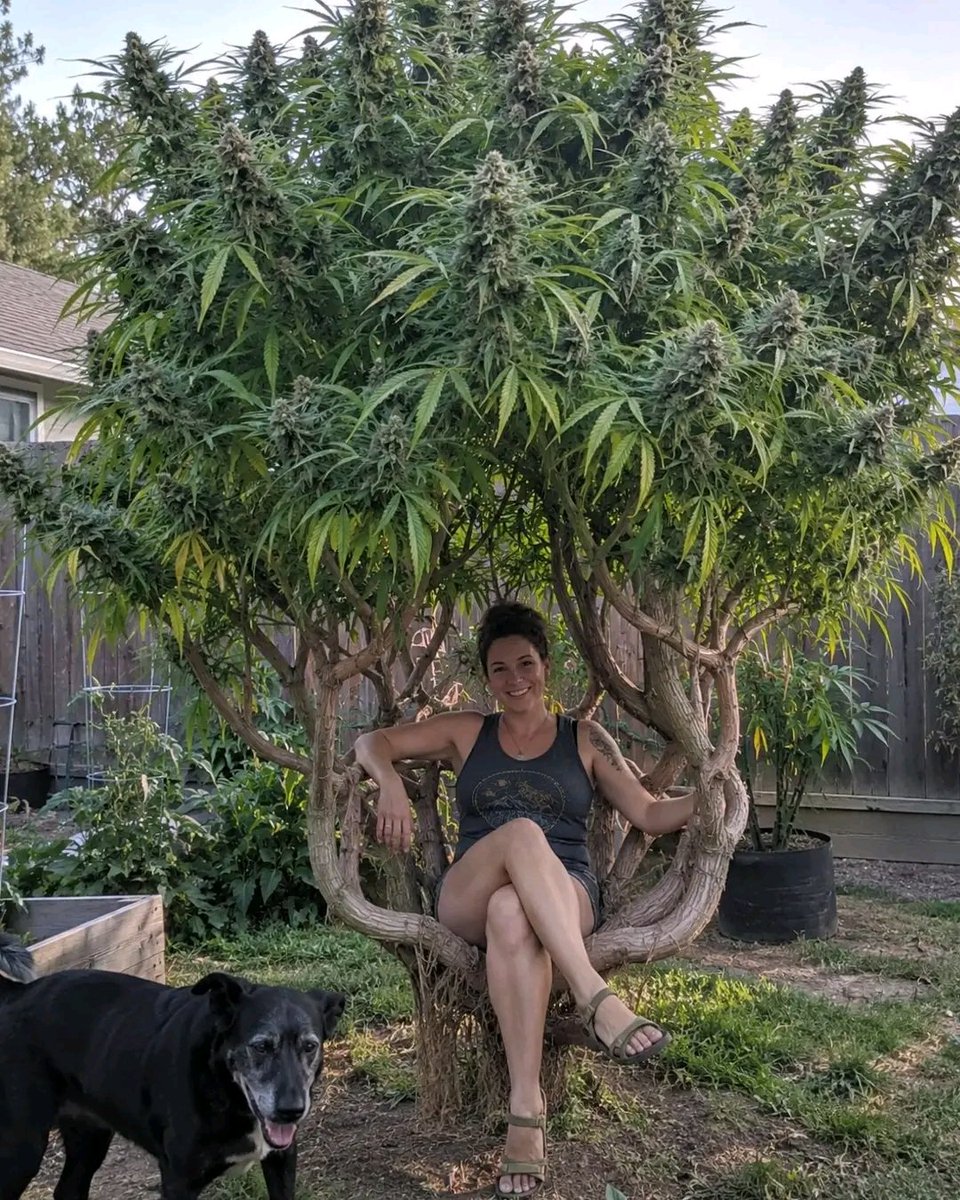
The Scythians were basically hot boxing tents 2,500 years ago.
Herodotus wrote about it in the 5th century BCE.
After a burial, they built a small enclosure with poles and wool felt, heated stones until they were red hot, crawled inside and threw cannabis onto them.
The smoke and vapor filled the enclosed space.
According to Herodotus, this was part of a cleansing ritual after dealing with the dead.
His description gets pretty fucking clear about the effect: “The Scythians howl in their joy at the vapor bath.”
That is Herodotus writing about weed 2500 years ago!!
oregano oil killed every single bacterial strain it was tested against in a Georgetown University study including strains that were resistant to pharmaceutical antibiotics. every strain. zero survivors
that sentence should have made international headlines. a plant extract outperforming prescription antibiotics against resistant bacteria is the kind of finding that changes medicine. it didn't make headlines because a $12 bottle of oregano oil can't fund a pharmaceutical marketing campaign
the mechanism is carvacrol and thymol. two compounds that destroy bacterial cell membranes on contact. the bacteria cannot develop resistance to this mechanism because the compounds attack the physical structure of the cell rather than a specific metabolic pathway. antibiotics target pathways. bacteria evolve around pathways. oregano oil targets the wall itself. you can't evolve around having your wall destroyed
• killed staphylococcus aureus, E. coli, and pseudomonas aeruginosa in laboratory conditions at concentrations achievable through oral supplementation
• eliminated H. pylori (the bacteria behind most stomach ulcers) in clinical use when pharmaceutical triple therapy failed. a backup treatment that outperformed the first line
• antifungal activity against candida albicans comparable to nystatin (a prescription antifungal) in direct comparison studies
• antiviral properties demonstrated against norovirus and herpes simplex virus in laboratory settings. one compound active against bacteria, fungi, AND viruses simultaneously
• reduces SIBO (small intestinal bacterial overgrowth) symptoms as effectively as rifaximin ($1,500 per course) in a Johns Hopkins affiliated study. a $12 oil matching a $1,500 antibiotic
• the antibacterial mechanism does not destroy beneficial gut bacteria at normal supplemental doses because the beneficial strains have naturally thicker cell walls. the selective toxicity is built into the chemistry
the pharmaceutical industry generates $46 billion annually from antibiotics. a $12 bottle of oregano oil matching or exceeding multiple prescription antibiotics in laboratory and clinical settings is an existential threat to that revenue. the research exists. the FDA classification prevents health claims. the gap between what the science shows and what the label is allowed to say is where the profit is protected
2 to 4 drops of emulsified oregano oil in water 2 to 3 times daily for acute infections (limit to 2 weeks max). for maintenance: 1 drop daily or every other day. must be emulsified or enteric coated to prevent esophageal irritation. north american herb and spice (Oreganol P73) is the most researched brand. $18 for 2 months
a plant that has been used as medicine for 4,000 years killed every antibiotic resistant strain thrown at it in a Georgetown University laboratory. the pharmaceutical industry responded by making sure you never heard about the study.