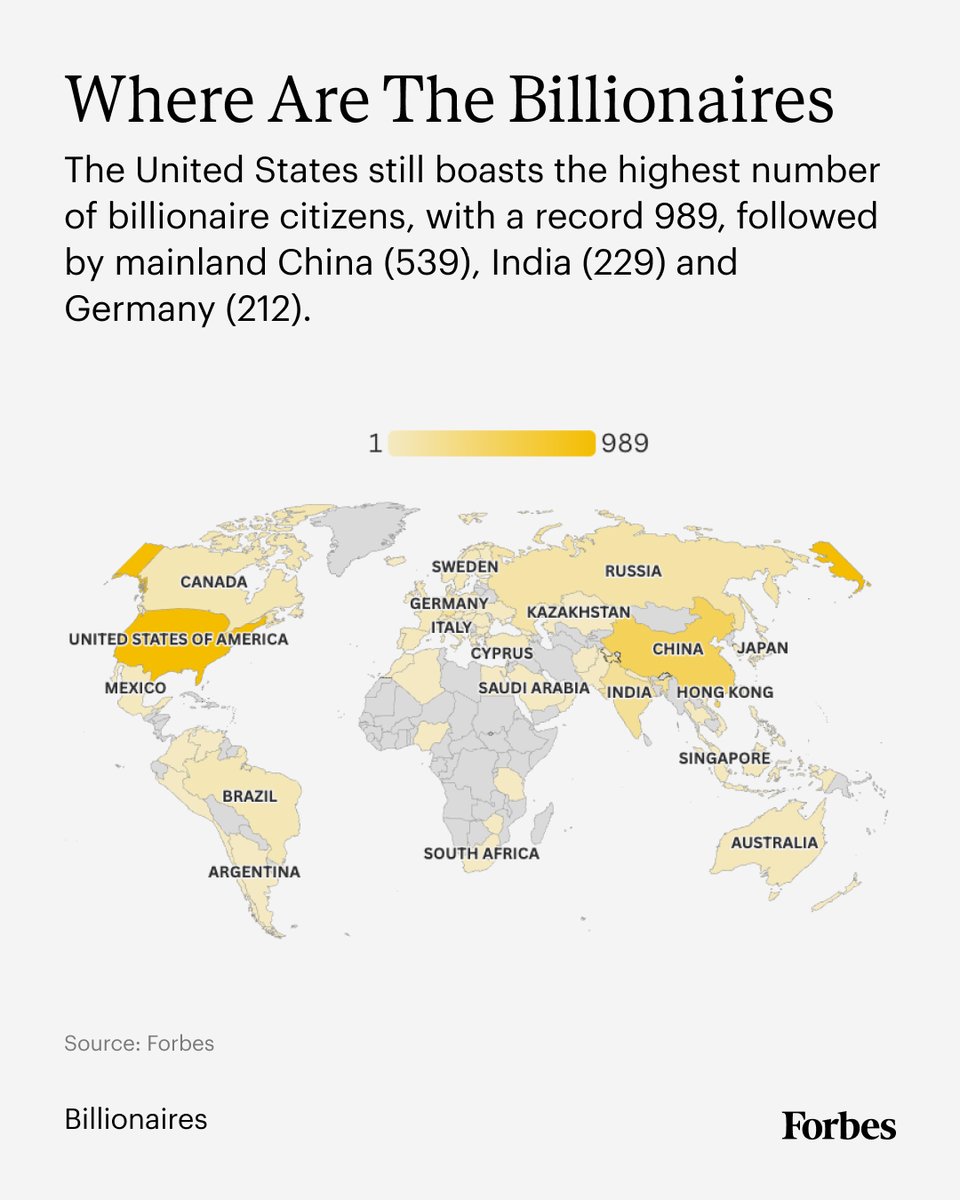
The planet’s billionaire population just keeps growing. Forbes counted a record 3,428 ten-figure fortunes around the globe on this year’s #ForbesBillionaires ranking, spread across 80 countries and territories. But more than half of all billionaires—51% in total—are concentrated in just three countries.
Learn more about where the world’s richest people choose to call home: https://t.co/vj6HMP0rFL
Aujourd'hui s'ouvre à Londres une exposition retraçant 96 ans de style d'Elizabeth II. 300 pièces : ses chapeaux, ses robes de bal ou de cérémonie, la plus grande retrospective sur les tenues de cette reine à la garde robe iconique. 👑 @OdileLongueval@CharlineMdn
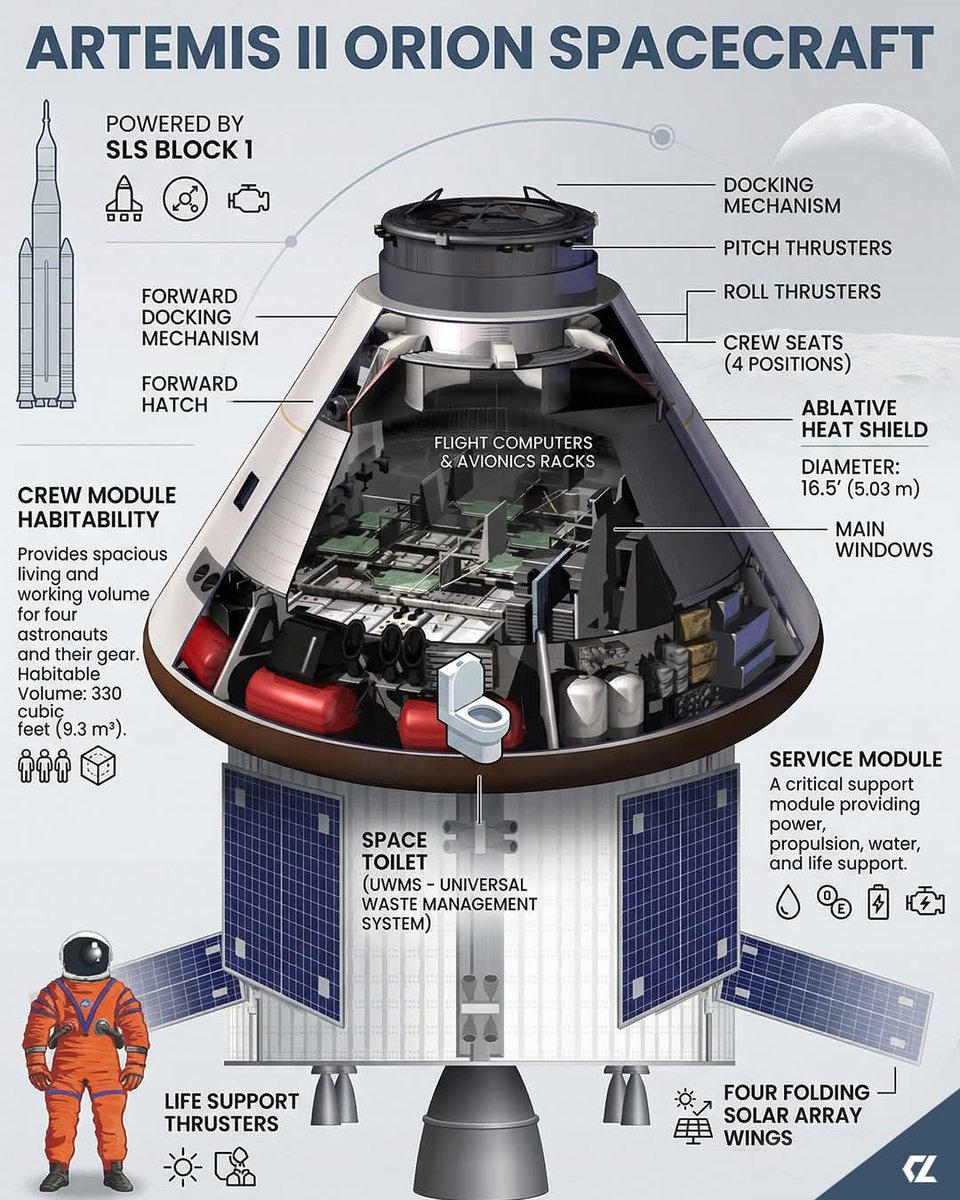
Peek inside the Orion spacecraft: how four astronauts live, breathe, and survive on a journey to the https://t.co/Zsaksjgcj9 the top sits the Crew Module — the astronauts’ home in deep space. Picture sharing a living space no larger than two minivans with three crewmates for weeks on end. This compact habitat is where they work, sleep, eat, exercise, and yes… use the famously tricky space toilet (microgravity makes even basic biology an engineering challenge). It’s an intensely intimate environment that tests both technical skill and human resilience every single day.Yet this small Crew Module would be lifeless without the powerhouse directly beneath it: the European Service Module. Built by ESA, this vital section is the spacecraft’s life-support engine room. It carries the main propulsion engines that will maneuver Orion around the Moon, massive solar arrays that generate electricity, and the sophisticated systems that recycle air, produce drinkable water, and maintain comfortable temperatures in the deadly vacuum of space.Together, the Crew Module and European Service Module form Orion — not just a spacecraft, but a carefully engineered oasis designed to keep humans alive and thriving in the harsh, unforgiving void of deep space.