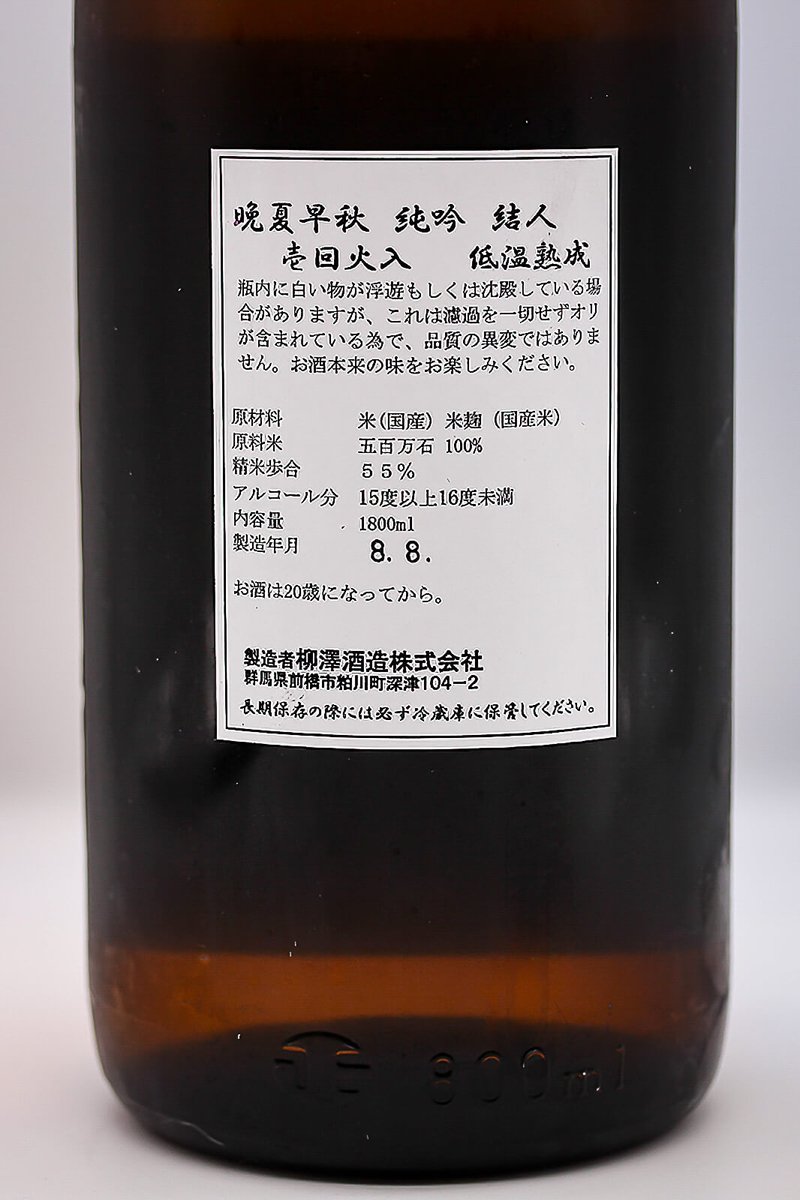
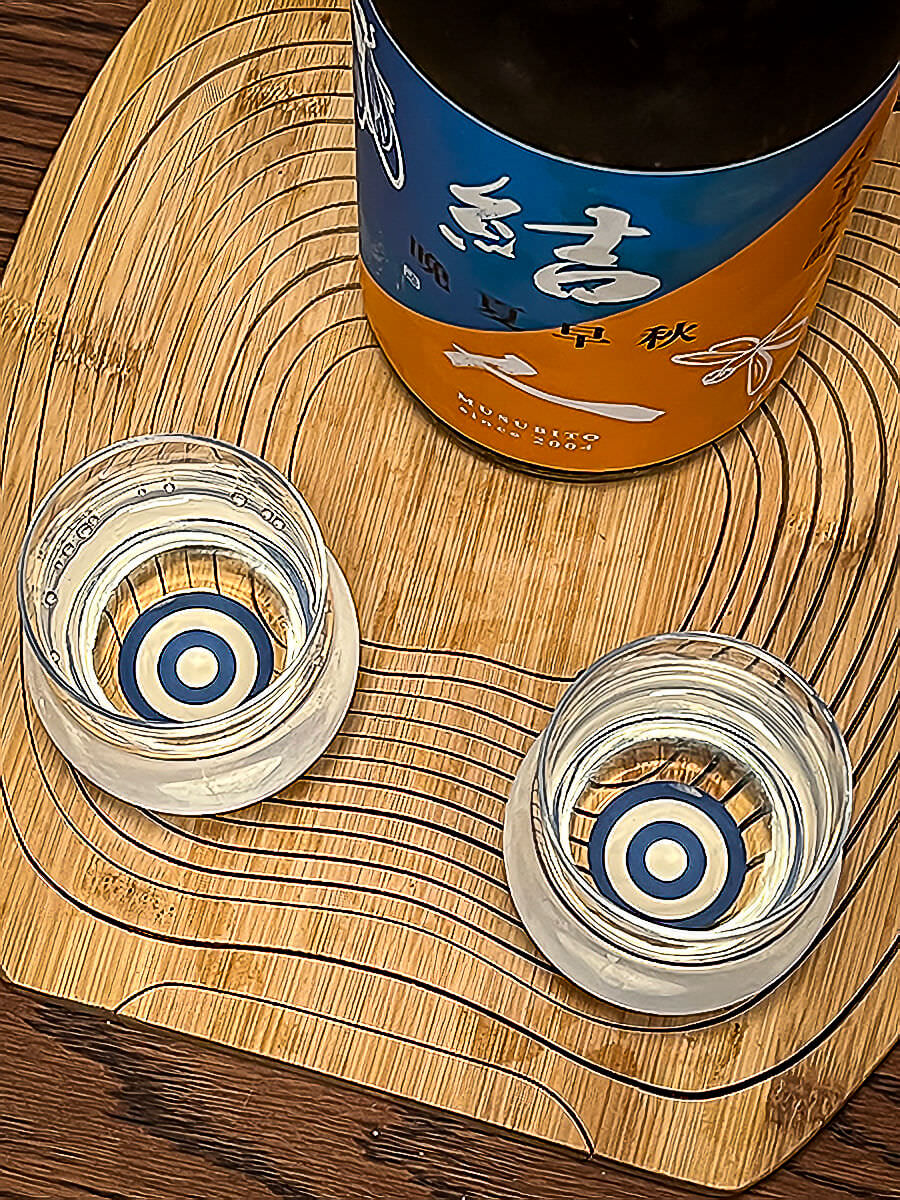
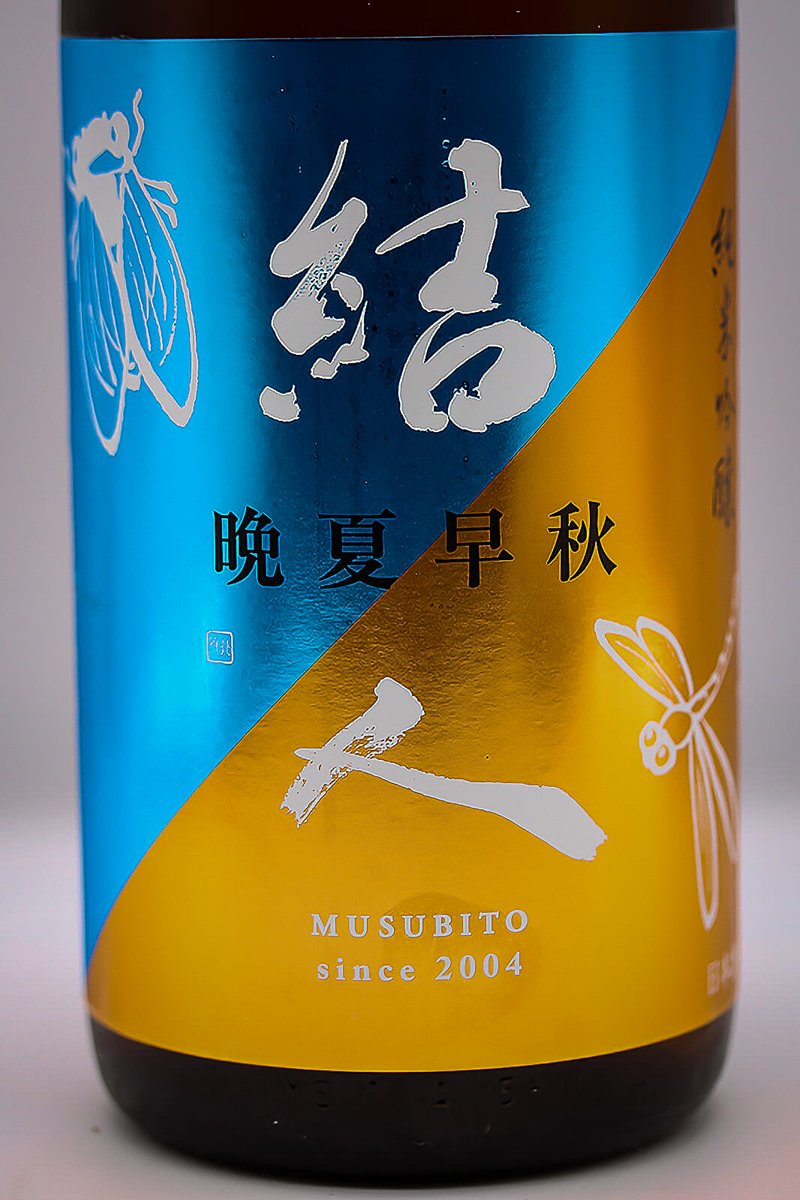
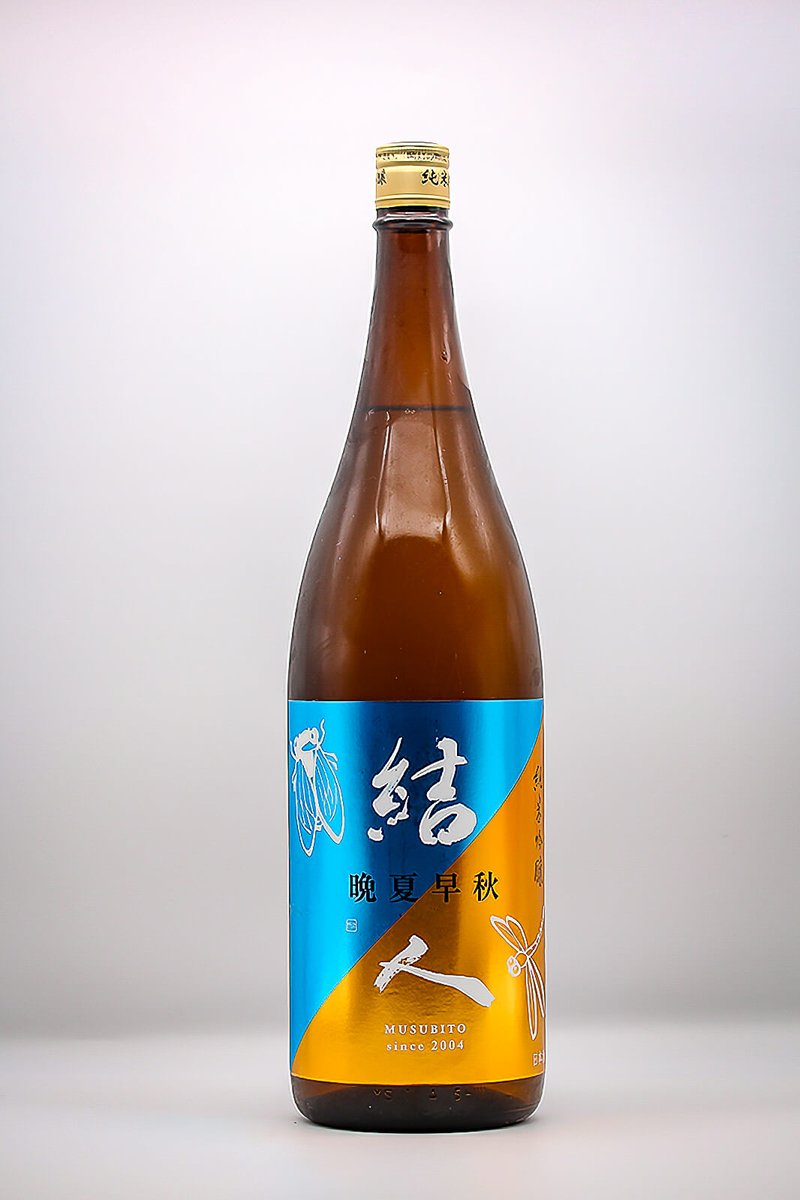
🍂 Late summer in a glass: Musubito Banka Sōshū brings ripe apple, pineapple and melon, a silky texture and a long, clean finish. An excellent autumn sake. https://t.co/XeQUH1ibTN
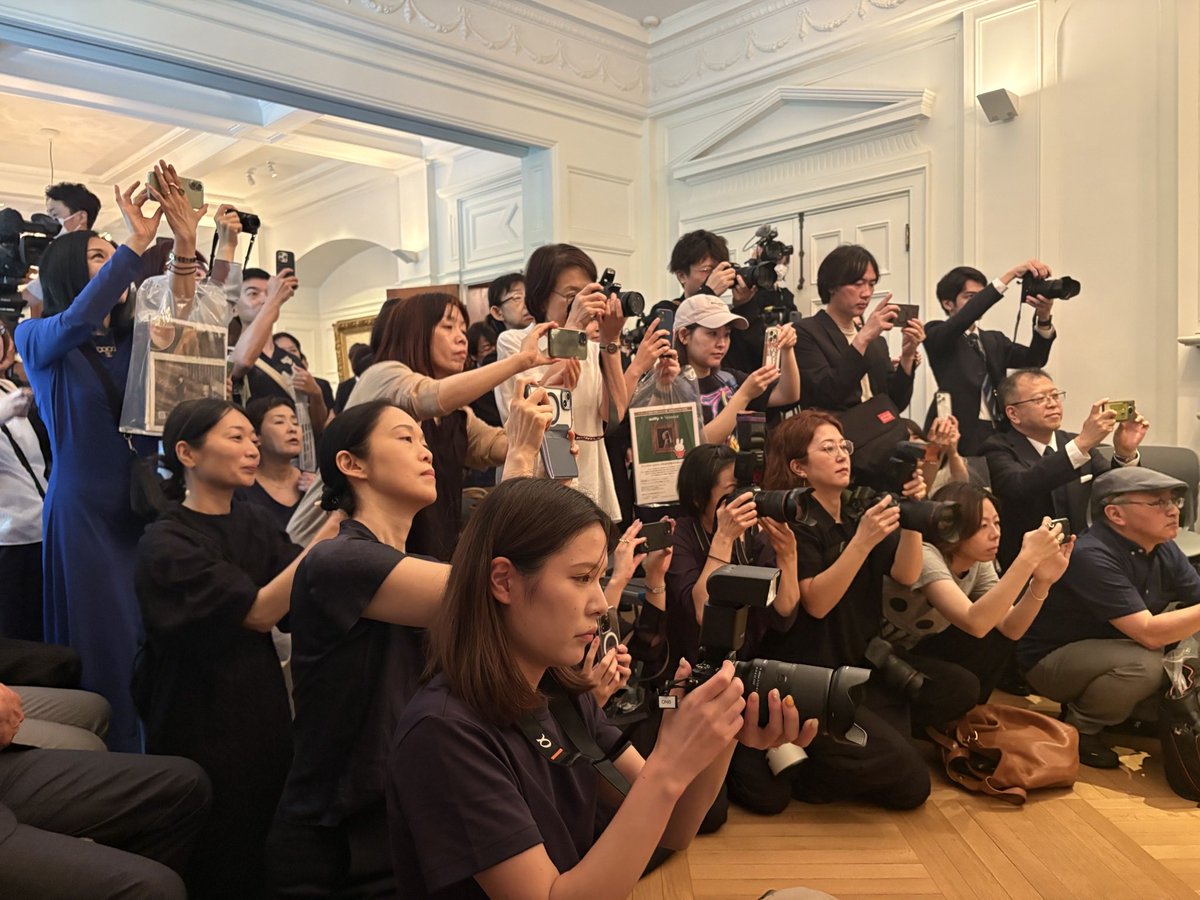
The ‘girl with the pearl earring’ by #Vermeer will come to #Osaka in August during the renovation of the #Mauritshuis museum in The Hague. Judging from the press-conference, she is very popular in #Japan. Maybe this is her last tour, since she is ‘advancing in age’ like all of us
Hikone Castle (彦根城) is one of Japan's finest surviving castles and one of only five castles whose keeps have been designated National Treasures. https://t.co/oBahuyB6qU
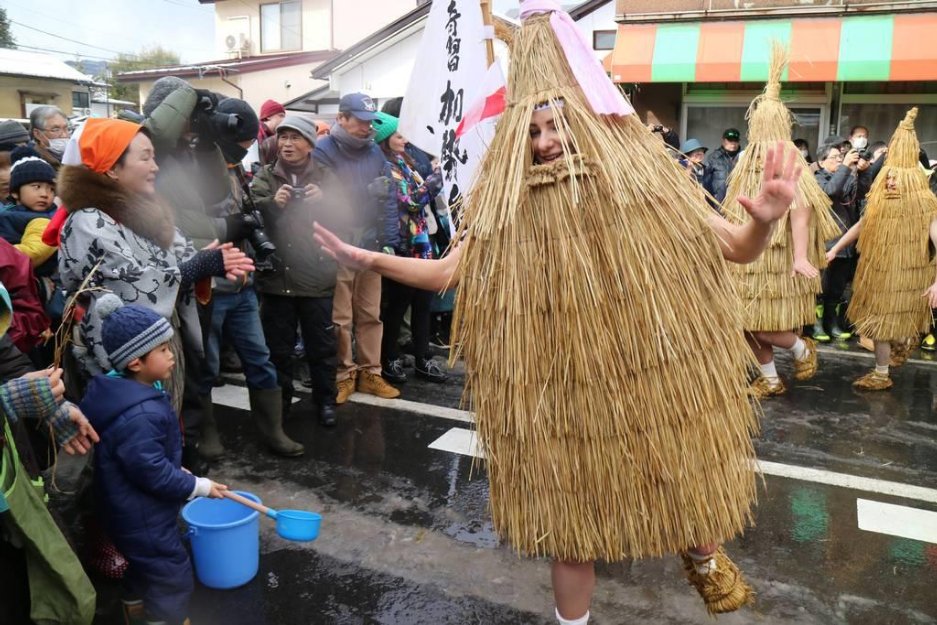
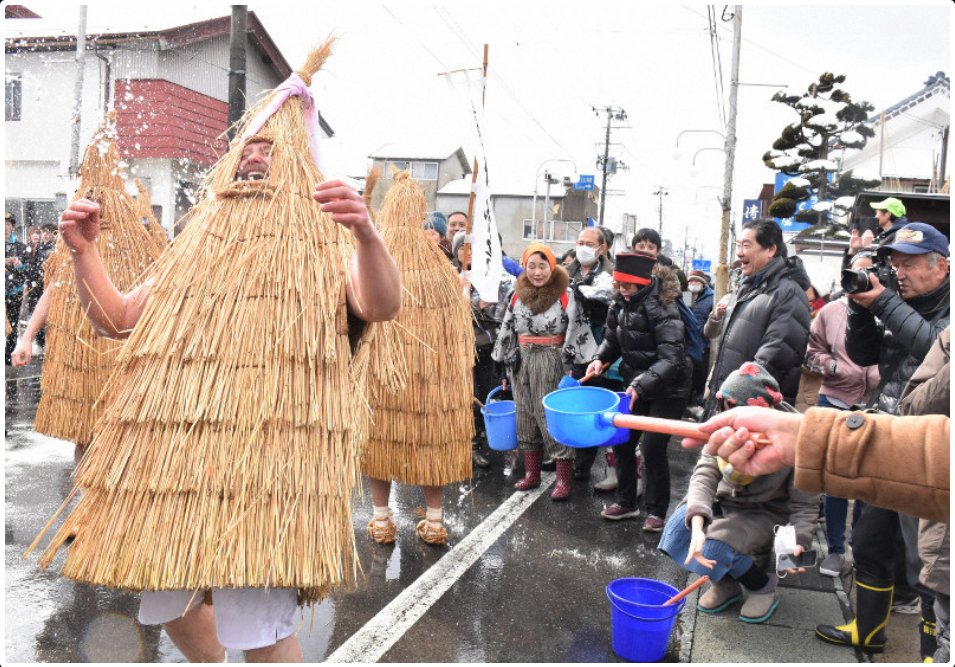
Hard to be certain which ones under all that straw, but some of the 34 kasedori taking part in yesterday's festival in Yamagata were foreigners. https://t.co/8DYEEgrqXd
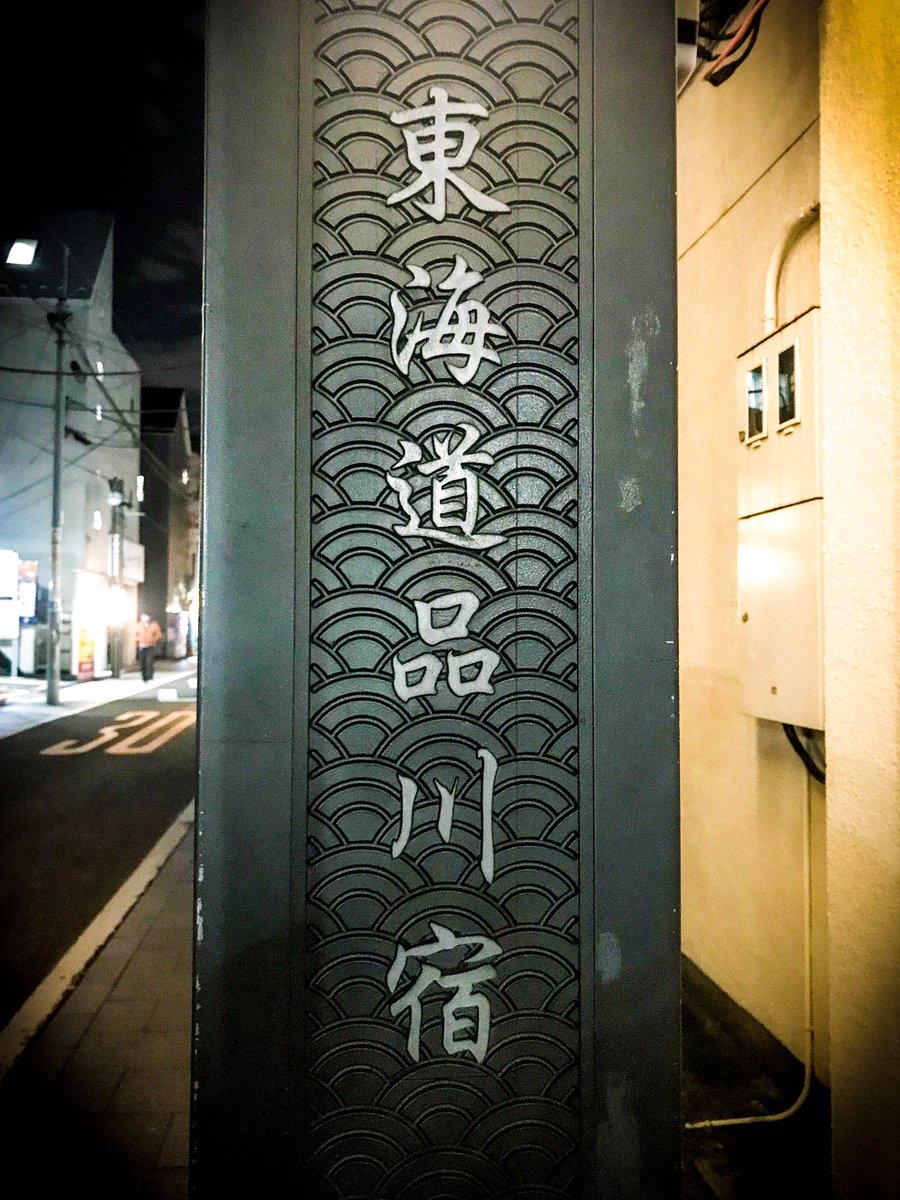
The highway that connected the shōgun’s capital with the imperial court was the Tōkaidō. In addition to being a crazy historical road, it’s on of Tōkyō’s most popular #PokemonGo routes.
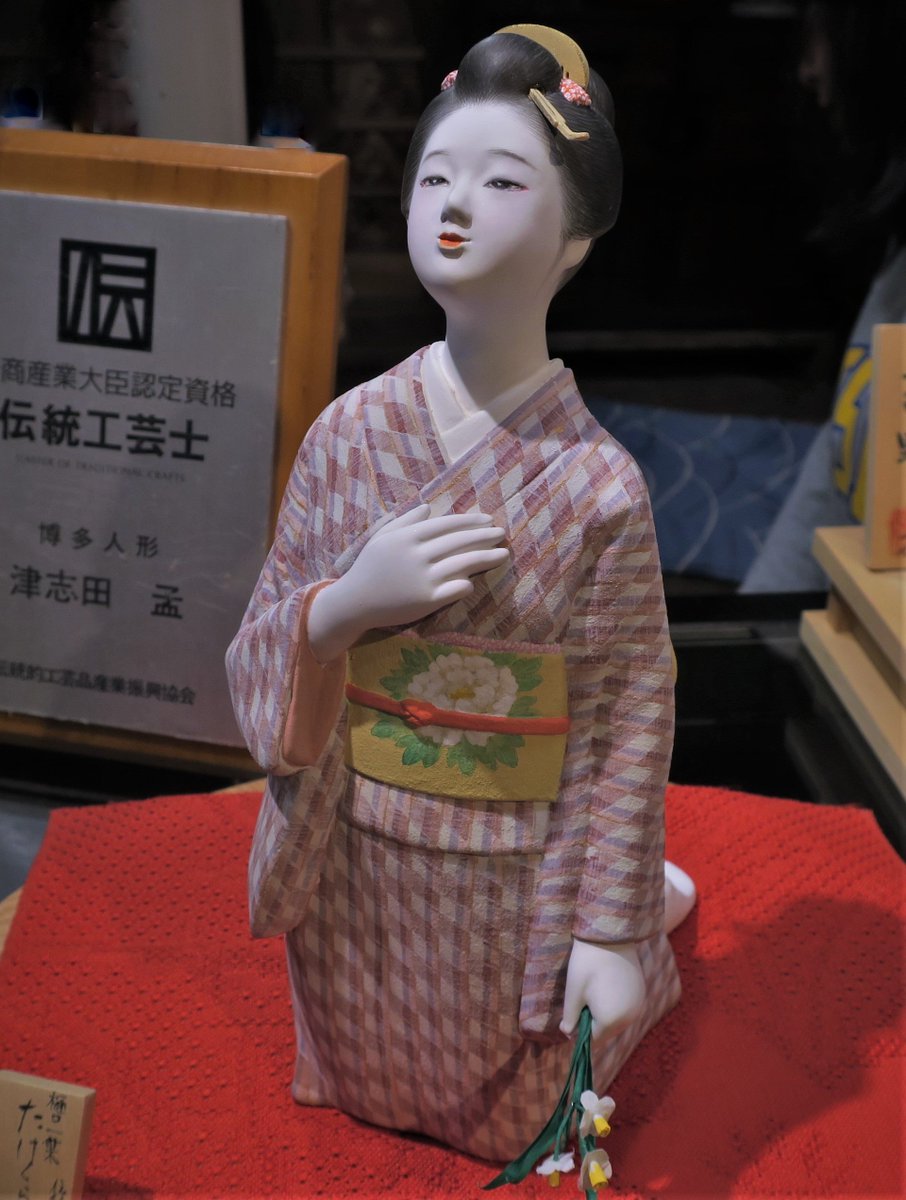
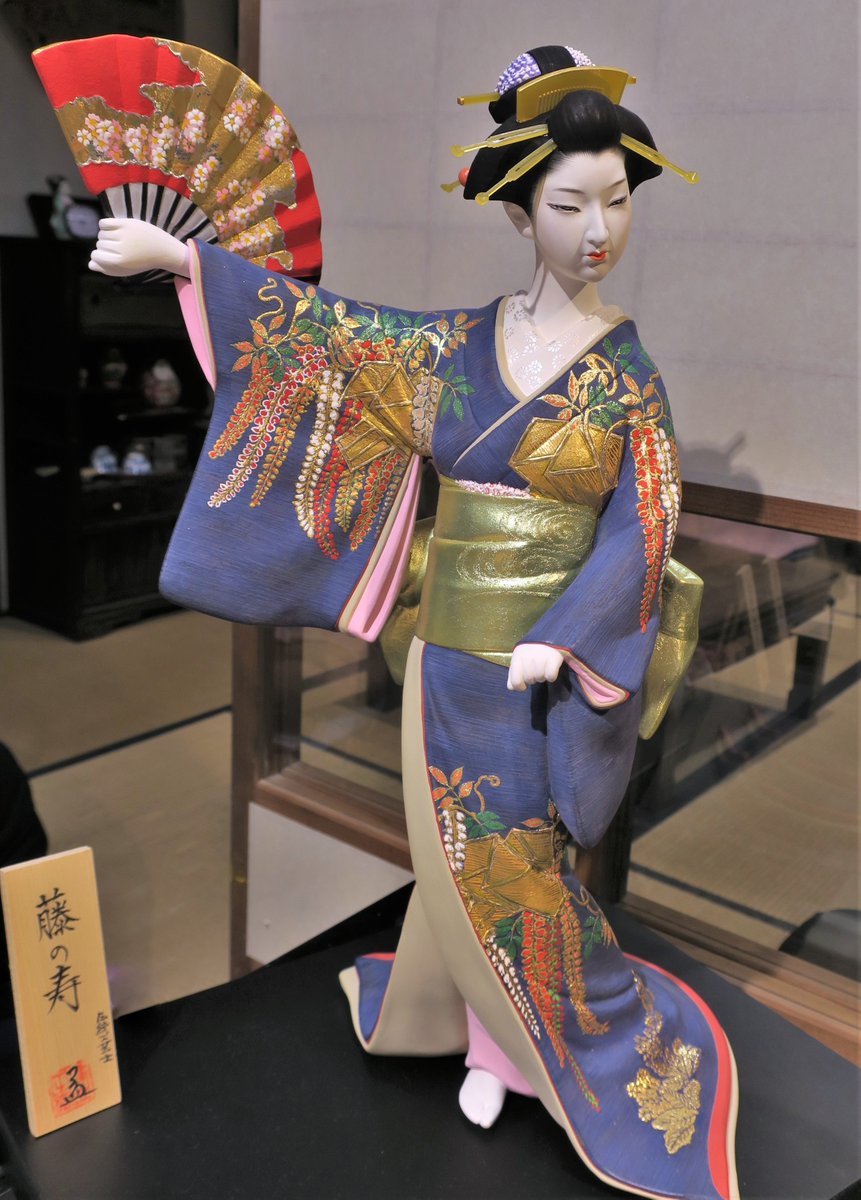
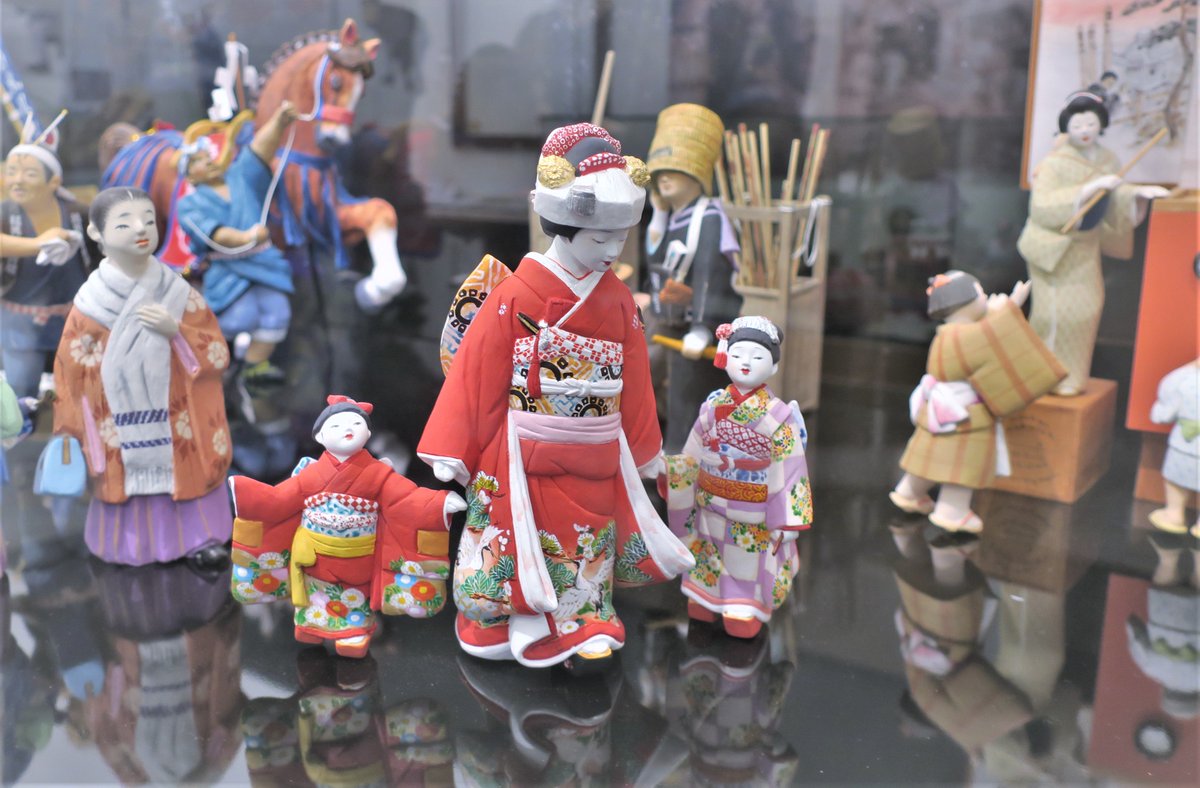
A Hakata doll (Hakata ningyo) is a traditional Japanese clay doll, originally from the city of Fukuoka, part of which was previously named Hakata. The dolls are one of Japan’s most famous traditional arts. Took these photos at HAKATA TRADITIONAL CRAFT AND DESIGN MUSEUM. #博多人形
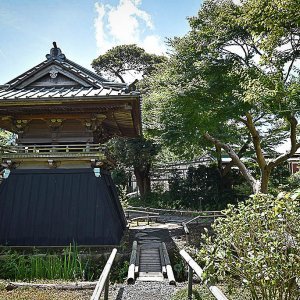
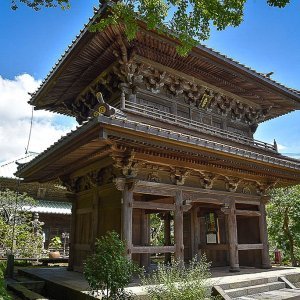
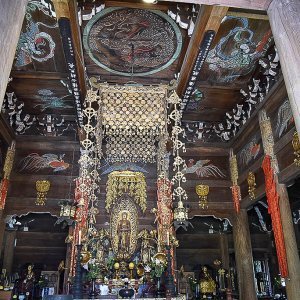
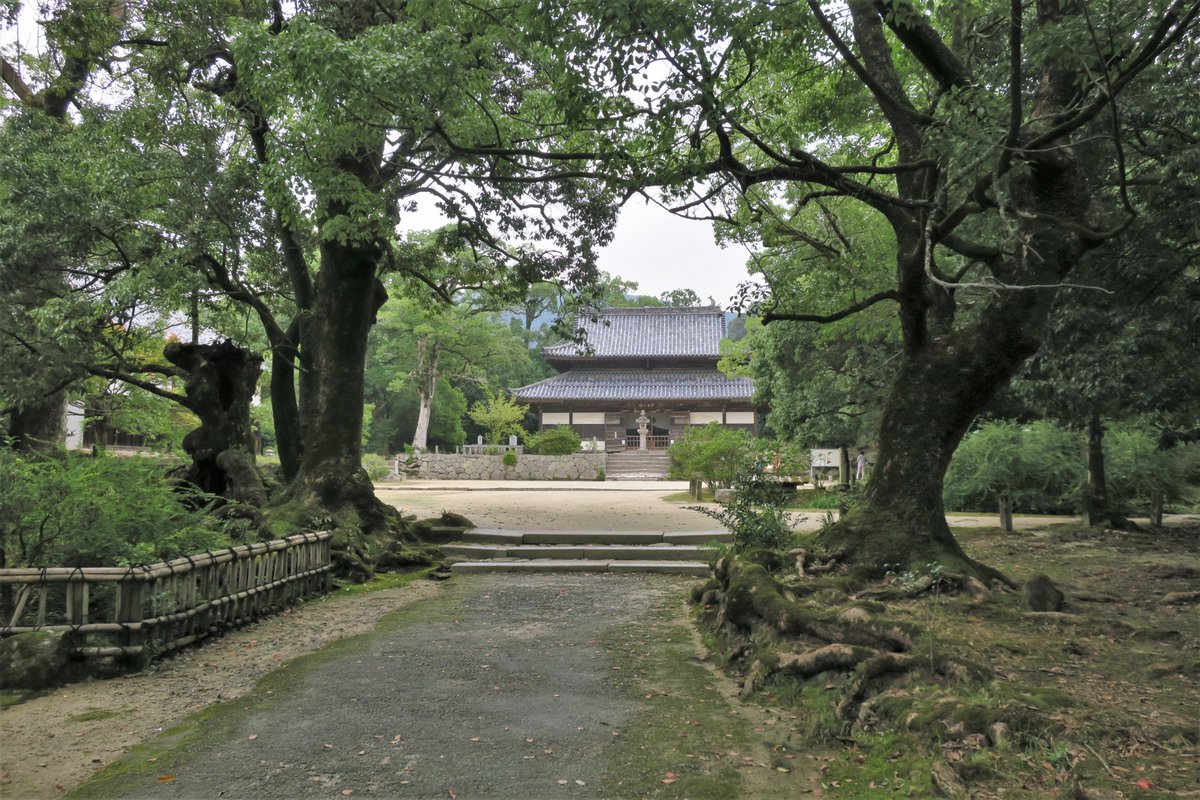
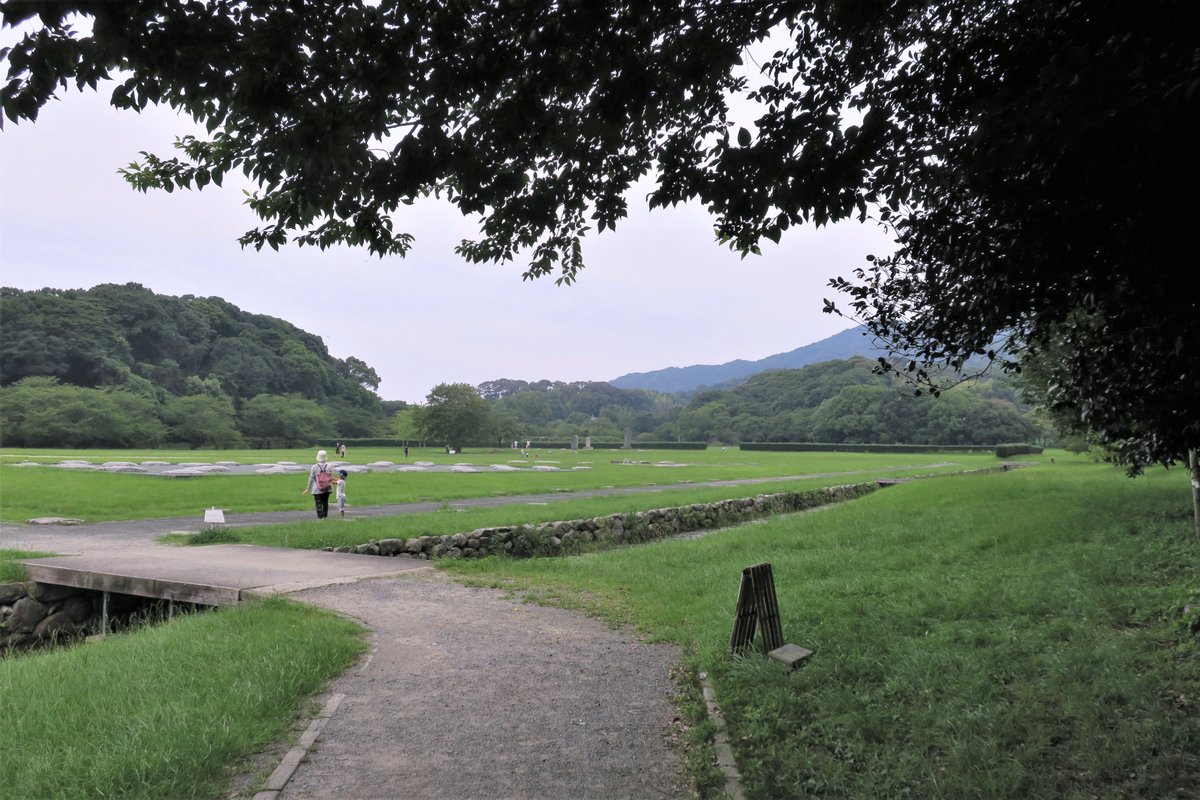
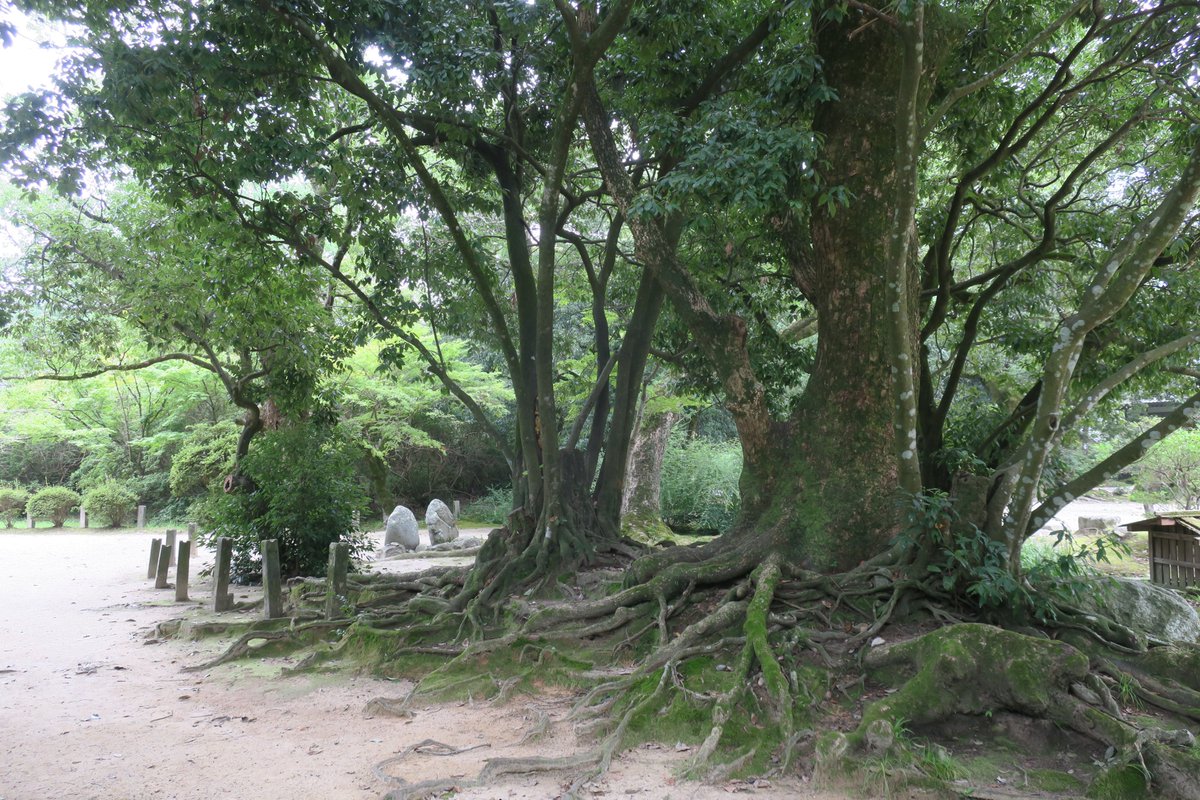
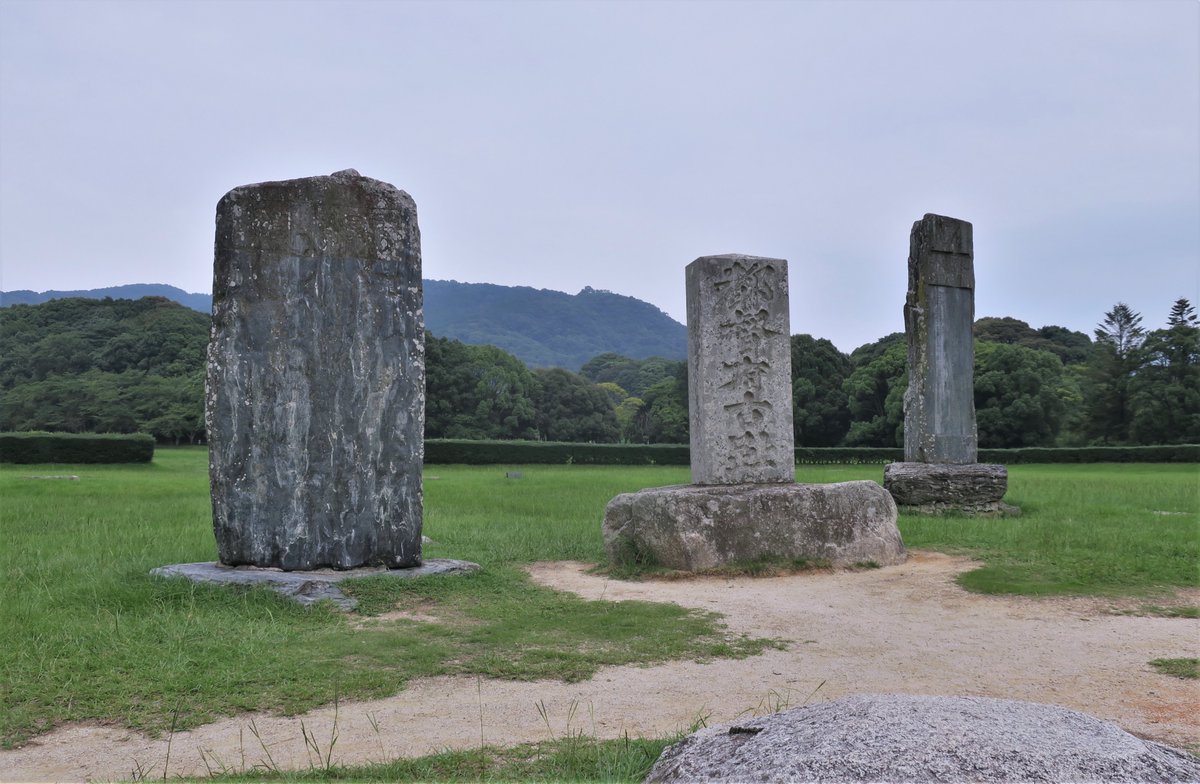
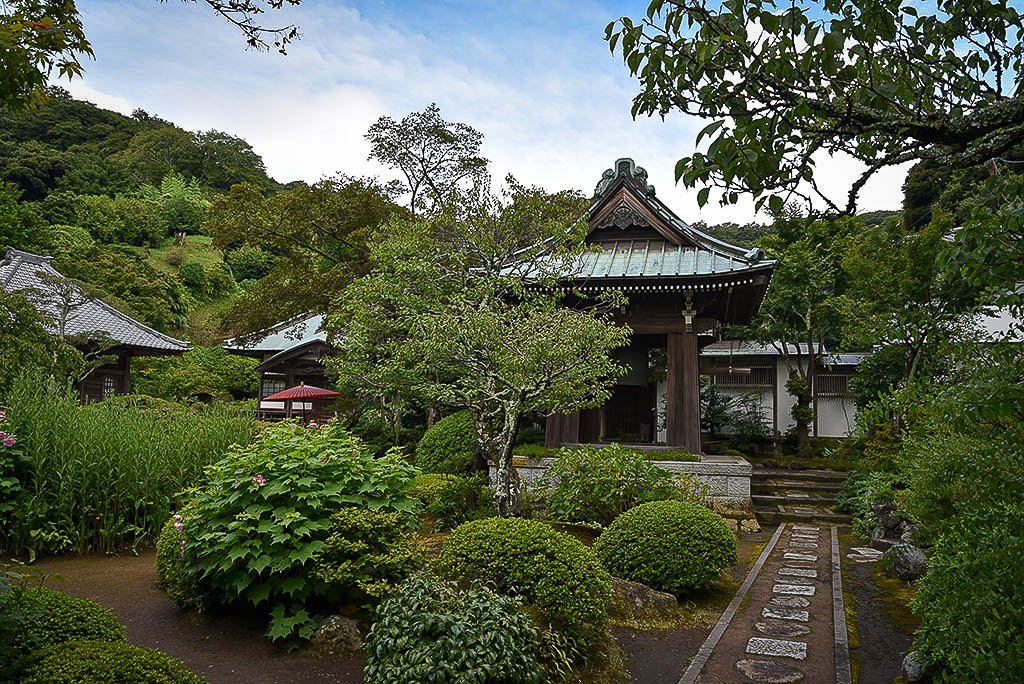
The first two pix are remains of ancient Dazaifu government office near Fukuoka City. It was the regional government in Kyushu from the 8th to the 12th cent., and was responsible for supervising Japan's maritime frontier. Kanzeon-ji is a seventh-century Buddhist temple in Dazaifu
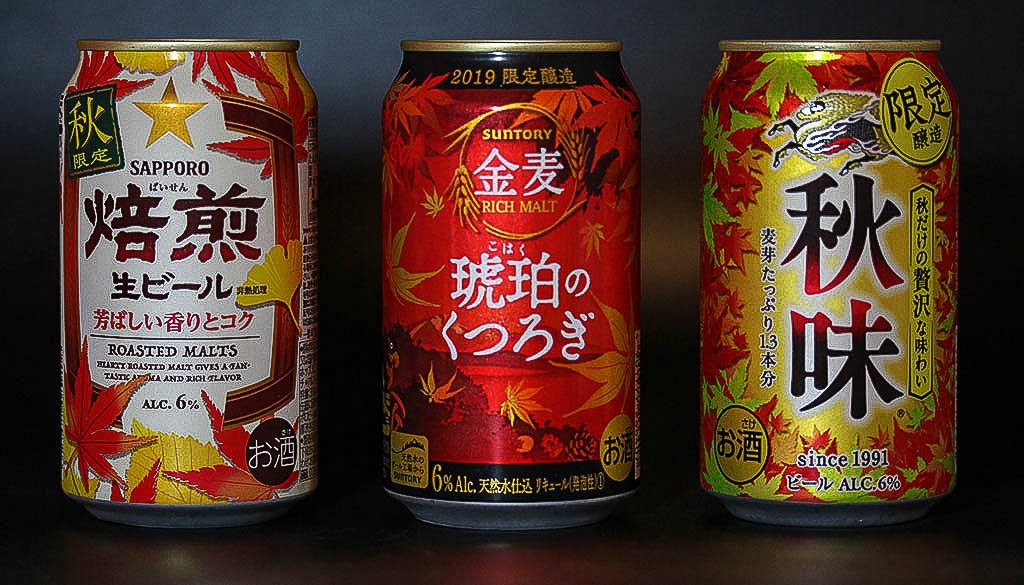
Autumn must be just around the corner: Sapporo Baisen, Suntory Kohaku-no-Kutsurogi ("ember-coloured relaxation"), Kirin Akiaji, the autumn brews for 2019.
Little over 150 years ago, Hijikata Toshizo, charismatic vice commander of the storied Shinsengumi - Japan's last samurai -- met his end in battle defending the group's final stronghold on Japan's northernmost main island of Hokkaido. https://t.co/yTR8hbRDVb