In 2004, Ukraine was standing at a turning point.
The country was caught between two futures. One path pulled it closer to Moscow and the old post-Soviet system. The other pointed toward Europe, reform, and a more democratic national identity.
At the center of that battle stood Viktor Yushchenko.
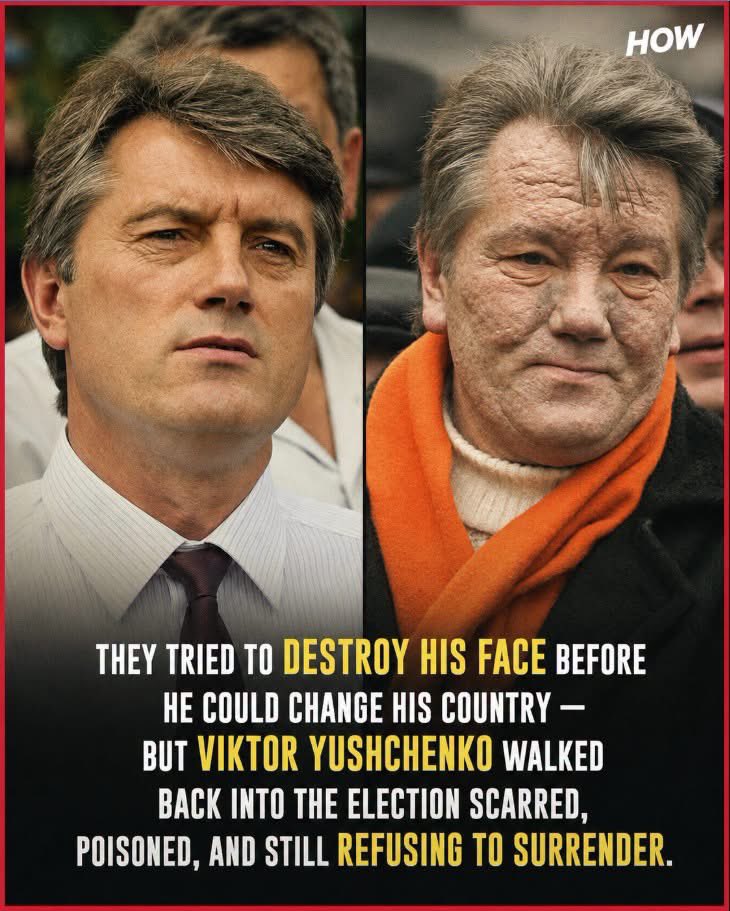
He was a presidential candidate, a former prime minister, and the leading opposition figure against the government-backed candidate Viktor Yanukovych. To many Ukrainians, Yushchenko represented a chance to break away from corruption, intimidation, and political control.
Then, during the campaign, he suddenly became violently ill.
At first, the symptoms were confusing. He suffered terrible pain, swelling, weakness, and internal damage. His body seemed to be collapsing without a clear explanation. When he appeared in public again, the change was shocking.
His once recognizable face had become swollen, scarred, and disfigured.
Doctors later confirmed he had been poisoned with dioxin, one of the most toxic chemical compounds known. The poisoning caused severe chloracne and left visible damage across his face. It was not just a medical emergency. It looked like an attempt to remove him from the political race.
But Yushchenko survived.
And instead of hiding, he returned to the campaign.
His face became a symbol of what was at stake. Every scar seemed to tell Ukrainians that the election was no longer just about politics. It was about fear, control, and whether a nation could choose its own future.
Yushchenko and his family believed the assassination attempt was connected to Moscow, because he was pushing for closer ties with Europe and challenging pro-Russian influence in Ukraine. That allegation has never been fully proven in court, but the poisoning became one of the most infamous political attacks of the modern era.
The election itself became a national crisis.
When Yanukovych was first declared the winner after a disputed runoff, millions of Ukrainians believed the vote had been stolen. People flooded the streets wearing orange, the color of Yushchenko’s campaign. The protests became known as the Orange Revolution.
For days, crowds stood in the cold demanding a fair vote.
The pressure grew so strong that Ukraine’s Supreme Court ordered a new runoff election because of widespread fraud concerns. In that repeat vote, held in December 2004, Viktor Yushchenko won.
He entered the presidency carrying the physical marks of the attack against him.
His victory did not erase the pain. It did not restore his health overnight. It did not answer every question about who poisoned him or why. But it proved something powerful.
The poison changed his face.
It did not silence him.
Viktor Yushchenko’s story remains one of the most dramatic political survival stories in modern history — a reminder that sometimes a scar becomes more powerful than the weapon meant to destroy the person carrying it.
Poisoned, disfigured, and nearly destroyed — Viktor Yushchenko survived the attack and still won the presidency.
Source: History of the world
Para quienes sufren de amnesia: hace apenas 6 meses, el régimen islámico de Irán masacró a más de 40.000 personas en solo 2 días, por el único "crimen" de protestar por la libertad.
Derroquen la República Islámica.
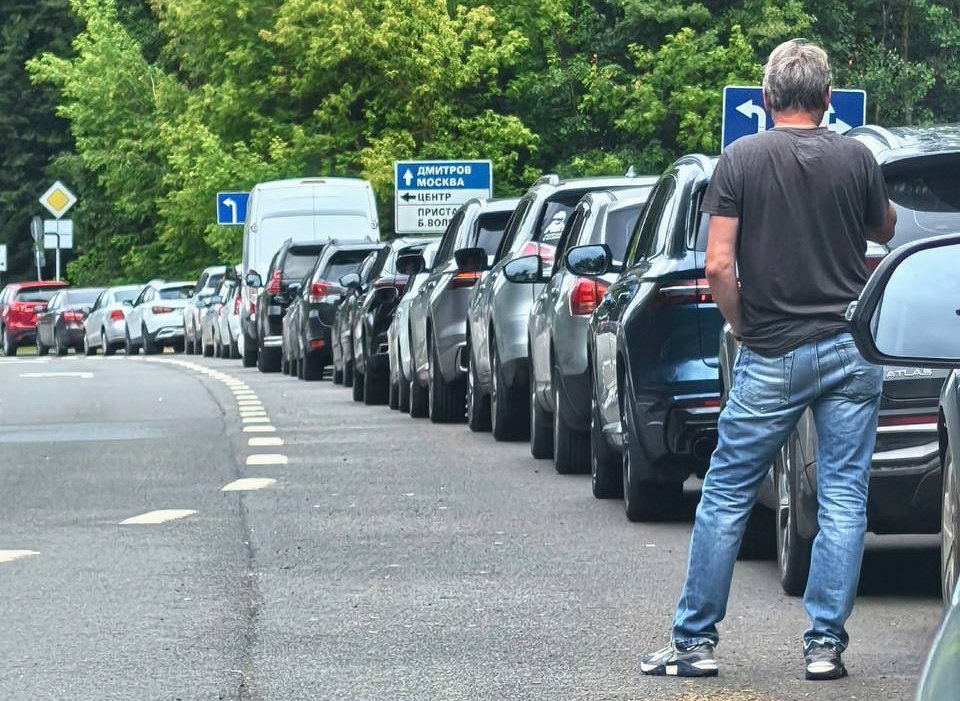
Un uomo russo è in fila alla stazione di servizio. "Ne ho abbastanza", dice alla moglie. "Prendi tu il volante, io vado a sparare a Putin".
Dopo due ore torna e si rimette al volante.
La moglie gli chiede "Gli hai sparato?"
E lui risponde "No, la fila per sparare a Putin è più lunga di questa!".
A preview of Russia's coming food crisis today in the city of Donetsk, under Russian control since 2014, now out of basic food stuffs, with unavailability of fuel making delivery impossible.
🔥🔥 BOOM! Ukrainian long-range drones struck the Omsk Oil Refinery, Russia’s largest. The attack damaged major processing units, forcing the refinery to suspend operations.
Get ready for even longer gas lines, comrades!
#SlavaUkraïni 🇺🇦
Immer wenn ich solche Videos sehe, muss ich daran denken, dass Russland einfach sein Nachbarn überfallen hat.
Sie hätten sich um ihr eigenes Leben kümmern können.
Stattdessen haben sie sich für den Krieg entschieden und Millionen Ukrainer in einen Krieg gezwungen, den Russland aus fadenscheinigen Gründen begonnen hat.
Der Unterschied ist: Die Ukraine greift militärische und kriegsrelevante Ziele an. Russland bombardiert seit Jahren Wohnhäuser, Krankenhäuser und die zivile Infrastruktur.
Jetzt merkt auch Russland, was Krieg bedeutet.
So sieht Putins angeblicher „Schutz“ russischer Ethnien aus
Dennoch ist das nichts im Vergleich zu dem, was Russland der Ukraine seit Jahren antut. Die Ukraine kämpft für ihre Freiheit, ihre Heimat und ihre Zukunft. Aus diesem Grund wird sie bestehen.
‼️‼️🔥🇺🇦🇷🇺 BIG | Ukraine’s Unmanned Systems Forces just wiped out another nine Russian fuel tankers in the Sea of Azov, bringing the total to a staggering 21 vessels neutralized in just 72 hours.
🔻This isn't just a series of strikes; it’s a systematic, industrial-scale strangulation of Russia's logistics. By targeting the fuel artery feeding occupied Crimea—simultaneous with a massive blackout campaign across the peninsula—Kyiv is effectively putting the region on life support.
📍Moscow’s inability to protect its own "shadow fleet" in its own backyard is a humiliation that speaks volumes about the state of their rear-guard defenses. While the Kremlin tries to play down the damage, the reality is that the logistical backbone of their southern occupation is snapping. If Russia can’t secure these tankers, they can’t fuel their war machine in the south. We’re witnessing a masterclass in asymmetric warfare: why fight on the front lines when you can simply turn the enemy’s supply chain into a burning liability?
I remember how, in May 2014, crowds surrounded military bases in Donetsk, demanding that Ukrainian soldiers lay down their arms and leave the city. I also remember how they built barricades and blocked the Armed Forces from reaching occupied Mariupol, until Mykhailo Drapatyi broke through in an infantry fighting vehicle, smashing the barricades. In the author's view, civilian resistance to the Ukrainian military ultimately contributed to the fall of Donetsk Airport, Debaltseve, the occupation of Crimea and Donbas, and eventually to February 24, 2022. When civilians raise a hand against their own soldiers, the old men in the Kremlin rejoice, and Putin proclaims: "The goals of the special military operation will be achieved."
I think the intelligence officer who came up with the idea of injecting into Ukraine's information space the notion that civilians should fight the servicemen responsible for replenishing the ranks of the Armed Forces will, if not today then tomorrow, receive a medal and a promotion. A successful FSB operation, entirely in the style of one well-known former lieutenant colonel.
Putin tells you that he has captured Kupiansk and Kostiantynivka, while our soldiers record videos standing there in their combat boots to prove they are still holding those cities. Let me remind you: Ukraine is wherever a Ukrainian soldier stands. Beating your own soldier and tearing off his uniform is an invitation for a foreign soldier to take his place.
What is this crowd in Lviv—and in every other city where similar incidents occur—really demanding? Stripped of all rhetoric, they are demanding not to be involved in the defense of Ukraine. They refuse to defend the country and insist on having the right, during a full-scale war for the nation's survival, to opt out of defending themselves and their homeland. Ask them who, then, should defend them and their families, and you'll hear different answers—but they all mean the same thing: we don't care who does it.
I have bad news for them. If Ukraine suffers a strategic defeat, perhaps you will manage to flee abroad—but you won't take your home, your business, or your parents' graves with you. You won't even take most of your belongings. Russian occupiers will claim your property and eat from your dishes, because you won't be taking those either. Believe me, I know what that's like. I have lost my home twice—first in Donetsk, then in Bucha.
I also have a question for the military ombudsman. Mr. Ombudsman, soldiers are being beaten—why haven't you spoken out yet? The military is waiting for your response. I'm not lying, am I, brothers?
And finally, we are all in shock. Truly. Soldiers from every brigade and battalion, no matter where we are serving, are in shock. Somehow we will have to come to terms with this—and keep living with it.
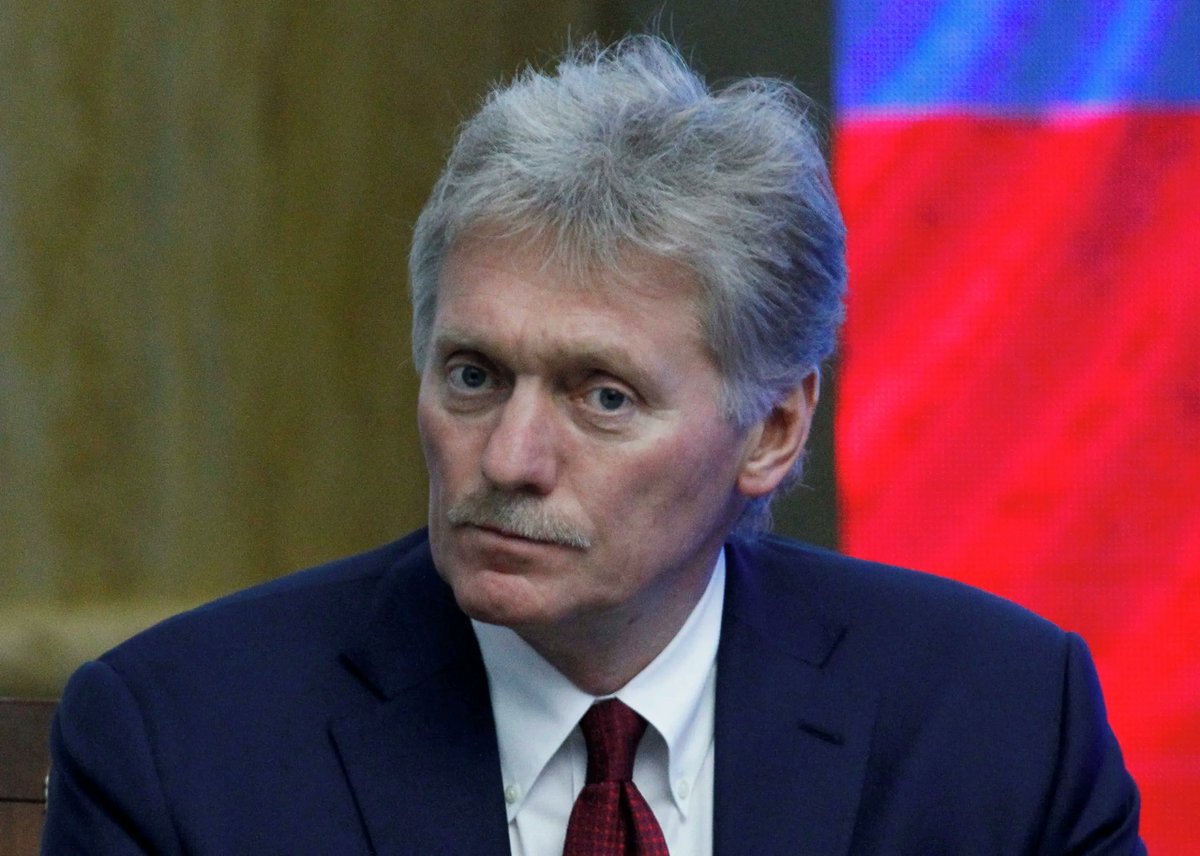
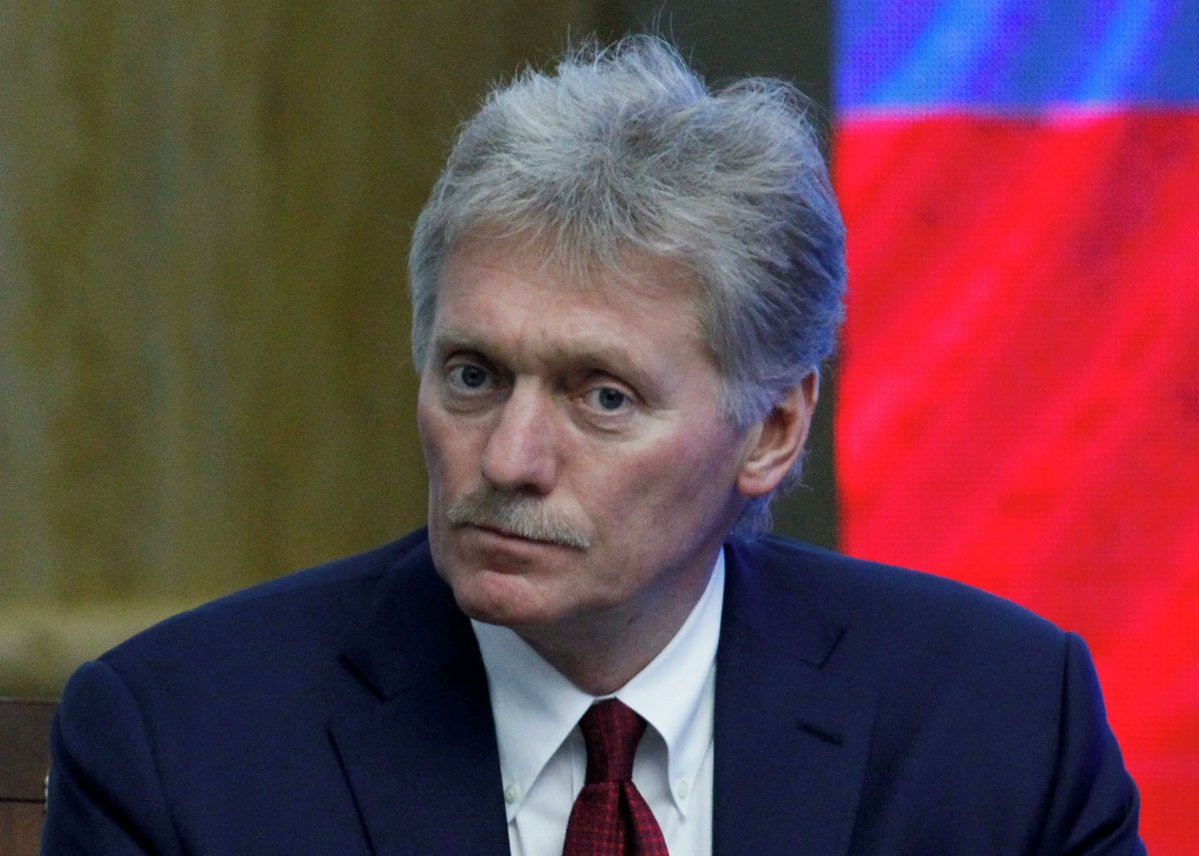
Дмитрий Песков = пресс-секретарь: Теперь это война ! НАТО стало больше помогать Украине (начало поставлять Украине больше оружия и боеприпасов). Россия насильно вербует даже бедных школьников !
https://t.co/fDrK2RQsjp
https://t.co/9KIHZxyDFW
Путин готовит очередную частичную мобилизацию после выборов, он уже готовит другие законы, которые были приняты более года назад !!! Все санитарные условия снижаются для мобилизации.
https://t.co/2Xhmoq0WbU
https://t.co/HhFLhrCPAm
PUTIN is preparing another partial mobilization after the elections, he is already preparing other laws that have been approved for more than a year !!! All health conditions are being reduced for mobilization.
https://t.co/2Xhmoq0WbU
https://t.co/HhFLhrCPAm
Dmitri Peskow = Sprecher: Jetzt herrscht Krieg! Die NATO hat begonnen, die Ukraine stärker zu unterstützen (sie liefert mehr Waffen und Munition). Russland rekrutiert sogar arme Schüler zwangsweise in Schulen !
https://t.co/fDrK2RQsjp
https://t.co/9KIHZxyDFW
Dmitri Peskov, porte-parole : C'est la guerre ! L'OTAN a intensifié son aide à l'Ukraine (en lui envoyant davantage d'armes et de munitions). La Russie enrôle de force même des élèves issus de milieux défavorisés !
https://t.co/fDrK2RQsjp
https://t.co/9KIHZxyDFW
Dmitry Peskov = portavoce: Ora è guerra! La NATO ha iniziato ad aiutare maggiormente l'Ucraina (ha iniziato a inviare più armi e munizioni all'Ucraina). La Russia sta reclutando forzatamente persino studenti poveri nelle scuole!
https://t.co/fDrK2RQsjp
https://t.co/9KIHZxyDFW
דמיטרי פסקוב = נזיפה של פוטין: עכשיו זה מלחמה!!! כי נאט"ו התחיל לעזור יותר לאוקראינה, (נאט"ו התחיל לשלוח יותר נשק ותחמושת לאוקראינה). רוסיה מגייסת בכוח אפילו תלמידים עניים לבתי ספר !
https://t.co/fDrK2RQsjp
https://t.co/9KIHZxyDFW
ديمتري بيسكوف = توبيخ بوتين: الآن حرب!!! لأن الناتو بدأ بتقديم المزيد من المساعدة لأوكرانيا (بدأ الناتو بإرسال المزيد من الأسلحة والذخائر إلى أوكرانيا). روسيا تجند قسرًا حتى الطلاب الفقراء في المدارس !
https://t.co/fDrK2RQsjp
https://t.co/9KIHZxyDFW