This study led by University of Central Florida found that Attention Deficit Hyperactivity Disorder symptoms manifest watching videos requiring executive brain function.
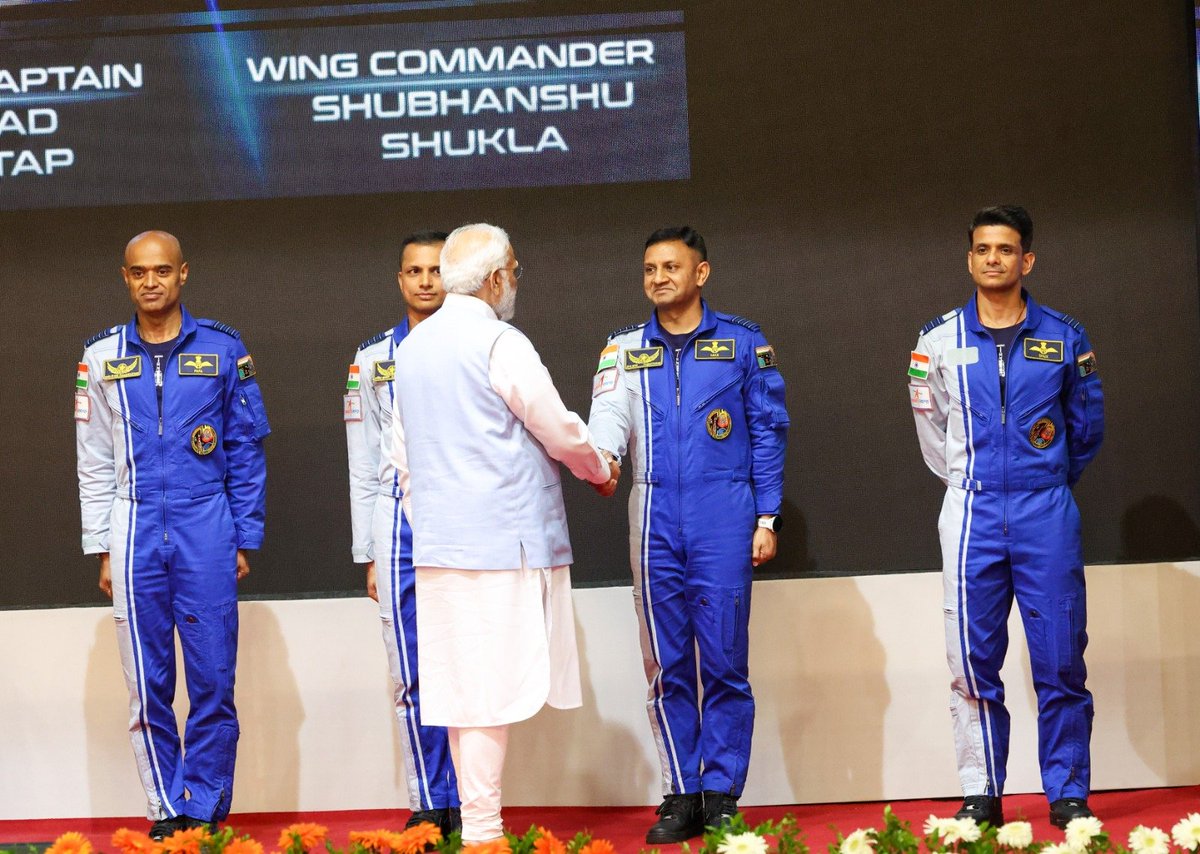
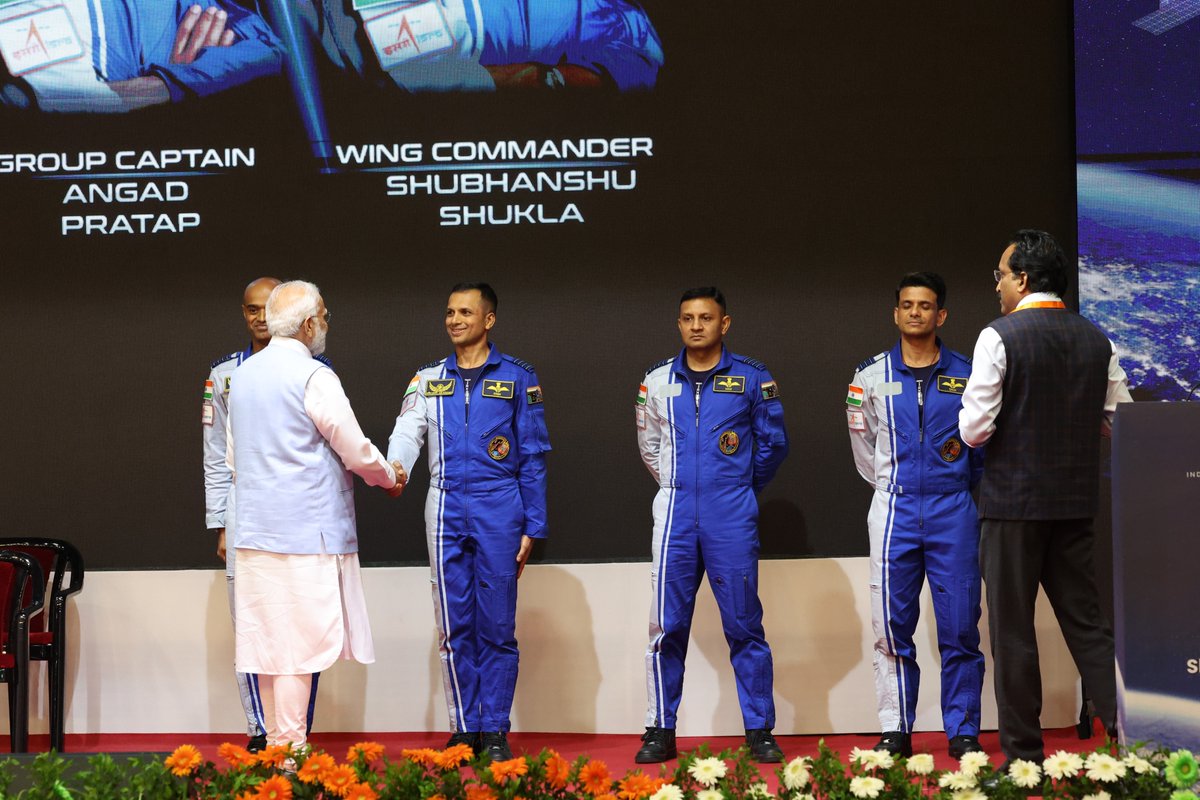
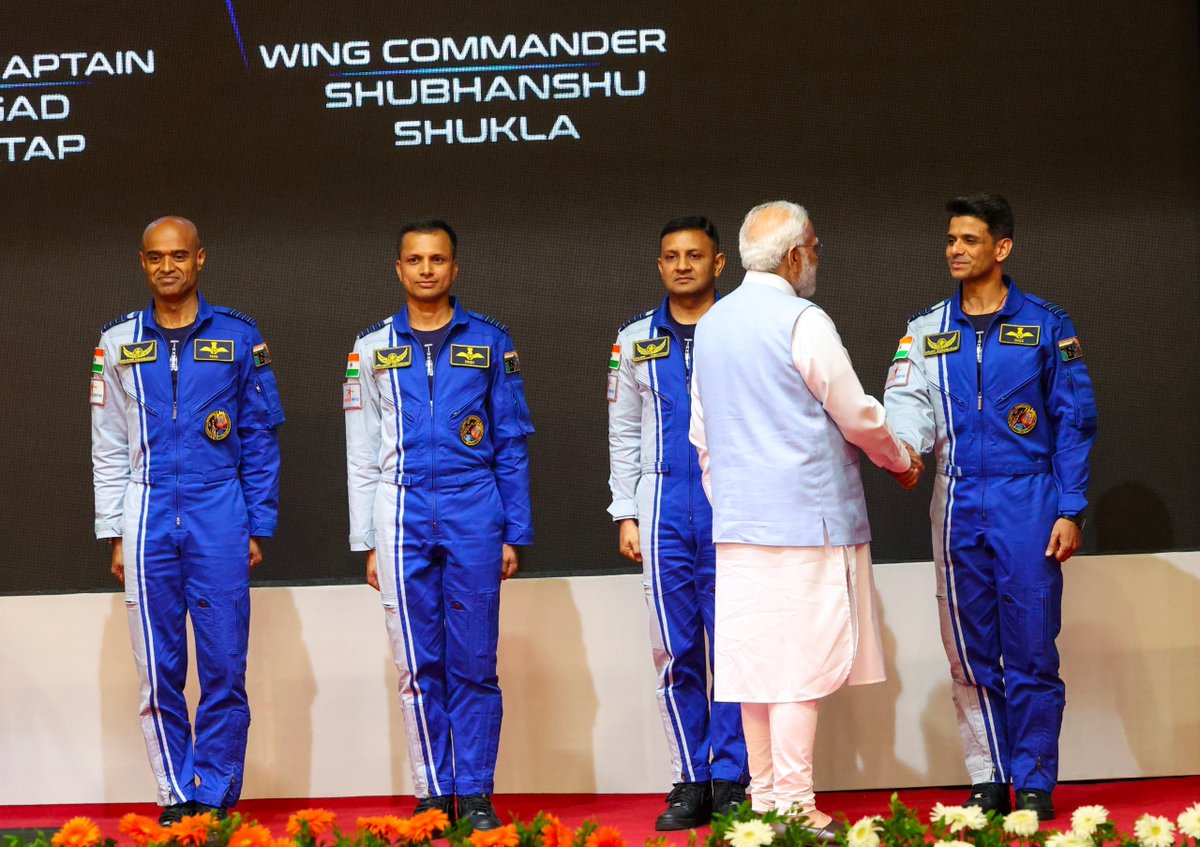
It was a very special moment for me to hand over wings to the four Indian astronaut-designates. They reflect the hopes, aspirations and optimism of 140 crore Indians.
India is proud of Group Captain Prasanth Balakrishnan Nair, Group Captain Ajit Krishnan, Group Captain Angad Pratap and Wing Commander Shubhanshu Shukla.
Are you planning to write your first research paper?
Prof. Fritz Scholz, world-renowned electrochemist, published a short viewpoint for young scientists (and a reminder for older colleagues).
Here are the key messages with my comments:
1️⃣ Any scientific publication is a compromise between ‘publishing too late’ and ‘publishing too early’. Beginners often wildly underrate or overrate their data.
2️⃣ ‘Publishing too late’ (or never) is a well-known fault of some overcautious individuals, who withhold their data from public scrutiny because they are not satisfied with its accuracy and completeness.
BUT tax-payers’ money that is spent on unpublished work is wasted money, and this raises questions of probity.
- Not only this. Also, any unpublished work leaves others unaware that someone tried such studies before. As a result, next generations may be making same mistakes.
3️⃣ ‘Publishing too early’ is a fault of some reckless individuals who have scant regard for the integrity of the scientific process.
- In fact, most researchers publish their data too early these days. Quality is hugely compromised for quantity.
4️⃣ Nowadays, pollution of the scientific literature by worthless, irreproducible or sloppy work is an increasing and serious problem. Here I can only plead: please do not be tempted by the short-term advantages of overpublication. The benefits are illusory, and the damage is untold.
5️⃣ If the supervisor pressurizes the student to publish uncooked results, then the student has a big problem!
6️⃣ First of all, write clearly and understandably! The eminent physicist Carl Wagner famously wrote “Any fool can think and write something complicated”.
Very often, complicated constructions are the result of an insufficient understanding, or represent an attempt to disguise the omission of certain facts which might otherwise conflict with the overall claims being made.
7️⃣ Any “honorary” co-authorship is not allowed!
8️⃣ You, the author, should always presume that the reviewers are trying to help you to improve your manuscript. They are not your enemy, but on your side. The author should realize that a likelier explanation of a poor review is the poor quality of the manuscript.
- Stop seeing reviewers as enemies. In 85%, they want to help you. As for another 15%, report it to the editor clearly and professionally.
9️⃣ "Do not try to split your work into several pieces to increase the number of your publications. The scientific community is already overwhelmed by a flood of second-rate “minimalist” papers."
- THIS is what leads to overpublishing. Don’t expect me to subscribe for your Google Scholar updates if you publish crap or break studies into tiny papers.
🔟 Always remember that a published paper will remain forever attached to your name.
#PhD #AcademicTwitter #chemtwitter
Ruixiang Zhang, Assistant Professor, University of California, Berkeley, USA will be awarded with the 2023 SASTRA Ramanujan Prize for his outstanding contributions in mathematics.
https://t.co/7Ve8BZjaTK
We are proud to share our textbook on Machine learning for materials discovery is going to be released soon! It’s been a roller coaster ride through COVID and other unforeseen circumstances. Thanks to @zacharyevenson for being the most supportive editor!
Chandrayaan-3 Mission:
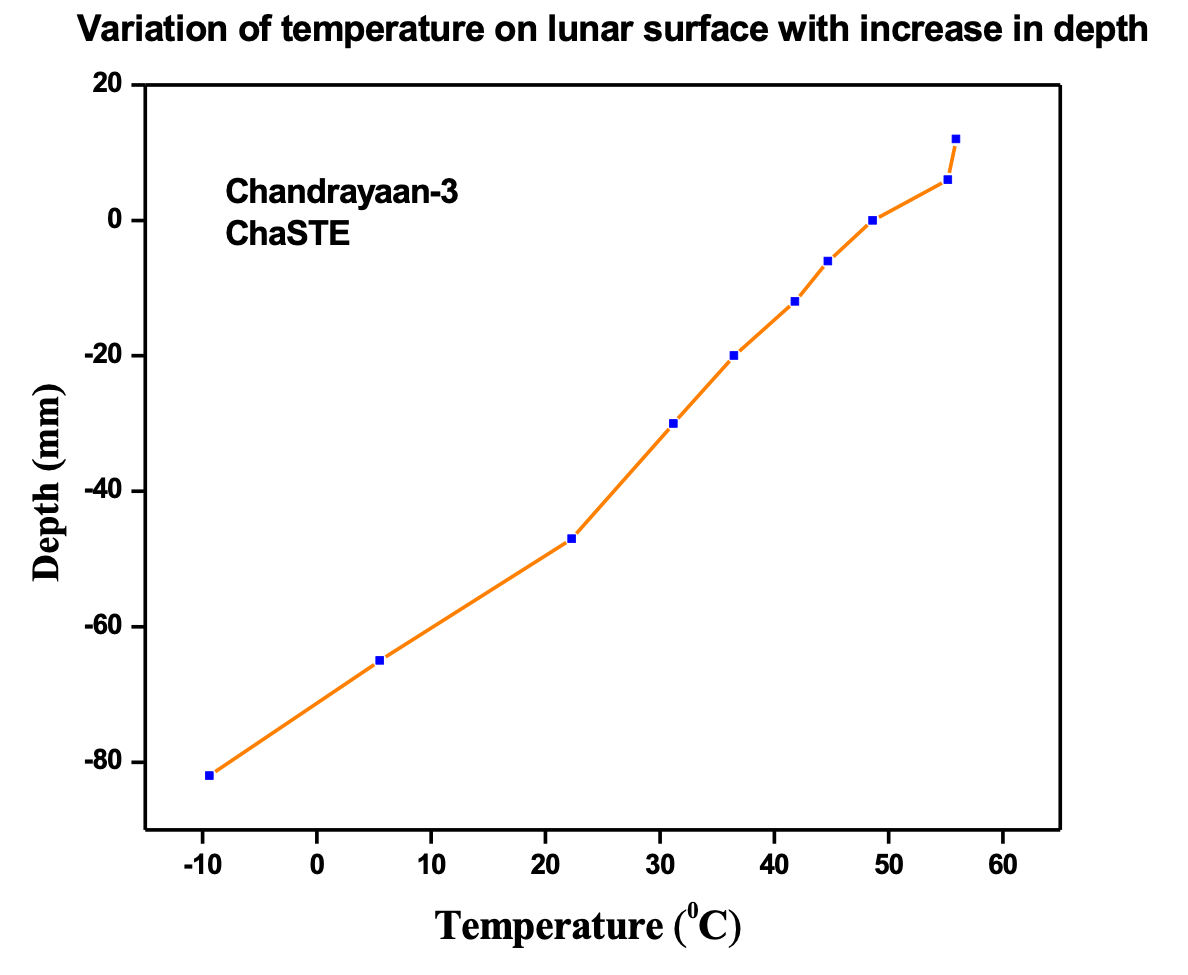
Here are the first observations from the ChaSTE payload onboard Vikram Lander.
ChaSTE (Chandra's Surface Thermophysical Experiment) measures the temperature profile of the lunar topsoil around the pole, to understand the thermal behaviour of the moon's surface. It has a temperature probe equipped with a controlled penetration mechanism capable of reaching a depth of 10 cm beneath the surface. The probe is fitted with 10 individual temperature sensors.
The presented graph illustrates the temperature variations of the lunar surface/near-surface at various depths, as recorded during the probe's penetration. This is the first such profile for the lunar south pole. Detailed observations are underway.
The payload is developed by a team led by the Space Physics Laboratory (SPL), VSSC https://t.co/qBAOCsr4Vu collaboration with PRL, Ahmedabad https://t.co/7DNjnLiXua
Another great achievement by ISRO.
A special thanks to those who worked hard to make it successful.
Those scientists who choose the hardest form of life to establish ISRO are now enjoying in heaven.
Proud to be an Indian.
Chandrayaan-3 Mission:
'India🇮🇳,
I reached my destination
and you too!'
: Chandrayaan-3
Chandrayaan-3 has successfully
soft-landed on the moon 🌖!.
Congratulations, India🇮🇳!
#Chandrayaan_3#Ch3
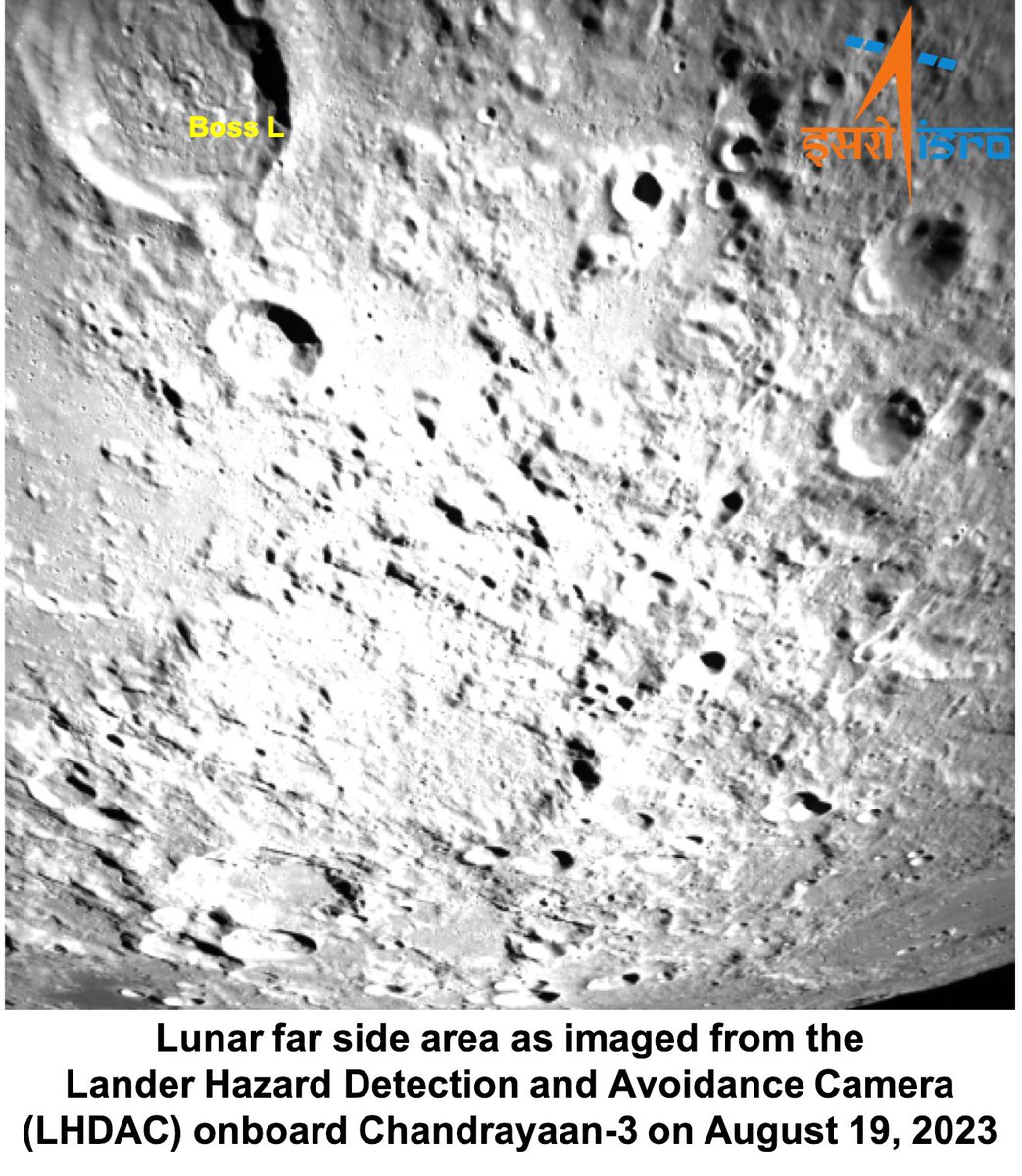
Chandrayaan-3 Mission:
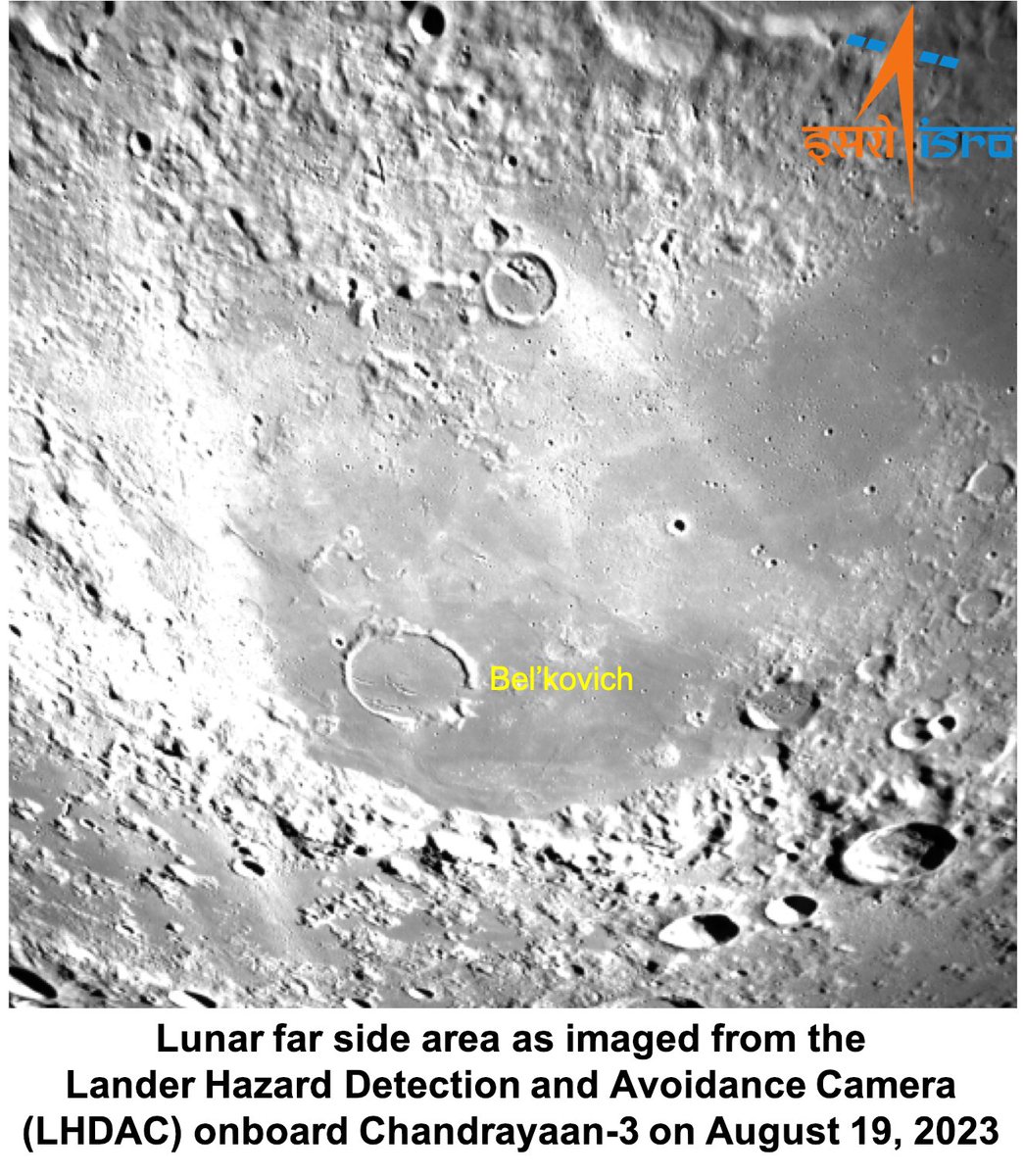
Here are the images of
Lunar far side area
captured by the
Lander Hazard Detection and Avoidance Camera (LHDAC).
This camera that assists in locating a safe landing area -- without boulders or deep trenches -- during the descent is developed by ISRO at SAC https://t.co/cr5Kp0ssOW
#Chandrayaan_3
#Ch3
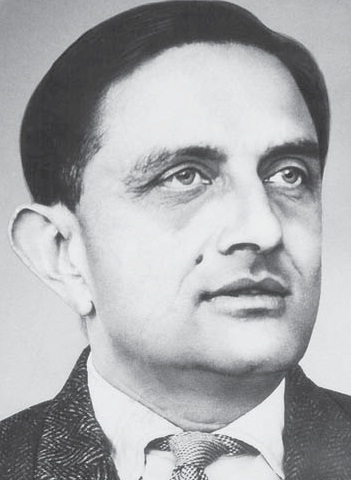
ISRO affectionately commemorates the birthday of visionary space scientist, Dr. Vikram A Sarabhai.
His remarkable contributions laid the foundation for 🇮🇳Indian Space Programme.
His legacy lives on as ISRO upholds his vision and mission
https://t.co/XdtT60YLLw