Wisdom can come from unusual places. I recently heard a commentator on a sports podcast say, “You can’t read the label from inside the bottle.” Great leadership advice and something I hope to keep in mind!
Before today’s children even begin school, they have already been exposed to more technology-driven information, media, and sensory input than their grandparents encountered by the time they graduated school.
Think about it. No other generation in history has been exposed to this much information this early in life.
Early brain development depends on learning how to separate signal from noise. Young children are not born with that skill. The systems that regulate attention, filter relevance, and support memory are still forming in the early years.
This generation forms those systems inside constant white noise.
Screens. Background media. Rapid scene changes. Alerts. Endless content. Always on.
Neuroscience and cognitive research show that chronic early stimulation increases cognitive load and overwhelms working memory. When everything feels important, nothing stands out. Research on attention switching shows that frequent novelty trains the brain to scan rather than sustain focus. Developmental studies also show that young children struggle to distinguish meaningful information from irrelevant input when exposed to high levels of media. Sleep research further links early media saturation to reduced sleep quality, which directly affects learning and memory.
No previous generation entered school after years of adapting to this level of informational saturation.
So when children struggle with focus, retention, or persistence, it isn’t effort. It isn’t ability.
It’s a brain that adapted early to constant noise before it ever learned how to filter, prioritize, and hold onto what matters.
We keep labeling attention, motivation, and behavior.
But the real issue is saturation.
Until we account for that reality, we will keep misreading children—and mistaking adaptation for deficiency.
their relationship with their teacher. There is no tech tool that can replace a caring teacher who inspires students to do what they may not have known they can do. (2/2)
Old man yelling at clouds in 3, 2, 1...
I know A.I. and 1-to-1 tech tools may soon be the norm in education but I worry that our zest towards tech is causing us to forget about the most important factor in a child's success: (1/2)
https://t.co/SkFpwJDeQZ
"When schools ask for parent volunteers or expect consistent at-home reinforcement, they’re making assumptions that don’t match today’s reality. It’s not apathy. It’s capacity. Families aren’t opting out—they’re burned out."
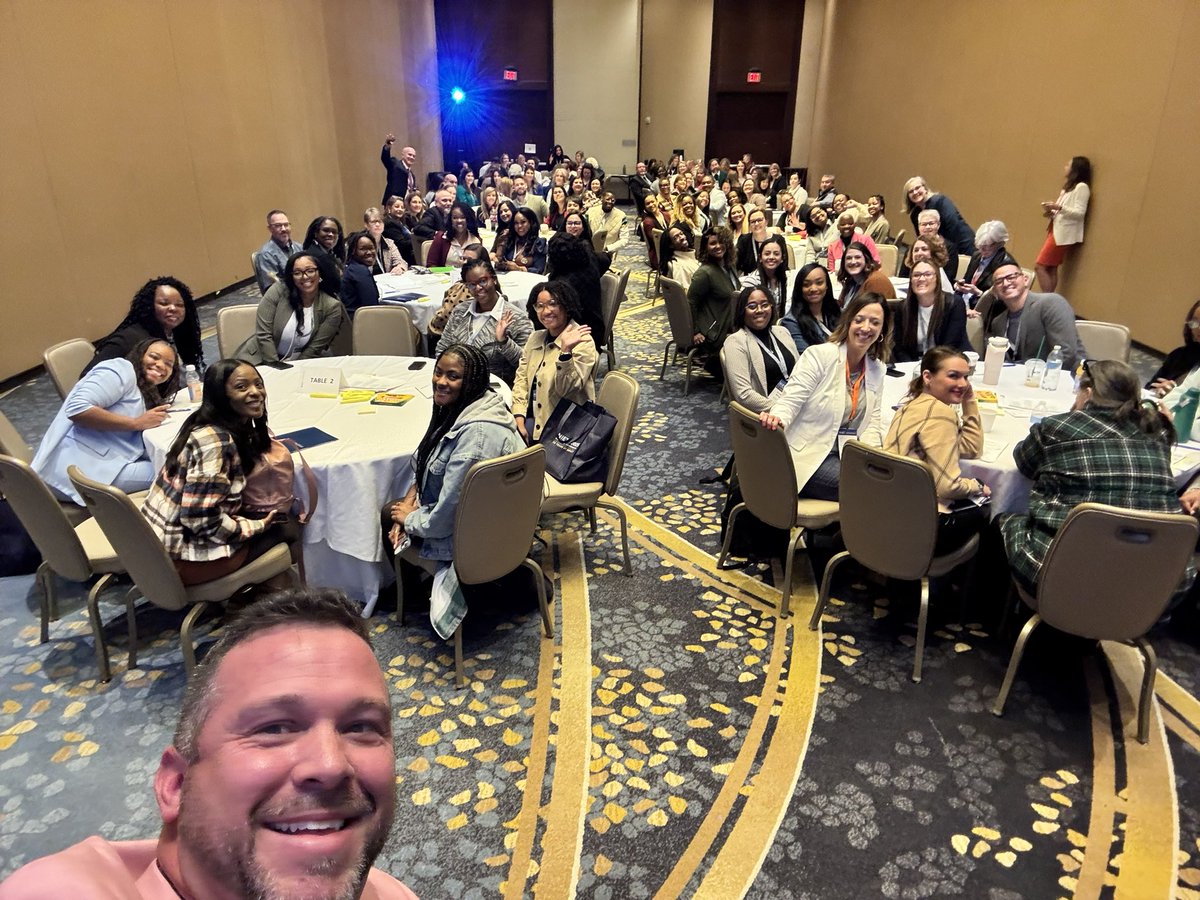
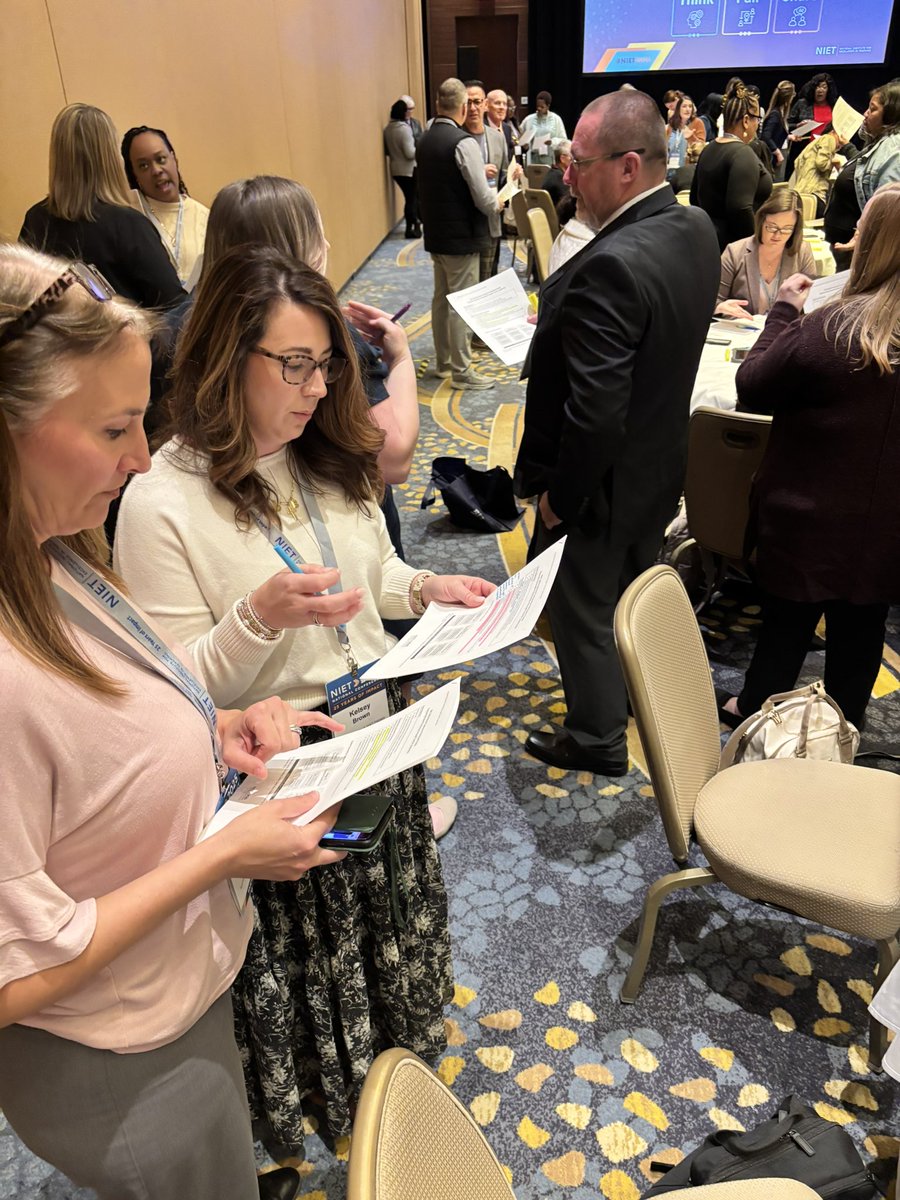
I was inspired by the message of Dr. Cade Brumley this morning at #NIET2025. Thank you for challenging me as a school admin to keep teacher support at the forefront of school improvement efforts.