Two lots of groceries at the same supermarket checkout. It’s so easy to just not pick up a plastic bag and put your fruit and veg loose in the trolley! Say no to single use plastic produce bags and let our fruit and veg free! 🍏🍎🍋🍊🍅🥦🥕🌽🍌🍒🍓🍇🍍🥑
It's #WorldEnvironmentDay Day! Hands up who wants to help penguins ✋🐧
@tarongazoo has worked with around 1000 students to clean up our beaches and remove 400kg of Asparagus Fern from penguin nesting sites.
Inclusive curriculum units that involve global perspectives and cross-curriculum priorities will help students develop their ability to examine local/global issues, understand and appreciate the perspectives of others, and become active/ responsible members of society. #UoNTeach https://t.co/GXrtIQdPpC
By participating in a community-based project, students are provided with a variety of skills, knowledge and experiences that assist them in becoming active citizens in their community (Tudball, 2010). How will you become an active citizen in your community? #UoNTeach
An interesting article about the concept of global learning in schools. It is so important to provide students with the knowledge and skills that are needed in the 21st century. Learning about global perspectives can create active and informed citizens. #UoNTeach https://t.co/Dod2OzJSIe
Great blog from head teacher at Robert Ferguson Primary school in Cumbia on the importance of a good global education https://t.co/octjAfi2eE @thinkglobaluk #globallearning
Contextualising the content is vital when creating an integrated curriculum unit. You can do this by linking activities with topics being taught, including members of the community, and relating the content to community experiences (Llopart & Esteban-Guitart, 2017). #UoNTeach
An integrated citizenship unit that involves a community-based project enables students to learn about citizenship education from a local and global perspective. The topic was so easy to integrate into key learning areas such as English, Creative Arts and Science. #UoNTeach
A great article that discusses civics and citizenship education in Australia. Are we teaching our students what it takes to become active and informed citizens? How do we know we are doing enough? #UoNTeach https://t.co/9jGGQC8q6s
Collaboration, knowledge construction, self-regulation, real-world problem-solving and innovation, ICT use, and skilled communication are all 21st century skills that students will develop in a citizenship integrated unit (Microsoft Partners in Learning, 2012) #UoNTeach
Learning about a cross-curriculum priority in an integrated unit is so important. This is a fantastic video to show students about the huge impact that plastic has on our environment! Will this resource get students to start thinking about living more sustainably? #UoNTeach https://t.co/Jlq9Pg1YdO
This video has made me reflect on what my role is as a future educator. What can I do to engage my future students, learning about a sustainable future. #uonteach
https://t.co/l9dPz2UgjK
When designing my community-based project and integrated unit of work I realised just how many community assets there are! Identifying and organising these community assets can help you achieve collective goals (Goetting & Green, 2010). #UoNTeach
What a great example of university students being active citizens in their local community! Community-based projects are a great way for primary school students to learn how to become active citizens as well. #UoNTeach https://t.co/dvwu8Ds6RN
From volunteering in soup kitchens and providing free dental checkups to building community gardens and mentoring grade-school students, USM staff, faculty, and students donate their time and talents to improve the quality of life in #Maryland. #USMimpact https://t.co/YkpkezbH8S
How can you become an active citizen in your community? The ‘Civics and Citizenship Education’ website has the answers to all citizenship education questions! There are so many great resources for teachers to use in the classroom. #UoNTeach https://t.co/jShkSJui19
Collaborating with members of the community keeps students on a path to success in school (Epstein, 2013). Get involved in your local community! Incorporating a community-based project into a curriculum unit is a fantastic way for students to become active citizens. #UoNTeach https://t.co/XNoHSDO8yD
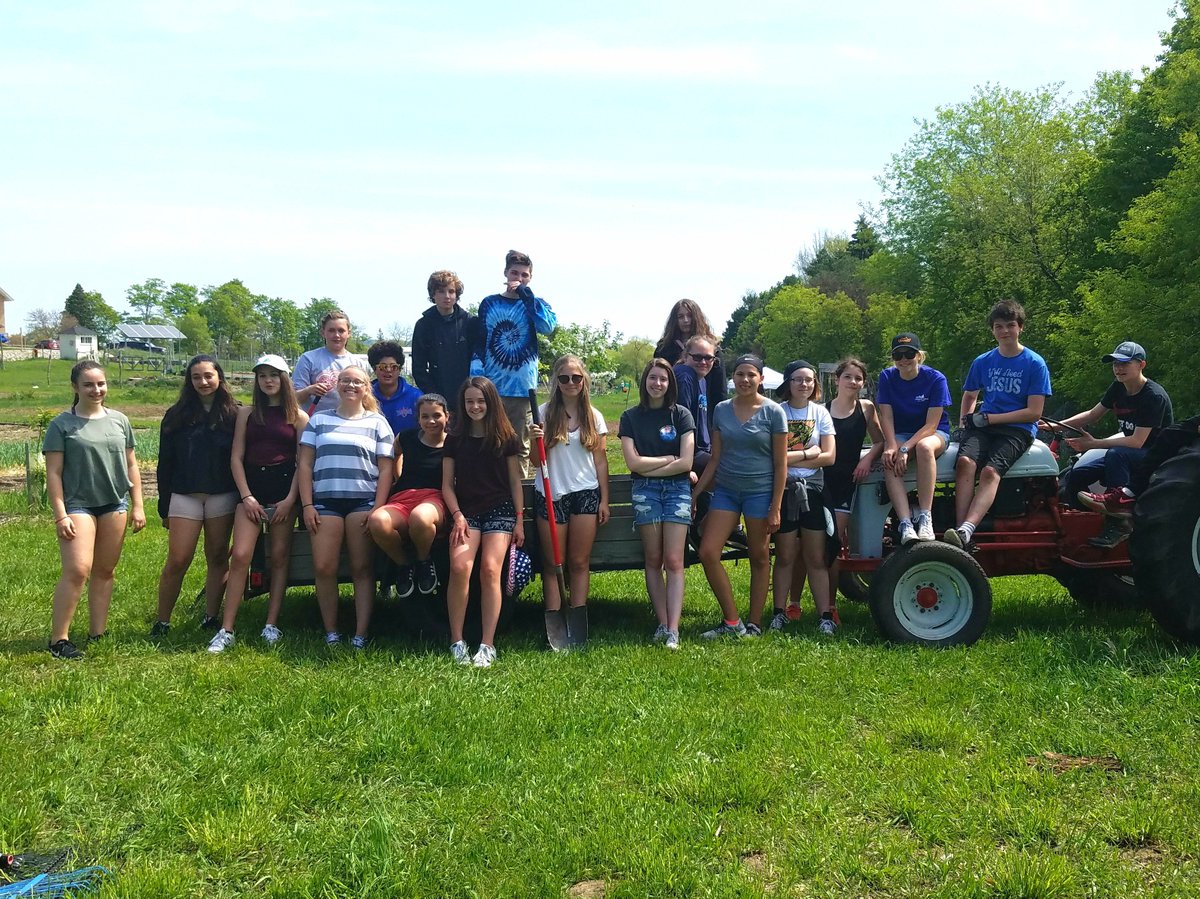
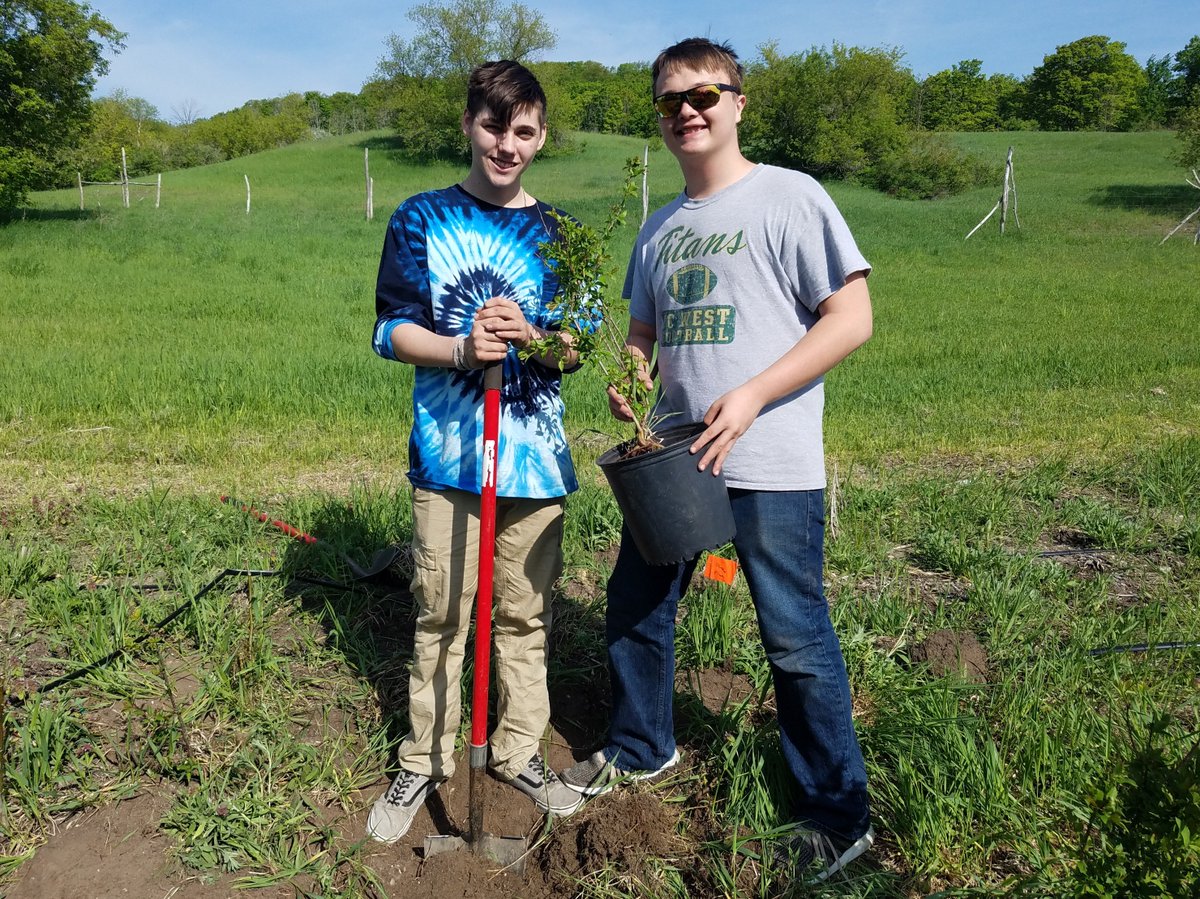
We appreciate the Greenagers in helping us spruce up the farm at Historic Barns Park! The Greenagers of Traverse City West Middle School partner every year with community orgs that focus on local natural resources. They did a great job and had fun working outdoors!
These skills are so important for students in the 21st century! Problem solving, communication, critical thinking, ICT, and collaboration are all evident when teachers implement integrated and inclusive curriculum units into their classroom. #UoNTeach https://t.co/QVFjSwQfbl
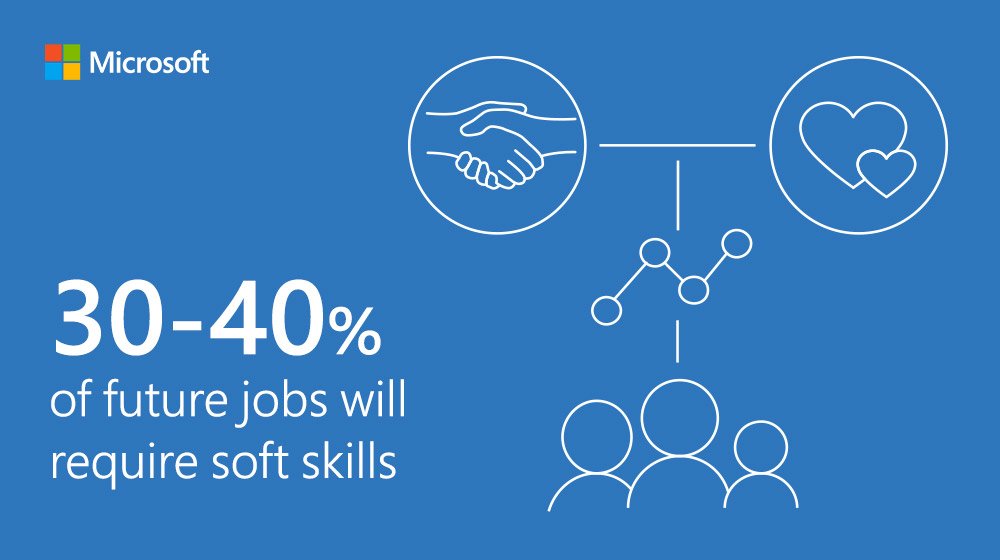
Today’s kindergarteners will enter a dramatically different workforce by the time they graduate as the Class of 2030. In this blog, @bnholzapfel discusses the skills they will need to be life-ready. Read more findings from the new Microsoft study here: https://t.co/uxQV7VNYqO
In order to teach through global contexts and perspectives, teachers need to be equipped with the knowledge and skills that are required of 21st century citizens. Are teachers being educated enough to teach these skills? (Quezada, Alexandrowicz, & Molina, 2013). #UoNTeach
Collaborating and helping aged-care facility residents can teach students about what it means to be an active and informed citizen. Print (2007) notes that participating in community services assists in the engagement of civic and citizenship education. #UoNTeach
An interesting article that makes me reflect on my teaching. Goal two states that all young Australians need to become active and informed citizens (Peterson & Bentley, 2017). How can teachers make sure their students become active and informed citizens? #UoNTeach https://t.co/1faTEifyLn
A lack of confidence and preparedness is another barrier preventing teachers from implementing sustainability into their classroom (Green & Somerville, 2015). Including sustainability into an integrated unit of work can help teachers improve their confidence. #UoNTeach https://t.co/LPFFeX97cS
Learning about sustainability issues will equip students with critical thinking, problem solving, decision-making, and systemic thinking skills that are needed in order to become active citizens (Green, 2012). #UoNTeach