I pledge allegiance to the flag of the United States of America, and to the republic for which it stands, one nation under God, indivisible, with liberty and justice for all.
Appreciate the wait Stephen...
There isn’t one cause. America’s division is the result of several forces hitting at the same time, each pouring gasoline on the others. Here are the big ones:
1. Social media rewired the country
Platforms didn’t just connect people — they radicalized them.
Algorithms reward outrage, conflict, and extremism because that content keeps people glued to the screen.
So the loudest, angriest voices get the most visibility, while moderate voices disappear completely.
Result:
People now live in different information worlds. Not different opinions — different realities.
2. Political parties realized division is profitable
Both parties figured out that fear and anger raise more money, get more clicks, and turn out more voters than unity ever will.
So political messaging shifted from:
“Here’s what we stand for,”
to
“Your neighbor wants to destroy the country — donate now.”
When politics becomes a war instead of a debate, your fellow citizen starts looking like the enemy.
3. Collapse of trust in every major institution
Government, media, public health, corporations, banks, higher education — trust in all of them cratered over the last 20 years.
Why?
Scandals, corruption, hypocrisy, manipulation, and blatant incompetence — across the board.
When no one trusts the referee, the game becomes a brawl.
4. The media abandoned neutrality for tribal loyalty
Outlets don’t even pretend to be neutral anymore.
They’re audience-targeting businesses.
So news isn’t designed to inform you — it’s designed to affirm your worldview and keep you locked in.
This creates two Americas:
•One that believes one storyline
•One that believes the total opposite
And each thinks the other is insane.
5. Economic stress made people angrier and more reactive
Stagnant wages, insane housing prices, medical debt, cost-of-living spikes, corporate consolidation, and the destruction of the middle class created a pressure cooker.
People under financial strain are more irritable, less patient, and more prone to blaming “the other side.”
6. Cultural shifts happened faster than people could process
Everything — gender norms, family structures, technology, entertainment, values — changed at warp speed.
Some people embraced it.
Some people panicked.
Some people felt erased.
Some felt liberated.
Rapid cultural change always produces backlash. Always.
7. Foreign adversaries exploited every crack
Russia, China, Iran, and others pumped disinformation into American social platforms to widen racial, political, religious, and economic divides.
They don’t need to defeat the U.S. militarily if the U.S. tears itself apart internally.
8. People stopped talking to each other in real life
COVID isolation, remote work, online communities, political bubbles — all of it reduced face-to-face humanizing interaction.
It’s easy to hate a caricature online.
It’s harder when someone is sitting across from you.
9. Loss of a unifying narrative
From WWII to the Cold War to the space race, America used to have shared goals and shared enemies.
Now?
No common project. No shared mission.
Just a lot of grievance and competing identities.
When a nation stops having a “we,” everything becomes “us vs. them.”
Bottom line
America’s division isn’t random and it’s not accidental.
It’s the predictable result of:
technology + political incentives + financial pressure + collapsing institutions + cultural upheaval + foreign interference.
You fix the division by addressing those root causes — not by attacking each other.
Today on POW/MIA Recognition Day, we honor and remember the brave service members held as prisoners of war and those who remain missing.
Their courage, sacrifice, and devotion to duty will never be forgotten. The Navy remains steadfast in keeping their memory alive.
You are not forgotten.
Today, we’re honoring the lives of the 32 Hokies who were tragically taken from their loved ones and the Virginia Tech community on April 16, 2007.
On the 2025 Day of Remembrance, we're honoring the lasting impact they continue to have on our world. #VTWeRemember 🧡
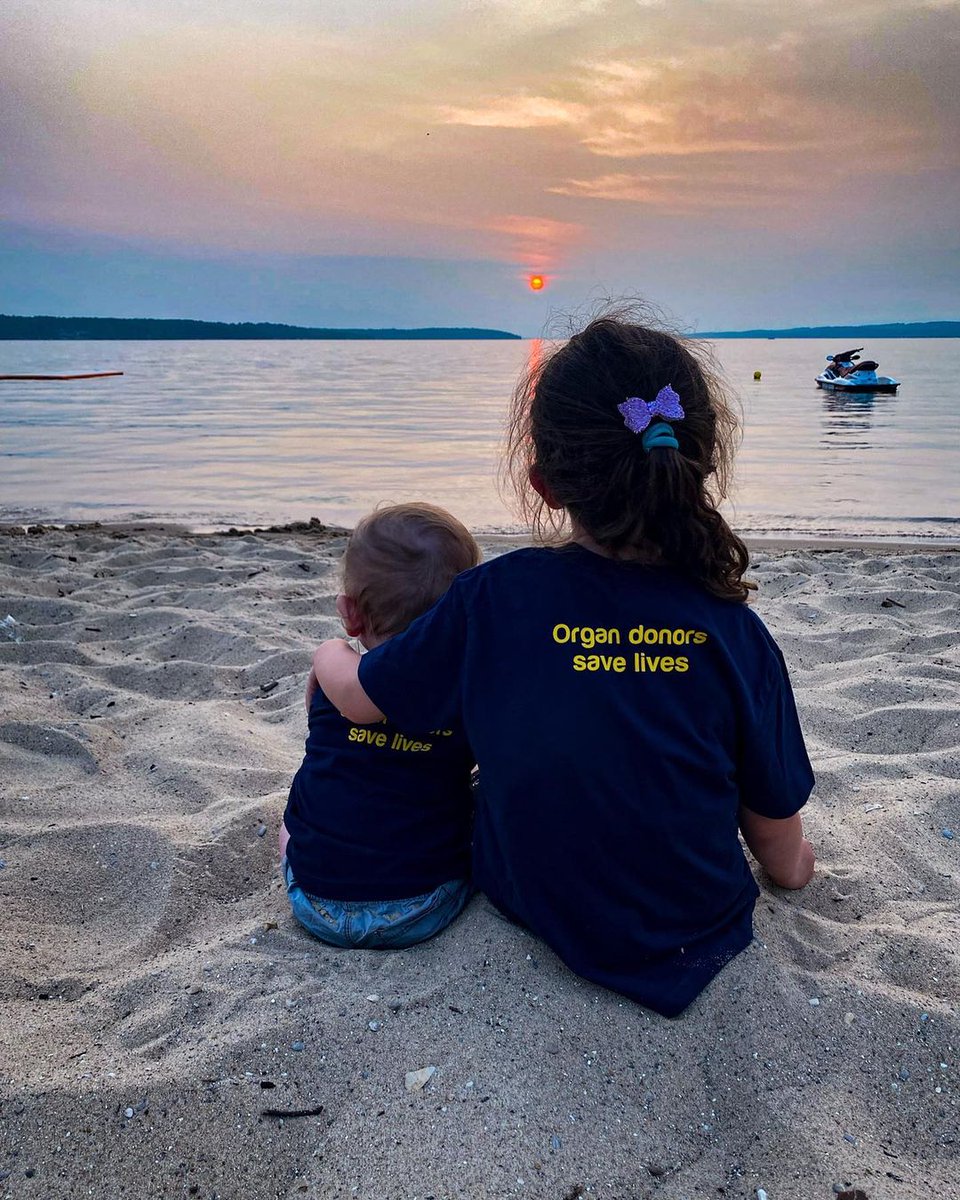
"The truth is, organ donors don't just save lives. They also give moments. Millions of moments we wouldn't have otherwise. Every smile. Every adventure. Every first. And every moment like this." #DonateLife
Register your decision to be an organ donor at https://t.co/sRvVc9nfgL
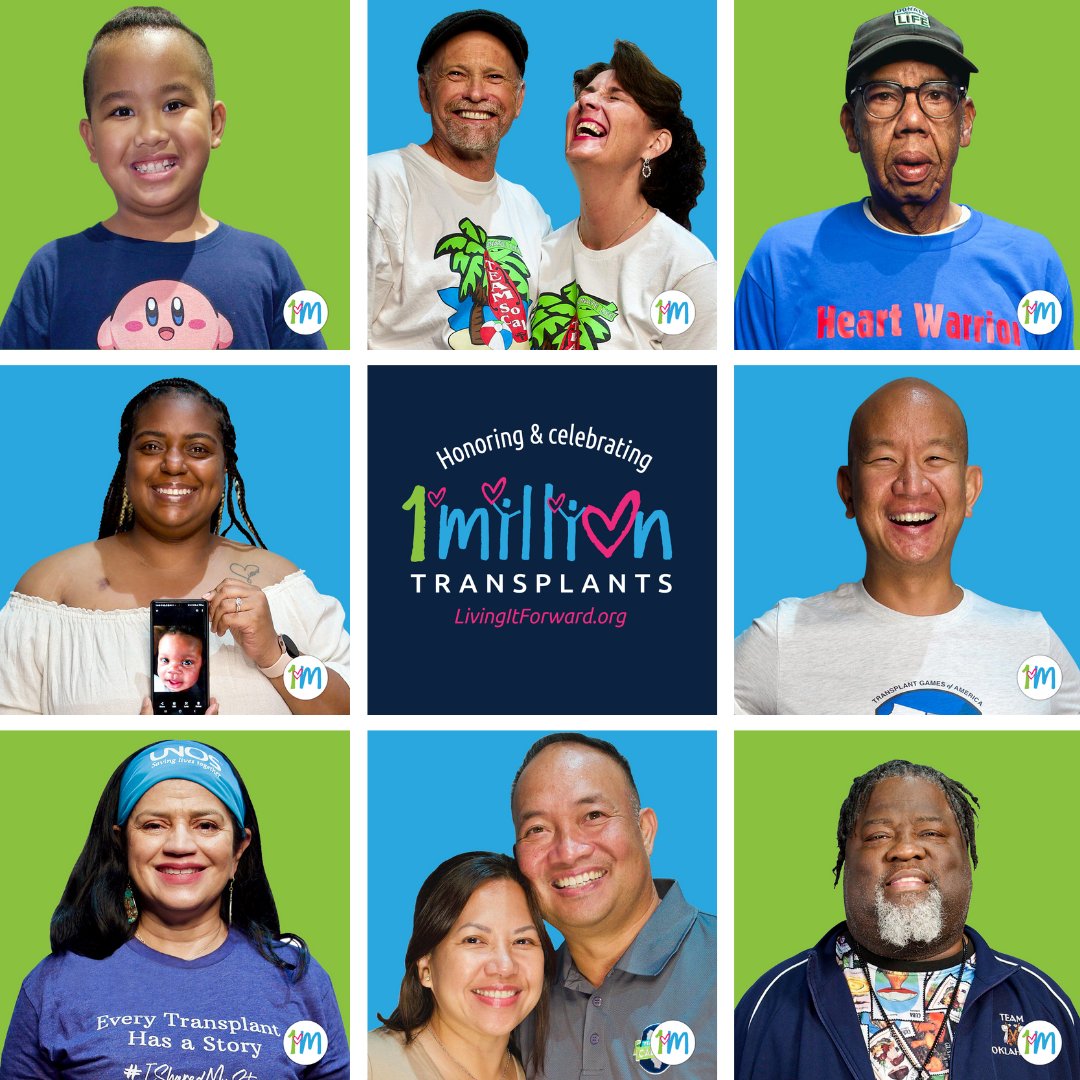
It’s official! The U.S. has reached an extraordinary milestone: 1 million organ transplants! Visit https://t.co/2qv3XPu4Ji and join us in honoring the gift of life and celebrating lives transformed. 💙💚🎉 #1MillionTransplants#LivingItForward#DonateLife
Today we made history. For the first time, the U.S. passed 40,000 lifesaving transplants in one year. Gracious donors, their courageous families, transplant professionals, OPOs and the entire community made this milestone possible. #DonateLife
Read more : https://t.co/YaSR3sdqUV
The new continuous distribution framework will transform the current organ allocation system and make it smarter and more flexible. Each organ type will work through the policy development process to build the new framework. #DonateLife#TransplantTwitter https://t.co/3BdWnMuuqC
In 2020, #organdonation from deceased donors saved more than 33,000 lives. Help honor these donors, donor families and #transplant professionals by writing a thank you note in the comments 💙💚. #DonateLife#TransplantTwitter
Learn more about the data: https://t.co/Smfa6abYGC