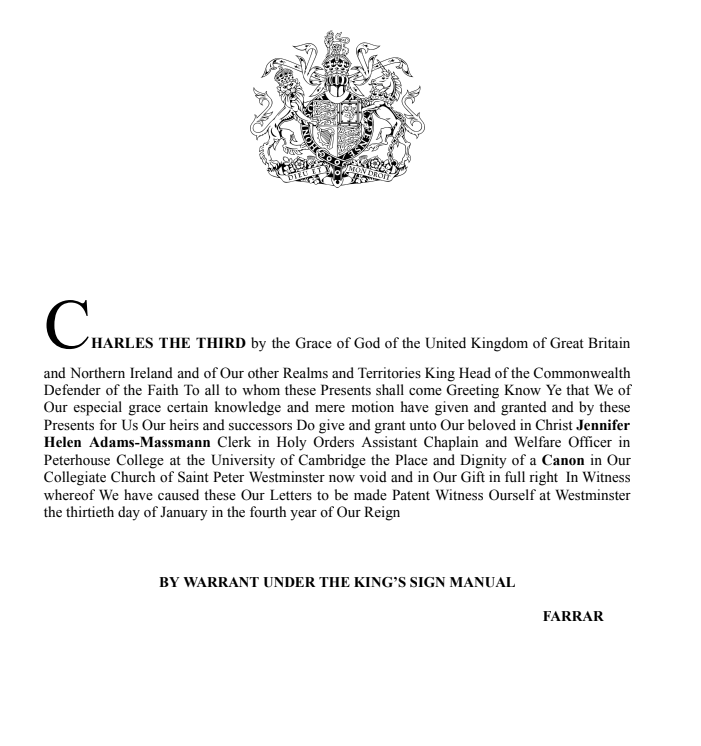
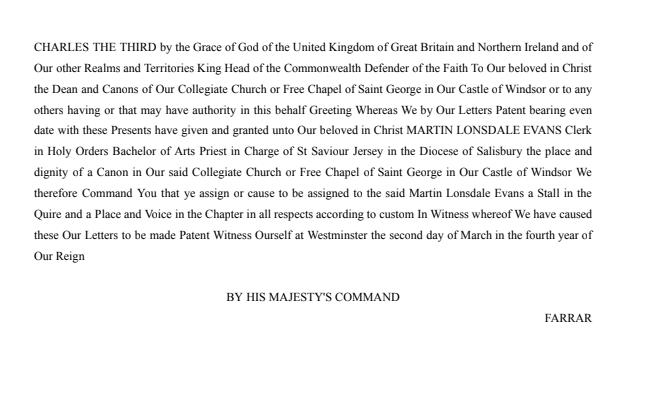
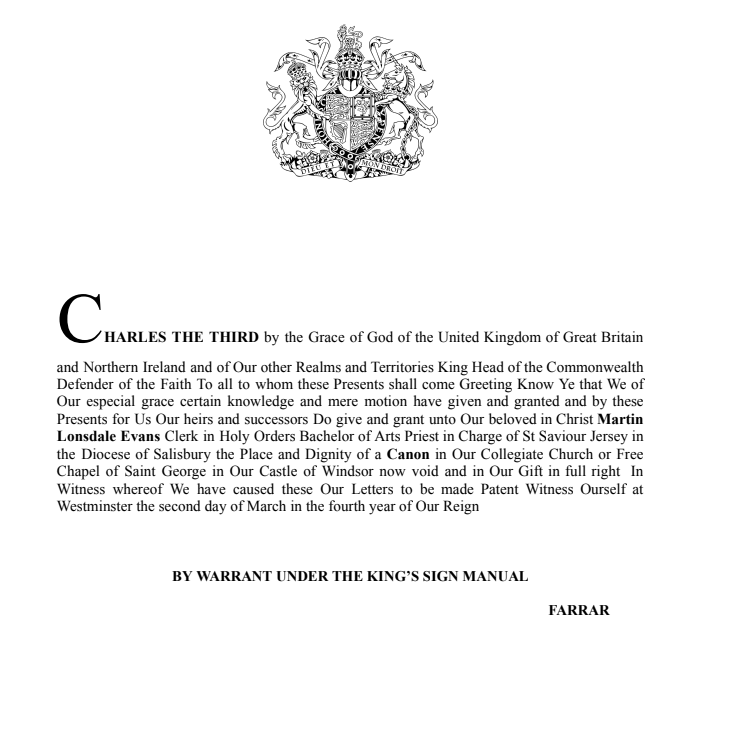
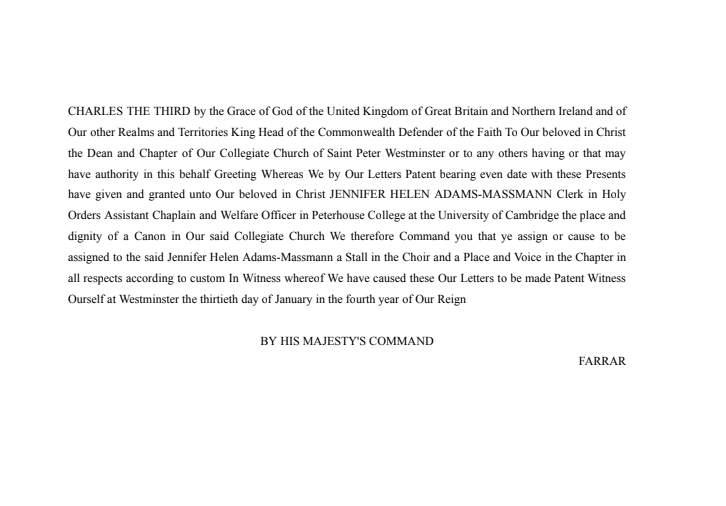
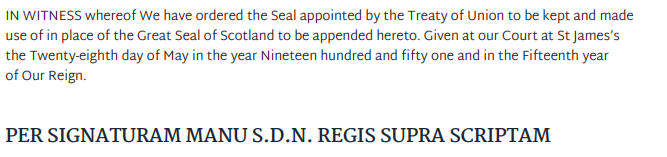
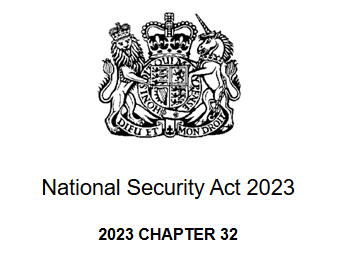
Appointing a Canon of Westminster or Windsor involves a Writ of Mandamus in addition to the Letters Patent. This use of the Writ may be unique to the Royal Peculiars. The Writ's eschatocol is unusual for an instrument which passes under the Great Seal. 1/2
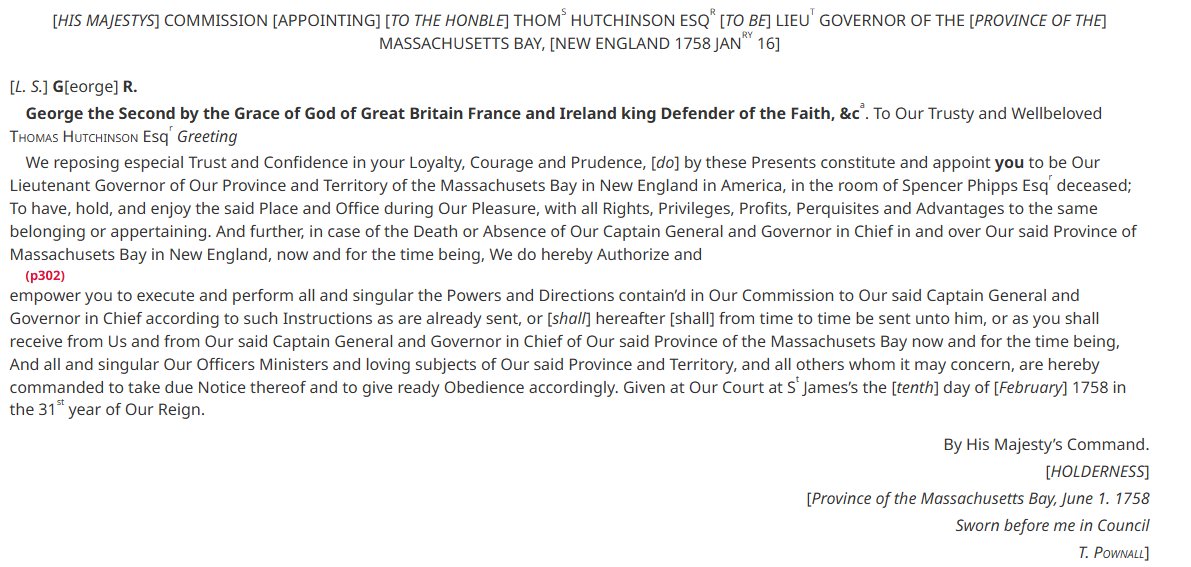
@mitch_mishyy Yes; most of those instruments are essentially variations on the Royal Warrant. Colonial governors' commissions used that eschatocol prior to the 19th century. It could appear in various types of instructions too, though you're right that this usage was eventually abandoned.
@MrSkinnerTweet@TopDeckCat If that was her formal title at Peterhouse, I don't think the Crown Office can be faulted for including it. Giving them free rein to edit titles seems like it could result in even more 'Peterhouse Colleges'!
@A2JCA4 Traditionally, the date at Westminster was the date the instrument was received by the Chancery, not the date of the signature. Today, that's often going to coincide with sealing in practice. 2/2
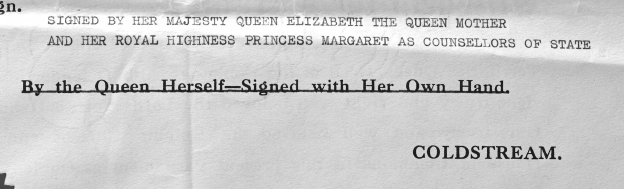
Today's Commission for Prorogation was apparently signed by the King even though he's currently in the US. If it had been signed by Counsellors of State, the eschatocol would have been completely different. It seems he hasn't delegated his powers for this trip.
@A2JCA4 Given modern technology, the Commission could have been signed and sealed on the same day. But I'm not aware of any firm evidence that the date on devolved LP is the date of the signature. I think it's more likely to follow Westminster practice. 1/2
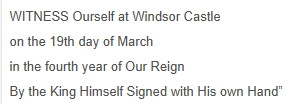
@A2JCA4 Yes; Letters Patent which pass under the seals of devolved administrations generally use a specific royal residence in their teste clauses as in this example from Northern Ireland.
@danielneljack For Westminster LP/Warrants, the distinction has to do with the act that makes them official. I'm not aware of a specific reason for devolved LP taking a different approach, though it's worth noting that Scottish LP have long featured a royal residence in their datum clauses.
@JEVSergeant@willpaddyg I don't know why they don't reprint it, though it's worth noting that the list of bills is prepared by the Public Bill Office while the submission is prepared by the Crown Office. Whipping out the red pen might be more efficient than asking the PBO to send over a revised list.
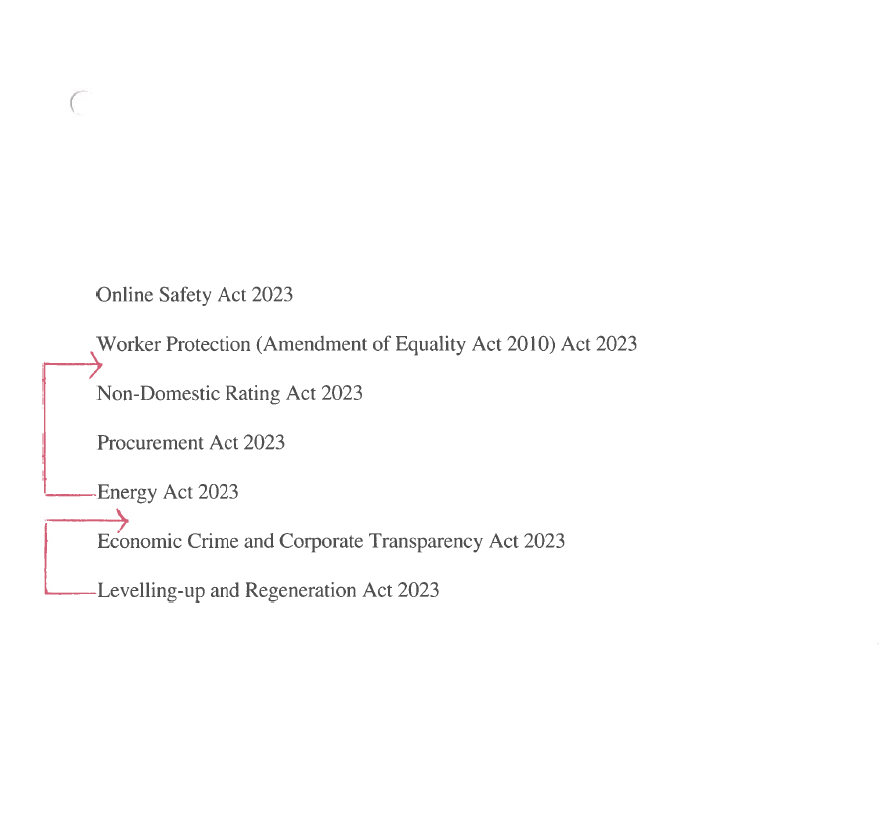
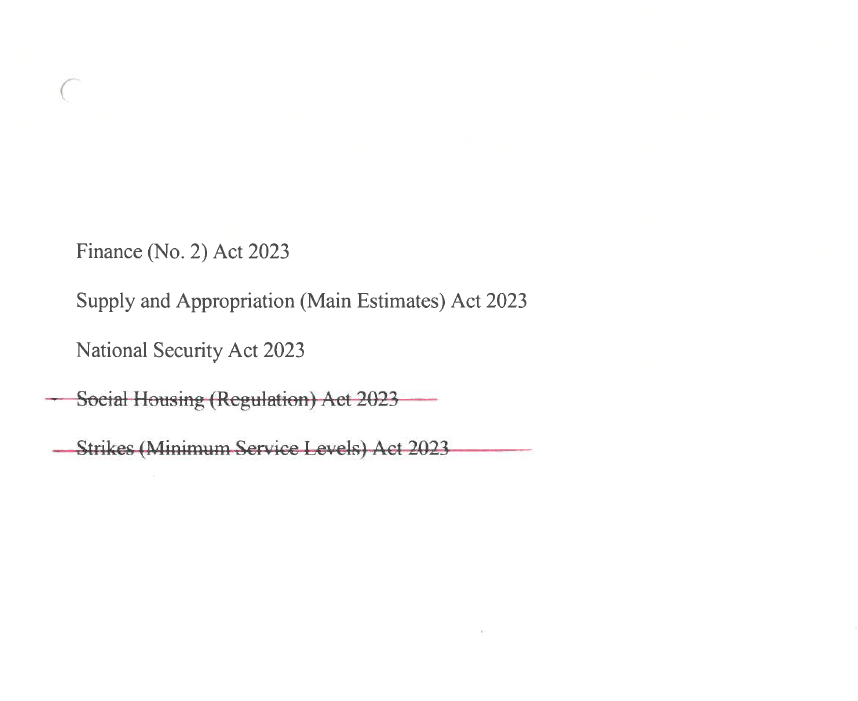
When Royal Assent is needed, the Lord Chancellor makes a submission to the Sovereign like this one. Note that the list of bills has been altered with red pen to change the ordering. I knew about these kinds of changes from Erskine May, but they're more common than I realized. 1/2
Of the 8 Royal Assent-related submissions I received from the MoJ, 5 of them have been emended. Reorderings are the most common type of alteration, but there are also instances of bills being struck out because they didn't pass in time. 2/2
@RoyalHistGeeks Yeah, almost everything they've done in the past can now be done by the King remotely. But I could see Counsellors of State continuing to hold PC meetings or receiving ambassadors' credentials since it could be hard for the King to do those things while traveling.