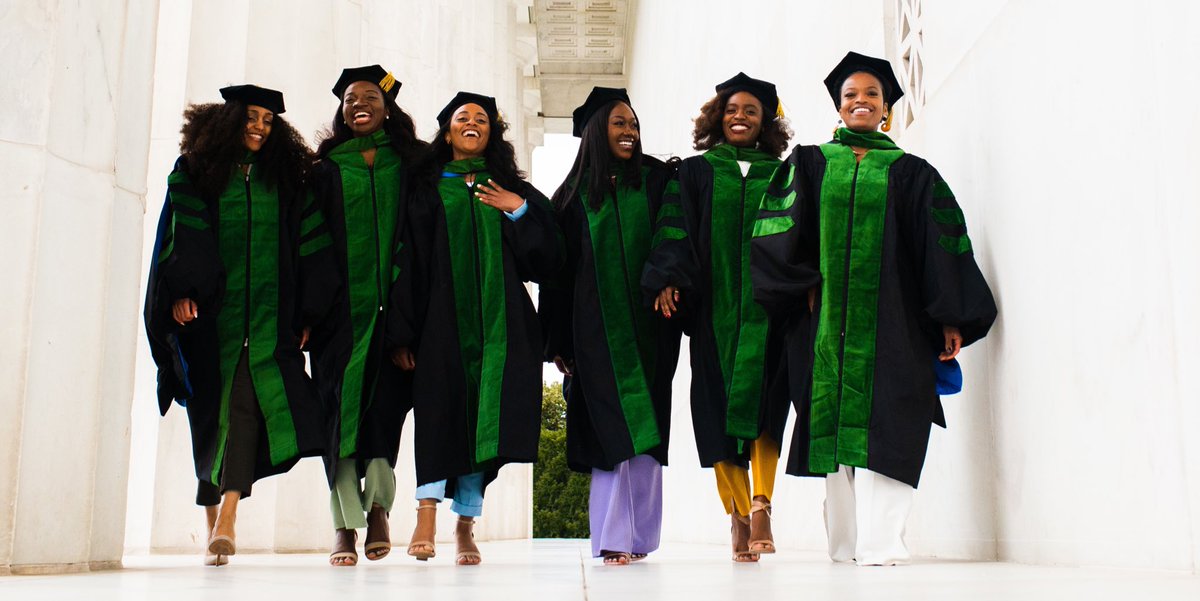
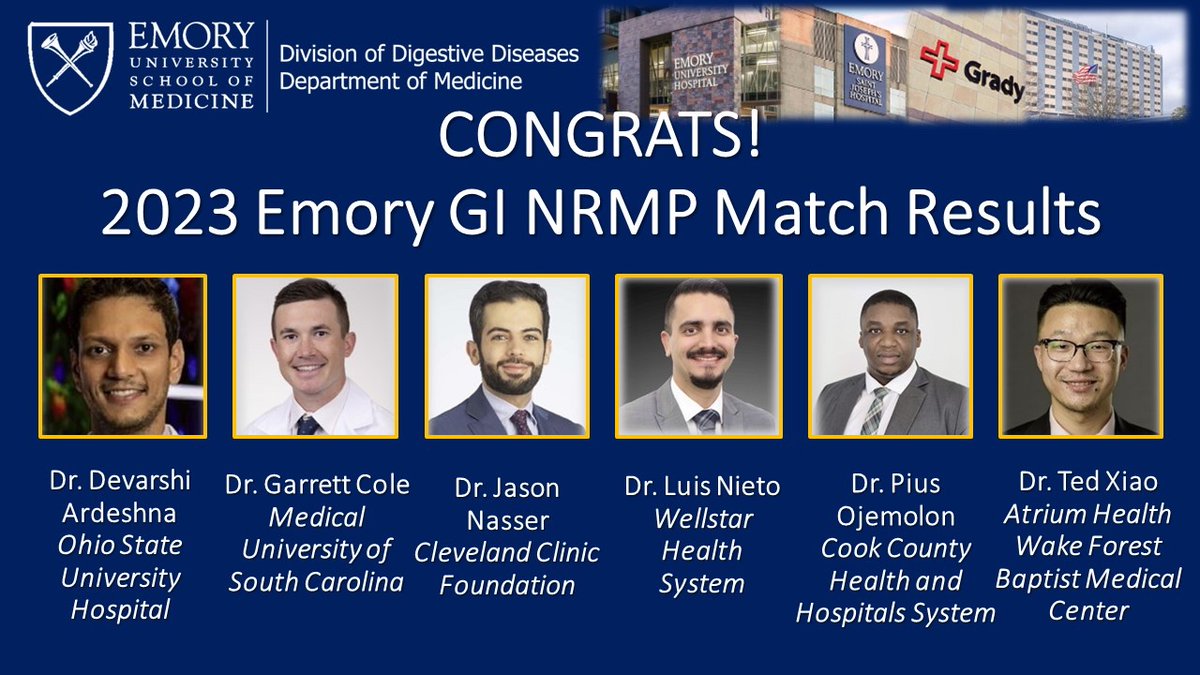
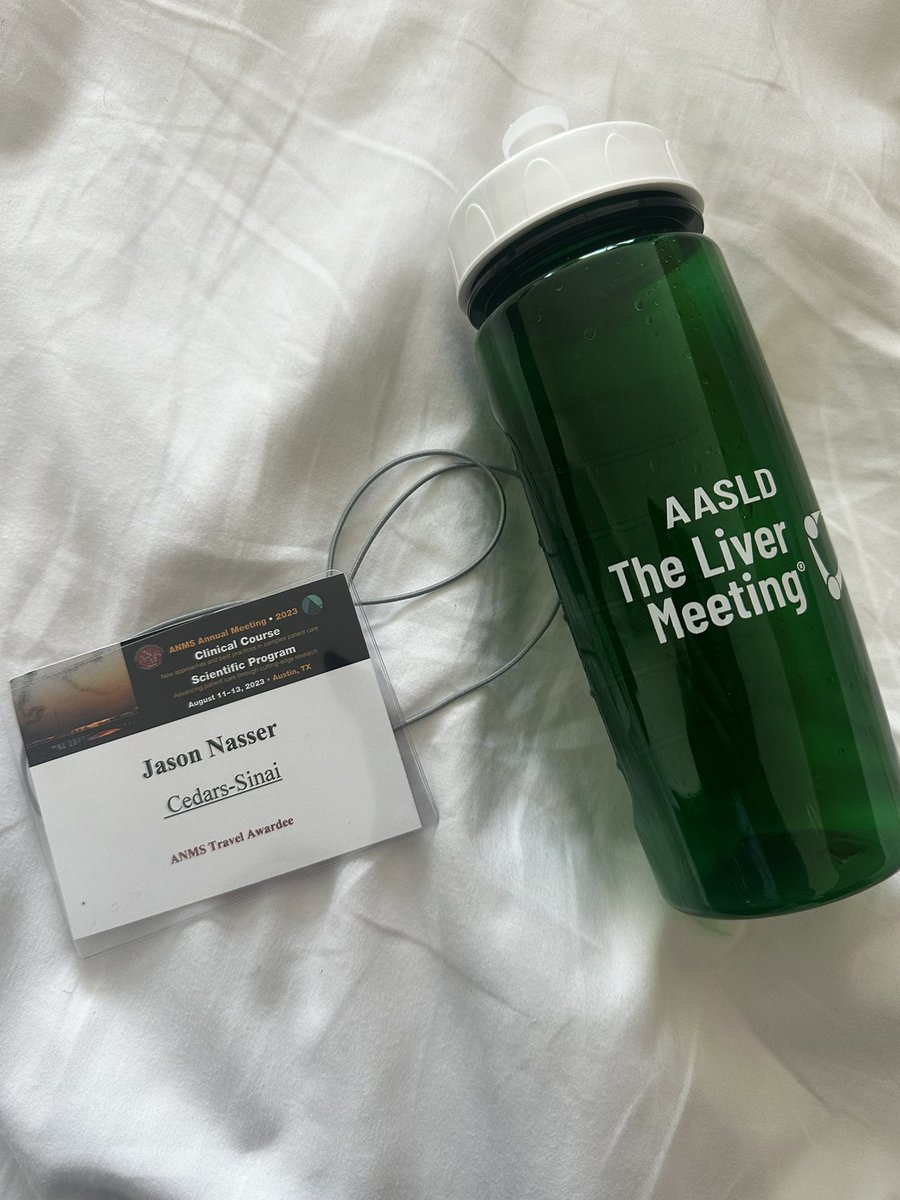
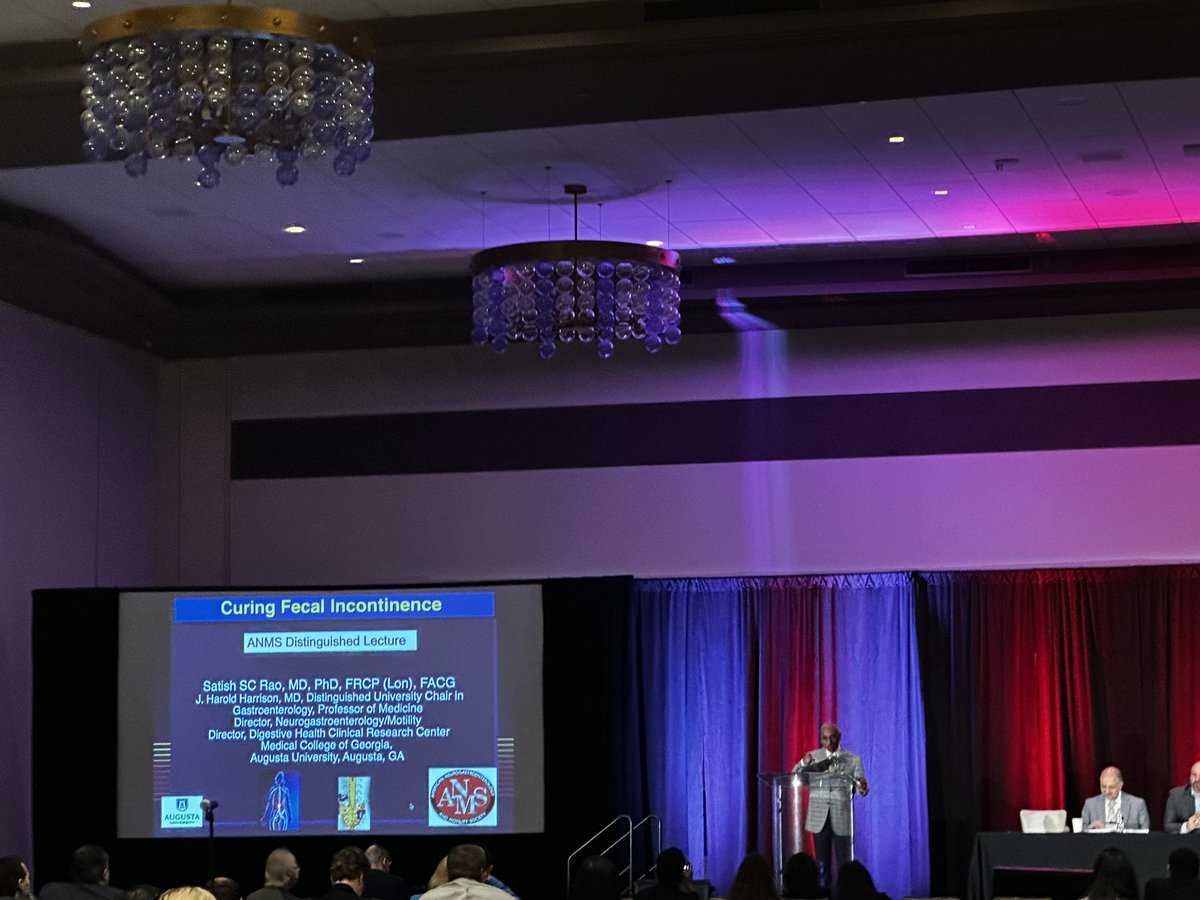
So excited to be joining the incredible team at @EmoryGastroHep for my GI fellowship!! 🙌🏼 Also filled with gratitude for my friends and mentors who supported me throughout this journey.
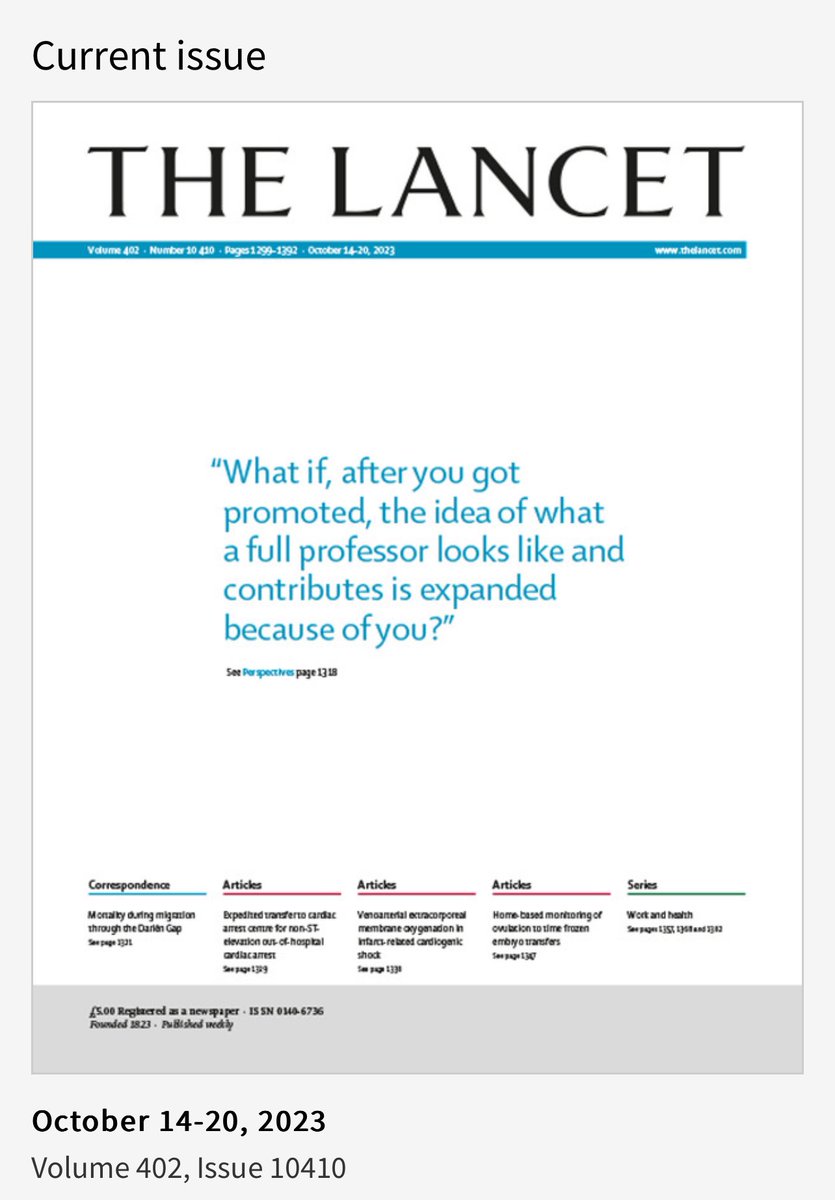
I woke up this morning and saw this on the front of @TheLancet. A quote from my manuscript. As the feature article. A narrative.
Whew.
Along with redefining what a professor looks like, it makes me happy to help expand what scholarship looks like, too.
Yeah.
#storiescount 💛
A HUGE win for #SIBO, #IMO and #SIFO patients.
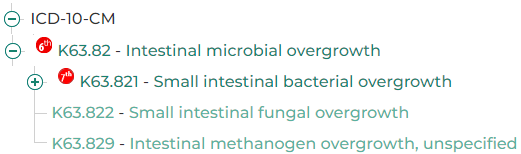
Our years of communications with WHO & CDC finally paid off and now we have dedicated ICD10 codes (The International Classification of Diseases) for intestinal microbial overgrowth and its subtypes.
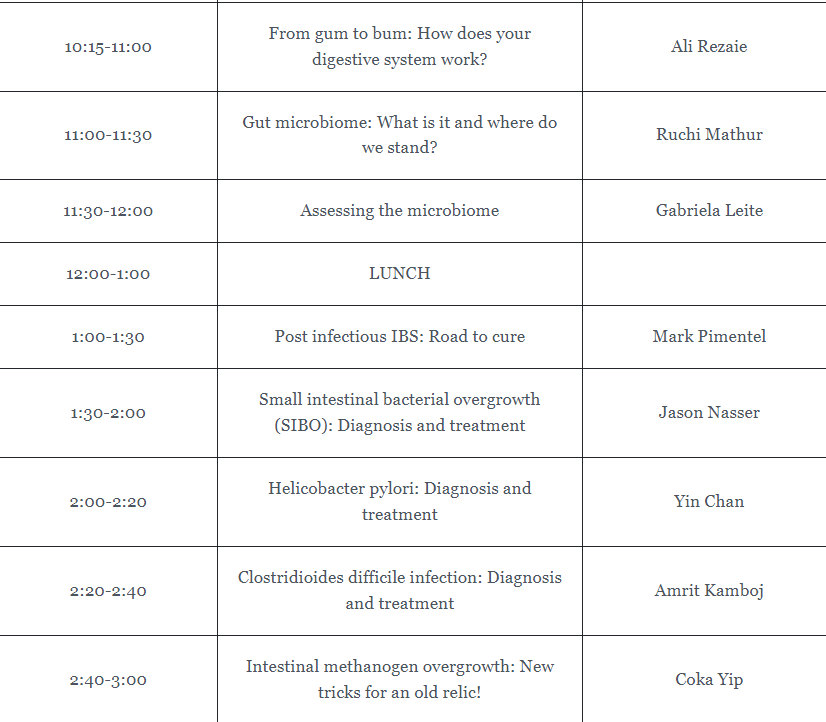
In collaboration with @iffgd, to raise awareness on gut #microbiome, we have organized a comprehensive patient education conference on Oct 7th.
In-person attendance is sold-out but all the presentations will be available for free after the conference: https://t.co/bywzKXsf6f
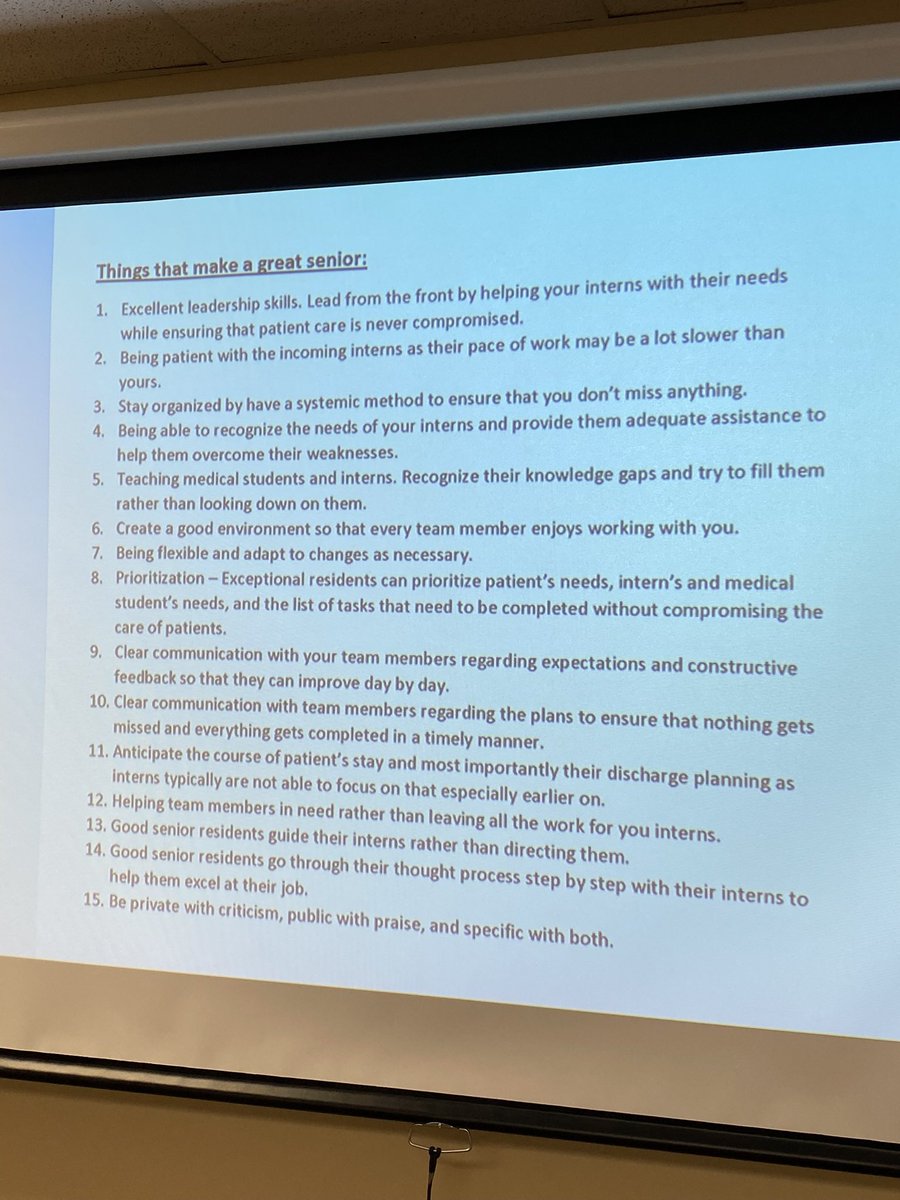
In preparation for the PGY2 transition, we asked PGY1s to reflect on what makes a good senior resident. Here’s what we got. What are your thoughts/additions #MedTwitter?
Our understanding of IBS-like sx in pts w/quiescent IBD continues to evolve! Check out our review article where we discusses potential overlapping syndromes/IBS mimickers that are important for GI docs to be aware of! These conditions won’t respond to conventional IBS therapies!
Rejection of your paper or grant has NO relevance to the opinion of #research community. It is nothing but the opinion of one person.
Several examples:
1. The first paper on graphene was rejected from Nature because “it did not constitute a sufficient scientific advance”. Later, it was awarded a Nobel prize.
2. The first manuscript showing the microbiome-brain connection was published after 7 submissions that took 3 years. Today, this field has exploded. I expect it will get a Nobel prize in the future.
3. Theodore Maiman tried to publish a paper describing the first operating laser in Physical Review Letters and… got a rejection!
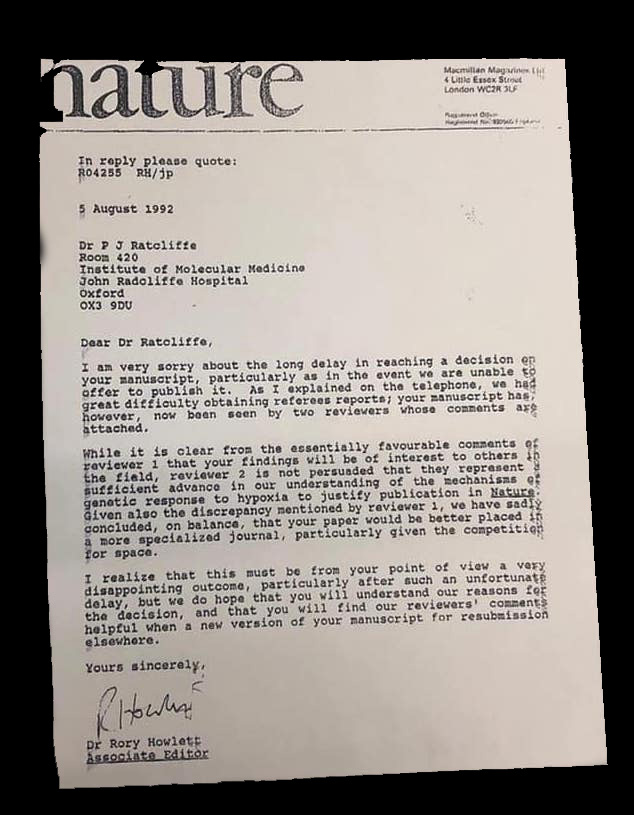
4. Peter Ratcliffe, who worked on cells’ response to changes in oxygen levels, got his key paper rejected from Nature (see photo). Later, he was awarded a Nobel Prize for this work.
And there are many other examples…
.
And yet I see so many young scientists stressing about rejections. For some reason, they seem to genuinely expect that the editors should know which study is truly worth it.
As a result, many rejections are met with surprise and disbelief:
“How could they reject it? They publish so much trash, and yet they think our detailed 3-year-long study is not interesting to the community! WHY?”
.
Well, the reality is:
- Most editors have very little time to delve into your study. They can easily FAIL to recognize the potential impact of your study. Proper communication in the cover letter and clear writing style can help (although only to a limited degree).
- Many reviewers have little idea about the science in your paper. But they can have a big ego. So, if they have a bad day or were rejected recently, it’s easy for them to find 1000 technical reasons to reject your paper as well.
- Most scientists genuinely don’t know if your discovery can make any impact. If we could predict the course of science, we would be living very differently!
My message is simple:
Forget about objectivity. Academia is a very subjective world. Fight for objectivity but don’t take it for granted.
A great study will be found, cited and recognized. Disregard of where it’s published.
A bad study requires a high-impact journal to be found and cited. But the long-time recognition might be a problem.
High-IF journals are simply billboards. Their rejections do NOT represent the opinion of a scientific community.
You can get rejected but don’t reject yourself!
Believe in your results.
#AcademicTwitter #AcademicChatter
It was absolute honor to be able to perform a dance with our @SLUCards division director and a great mentor @KishoreHarjai at my Cardiology Fellowship Graduation! #ACCFIT#NaatuNaatu
Say her name. Share her story. Advocate for interns, residents, and fellows in the medical training system.
Nakita’s life matters. Intern lives matter. Doctors' lives matter. Black women's lives matter. #sayhername#residentwellness#MentalHealthAwareness (5/x)
This is my dear friend, Nakita.
Nakita and I were medical school classmates and both interns in New York City. Nakita tragically took her own life on May 26.
She is such a beautiful soul. She was so fun to be around. She was intelligent, charismatic, and confident. (1/x)
VideoGIE on the blog: "Transjejunal ERCP, EUS-guided gallbladder drainage, and cholecystoscopy with direct electrohydraulic lithotripsy with large gallstone removal in Roux-en-Y anatomy" by Arjun Chatterjee https://t.co/zokuUJQoZ3
@Chatterjee_MD@JasonNasserMD@ChahalPrabhleen
✅ Residency bucket list
After a fantastic IMRP Scholarly Day conference, it was incredible to have the opportunity to present at the @ClevelandClinic Medicine Grand Rounds! Especially in speaking about a topic that bridged my primary care clinic and my interest in GI 🙇🏻♂️