PhD student at University of Illinois, Urbana-Champaign. Interested in fluvial processes, river morphodynamics, river restoration, and nature in general. 🌊🌏
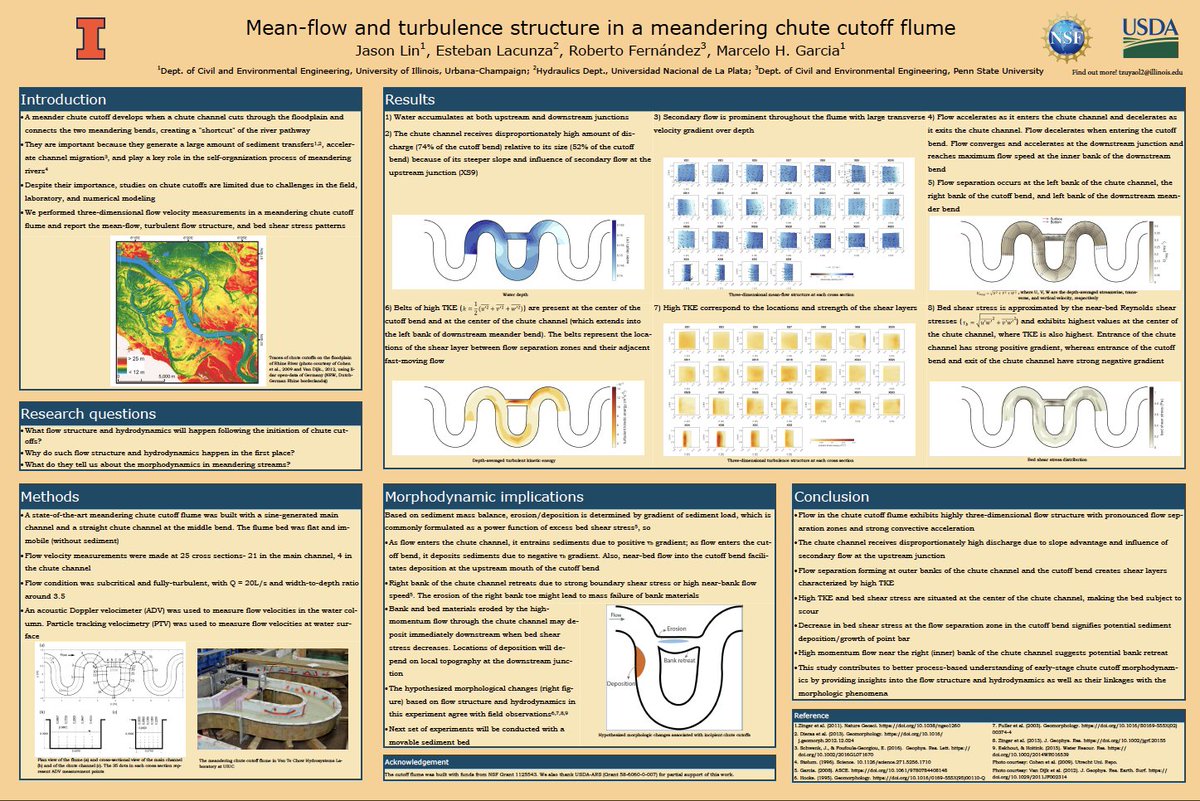
Excited to share our new paper on the hydrodynamics of incipient meander chute cutoffs. The lab work reveals detailed flow structure and discusses implications for morphodynamics and 2D numerical modeling.
https://t.co/TRhwwkVU2h
Thanks @IceMeanders for the high quality data!
Celebrating Women in Engineering Day! 🌟 A special shoutout to all my incredible women colleagues, professors, mentors and mentees. Your brilliance and dedication are reshaping the field and inspiring all of us! #WomenInEngineering
Discover the hidden secrets of river ecosystems with @PNNLab! From oxygen exchange to aquatic plant dynamics, learn how rivers breathe and sustain life. Dive into the article here: https://t.co/XnZDw97lFN #PNNLRCSFA
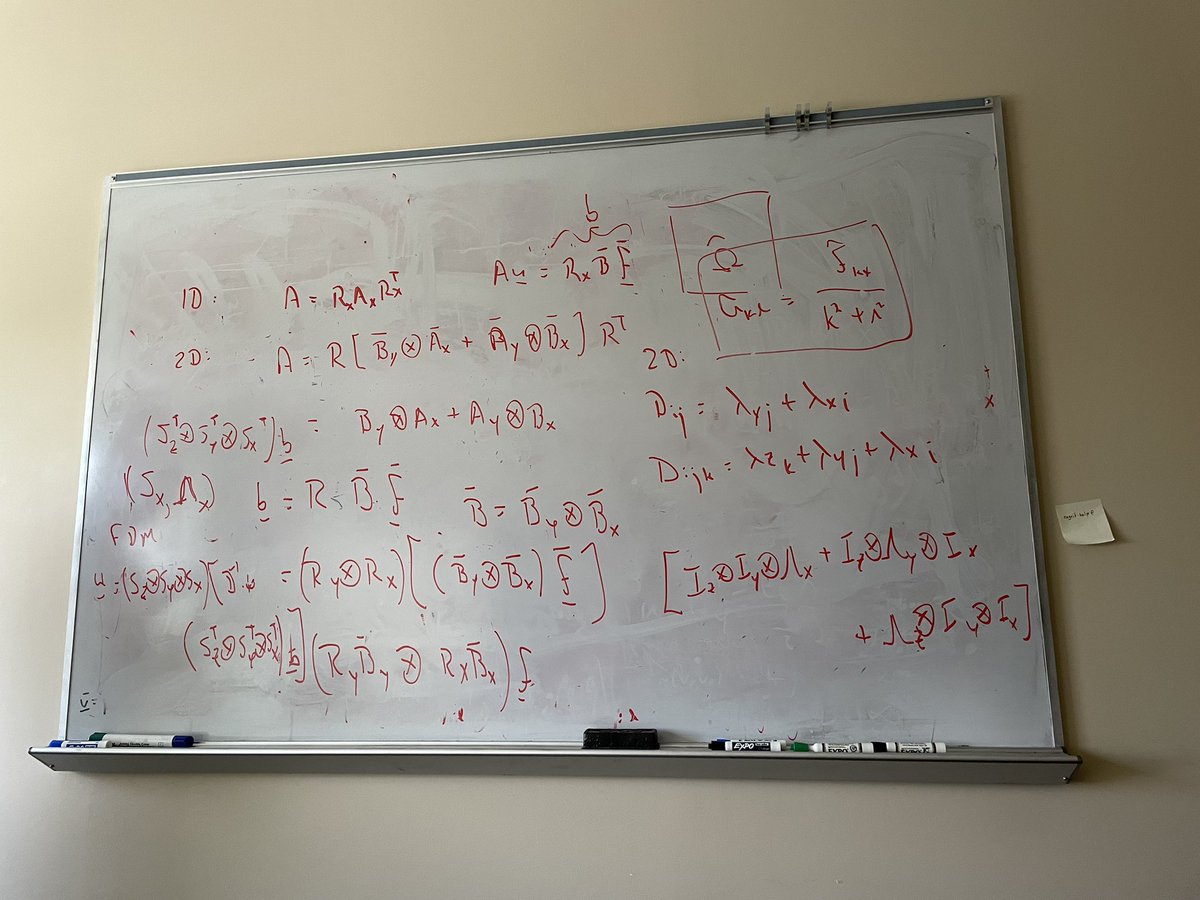
I’m keep realizing a modern CFD classroom is same as a modern/contemporary art museum. It’s beautiful though you don’t understand. It’s even more beautiful once you begin understanding. However, here understanding doesn’t mean you understand all. (Probably never)
A short summary about how to help your PhD students grow into greater leaders in the future.
These are key points that I personally find most important:
1. Inspire them to lead their project. They should take ownership of their work.
2. Discourage them from seeing failures as disasters. Explain that experiencing failures is a must for personal development and learning.
3. Discourage excessive perfectionism. Teach them how to be efficient.
4. Inspire students to become a better version of their advisor. Not a copy.
5. Strongly encourage them to give as many talks as possible, at seminars, conferences and any local events. Well-developed communication skills are paramount for their future.
6. Let them lead the collaborations that you initially organized for their project. If there’s none, consider introducing collaborations into their projects.
7. Discuss advanced academic stuff openly (grants, budgets, tenure, etc). Help them understand how academic world works. If needed, organize special group meetings to discuss a career in academia and beyond.
8. Train them how to see the “big picture” (instead of always focusing on details of their work).
9. Diversify their skills and knowledge by giving access to more facilities and connecting with experts.
10. Emphasize the importance of programming (e.g. Python) for data processing and analysis. It can significantly broaden their career opportunities.
11. Urge them to attend conferences and workshops regularly (1-3 per year). Help them develop networking skills.
12. Encourage them to ask questions at talks and initiate discussions with speakers whenever possible.
13. Ask for feedback on your approaches and overall environment. Your students will become greater leaders if they know that getting such feedback is normal and helpful.
14. Ensure that students listen to each other. They should feel comfortable asking each other for help and advice. They should not get used to solving problems solely on their own.
15. Force them to prioritize lab safety over anything else.
16. Ensure their project does not require overworking. If they prefer to spend their free time on science, it’s fine. But it shouldn’t be necessary. If their project is too complex and time-consuming, help them make new collaborations that will facilitate the progress without sacrificing personal time.
17. Finally, don’t make them feel uncomfortable about having their personal lives. Let them manage their work time themselves! When to come and leave the lab, when to take vacation and how long it should be. Trust their judgement.
There are many more components of a successful and meaningful PhD. But even if PI start following these simple guidelines, it will make a huge difference for academia.
(If you’ve “scored” > 10 out of 17, this is amazing! Most likely, your students are happy with the way things go and are grateful for your efforts.)
#AcademicTwitter #education #phdlife
The problem is not people being uneducated.
The problem is that people are educated just enough to believe what they have been taught, and not educated enough to question anything from what they have been taught. 🧠