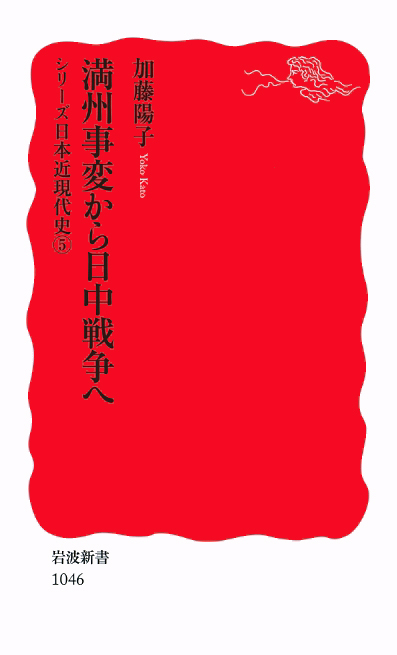
This remains, to my mind, one of the best account of the tumultuous period from the Manchurian incident to the outbreak of the China incident in 1937.
This book deserves a translation.
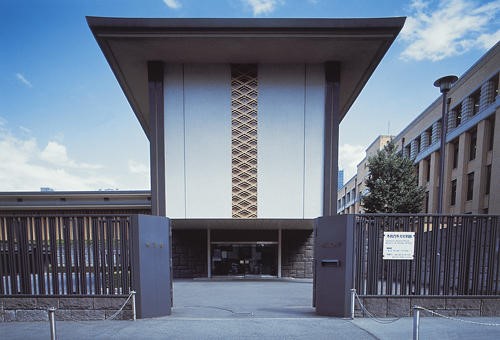
This is an insightful read, a long form reflection on different approaches to colonial buildings from the Japanese imperial era in both Seoul and Taipei. One living, one buried.
A new low in academic publishing? An article accepted for publication in The Manchester School now has a required authors agreement from @wileypublishing to hand over all rights for use by AI companies! Authors please read your agreements carefully to prevent such appropriation!
Interesting connection. Fukuyama’s grandfather was a close friend of Kawakami Hajime, preeminent Japanese Marxist at Kyoto Imperial University. Goes to the point that the End of History had a much more global and capacious intellectual lineage than Kojeve’s reading of Hegel.
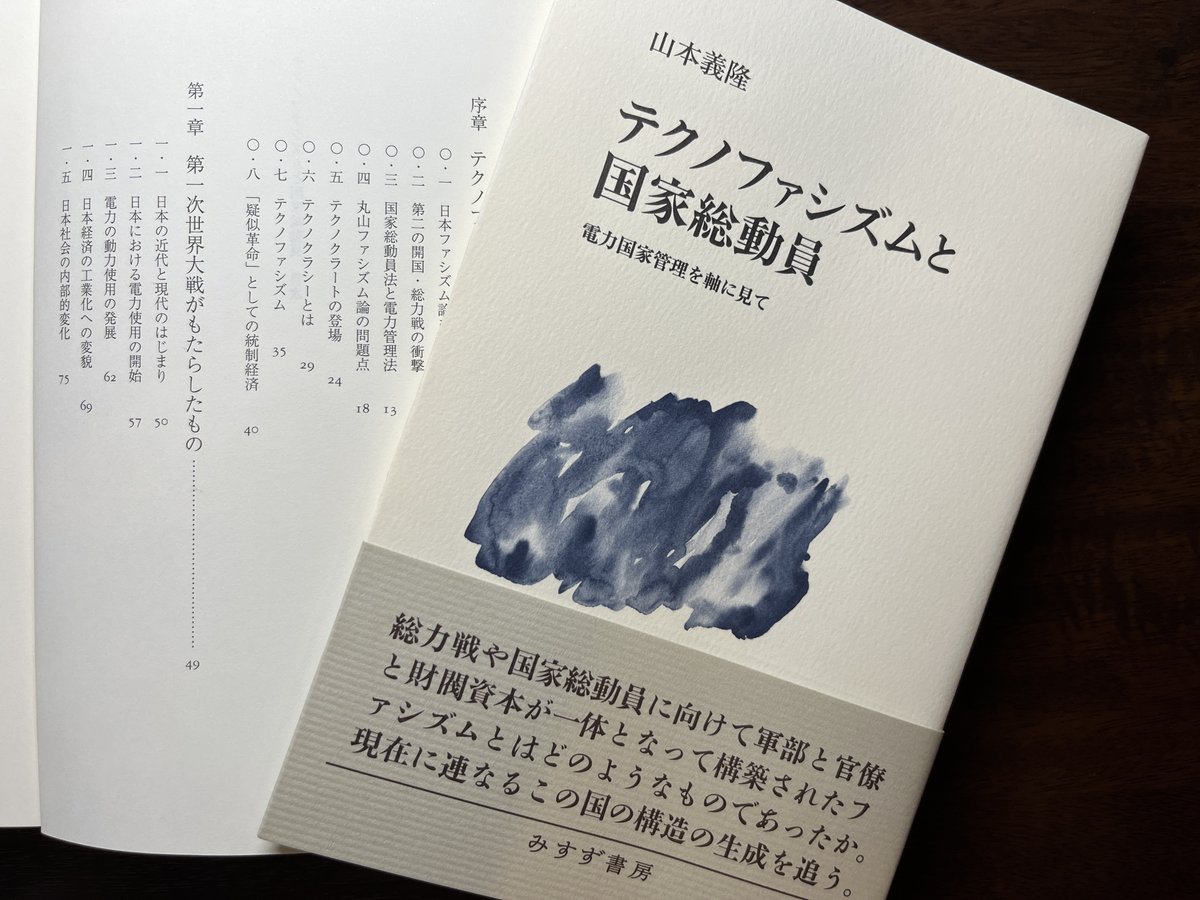
Two excellent works on Imperial Japanese Army. The first focuses on Nagata Tetsuzan, one of the most brilliant officers of his generation and key thinker on army modernization and total war. The second on the relationship of IJA to Japanese party rule and constitutional politics.
Excited to see Dazai Osamu's unfinished 1939 novella Hinotori translated into English by New Directions. Set in prewar Tokyo a woman wakes after a one night stand to find her lover, an anarchist and wanted criminal, dead. Nothing is ever the same again.
https://t.co/bIJt4KJM8n