Yo cuando abra el Black Ops 2 y lo cierre en la segunda partida porque me haya dado cuenta de que no echo de menos jugar a Call of Duty, sino ser un niño feliz sin preocupaciones, y que ya nada volverá a ser como antes.
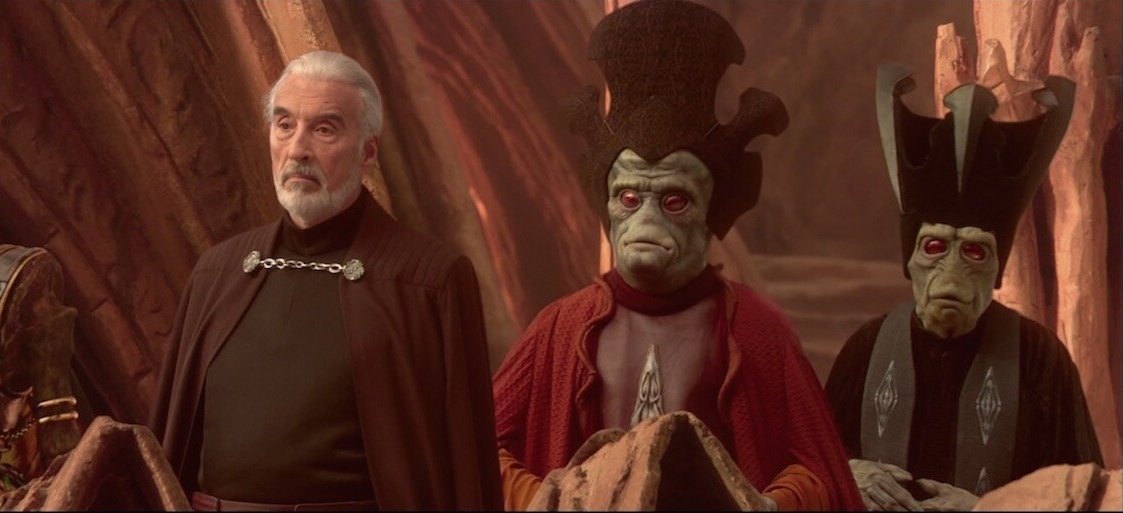
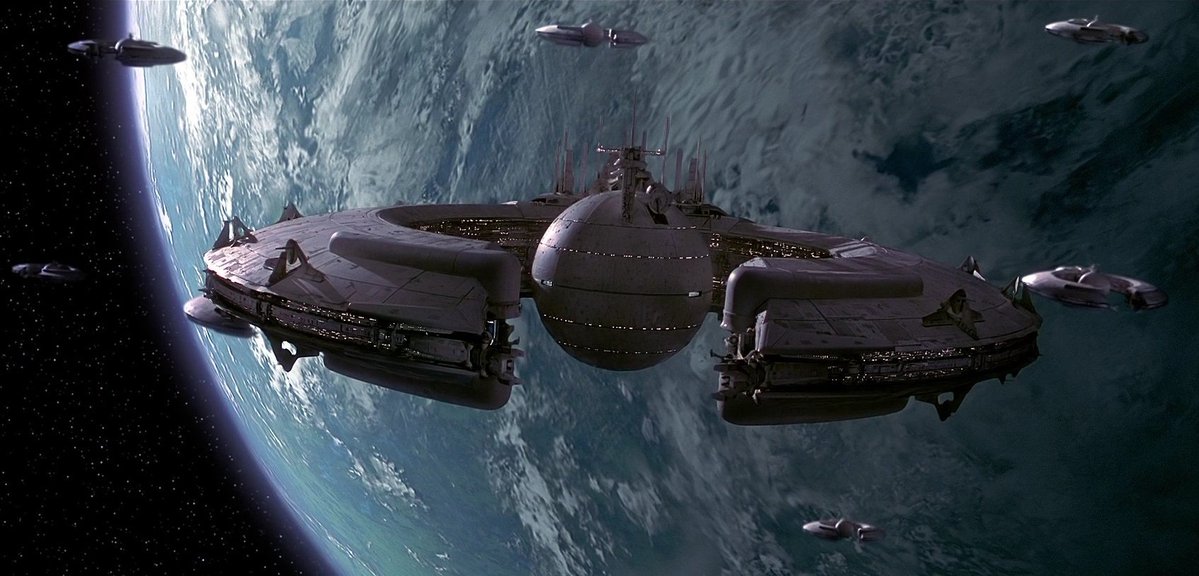
Hay que pedirle disculpas a George Lucas; cuando sacó Episodio 1 nos quejabamos de que "bloquear rutas comerciales" era un argumento pobrísimo para un conflicto de Star Wars.
Aquí estamos, pleno 2026, discutiendo por bloqueos de rutas comerciales.
Two psychologists at Yale once handed people a pencil and a sheet of graph paper. Plot these dots, they said. Some people plotted dots close together, others far apart. When they finished, the people who drew far-apart dots reported feeling less emotionally connected to their own families and hometowns. From drawing dots on paper.
That 2008 study by Williams and Bargh stayed with me. The implication is heavy: the part of your brain that tracks physical space and the part that tracks emotional closeness are, at some level, the same system. A team at Dartmouth confirmed this in 2014 using brain imaging. They trained an algorithm to recognize “near vs. far” from brain activity when people looked at objects at different distances, then tested whether the same pattern showed up when people thought about close friends vs. distant acquaintances. Same region lit up. The right inferior parietal lobule, a small area near the back of your head that keeps track of where things are in space, also keeps track of where people sit in your life.
Anthropologist Edward Hall figured out the behavioral side in 1966. He mapped four invisible bubbles around every person: intimate (under 18 inches, reserved for partners and kids), personal (18 inches to 4 feet, close friends), social (4 to 10 feet, coworkers), and public (beyond 10 feet, strangers). These zones are hardwired into your biology. A 2021 study in Scientific Reports measured how much people’s palms sweated as a stranger walked toward them at varying distances. Sweat response climbed with every step closer, and the spike matched each person’s own comfort boundary.
I think about this every time a director places a physical barrier between two characters. That pillar between Gatsby and Daisy in Luhrmann’s 2013 film puts them in separate spatial zones while they stand a few feet apart. It works before you’ve caught a word of dialogue, because your brain reads the barrier the same way it reads emotional distance. Wes Anderson does something similar in The Royal Tenenbaums, where Margot always stands at the back of every group shot, off to one side. Coppola closes The Godfather with Kay watching Michael from the far end of a hallway before the door shuts between them. No one says the marriage is over. The blocking already told you.
The Yale dot study sticks with me because it strips the whole mechanism down to nothing. There are no actors or music or sets involved, just two dots on a grid. And even that tiny shift in spatial distance changed how people felt about the humans they love most. Directors have been building their shots around this for decades, long before anyone put a person in a brain scanner to prove why it works.
Creó una web sin ánimo de lucro para que la gente compartiera películas en su mayoría clásicas, descatalogadas, raras o difíciles de encontrar. No tenía anuncios, suscripción ni otra forma de beneficio económico, su fin era difundir la cultura
Le piden 2 años y medio y 870.000€