AI access does not create an AI-enabled operation.
A useful system needs shared context, reusable examples, connected tools and review.
Without them, everyone builds a private workflow. The business gets AI activity, but no shared capability.
Making AI useful takes design.
An AI subscription is not an AI strategy.
Without a mapped process, teams build disconnected prompts and habits.
The result is experimentation, not shared capability.
Map the work first. Find where AI can assist. Give the team shared context.
AI should fit the workflow.
Disconnected software creates operational gaps.
A CRM captures the sale. Delivery tracks the work.
When context gets lost between them, promises get lost too.
AI should create a reviewed handover, not replace the team.
Where does context disappear in your operation?
Use Claude to write social content? Things have changed.
AI is becoming easier for machines to detect, while people already notice generic, over-polished writing.
It may not just be em dashes giving your posts away anymore.
Use AI for speed. Keep the thinking human.
An agent can do a bad job without being a bad agent.
Give it examples. Review failures. Improve its skill files. Run it again.
Over time it learns what good looks like. Teach the task properly and a cheaper model can often handle it.
The model matters. So does the teaching.
The smartest model isn’t always the best agent.
We improved an agent through real examples, failure reviews, better tools and feedback loops.
Now the cheaper 5.6 Luna performs roughly 100x better on a specific task Fable 5 struggled with.
The system around the model matters.
Most businesses don’t have a tool problem. They have a handoff problem.
A lead lives in one place. Scope in another. Delivery elsewhere.
Then a client asks for an update and the team reconstructs the story.
Build tools that fix that and problems go down exponentially!
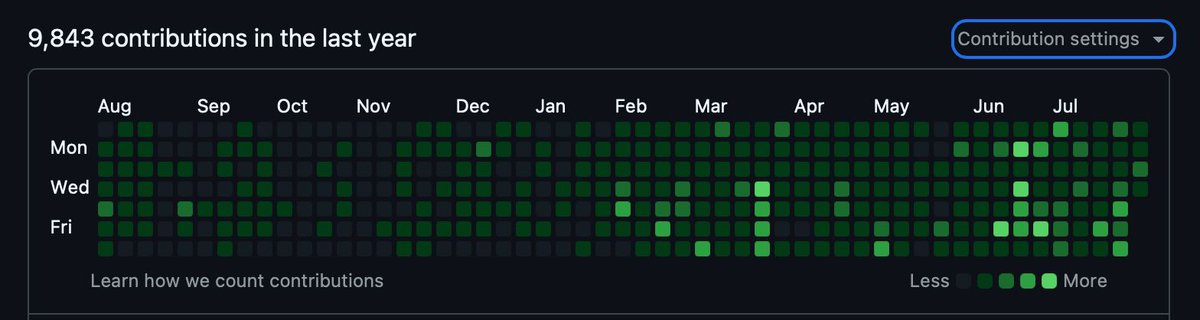
In the last 30 days, 270 PRs landed in Atlas. A lot of the work is unglamorous: bugs, permissions, tests, stale data and integrations failing in odd ways. The biggest change is feedback speed. I can spot a problem, scope it, build it, test it and repair often in the same day.
That Works is actually going crazy. I have to pinch myself every day at the moment. The last 2 weeks we've moved our new platform we've spent months building into beta and our staff have begun shipping with it.
Our sales calls have become one call closes as soon as I share my screen and their jaws drop when I show them what we can do. We've had to move to a 8 week waitlist.
We've just hired our 3rd AI developer to come on and help ship these products even faster. We're starting to look more and more like a saas company every day.
Our team are getting so excited they're shipping updates all through the weekend glued to their laptops.
Everybody here using it are surprising us with what they've been able to create with the new tools and workflows they've been given.
What makes it special is all the features that allow humans to use AI to finesse work to agency-grade and collaborate with clients in the workflow.
We want to launch this as a product that you can buy and operate in your own brand. But until then, book a call. 🤫
Four months ago we started rebuilding That Works from the inside out.
Not because something was broken. We're growing the fastest we ever have.
But because we've got a real shot right now to lead the market.
It all comes down to AI and how It's forcing agencies to be better.
If your clients don't automatically see the economical benefits of AI, and instead you deliver the same stuff faster, charge the same price and pocket the difference you're in a world of trouble.
So we rebuilt the entire company around that one principle.
Strip it all back and an agency is just a collection of talented people whose time you sell. That's it. What clients are really paying for is time.
And AI is transforming what an hour of that time is worth. Used properly, it doesn't just make the work faster. It makes the work better. Deeper customer research, smarter test hypotheses, faster builds.
So we made time the only deliverable.
You get a world class, multi-discipline ecommerce team on tap. No fixed number of tests or pages. Complete flexibility on where the time goes. And every gain in speed and quality flows straight to you.
When AI squeezes how long it takes a human to do something, that time doesn't disappear into our margin. Your saved time goes into the next big idea.
Same team, same track record. You just get more and more out of every hour.
Our job becomes simple: have the best people on the team, empower them, and build the right tools around them.
Which brings me to the thing I'm most excited about.
For the last few months we've been building an ecommerce AI business intelligence platform. It plugs into a brand's entire marketing stack, every data source they run, and uses AI to spot trends and build hypotheses. Not a AI slop wrapper spun up in a weekend. A production grade tool for clients and staff with literally hundreds of hours of R&D behind it.
We just celebrated 8 years of that works and our pipeline has never been so full. and we've had to move to a waitlist. 🤯
Everything is falling into place.
We've got a real shot to lead the market. And I mean it. 🙌
So the people waiting months to try this? They'll be competing against those of us who started now — with AI assistants that already understand how we think.
This isn't about having access to AI.
It's about integrating it into your life before everyone else does.
5/5
I hired an employee who works 24/7.
Not offshore. Not a VA. An AI.
His name is Henry. He runs on Clawdbot (now MoltBot).
Here's the thing most people don't realise:
1/5
The AI models powering this? Available to everyone.
The difference? How you use them.
And here's what most people miss: it learns.
Every day it knows me better. Every interaction makes it smarter.
4/5
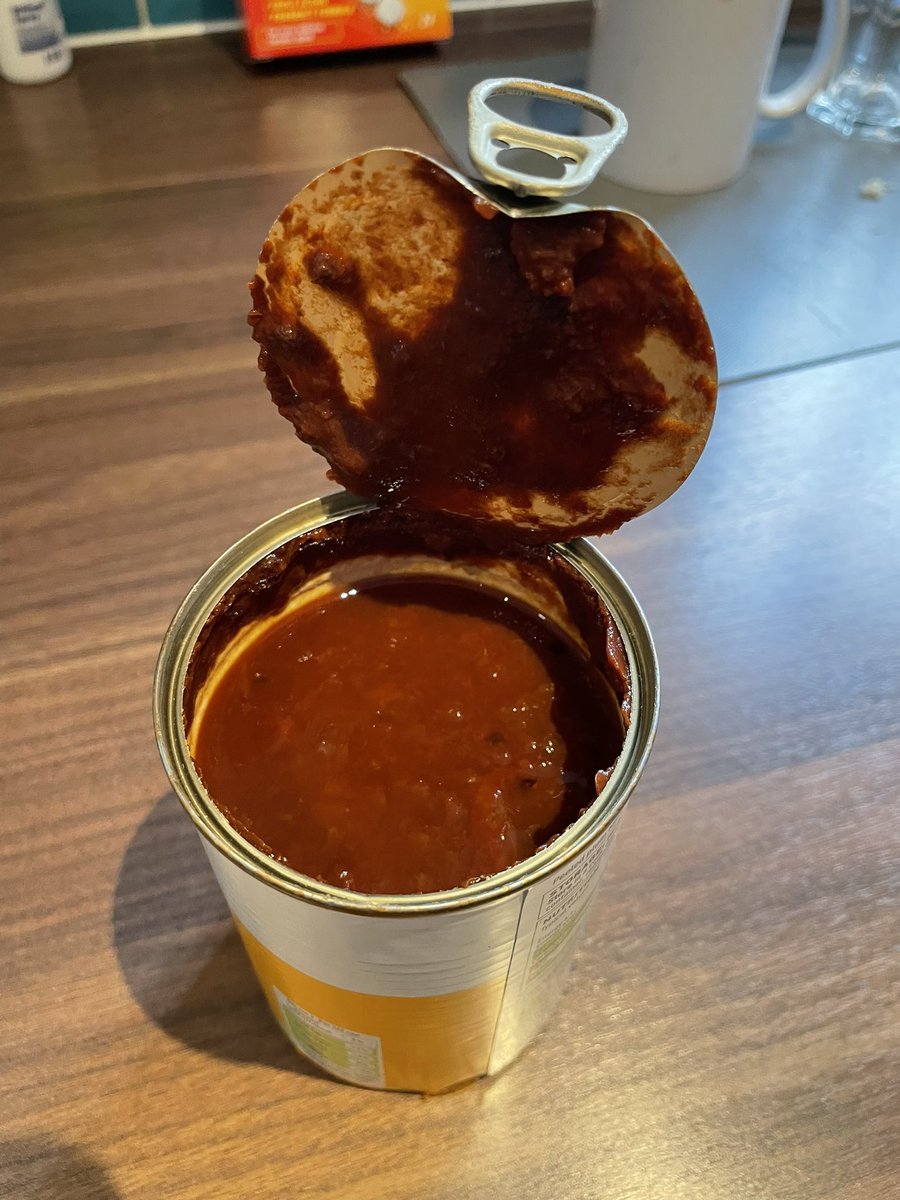
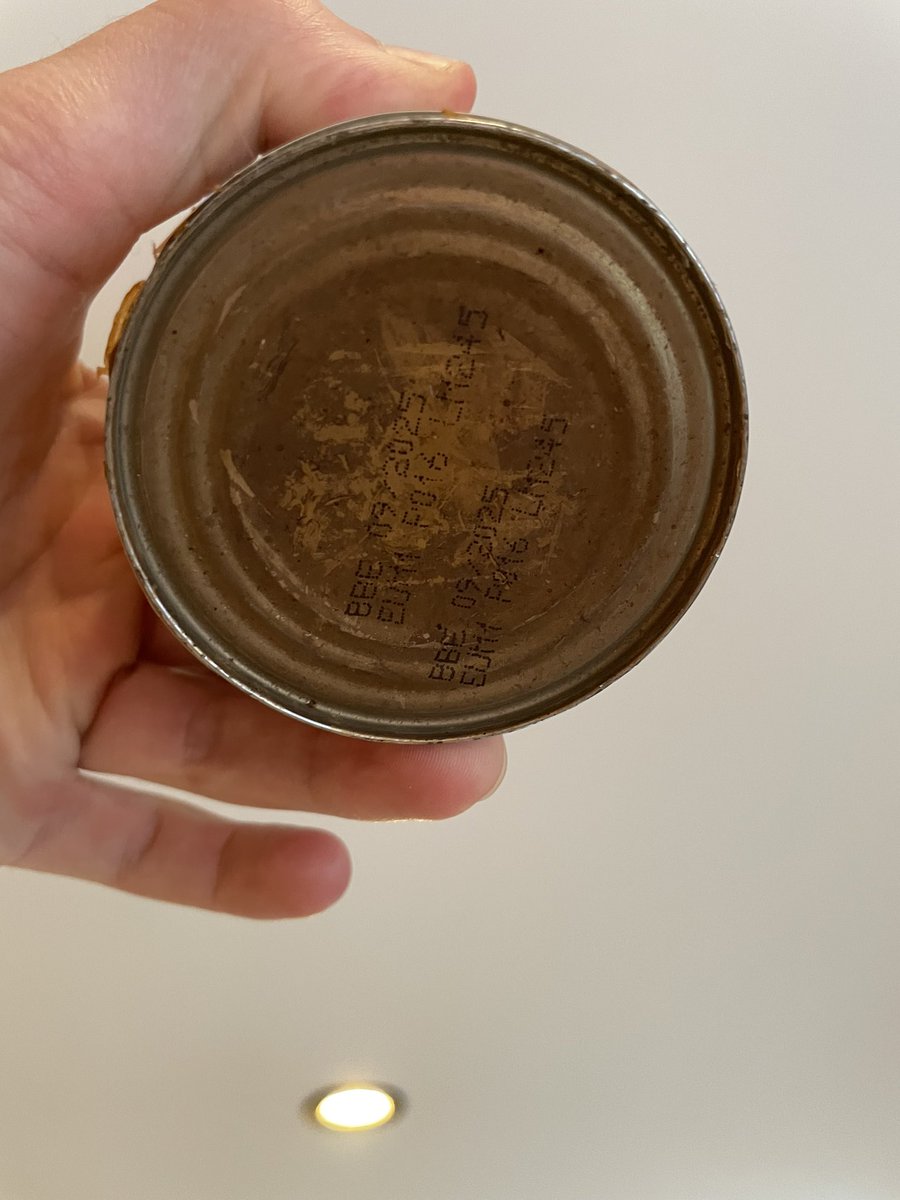
@sainsburys just opened a can of tomato’s and they appear to be off. Very odd texture and strong vinegar smell and also noticed the can bottom looks dirty. BBE 9/2025.